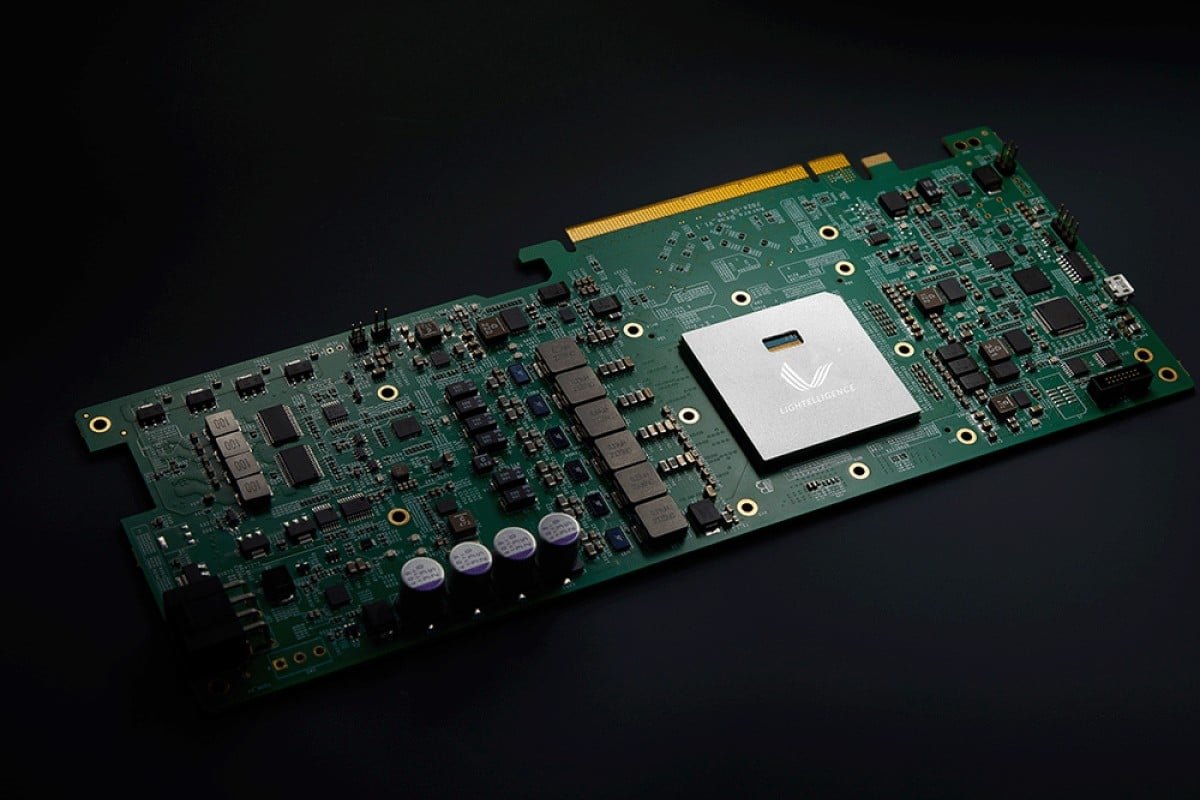
The photonics chipmaker’s IPO highlights accelerating demand for next-generation AI infrastructure, raising questions about valuation extremes, technological competition, and China’s push to reshape the global semiconductor stack.
ACTOR-DRIVEN
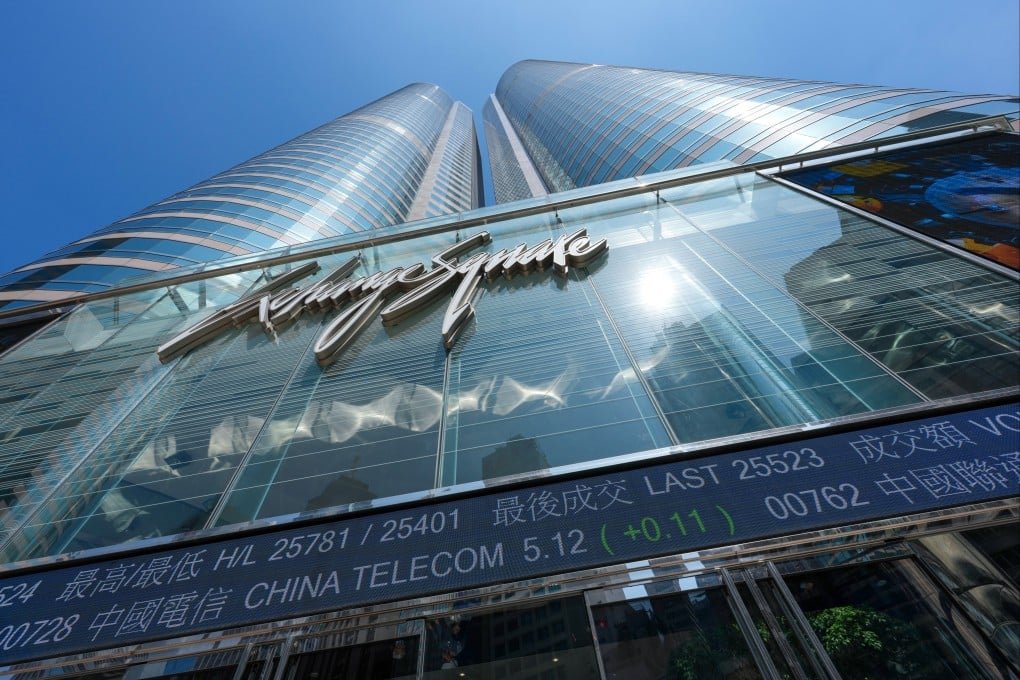
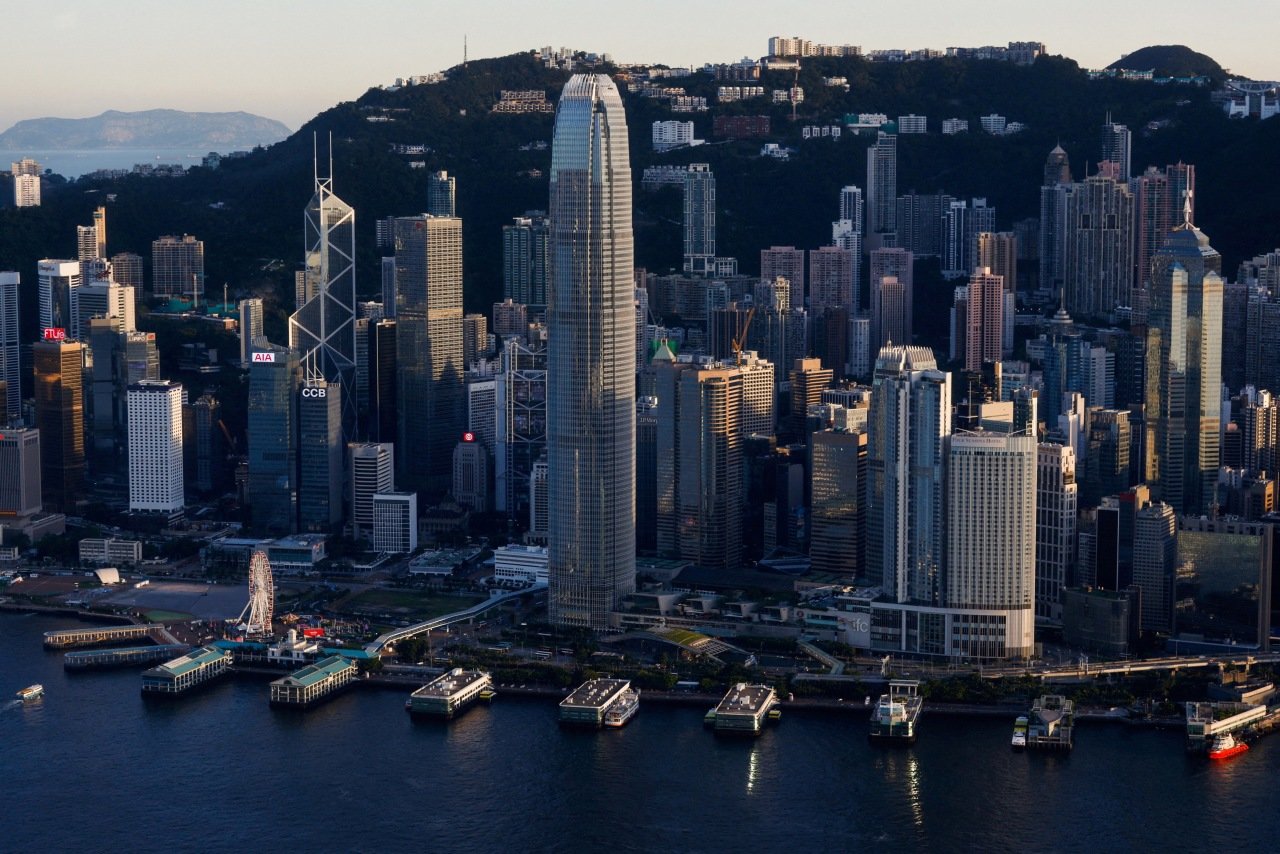
Lightelligence, a Shanghai-based photonics chipmaker focused on optical computing for artificial intelligence systems, surged nearly 400 percent in its Hong Kong stock market debut after raising roughly 2.4 billion Hong Kong dollars in its initial public offering.
What is confirmed is that the company priced its shares at the top end of expectations before listing, and trading opened far above that level, immediately valuing the firm at several times its offering price.
The IPO was heavily oversubscribed, reflecting intense investor demand for companies tied to artificial intelligence infrastructure and next-generation semiconductor technologies.
Lightelligence develops optical computing and photonic interconnect systems that use light rather than electrons to process and transmit data.
The technology is designed to address bottlenecks in traditional semiconductor systems, particularly in large-scale AI data centers where energy consumption and data movement have become critical constraints.
Its product line includes hybrid optical-electronic accelerators and photonic networking hardware intended for high-performance computing environments.
The company’s business model sits at the intersection of two fast-expanding sectors: artificial intelligence computing demand and advanced semiconductor alternatives to traditional silicon-based architectures.
Its pitch to investors is that photonics can significantly improve speed and energy efficiency in AI workloads, particularly for inference and data center communication.
Investor enthusiasm reflects broader market dynamics.
Capital has increasingly flowed toward AI infrastructure companies across Asia, particularly in Hong Kong listings, where multiple technology IPOs tied to semiconductors, robotics, and AI systems have seen strong first-day performance.
Lightelligence is part of a wider wave of so-called “hard tech” listings that emphasize hardware underlying AI systems rather than software applications.
The company is also backed by a mix of venture and strategic investors spanning technology and state-linked capital, which is common in China’s advanced semiconductor sector.
Its rise to public markets follows years of development from a research-driven startup originating from advanced photonics work, evolving into a commercial supplier targeting data center-scale deployment.
The scale of the share price surge underscores the tension between market optimism and underlying fundamentals.
While investor demand is clearly strong, companies in this sector typically operate with high research and development costs, long commercialization cycles, and uncertain mass adoption timelines for emerging technologies like optical computing.
The listing also reflects geopolitical and industrial policy pressure shaping semiconductor development.
China has been accelerating investment into alternative computing architectures, including photonics, as part of a broader effort to reduce reliance on traditional chip supply chains dominated by foreign technology.
In practical terms, the IPO provides Lightelligence with expanded capital to scale manufacturing, accelerate research, and push its optical computing systems toward broader commercial deployment.
The immediate market consequence is a sharply repriced valuation, while the longer-term outcome depends on whether photonic computing can move from specialized applications into mainstream AI infrastructure at scale.
Lightelligence, a Shanghai-based photonics chipmaker focused on optical computing for artificial intelligence systems, surged nearly 400 percent in its Hong Kong stock market debut after raising roughly 2.4 billion Hong Kong dollars in its initial public offering.
What is confirmed is that the company priced its shares at the top end of expectations before listing, and trading opened far above that level, immediately valuing the firm at several times its offering price.
The IPO was heavily oversubscribed, reflecting intense investor demand for companies tied to artificial intelligence infrastructure and next-generation semiconductor technologies.
Lightelligence develops optical computing and photonic interconnect systems that use light rather than electrons to process and transmit data.
The technology is designed to address bottlenecks in traditional semiconductor systems, particularly in large-scale AI data centers where energy consumption and data movement have become critical constraints.
Its product line includes hybrid optical-electronic accelerators and photonic networking hardware intended for high-performance computing environments.
The company’s business model sits at the intersection of two fast-expanding sectors: artificial intelligence computing demand and advanced semiconductor alternatives to traditional silicon-based architectures.
Its pitch to investors is that photonics can significantly improve speed and energy efficiency in AI workloads, particularly for inference and data center communication.
Investor enthusiasm reflects broader market dynamics.
Capital has increasingly flowed toward AI infrastructure companies across Asia, particularly in Hong Kong listings, where multiple technology IPOs tied to semiconductors, robotics, and AI systems have seen strong first-day performance.
Lightelligence is part of a wider wave of so-called “hard tech” listings that emphasize hardware underlying AI systems rather than software applications.
The company is also backed by a mix of venture and strategic investors spanning technology and state-linked capital, which is common in China’s advanced semiconductor sector.
Its rise to public markets follows years of development from a research-driven startup originating from advanced photonics work, evolving into a commercial supplier targeting data center-scale deployment.
The scale of the share price surge underscores the tension between market optimism and underlying fundamentals.
While investor demand is clearly strong, companies in this sector typically operate with high research and development costs, long commercialization cycles, and uncertain mass adoption timelines for emerging technologies like optical computing.
The listing also reflects geopolitical and industrial policy pressure shaping semiconductor development.
China has been accelerating investment into alternative computing architectures, including photonics, as part of a broader effort to reduce reliance on traditional chip supply chains dominated by foreign technology.
In practical terms, the IPO provides Lightelligence with expanded capital to scale manufacturing, accelerate research, and push its optical computing systems toward broader commercial deployment.
The immediate market consequence is a sharply repriced valuation, while the longer-term outcome depends on whether photonic computing can move from specialized applications into mainstream AI infrastructure at scale.