Bank examines whether to scale back a rare education subsidy covering up to 95% of international school fees for staff in Hong Kong amid global restructuring under CEO Georges Elhedery
A global cost-standardisation push at HSBC Holdings is driving a review of one of its most distinctive employee benefits in Asia: a heavily subsidised international school-fee scheme for bankers in Hong Kong.
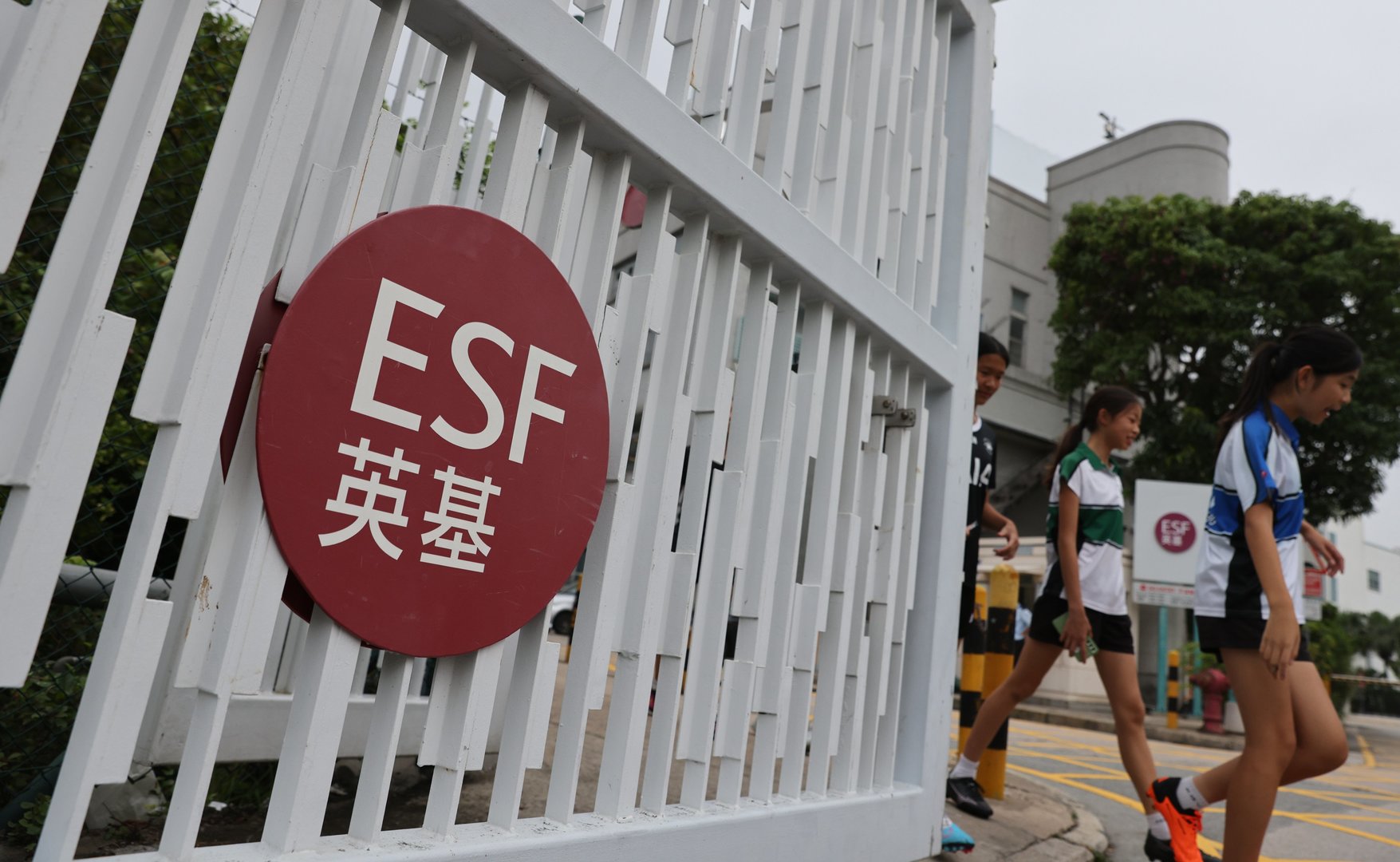
What is confirmed is that HSBC is reassessing a long-standing perk that pays up to 95% of school fees for mid- and senior-level employees in Hong Kong.
The benefit can reach roughly HK$220,000 for primary school and HK$300,000 per child annually for secondary education, depending on the institution and level.
It applies to hundreds of staff in the city, HSBC’s largest profit centre, and is not offered in the same form in the bank’s other global hubs.
The review is part of a broader restructuring agenda led by chief executive Georges Elhedery, who has prioritised simplifying HSBC’s organisational structure, reducing costs, and aligning compensation frameworks across regions.
The bank has already been pursuing multi-billion-dollar efficiency targets, including workforce reductions and the removal of overlapping management layers.
The school-fee subsidy has become a structurally sensitive issue inside the group because of its uneven geographic application.
In Hong Kong, where international schooling is a central cost for expatriate and internationally mobile families, the perk has long been used as a recruitment and retention tool for senior banking talent.
Outside Hong Kong, however, comparable benefits are largely absent, creating internal pressure to harmonise compensation practices across markets.
What is under consideration is not a confirmed cancellation but a range of adjustments.
These include removing the subsidy for future hires or folding its value into broader compensation packages rather than maintaining it as a separate entitlement.
No final decision has been made.
The financial scale of the benefit is material.
It is estimated to cost HSBC tens of millions of dollars annually.
International school tuition in Hong Kong has also been rising in recent years, adding to the bank’s expense exposure and intensifying scrutiny of legacy benefits designed in earlier labour-market conditions.
At a strategic level, the review reflects HSBC’s continuing shift toward tighter cost discipline as it balances two competing pressures.
On one hand, Hong Kong remains central to its earnings base and its Asia-focused strategy.
On the other, headquarters is under pressure to eliminate regional anomalies in pay structures that complicate global benchmarking and budgeting.
The issue also highlights a broader structural tension in multinational banking: the need to attract globally mobile staff to high-cost financial centres while controlling long-term compensation inflation.
Education subsidies have historically been one of the most expensive but least visible components of expatriate pay packages, particularly in hubs like Hong Kong.
The outcome of the review will shape not only internal compensation norms but also the competitiveness of HSBC’s Hong Kong hiring model, where access to elite international schooling has functioned as a key non-cash incentive in a market with high living costs and intense regional talent competition.
What is confirmed is that HSBC is reassessing a long-standing perk that pays up to 95% of school fees for mid- and senior-level employees in Hong Kong.
The benefit can reach roughly HK$220,000 for primary school and HK$300,000 per child annually for secondary education, depending on the institution and level.
It applies to hundreds of staff in the city, HSBC’s largest profit centre, and is not offered in the same form in the bank’s other global hubs.
The review is part of a broader restructuring agenda led by chief executive Georges Elhedery, who has prioritised simplifying HSBC’s organisational structure, reducing costs, and aligning compensation frameworks across regions.
The bank has already been pursuing multi-billion-dollar efficiency targets, including workforce reductions and the removal of overlapping management layers.
The school-fee subsidy has become a structurally sensitive issue inside the group because of its uneven geographic application.
In Hong Kong, where international schooling is a central cost for expatriate and internationally mobile families, the perk has long been used as a recruitment and retention tool for senior banking talent.
Outside Hong Kong, however, comparable benefits are largely absent, creating internal pressure to harmonise compensation practices across markets.
What is under consideration is not a confirmed cancellation but a range of adjustments.
These include removing the subsidy for future hires or folding its value into broader compensation packages rather than maintaining it as a separate entitlement.
No final decision has been made.
The financial scale of the benefit is material.
It is estimated to cost HSBC tens of millions of dollars annually.
International school tuition in Hong Kong has also been rising in recent years, adding to the bank’s expense exposure and intensifying scrutiny of legacy benefits designed in earlier labour-market conditions.
At a strategic level, the review reflects HSBC’s continuing shift toward tighter cost discipline as it balances two competing pressures.
On one hand, Hong Kong remains central to its earnings base and its Asia-focused strategy.
On the other, headquarters is under pressure to eliminate regional anomalies in pay structures that complicate global benchmarking and budgeting.
The issue also highlights a broader structural tension in multinational banking: the need to attract globally mobile staff to high-cost financial centres while controlling long-term compensation inflation.
Education subsidies have historically been one of the most expensive but least visible components of expatriate pay packages, particularly in hubs like Hong Kong.
The outcome of the review will shape not only internal compensation norms but also the competitiveness of HSBC’s Hong Kong hiring model, where access to elite international schooling has functioned as a key non-cash incentive in a market with high living costs and intense regional talent competition.