A sweeping regulatory shift banning possession of alternative smoking products raises enforcement questions, supply chain disruption risks, and the likelihood of a growing illicit vaping market.
SYSTEM-DRIVEN regulatory enforcement in Hong Kong is reshaping the city’s nicotine and alternative smoking market as a new legal regime tightens restrictions on vaping products, including a ban on possession that extends beyond sale and import controls.
What is confirmed is that Hong Kong has moved toward a comprehensive restriction framework covering electronic cigarettes and other alternative smoking products, expanding from earlier bans on importation and sale to include possession.
This marks a structural escalation in tobacco control policy, shifting enforcement from supply-side regulation to direct consumer-level criminalization.
The key issue is how enforcement will function in practice.
A possession ban requires frontline detection, policing discretion, and legal thresholds for proving ownership or control of prohibited devices.
This raises operational challenges in a densely populated city where enforcement resources are already distributed across multiple public safety priorities.
The policy is designed to reduce long-term public health risks associated with vaping, particularly among younger users.
Authorities have cited concerns about nicotine addiction pathways, product appeal to adolescents, and uncertainty over long-term health impacts compared to traditional combustible tobacco products.
The regulatory approach aligns with broader regional efforts in parts of Asia to restrict or eliminate vaping markets entirely rather than regulate them as consumer goods.
A major consequence of the new framework is likely displacement of demand into informal channels.
When legal retail supply is cut off while user demand persists, historical patterns in similar markets show increased reliance on cross-border smuggling, small-scale unregulated distribution, and peer-to-peer transactions.
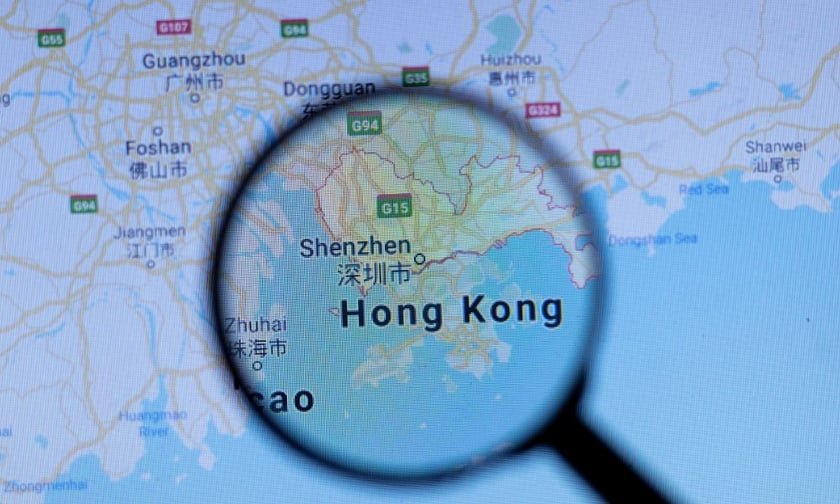
In Hong Kong’s case, proximity to major manufacturing hubs in mainland China increases the logistical feasibility of illicit supply chains.
Enforcement pressure is expected to focus on import interception, retail surveillance, and public compliance checks.
However, possession-based bans are typically harder to enforce uniformly because they require discovery of products in private or semi-private contexts rather than commercial settings.
This creates uneven enforcement risk and potential legal ambiguity in marginal cases.
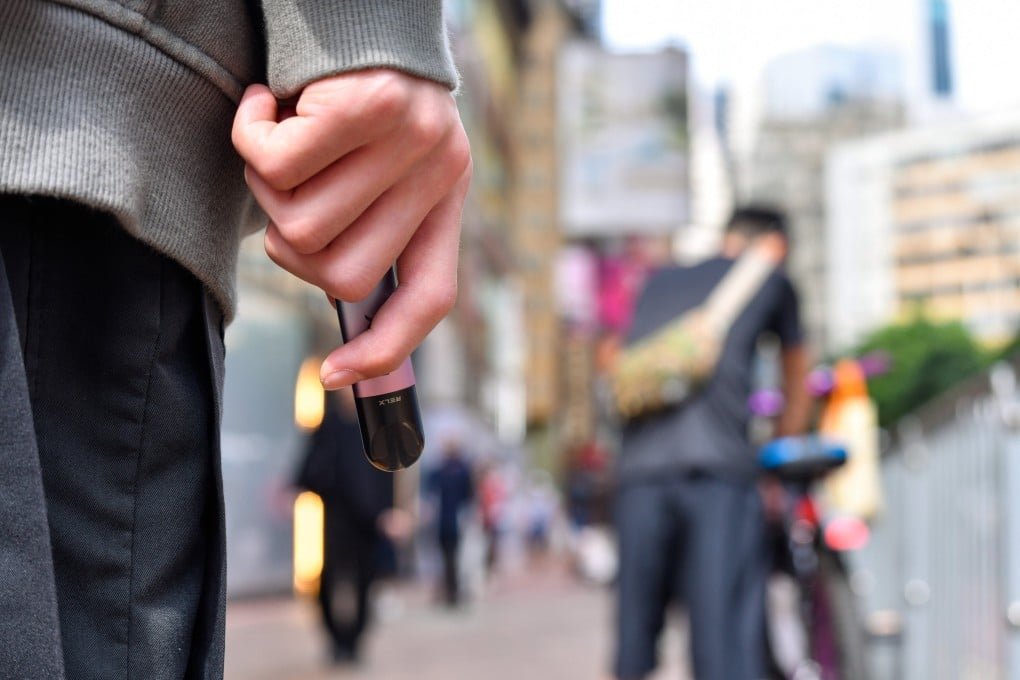
For consumers, the immediate impact is legal exposure for continued possession of vaping devices and related products.
For retailers and distributors, the transition effectively removes any remaining legal commercial pathway, consolidating the market into prohibition status.
This eliminates legitimate pricing signals and increases the potential profitability of illegal supply.
The broader implication is a tightening of Hong Kong’s public health regulatory model toward prohibition rather than controlled harm reduction in the vaping sector.
While traditional cigarette sales remain legal and regulated, alternative nicotine delivery systems are being treated as a distinct category subject to elimination rather than integration.
As enforcement begins under the new rules, the practical outcome will depend on inspection intensity, judicial interpretation of possession cases, and the adaptability of informal distribution networks, which will determine whether vaping in Hong Kong becomes rare or simply less visible.
What is confirmed is that Hong Kong has moved toward a comprehensive restriction framework covering electronic cigarettes and other alternative smoking products, expanding from earlier bans on importation and sale to include possession.
This marks a structural escalation in tobacco control policy, shifting enforcement from supply-side regulation to direct consumer-level criminalization.
The key issue is how enforcement will function in practice.
A possession ban requires frontline detection, policing discretion, and legal thresholds for proving ownership or control of prohibited devices.
This raises operational challenges in a densely populated city where enforcement resources are already distributed across multiple public safety priorities.
The policy is designed to reduce long-term public health risks associated with vaping, particularly among younger users.
Authorities have cited concerns about nicotine addiction pathways, product appeal to adolescents, and uncertainty over long-term health impacts compared to traditional combustible tobacco products.
The regulatory approach aligns with broader regional efforts in parts of Asia to restrict or eliminate vaping markets entirely rather than regulate them as consumer goods.
A major consequence of the new framework is likely displacement of demand into informal channels.
When legal retail supply is cut off while user demand persists, historical patterns in similar markets show increased reliance on cross-border smuggling, small-scale unregulated distribution, and peer-to-peer transactions.
In Hong Kong’s case, proximity to major manufacturing hubs in mainland China increases the logistical feasibility of illicit supply chains.
Enforcement pressure is expected to focus on import interception, retail surveillance, and public compliance checks.
However, possession-based bans are typically harder to enforce uniformly because they require discovery of products in private or semi-private contexts rather than commercial settings.
This creates uneven enforcement risk and potential legal ambiguity in marginal cases.
For consumers, the immediate impact is legal exposure for continued possession of vaping devices and related products.
For retailers and distributors, the transition effectively removes any remaining legal commercial pathway, consolidating the market into prohibition status.
This eliminates legitimate pricing signals and increases the potential profitability of illegal supply.
The broader implication is a tightening of Hong Kong’s public health regulatory model toward prohibition rather than controlled harm reduction in the vaping sector.
While traditional cigarette sales remain legal and regulated, alternative nicotine delivery systems are being treated as a distinct category subject to elimination rather than integration.
As enforcement begins under the new rules, the practical outcome will depend on inspection intensity, judicial interpretation of possession cases, and the adaptability of informal distribution networks, which will determine whether vaping in Hong Kong becomes rare or simply less visible.