Foreign Minister Maxime Prévot calls for renewed engagement during talks in Hong Kong, framing dialogue as essential despite years of strained relations following national security reforms and EU policy downgrades
A renewed diplomatic outreach by Belgium toward Hong Kong is emerging as part of a broader recalibration in Europe’s engagement with China, driven by shifting geopolitical realities and the economic importance of maintaining access to Asian financial and technology hubs.
The central driver of the story is system-level: the gradual reactivation of structured dialogue between European states and Hong Kong after several years of reduced political contact following major changes in the city’s governance framework.
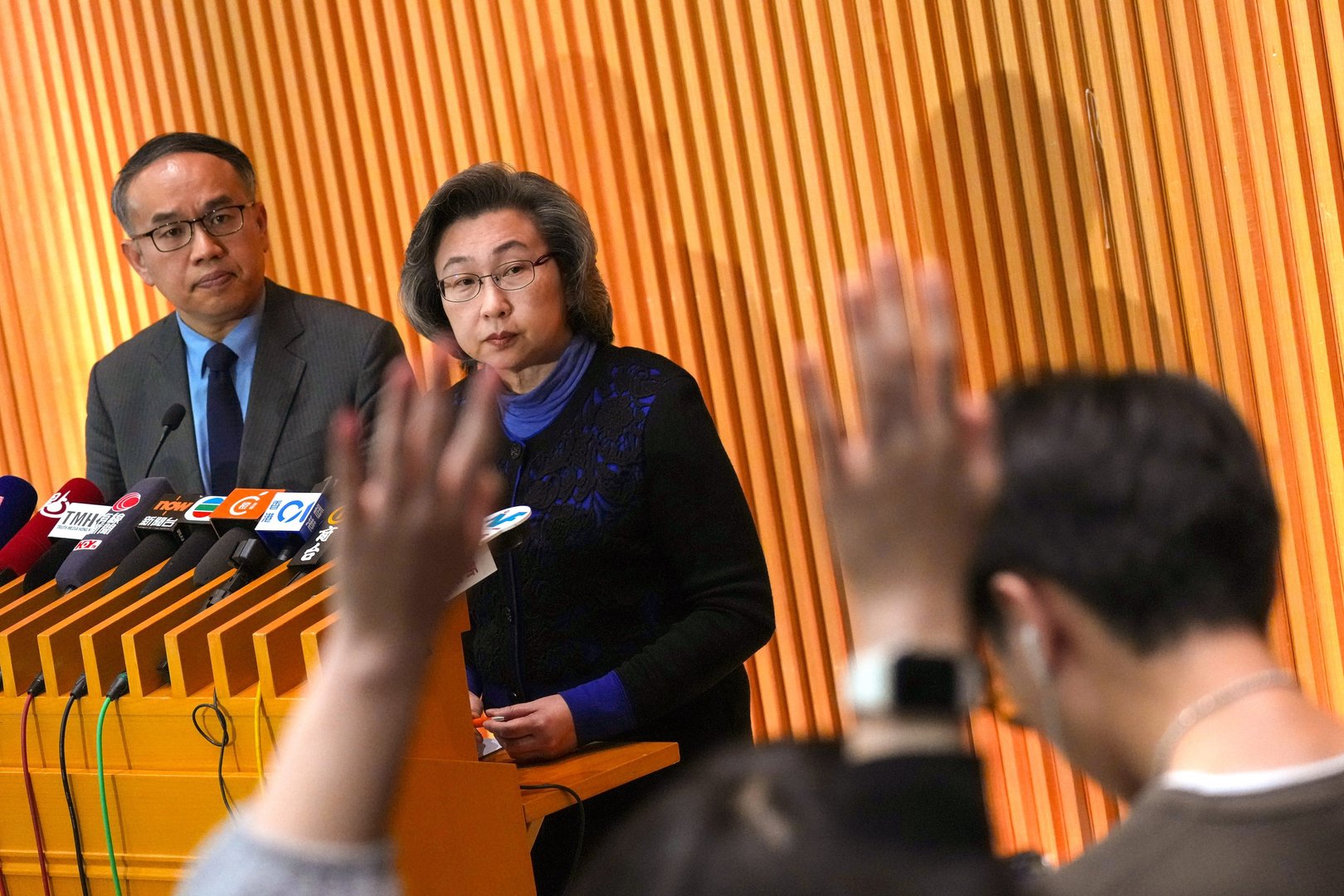
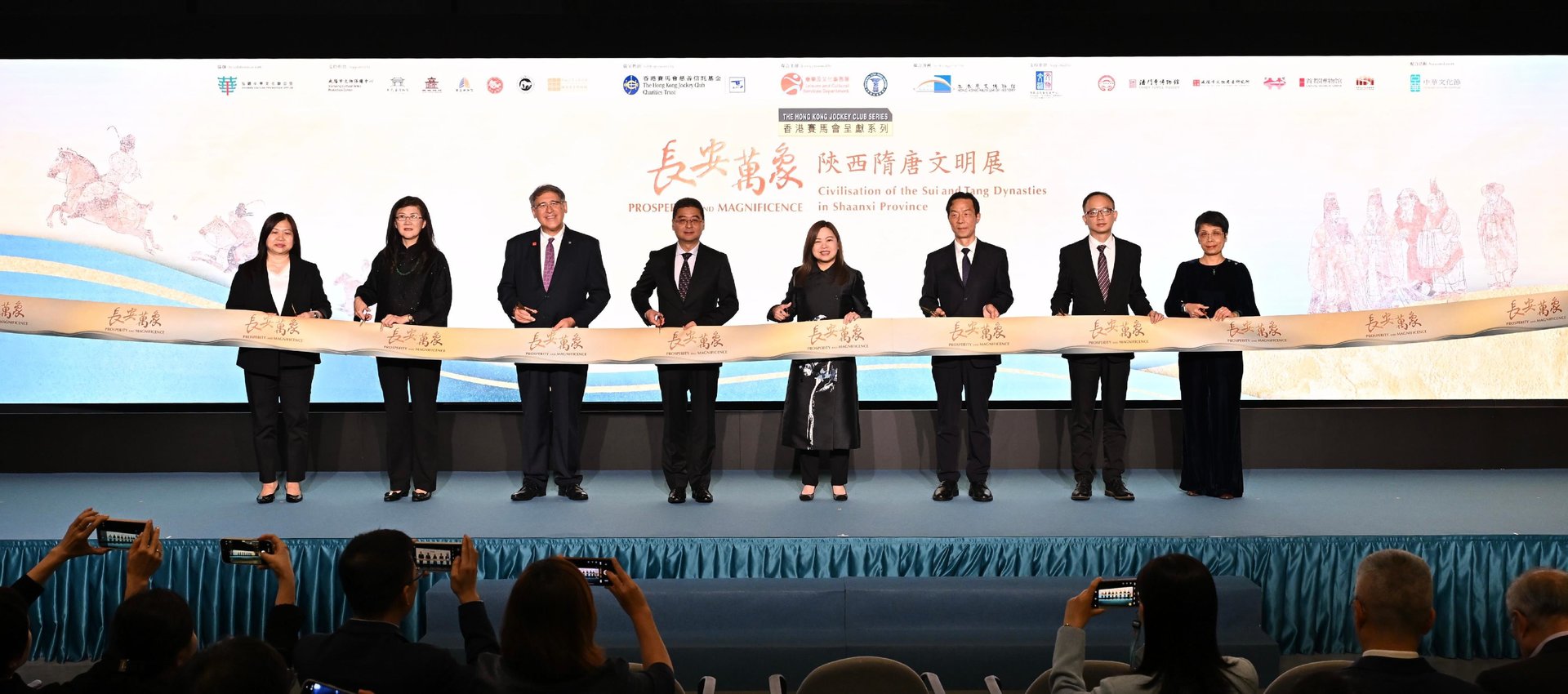
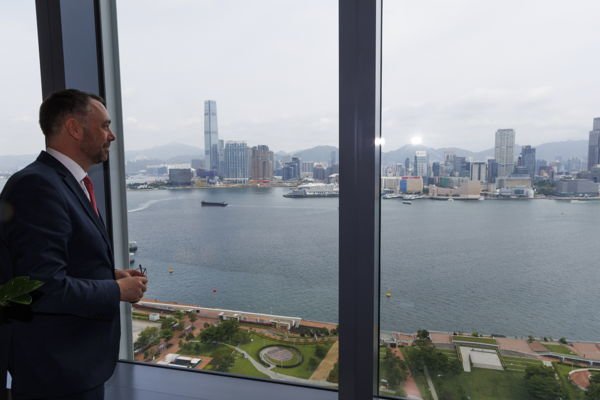
What is confirmed is that Belgian Foreign Minister Maxime Prévot has publicly called for a revival of dialogue with Hong Kong during meetings with Hong Kong’s Chief Executive John Lee, framing engagement as necessary for protecting economic and strategic interests while addressing political differences.
The remarks come during a wider diplomatic mission that includes stops in Hong Kong and mainland China, reflecting Belgium’s effort to balance commercial ties with a more coordinated European foreign policy approach toward Beijing.
Prévot has described the relationship as one that must be both “clear and balanced,” explicitly linking market access, trade fairness, and geopolitical stability to continued engagement.
The backdrop to this renewed outreach is a period of sustained strain between Hong Kong and Western governments.
Since the introduction of sweeping national security legislation in 2020 and reforms to the city’s electoral system, the European Union significantly reduced the intensity of its political engagement with Hong Kong, while continuing limited economic interaction.
These changes were widely interpreted in Europe as a weakening of the “one country, two systems” framework that had previously defined Hong Kong’s autonomy.
Against this backdrop, Belgium’s position reflects a cautious but deliberate attempt to reopen channels without reversing broader EU concerns.
The minister explicitly linked dialogue to the ability to address contentious issues, including civil liberties and governance standards, while maintaining that engagement does not require agreement on all political questions.
Economic considerations remain central.
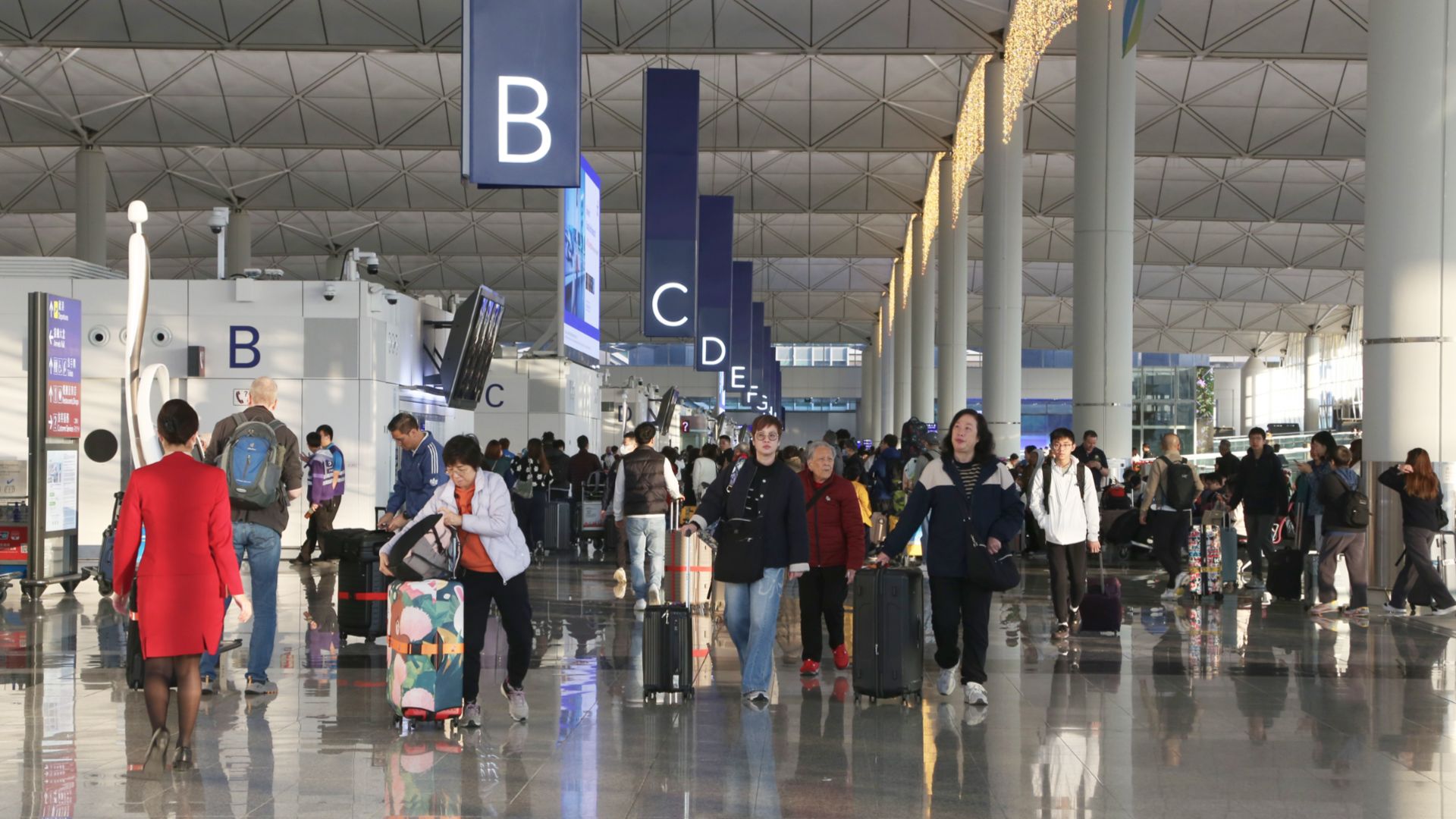
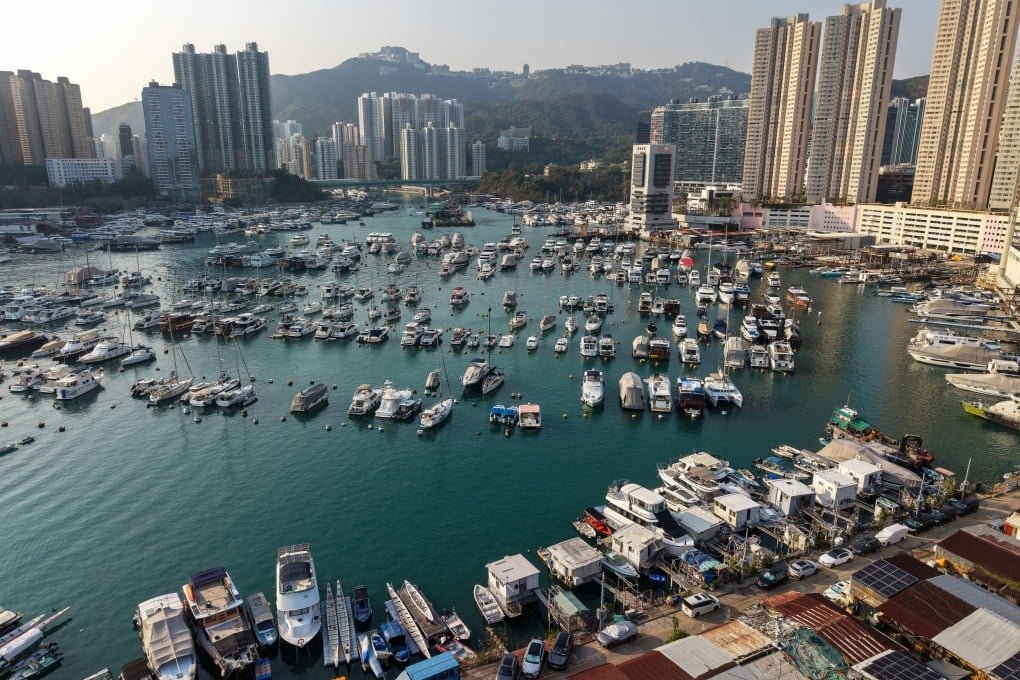
Hong Kong continues to function as a major gateway for European companies into mainland China, particularly in logistics, financial services, and cross-border trade infrastructure.
Belgian firms maintain significant exposure to Chinese markets, and Hong Kong plays a key role in facilitating regional supply chains, including e-commerce flows into Europe.
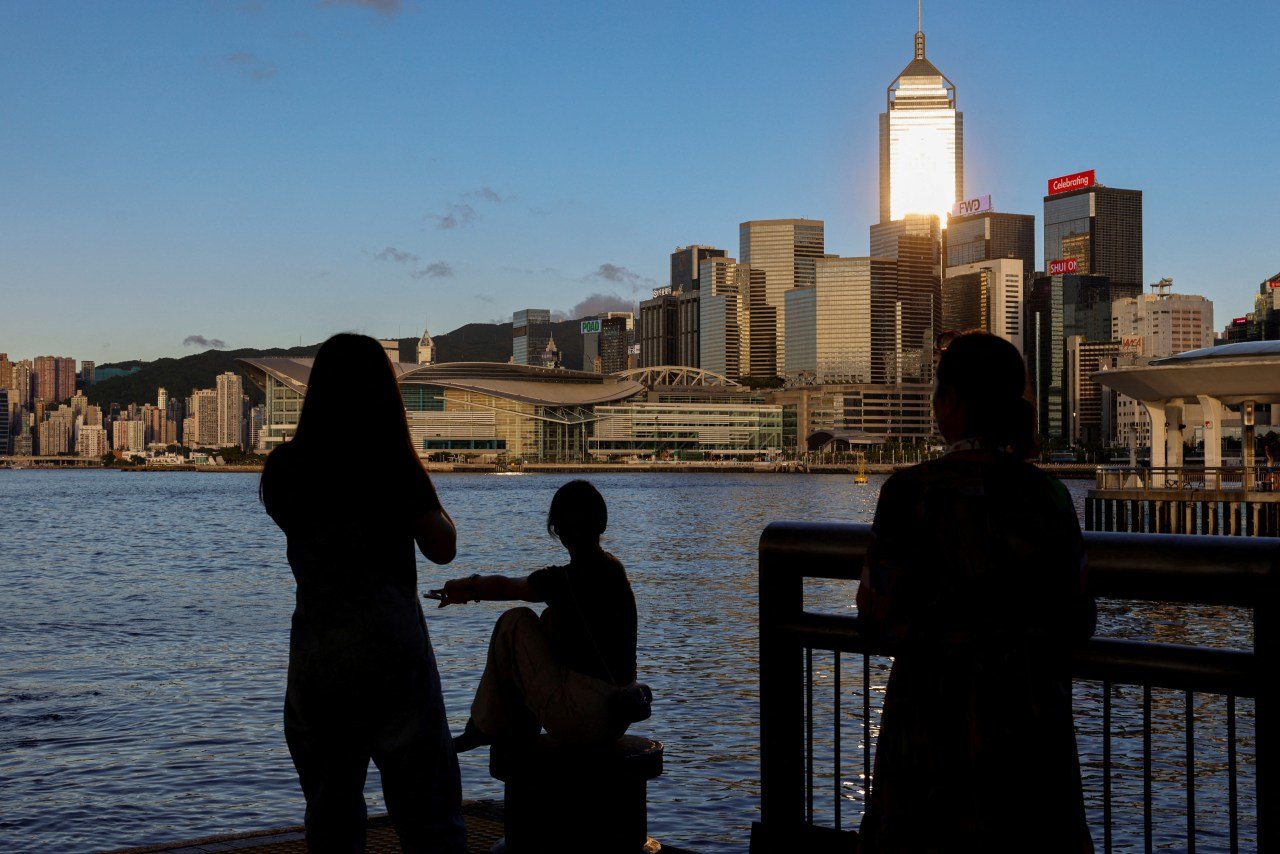
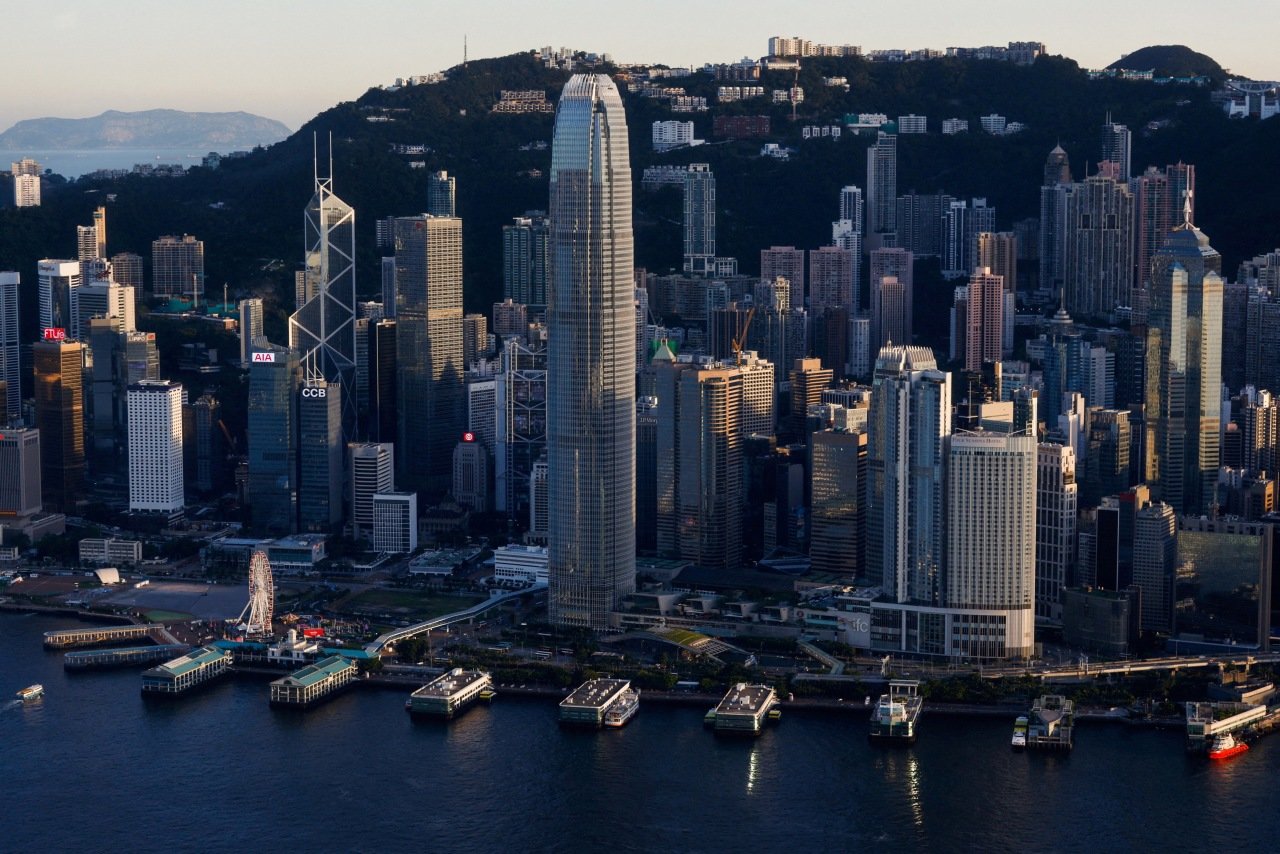
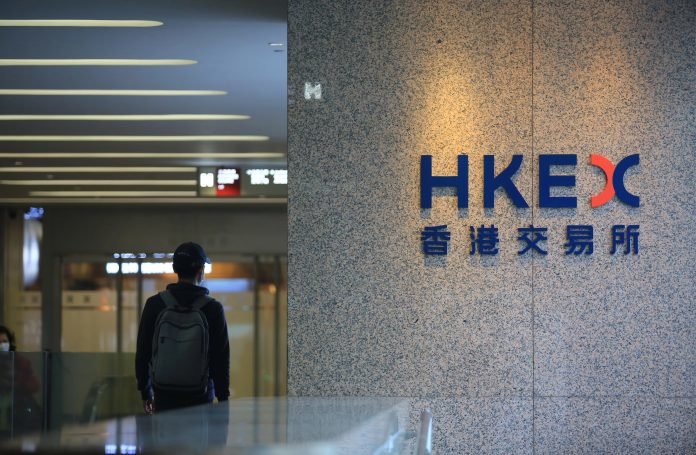
The visit also highlights Hong Kong’s effort to reposition itself as a financial and innovation hub in the Asia-Pacific region, particularly through integration projects with mainland China’s Greater Bay Area.
These initiatives are designed to strengthen the city’s role in research, capital markets, and high-value services rather than traditional manufacturing.
The practical implication of Belgium’s call for renewed dialogue is a gradual re-normalisation of official contact between parts of Europe and Hong Kong at a time when broader EU-China relations remain marked by trade friction, regulatory disputes, and geopolitical disagreement.
It signals that, despite political tensions, economic interdependence continues to drive selective re-engagement on both sides.
The central driver of the story is system-level: the gradual reactivation of structured dialogue between European states and Hong Kong after several years of reduced political contact following major changes in the city’s governance framework.
What is confirmed is that Belgian Foreign Minister Maxime Prévot has publicly called for a revival of dialogue with Hong Kong during meetings with Hong Kong’s Chief Executive John Lee, framing engagement as necessary for protecting economic and strategic interests while addressing political differences.
The remarks come during a wider diplomatic mission that includes stops in Hong Kong and mainland China, reflecting Belgium’s effort to balance commercial ties with a more coordinated European foreign policy approach toward Beijing.
Prévot has described the relationship as one that must be both “clear and balanced,” explicitly linking market access, trade fairness, and geopolitical stability to continued engagement.
The backdrop to this renewed outreach is a period of sustained strain between Hong Kong and Western governments.
Since the introduction of sweeping national security legislation in 2020 and reforms to the city’s electoral system, the European Union significantly reduced the intensity of its political engagement with Hong Kong, while continuing limited economic interaction.
These changes were widely interpreted in Europe as a weakening of the “one country, two systems” framework that had previously defined Hong Kong’s autonomy.
Against this backdrop, Belgium’s position reflects a cautious but deliberate attempt to reopen channels without reversing broader EU concerns.
The minister explicitly linked dialogue to the ability to address contentious issues, including civil liberties and governance standards, while maintaining that engagement does not require agreement on all political questions.
Economic considerations remain central.
Hong Kong continues to function as a major gateway for European companies into mainland China, particularly in logistics, financial services, and cross-border trade infrastructure.
Belgian firms maintain significant exposure to Chinese markets, and Hong Kong plays a key role in facilitating regional supply chains, including e-commerce flows into Europe.
The visit also highlights Hong Kong’s effort to reposition itself as a financial and innovation hub in the Asia-Pacific region, particularly through integration projects with mainland China’s Greater Bay Area.
These initiatives are designed to strengthen the city’s role in research, capital markets, and high-value services rather than traditional manufacturing.
The practical implication of Belgium’s call for renewed dialogue is a gradual re-normalisation of official contact between parts of Europe and Hong Kong at a time when broader EU-China relations remain marked by trade friction, regulatory disputes, and geopolitical disagreement.
It signals that, despite political tensions, economic interdependence continues to drive selective re-engagement on both sides.