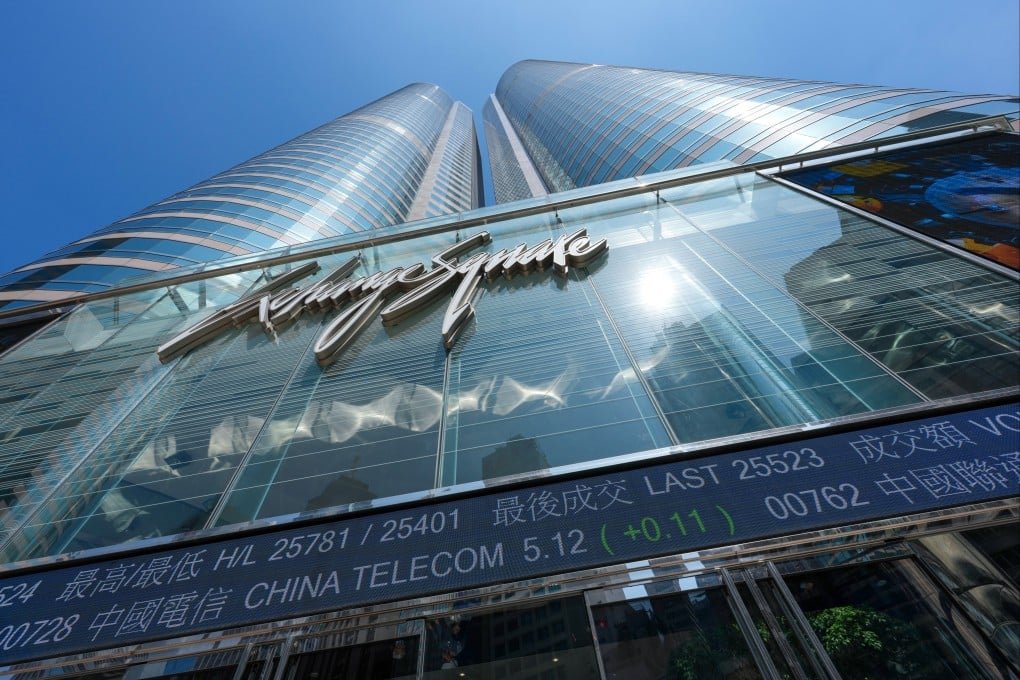
Singapore equities close lower amid cautious sentiment, with property heavyweight Hongkong Land emerging as the top-performing stock despite broader index weakness.
SYSTEM-DRIVEN
Singapore’s equity market ended the trading session in negative territory as the Straits Times Index (STI), the benchmark gauge of listed Singapore companies, fell 0.61 percent to close at 4,892.73.
What is confirmed is that the decline came during a broadly mixed trading day in which gains in select blue-chip and regional-linked stocks were offset by weakness in financial and industrial counters.
Despite the index drop, individual stock performance showed significant dispersion, reflecting selective investor positioning rather than broad-based selling pressure.
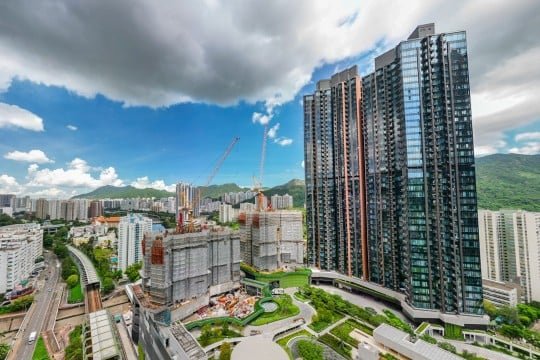
Hongkong Land emerged as the strongest performer in the session, leading gains among STI constituents with a rise of approximately 2.35 percent.
The property developer’s movement placed it at the top of trading activity, highlighting continued investor interest in large-cap real estate and conglomerate-linked names with regional exposure.
Other notable gainers included Thai Beverage and DFI Retail, both of which recorded modest advances, indicating selective buying in defensive and consumer-facing sectors.
These gains, however, were not sufficient to offset losses elsewhere in the index.
On the downside, several heavyweight stocks, including Keppel and Seatrium, weighed on overall performance.
Their declines reflected ongoing sensitivity in capital-intensive and industrial sectors, which tend to react strongly to shifts in interest rate expectations, infrastructure demand, and global growth signals.
The broader market context is shaped by cautious investor sentiment across Asian equities, where liquidity flows remain sensitive to global macroeconomic conditions, including interest rate policy expectations and China’s uneven economic recovery trajectory.
Singapore’s market, given its structural exposure to regional trade and financial flows, tends to reflect these external dynamics.
The movement of Hongkong Land as the day’s top stock also underscores the continued influence of property-linked conglomerates within the Singapore-listed universe.
These companies often act as hybrid proxies for both real estate cycles and broader regional capital flows, particularly between Hong Kong, China, and Southeast Asia.
While the index decline signals short-term weakness, the internal market structure shows a differentiated pattern: capital is rotating rather than exiting entirely, with investors concentrating exposure in specific sectors perceived as more resilient or undervalued under current conditions.
The immediate consequence of the session is a modest erosion in benchmark index value, while the broader implication is continued fragmentation in market leadership, where single-stock moves increasingly drive perception of market strength rather than uniform sector performance.
Singapore’s equity market ended the trading session in negative territory as the Straits Times Index (STI), the benchmark gauge of listed Singapore companies, fell 0.61 percent to close at 4,892.73.
What is confirmed is that the decline came during a broadly mixed trading day in which gains in select blue-chip and regional-linked stocks were offset by weakness in financial and industrial counters.
Despite the index drop, individual stock performance showed significant dispersion, reflecting selective investor positioning rather than broad-based selling pressure.
Hongkong Land emerged as the strongest performer in the session, leading gains among STI constituents with a rise of approximately 2.35 percent.
The property developer’s movement placed it at the top of trading activity, highlighting continued investor interest in large-cap real estate and conglomerate-linked names with regional exposure.
Other notable gainers included Thai Beverage and DFI Retail, both of which recorded modest advances, indicating selective buying in defensive and consumer-facing sectors.
These gains, however, were not sufficient to offset losses elsewhere in the index.
On the downside, several heavyweight stocks, including Keppel and Seatrium, weighed on overall performance.
Their declines reflected ongoing sensitivity in capital-intensive and industrial sectors, which tend to react strongly to shifts in interest rate expectations, infrastructure demand, and global growth signals.
The broader market context is shaped by cautious investor sentiment across Asian equities, where liquidity flows remain sensitive to global macroeconomic conditions, including interest rate policy expectations and China’s uneven economic recovery trajectory.
Singapore’s market, given its structural exposure to regional trade and financial flows, tends to reflect these external dynamics.
The movement of Hongkong Land as the day’s top stock also underscores the continued influence of property-linked conglomerates within the Singapore-listed universe.
These companies often act as hybrid proxies for both real estate cycles and broader regional capital flows, particularly between Hong Kong, China, and Southeast Asia.
While the index decline signals short-term weakness, the internal market structure shows a differentiated pattern: capital is rotating rather than exiting entirely, with investors concentrating exposure in specific sectors perceived as more resilient or undervalued under current conditions.
The immediate consequence of the session is a modest erosion in benchmark index value, while the broader implication is continued fragmentation in market leadership, where single-stock moves increasingly drive perception of market strength rather than uniform sector performance.