Prosecutors say former Hong Kong police officer and UK border official carried out covert intelligence gathering on activists living in Britain
Two men have gone on trial in London accused of conducting covert surveillance on members of the Hong Kong diaspora living in the United Kingdom.
Prosecutors allege the activities were carried out on behalf of authorities in Hong Kong and ultimately connected to China, targeting individuals who had relocated to Britain in recent years.
Bill Yuen, sixty five, a former superintendent in the Hong Kong police who later worked at the Hong Kong Economic and Trade Office in London, and Peter Wai, thirty eight, a UK Border Force officer and special constable, are charged under Britain’s National Security Act with assisting a foreign intelligence service.
Both men deny the allegations and have pleaded not guilty.
According to prosecutors, the two men were involved in what was described in court as a "shadow policing" operation.
They allegedly gathered intelligence and carried out surveillance on people regarded by Hong Kong authorities as persons of interest, including pro-democracy activists who had settled in the United Kingdom after political changes in the Asian financial hub.
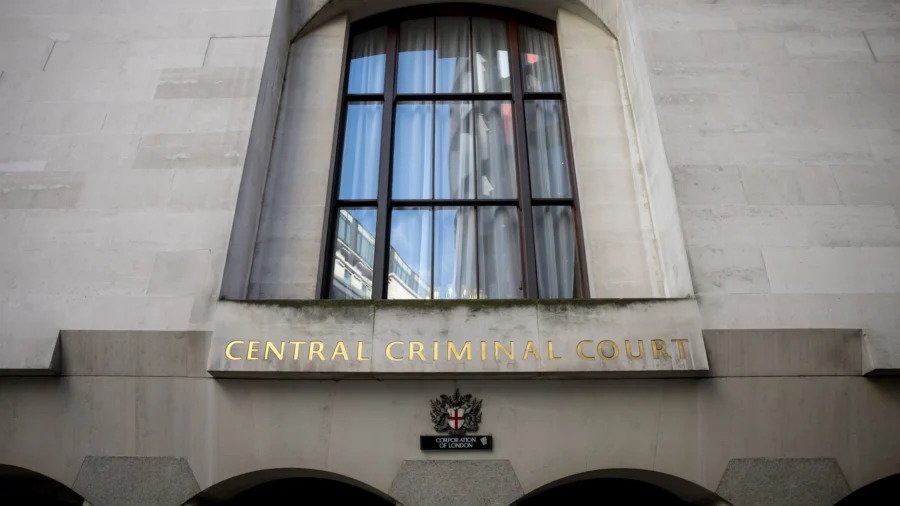
The prosecution told the Central Criminal Court that Yuen’s role at the Hong Kong trade office went beyond administrative responsibilities.
He is accused of directing intelligence-gathering tasks and coordinating activities linked to the monitoring of activists and political figures.
Wai, meanwhile, is alleged to have used his positions within the UK Border Force and as a special constable to access official databases and gather information.
Prosecutors say he also operated a private security company that was used as a cover for surveillance activities.
Investigators presented evidence including phone messages that reportedly showed the pair tracking the movements of former Hong Kong legislator Nathan Law, who moved to Britain after political unrest in the territory.
The prosecution said the defendants also showed interest in British political figures and government officials.
The alleged activities are said to have taken place between December two thousand twenty three and May two thousand twenty four.
In addition to assisting a foreign intelligence service, the men are accused of foreign interference offences, including an incident in which prosecutors say they attempted to force entry into a residence while presenting themselves as legitimate law enforcement officers.
Both defendants strongly deny wrongdoing, and the trial is expected to run for approximately nine weeks while the court hears evidence and testimony.
The case unfolds against a broader backdrop of heightened scrutiny in the United Kingdom over alleged foreign interference and surveillance targeting overseas communities.
British authorities have increasingly focused on protecting diaspora groups and political activists living in the country as geopolitical tensions continue to influence domestic security concerns.
Prosecutors allege the activities were carried out on behalf of authorities in Hong Kong and ultimately connected to China, targeting individuals who had relocated to Britain in recent years.
Bill Yuen, sixty five, a former superintendent in the Hong Kong police who later worked at the Hong Kong Economic and Trade Office in London, and Peter Wai, thirty eight, a UK Border Force officer and special constable, are charged under Britain’s National Security Act with assisting a foreign intelligence service.
Both men deny the allegations and have pleaded not guilty.
According to prosecutors, the two men were involved in what was described in court as a "shadow policing" operation.
They allegedly gathered intelligence and carried out surveillance on people regarded by Hong Kong authorities as persons of interest, including pro-democracy activists who had settled in the United Kingdom after political changes in the Asian financial hub.
The prosecution told the Central Criminal Court that Yuen’s role at the Hong Kong trade office went beyond administrative responsibilities.
He is accused of directing intelligence-gathering tasks and coordinating activities linked to the monitoring of activists and political figures.
Wai, meanwhile, is alleged to have used his positions within the UK Border Force and as a special constable to access official databases and gather information.
Prosecutors say he also operated a private security company that was used as a cover for surveillance activities.
Investigators presented evidence including phone messages that reportedly showed the pair tracking the movements of former Hong Kong legislator Nathan Law, who moved to Britain after political unrest in the territory.
The prosecution said the defendants also showed interest in British political figures and government officials.
The alleged activities are said to have taken place between December two thousand twenty three and May two thousand twenty four.
In addition to assisting a foreign intelligence service, the men are accused of foreign interference offences, including an incident in which prosecutors say they attempted to force entry into a residence while presenting themselves as legitimate law enforcement officers.
Both defendants strongly deny wrongdoing, and the trial is expected to run for approximately nine weeks while the court hears evidence and testimony.
The case unfolds against a broader backdrop of heightened scrutiny in the United Kingdom over alleged foreign interference and surveillance targeting overseas communities.
British authorities have increasingly focused on protecting diaspora groups and political activists living in the country as geopolitical tensions continue to influence domestic security concerns.