Growing leasing inquiries and stabilizing rents suggest prime office sector may be approaching a turning point after years of decline
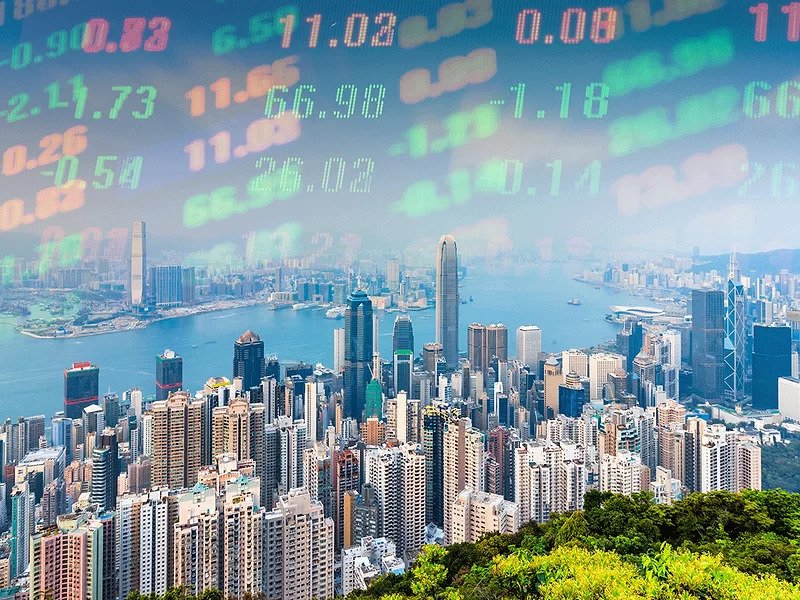
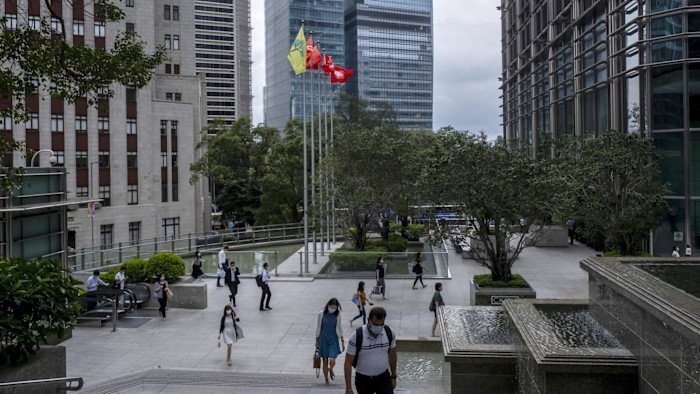
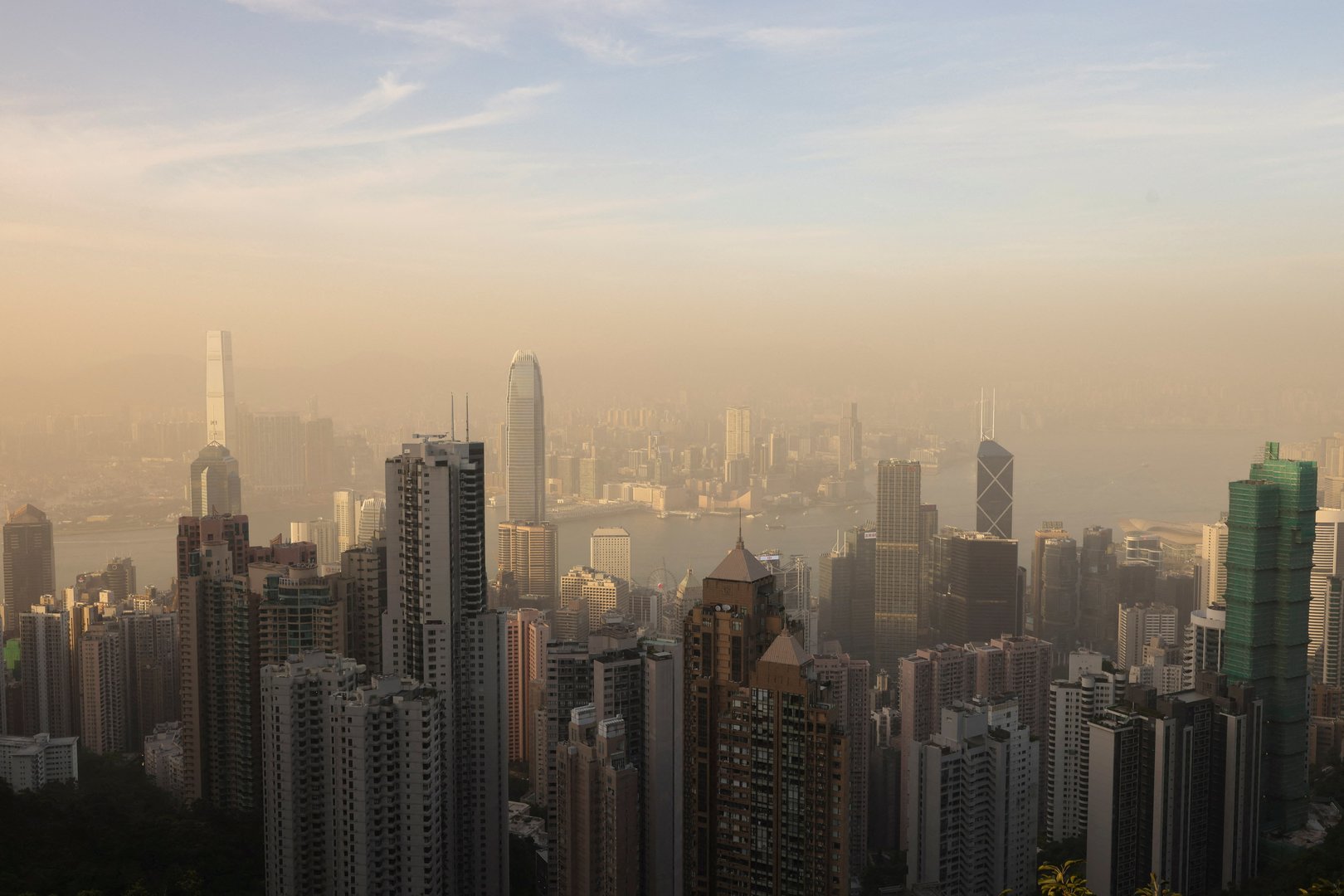
The finance chief of property developer Hongkong Land says the outlook for Hong Kong’s office market is beginning to improve, pointing to rising leasing interest and signs that rents in prime districts are stabilizing after several difficult years.
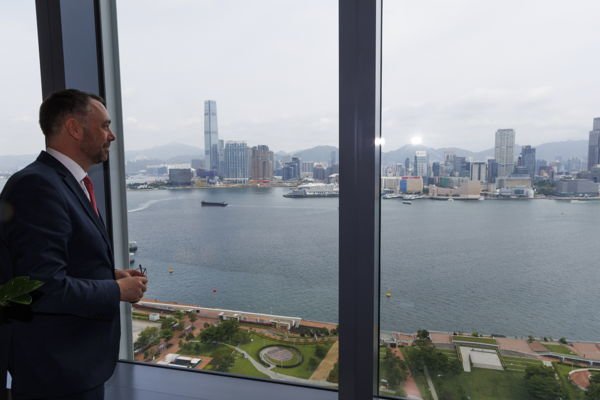
Craig Beattie, the company’s chief financial officer, said inquiries for office space increased during the first half of the year, with the strongest momentum emerging in the second quarter.
The rise in tenant interest, particularly for premium office buildings, is being viewed as an encouraging signal for a sector that has faced prolonged weakness.
Beattie noted that spot rents in the market have begun to stabilize, suggesting the pace of decline may be easing.
While the company still expects negative rental reversions—meaning new leases signed at lower rates than previous agreements—the magnitude of those reductions is likely to narrow over time.
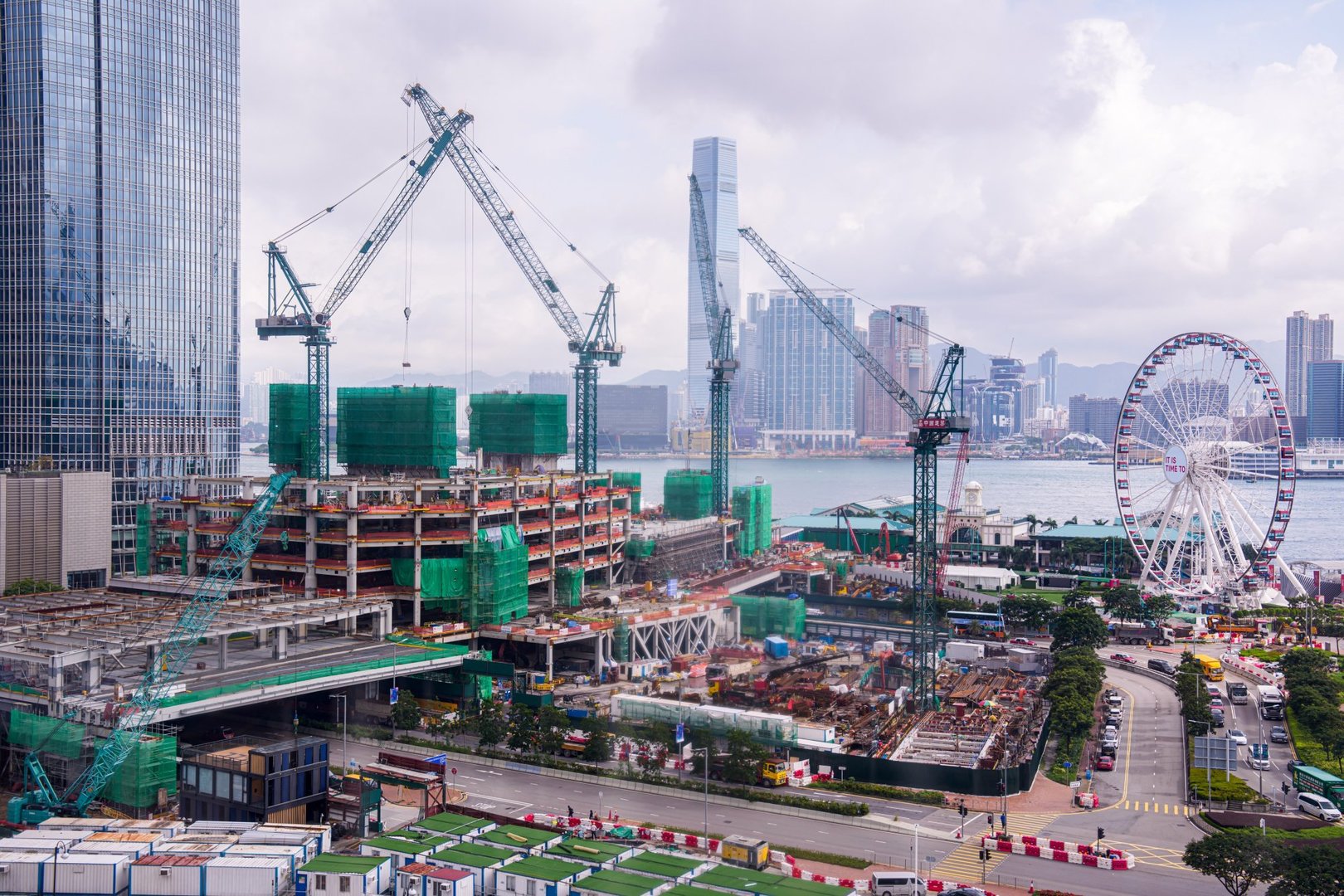
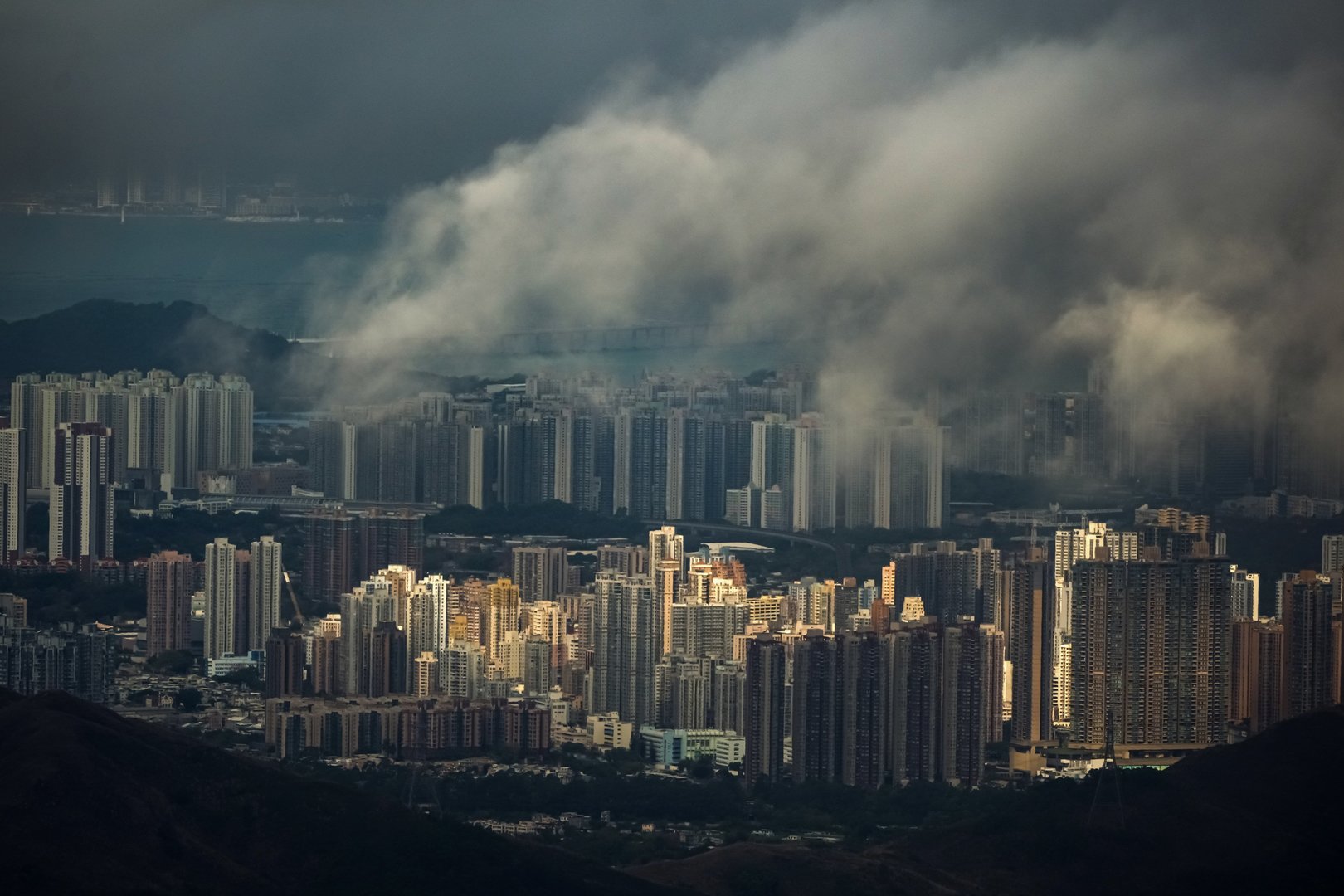
Hong Kong’s office market has been under pressure since 2019 as demand weakened while new office supply increased.
The downturn pushed rents to their lowest levels in more than fifteen years and drove vacancy rates sharply higher across several districts.
Even the city’s largest landlords have felt the impact.
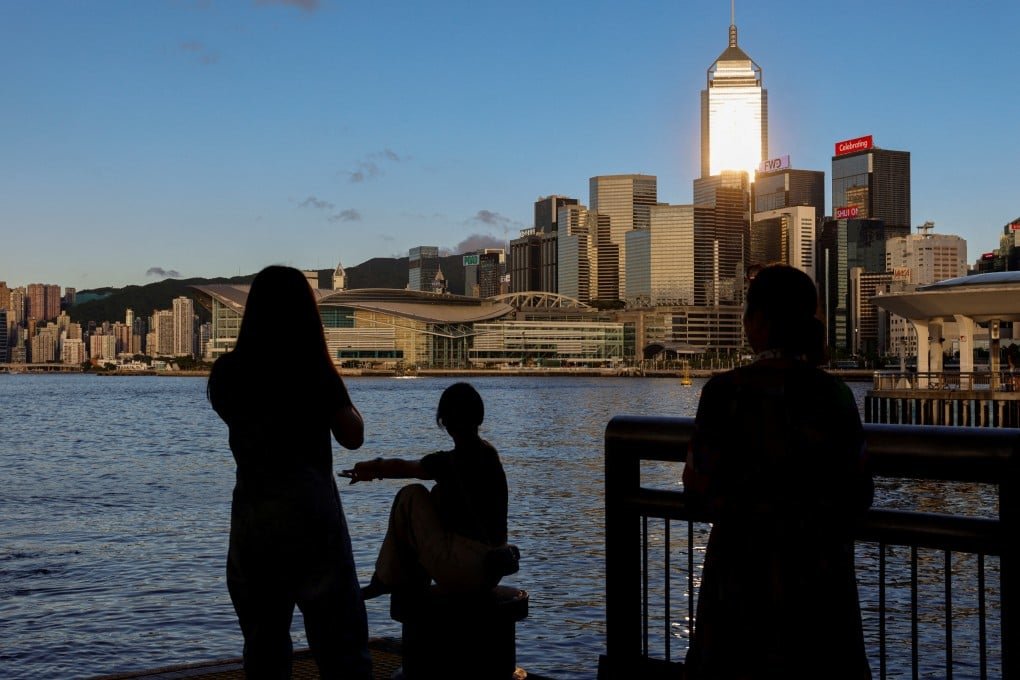
Hongkong Land, which owns a large portfolio of office towers in Central, the city’s main financial district, reported that vacancy levels in its properties declined slightly to around six point nine percent by the end of June, down from about seven point one percent six months earlier.
The stabilization of valuations in the company’s portfolio marks the first time since 2018 that asset values have held steady.
Despite the improving outlook, rents remain under pressure due to the still-elevated supply of office space.
Average rents in Hongkong Land’s portfolio fell to around ninety-five Hong Kong dollars per square foot at the end of June, compared with about one hundred three dollars a year earlier.
The developer reported an underlying profit of approximately two hundred ninety-seven million dollars for the first half of the year, reversing a small loss recorded in the same period a year earlier.
The improvement was attributed partly to reduced provisions related to mainland China and stronger residential sales.
Hongkong Land, part of the Jardine Matheson group, has recently shifted strategy to focus more heavily on investment properties in major Asian cities.
The company plans to recycle roughly four billion dollars in capital by selling non-core assets by 2027 and reinvesting in higher-quality commercial properties.
While analysts caution that a full recovery may take time due to the pipeline of new office developments, Beattie said the improving demand for prime space and renewed activity in capital markets suggest that the sector may be nearing a turning point.
For a market that has endured years of falling rents and rising vacancies, the renewed interest from tenants and investors is being interpreted as a tentative but important step toward stabilization.
Craig Beattie, the company’s chief financial officer, said inquiries for office space increased during the first half of the year, with the strongest momentum emerging in the second quarter.
The rise in tenant interest, particularly for premium office buildings, is being viewed as an encouraging signal for a sector that has faced prolonged weakness.
Beattie noted that spot rents in the market have begun to stabilize, suggesting the pace of decline may be easing.
While the company still expects negative rental reversions—meaning new leases signed at lower rates than previous agreements—the magnitude of those reductions is likely to narrow over time.
Hong Kong’s office market has been under pressure since 2019 as demand weakened while new office supply increased.
The downturn pushed rents to their lowest levels in more than fifteen years and drove vacancy rates sharply higher across several districts.
Even the city’s largest landlords have felt the impact.
Hongkong Land, which owns a large portfolio of office towers in Central, the city’s main financial district, reported that vacancy levels in its properties declined slightly to around six point nine percent by the end of June, down from about seven point one percent six months earlier.
The stabilization of valuations in the company’s portfolio marks the first time since 2018 that asset values have held steady.
Despite the improving outlook, rents remain under pressure due to the still-elevated supply of office space.
Average rents in Hongkong Land’s portfolio fell to around ninety-five Hong Kong dollars per square foot at the end of June, compared with about one hundred three dollars a year earlier.
The developer reported an underlying profit of approximately two hundred ninety-seven million dollars for the first half of the year, reversing a small loss recorded in the same period a year earlier.
The improvement was attributed partly to reduced provisions related to mainland China and stronger residential sales.
Hongkong Land, part of the Jardine Matheson group, has recently shifted strategy to focus more heavily on investment properties in major Asian cities.
The company plans to recycle roughly four billion dollars in capital by selling non-core assets by 2027 and reinvesting in higher-quality commercial properties.
While analysts caution that a full recovery may take time due to the pipeline of new office developments, Beattie said the improving demand for prime space and renewed activity in capital markets suggest that the sector may be nearing a turning point.
For a market that has endured years of falling rents and rising vacancies, the renewed interest from tenants and investors is being interpreted as a tentative but important step toward stabilization.