Decision by jailed Apple Daily founder ends legal challenge to landmark ruling and may shift attention toward diplomatic efforts
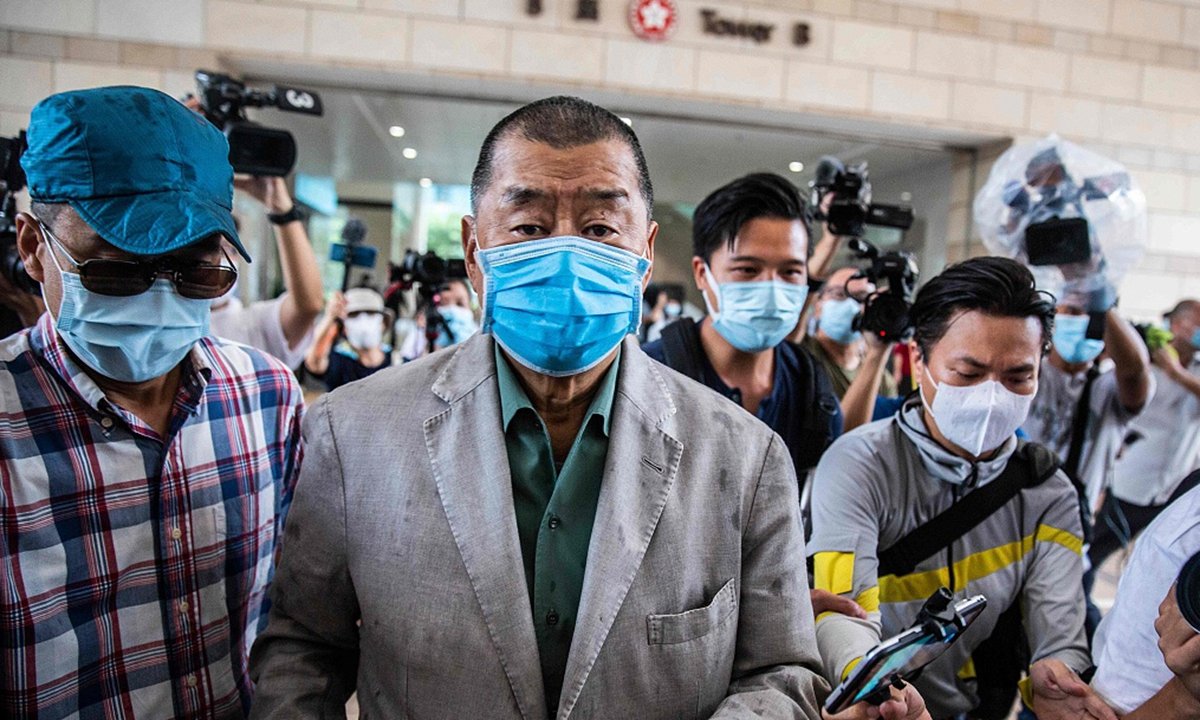
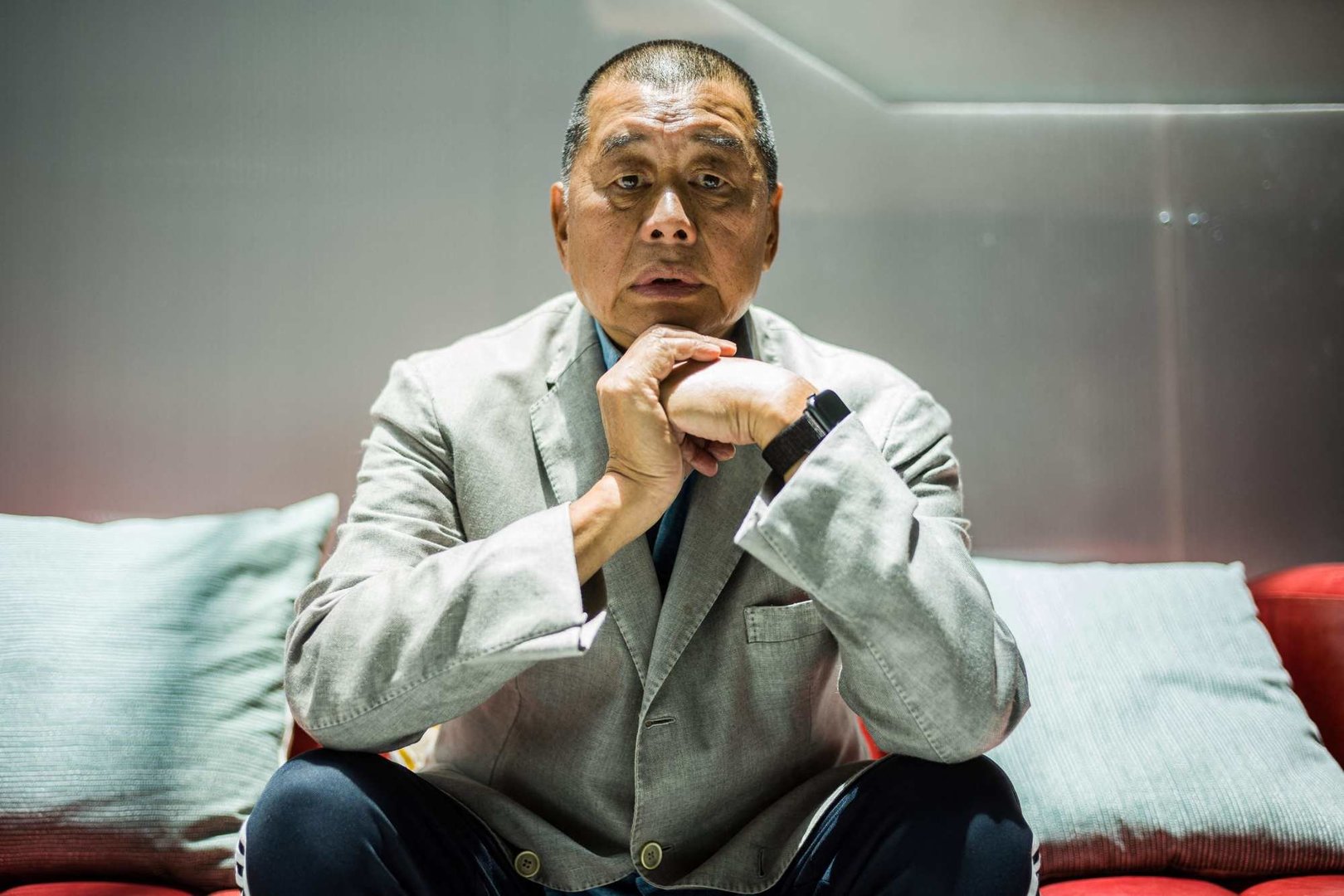
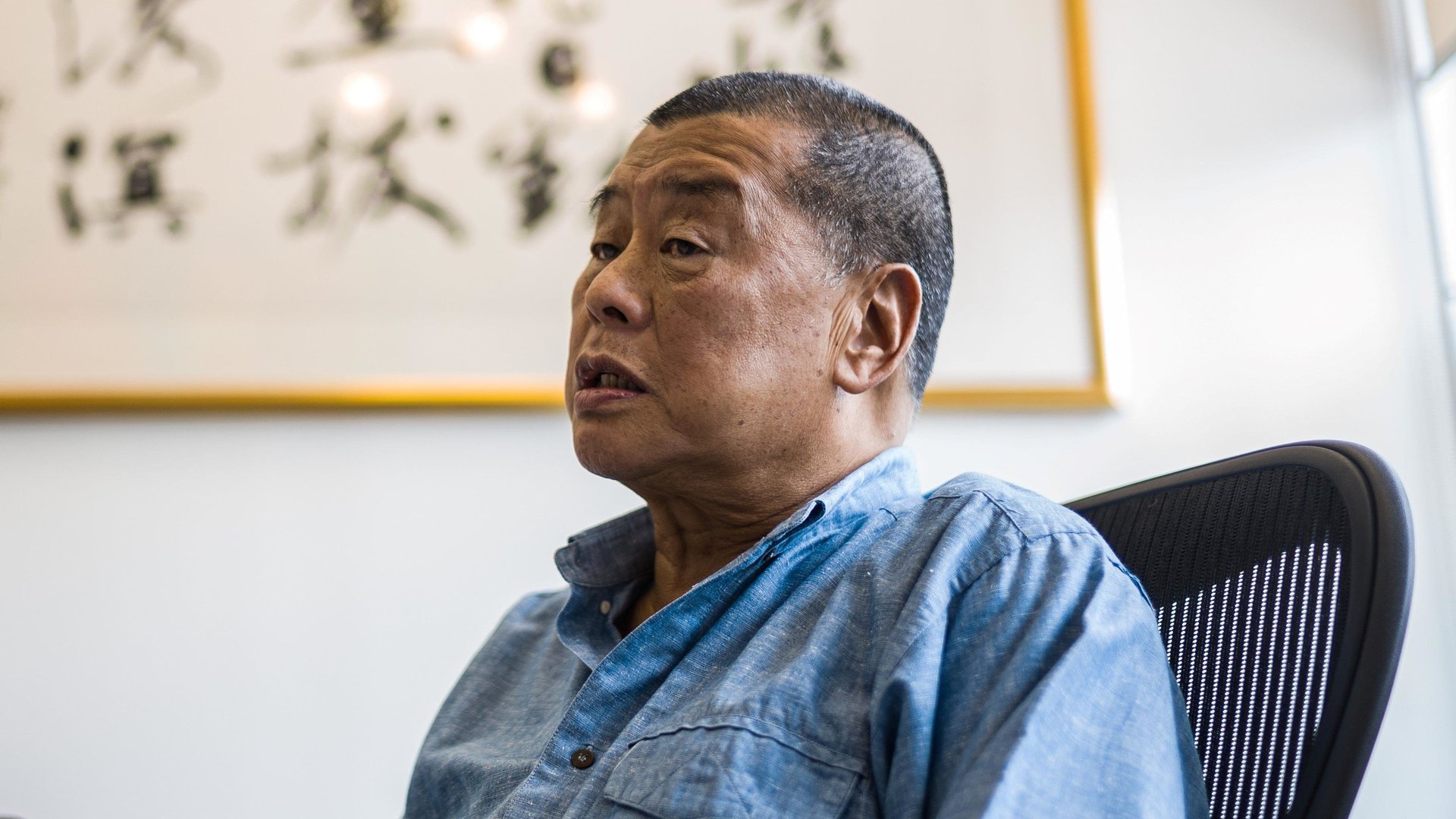
Imprisoned Hong Kong media entrepreneur Jimmy Lai has decided not to appeal his conviction and twenty-year prison sentence under the city’s national security law, bringing an end to one of the most closely watched legal cases linked to the territory’s recent political upheaval.
Lawyers representing the seventy-eight-year-old confirmed they had received clear instructions from Lai not to file an appeal against either the verdict or the sentence.
The legal team said the directive was definitive and that no further explanation had been provided for the decision.
Lai, founder of the now-defunct pro-democracy newspaper Apple Daily, was convicted in December of conspiracy to collude with foreign forces and of conspiring to publish seditious materials.
In February he was sentenced to twenty years in prison, the most severe punishment handed down so far under Hong Kong’s national security legislation.
He had pleaded not guilty to the charges.
The case followed a lengthy investigation and trial centered on allegations that Lai sought international support to pressure authorities and that articles published by his newspaper promoted seditious ideas.
Hong Kong and Beijing officials have consistently maintained that the prosecution was conducted strictly according to the law and was unrelated to press freedom or political expression.
The conviction drew global attention and prompted calls from several Western governments and advocacy groups for Lai’s release.
Supporters argue the case reflects wider concerns about civil liberties in the territory since the national security law was introduced in 2020, while Hong Kong authorities insist the law is essential for stability and public order.
Lai remains in prison despite a recent legal development in which Hong Kong’s Court of Appeal overturned a separate fraud conviction connected to lease arrangements involving his media company.
That ruling eliminated an additional prison term but did not affect the twenty-year sentence tied to the national security case.
Observers say Lai’s decision not to pursue an appeal effectively closes the domestic legal route available to challenge the conviction.
Attention may now shift toward potential diplomatic engagement or humanitarian appeals as international interest in the case continues.
For Hong Kong, the outcome marks another significant chapter in the transformation of its legal and political environment following the introduction of sweeping national security legislation aimed at safeguarding stability after the unrest of recent years.
Lawyers representing the seventy-eight-year-old confirmed they had received clear instructions from Lai not to file an appeal against either the verdict or the sentence.
The legal team said the directive was definitive and that no further explanation had been provided for the decision.
Lai, founder of the now-defunct pro-democracy newspaper Apple Daily, was convicted in December of conspiracy to collude with foreign forces and of conspiring to publish seditious materials.
In February he was sentenced to twenty years in prison, the most severe punishment handed down so far under Hong Kong’s national security legislation.
He had pleaded not guilty to the charges.
The case followed a lengthy investigation and trial centered on allegations that Lai sought international support to pressure authorities and that articles published by his newspaper promoted seditious ideas.
Hong Kong and Beijing officials have consistently maintained that the prosecution was conducted strictly according to the law and was unrelated to press freedom or political expression.
The conviction drew global attention and prompted calls from several Western governments and advocacy groups for Lai’s release.
Supporters argue the case reflects wider concerns about civil liberties in the territory since the national security law was introduced in 2020, while Hong Kong authorities insist the law is essential for stability and public order.
Lai remains in prison despite a recent legal development in which Hong Kong’s Court of Appeal overturned a separate fraud conviction connected to lease arrangements involving his media company.
That ruling eliminated an additional prison term but did not affect the twenty-year sentence tied to the national security case.
Observers say Lai’s decision not to pursue an appeal effectively closes the domestic legal route available to challenge the conviction.
Attention may now shift toward potential diplomatic engagement or humanitarian appeals as international interest in the case continues.
For Hong Kong, the outcome marks another significant chapter in the transformation of its legal and political environment following the introduction of sweeping national security legislation aimed at safeguarding stability after the unrest of recent years.