Energy prices, shipping costs and supply chain risks threaten to intensify consumer price pressures, analysts say
Hong Kong faces growing inflation risks as the escalating conflict in the Middle East unsettles global energy markets and heightens uncertainty across international trade routes, economists have warned.
The recent surge in geopolitical tensions has triggered volatility in oil prices, with crude benchmarks climbing amid fears of supply disruptions.
As a highly import-dependent economy, Hong Kong is particularly sensitive to swings in global energy and transportation costs.
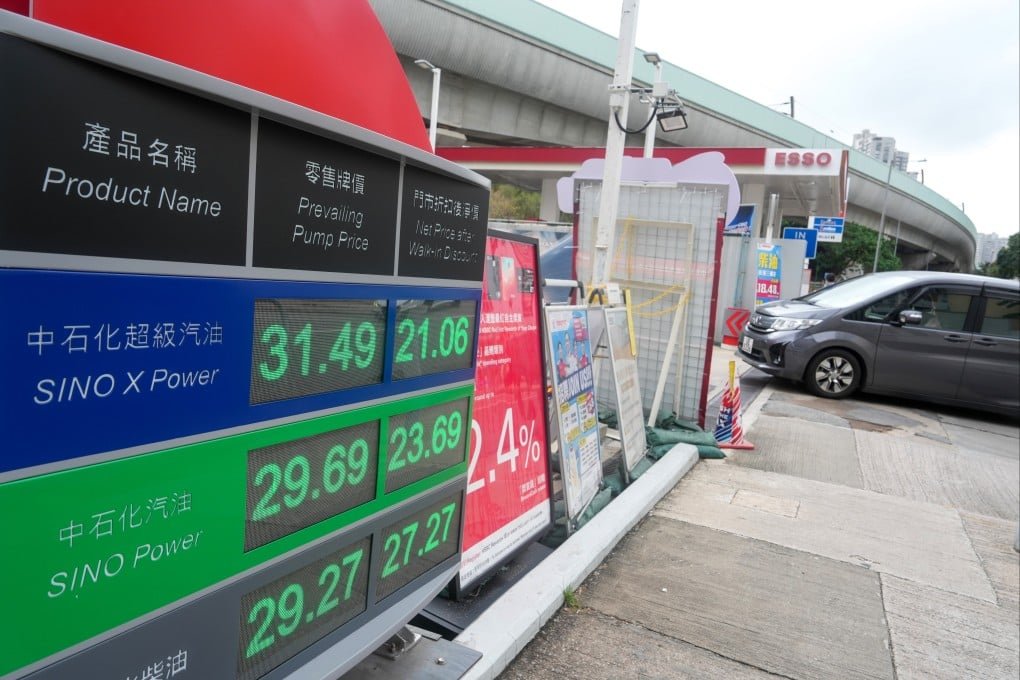
Analysts note that sustained increases in fuel prices could feed through to electricity tariffs, logistics expenses and ultimately consumer goods.
Shipping routes through key maritime corridors have also come under scrutiny as insurers reassess risk premiums and freight rates respond to heightened security concerns.
Any prolonged disruption could raise import costs for food, raw materials and manufactured products destined for the city, adding pressure to already elevated price levels.
Hong Kong’s inflation rate has remained moderate compared with some advanced economies in recent years, supported by subdued domestic demand and currency stability under the linked exchange rate system.
However, economists caution that external price shocks — particularly those tied to energy and commodities — could test that stability if conflict-driven volatility persists.
Retailers and small businesses have begun monitoring supplier contracts more closely, anticipating potential cost pass-throughs in the months ahead.
While some firms may initially absorb higher expenses to maintain competitiveness, prolonged input cost increases are likely to be reflected in consumer prices.
Financial analysts say much will depend on the duration and intensity of the Middle East conflict.
A short-lived disruption may limit inflationary spillovers, but an extended escalation affecting oil production or major shipping lanes could exert broader pressure on Asia’s import-reliant economies, including Hong Kong.
Market observers are also watching the response of central banks globally.
Any sustained rise in inflation expectations could influence monetary policy decisions elsewhere, with indirect implications for Hong Kong’s financial conditions given its currency peg to the US dollar.
For now, economists describe the situation as a rising external risk rather than an immediate inflation surge.
Nevertheless, they warn that the city’s exposure to global supply chains means that geopolitical instability abroad can translate quickly into higher costs at home if tensions intensify.
The recent surge in geopolitical tensions has triggered volatility in oil prices, with crude benchmarks climbing amid fears of supply disruptions.
As a highly import-dependent economy, Hong Kong is particularly sensitive to swings in global energy and transportation costs.
Analysts note that sustained increases in fuel prices could feed through to electricity tariffs, logistics expenses and ultimately consumer goods.
Shipping routes through key maritime corridors have also come under scrutiny as insurers reassess risk premiums and freight rates respond to heightened security concerns.
Any prolonged disruption could raise import costs for food, raw materials and manufactured products destined for the city, adding pressure to already elevated price levels.
Hong Kong’s inflation rate has remained moderate compared with some advanced economies in recent years, supported by subdued domestic demand and currency stability under the linked exchange rate system.
However, economists caution that external price shocks — particularly those tied to energy and commodities — could test that stability if conflict-driven volatility persists.
Retailers and small businesses have begun monitoring supplier contracts more closely, anticipating potential cost pass-throughs in the months ahead.
While some firms may initially absorb higher expenses to maintain competitiveness, prolonged input cost increases are likely to be reflected in consumer prices.
Financial analysts say much will depend on the duration and intensity of the Middle East conflict.
A short-lived disruption may limit inflationary spillovers, but an extended escalation affecting oil production or major shipping lanes could exert broader pressure on Asia’s import-reliant economies, including Hong Kong.
Market observers are also watching the response of central banks globally.
Any sustained rise in inflation expectations could influence monetary policy decisions elsewhere, with indirect implications for Hong Kong’s financial conditions given its currency peg to the US dollar.
For now, economists describe the situation as a rising external risk rather than an immediate inflation surge.
Nevertheless, they warn that the city’s exposure to global supply chains means that geopolitical instability abroad can translate quickly into higher costs at home if tensions intensify.