Regional markets climb as policymakers outline moderate growth goal and renewed focus on innovation and consumption
Stocks in mainland China and Hong Kong rose after Beijing unveiled its economic growth target for twenty twenty six, offering investors fresh guidance on the direction of the world’s second-largest economy.
Early trading saw gains across major benchmarks after policymakers announced a national growth objective of between four point five percent and five percent for the year.
The target, slightly lower than the roughly five percent expansion recorded the previous year, signals a shift toward more balanced and sustainable economic development.
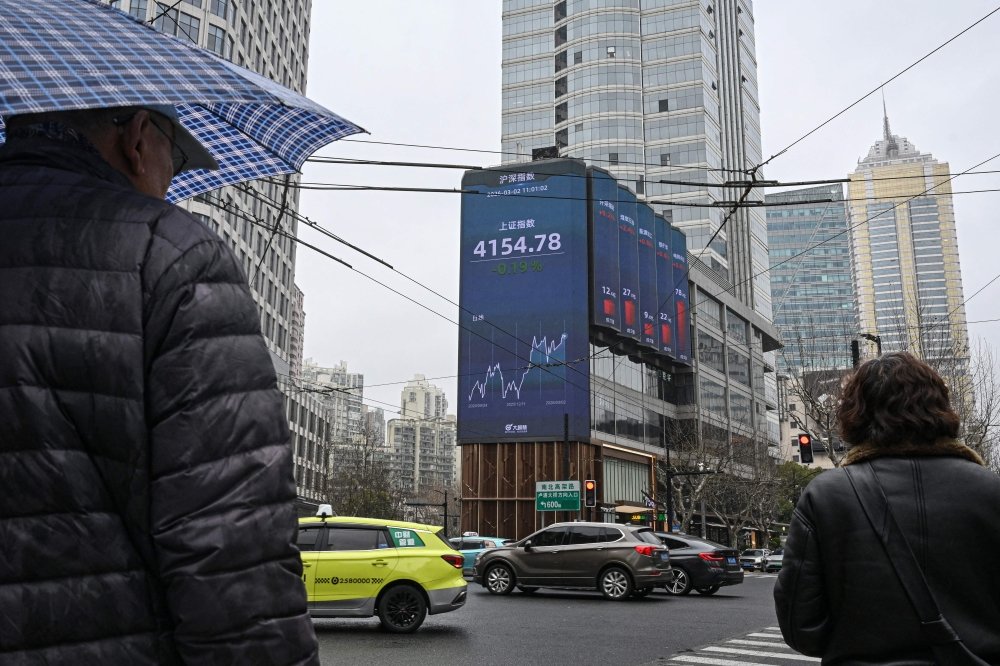
China’s blue-chip CSI three hundred index climbed nearly one percent during morning trading, while the Shanghai Composite Index advanced about zero point five percent.
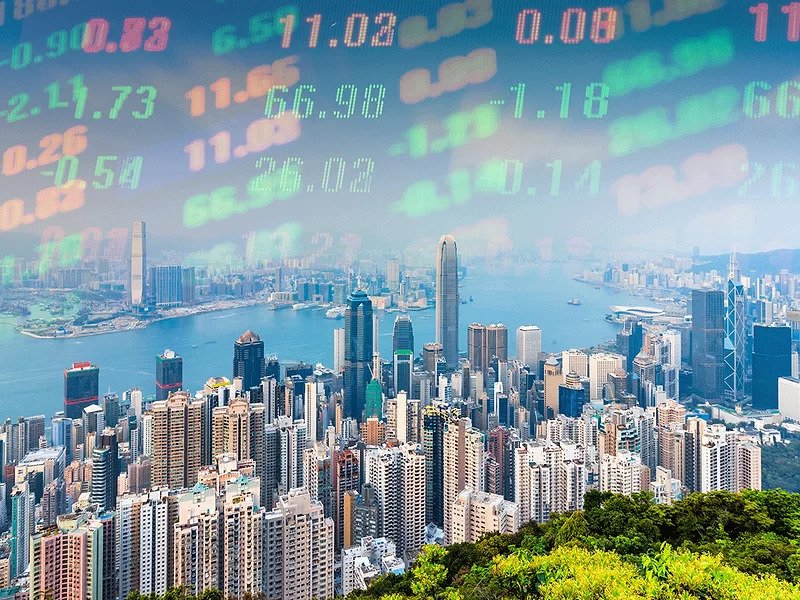
Hong Kong’s Hang Seng Index rose around one point three percent, rebounding from a six-month low recorded in the previous session.
Investors welcomed the clarity offered by Beijing’s annual policy announcements, which form part of the government’s broader economic planning cycle.
The newly announced target is accompanied by commitments to strengthen innovation, accelerate high-technology development and increase the role of household consumption in driving economic activity.
Shares connected to advanced technology were among the strongest performers as markets reacted to the policy emphasis on innovation.
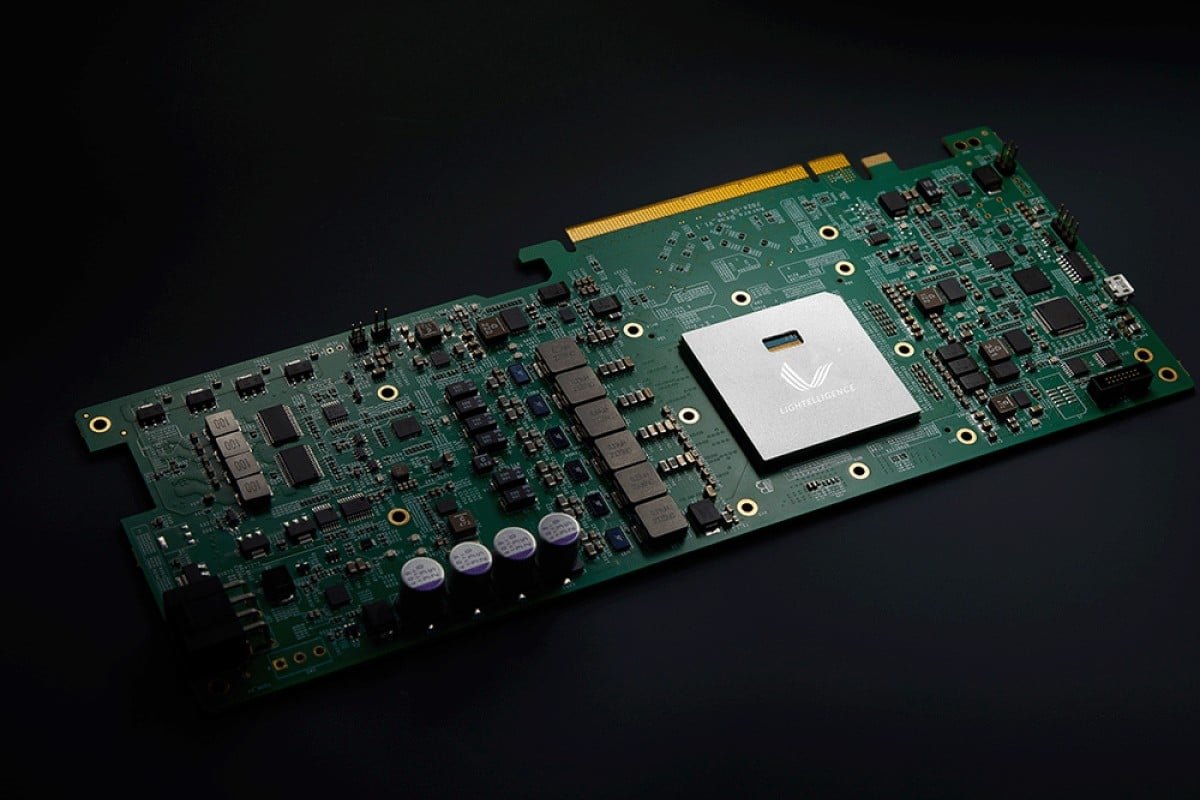
Indexes tracking artificial intelligence and semiconductor companies posted notable gains, reflecting expectations that government support for high-tech industries will continue to expand.
The growth objective also aligns with the launch of China’s fifteenth five-year plan, which outlines the country’s economic strategy through the end of the decade.
The plan prioritizes research, advanced manufacturing and technological development while seeking to rebalance the economy toward domestic consumption and higher-value industries.
Market participants interpreted the slightly moderated growth goal as a signal that policymakers intend to emphasize structural reform and long-term stability rather than short-term stimulus.
Analysts say such an approach could help address challenges including industrial overcapacity while supporting innovation-led expansion.
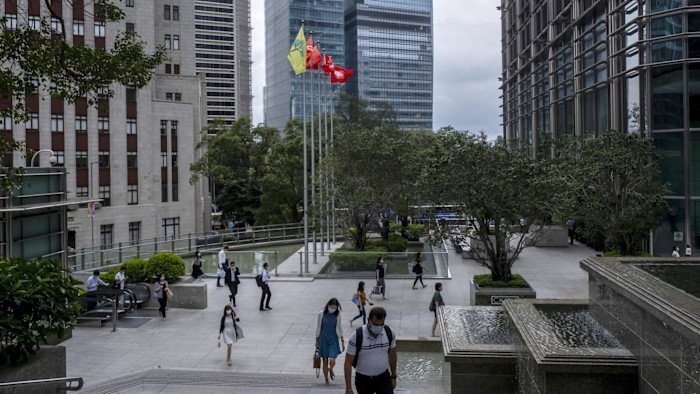
Hong Kong’s market often responds quickly to policy signals from Beijing because many major mainland companies are listed in the city and global investors use the exchange as a gateway to Chinese assets.
Positive sentiment toward mainland policy initiatives therefore tends to translate into movements across both markets.
Despite the rally, analysts say investors will continue watching economic indicators closely, particularly consumer spending, technology investment and industrial activity, to gauge how effectively policy measures translate into sustained growth.
The market reaction illustrates how closely financial markets track Beijing’s economic guidance, with investors seeking signs that policy direction will support both stability and future expansion in one of the world’s most influential economies.
Early trading saw gains across major benchmarks after policymakers announced a national growth objective of between four point five percent and five percent for the year.
The target, slightly lower than the roughly five percent expansion recorded the previous year, signals a shift toward more balanced and sustainable economic development.
China’s blue-chip CSI three hundred index climbed nearly one percent during morning trading, while the Shanghai Composite Index advanced about zero point five percent.
Hong Kong’s Hang Seng Index rose around one point three percent, rebounding from a six-month low recorded in the previous session.
Investors welcomed the clarity offered by Beijing’s annual policy announcements, which form part of the government’s broader economic planning cycle.
The newly announced target is accompanied by commitments to strengthen innovation, accelerate high-technology development and increase the role of household consumption in driving economic activity.
Shares connected to advanced technology were among the strongest performers as markets reacted to the policy emphasis on innovation.
Indexes tracking artificial intelligence and semiconductor companies posted notable gains, reflecting expectations that government support for high-tech industries will continue to expand.
The growth objective also aligns with the launch of China’s fifteenth five-year plan, which outlines the country’s economic strategy through the end of the decade.
The plan prioritizes research, advanced manufacturing and technological development while seeking to rebalance the economy toward domestic consumption and higher-value industries.
Market participants interpreted the slightly moderated growth goal as a signal that policymakers intend to emphasize structural reform and long-term stability rather than short-term stimulus.
Analysts say such an approach could help address challenges including industrial overcapacity while supporting innovation-led expansion.
Hong Kong’s market often responds quickly to policy signals from Beijing because many major mainland companies are listed in the city and global investors use the exchange as a gateway to Chinese assets.
Positive sentiment toward mainland policy initiatives therefore tends to translate into movements across both markets.
Despite the rally, analysts say investors will continue watching economic indicators closely, particularly consumer spending, technology investment and industrial activity, to gauge how effectively policy measures translate into sustained growth.
The market reaction illustrates how closely financial markets track Beijing’s economic guidance, with investors seeking signs that policy direction will support both stability and future expansion in one of the world’s most influential economies.