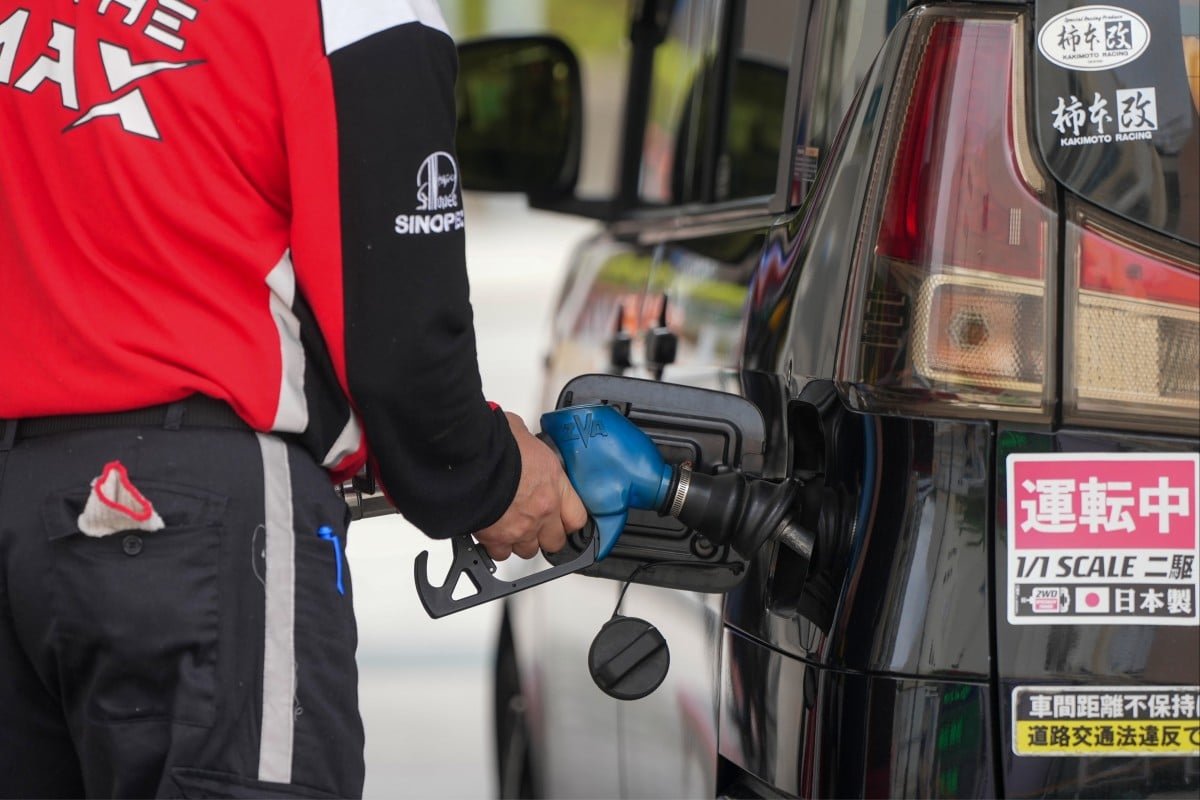
Lawmakers and consumer advocates urge authorities to examine petrol pricing after motorists complain about rising costs
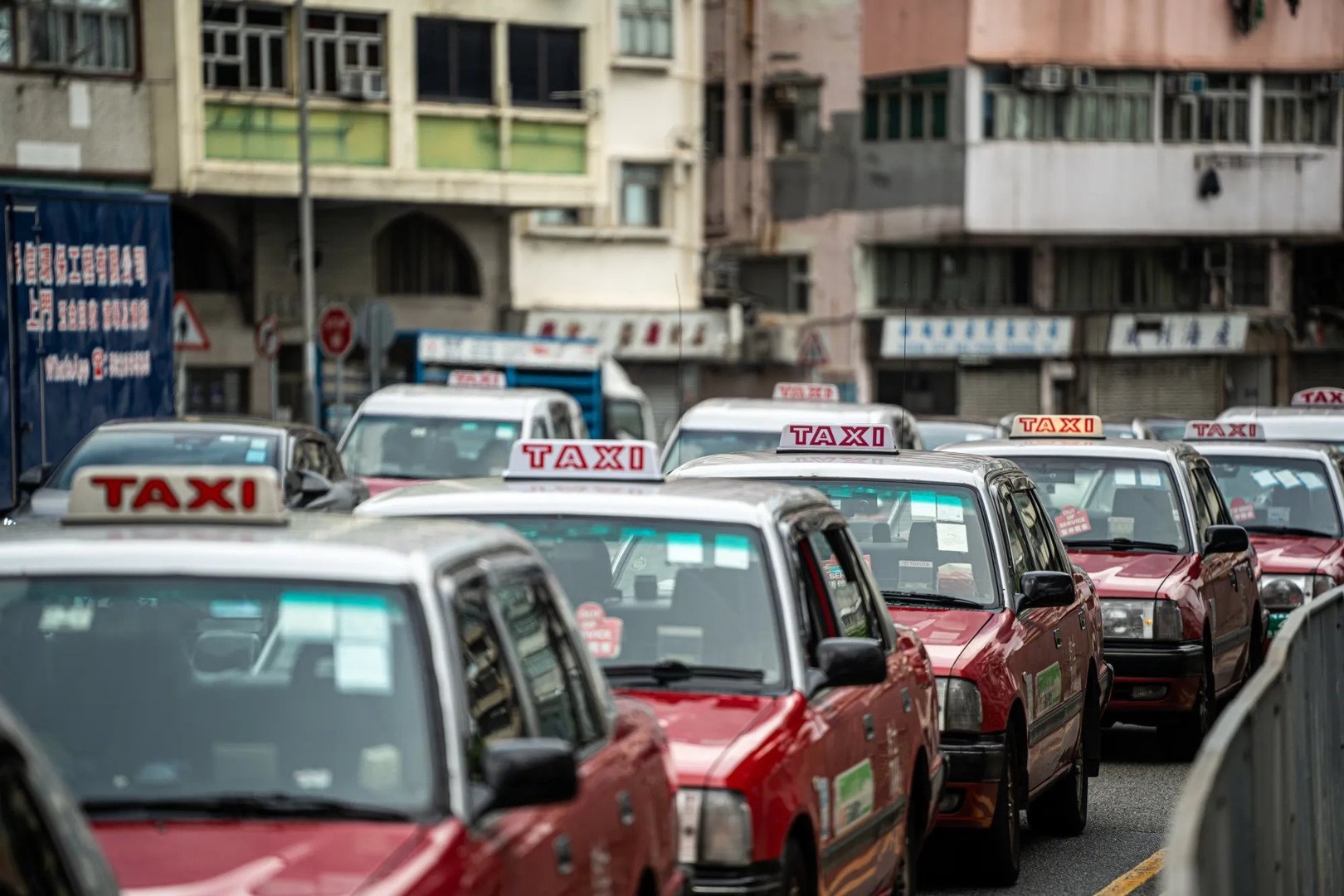
Pressure is mounting in Hong Kong for authorities to review the city’s fuel pricing practices after motorists and consumer advocates raised concerns about what they describe as steep and potentially unfair increases at petrol stations.
The issue has drawn attention from lawmakers who say the government should take a closer look at how retail fuel prices are determined.
Critics argue that pump prices in Hong Kong often remain high even when global oil prices fall, leading to suspicions that the local market may not be passing on cost reductions to consumers quickly enough.
Motorists have complained that the pace of price increases appears to outstrip declines, a pattern some observers have described as a "rockets and feathers" effect in which prices rise rapidly but fall slowly.
This has intensified calls for a clearer explanation of how fuel retailers calculate their pricing.
Several legislators have urged the government to conduct a comprehensive review of the fuel market, including the structure of supply, competition among retailers and the transparency of pricing mechanisms.
They argue that stronger oversight could help ensure that consumers are treated fairly and that the market operates efficiently.
Hong Kong’s fuel market is relatively concentrated, with a small number of major suppliers controlling a significant share of petrol station operations.
While authorities have previously said the market remains competitive, critics contend that the limited number of operators could make it easier for prices to remain elevated.
Government officials have acknowledged public concern and indicated that authorities will continue monitoring fuel price movements and market behavior.
Past reviews have concluded that the fuel sector operates within the framework of a free market, but officials have also noted that consumer transparency remains an important consideration.
Consumer groups say a fresh examination of pricing practices could help rebuild public confidence and clarify whether fuel costs in the city accurately reflect global market trends.
With transportation expenses affecting both households and businesses, the debate over fuel prices has become an increasingly prominent issue in local economic discussions.
The issue has drawn attention from lawmakers who say the government should take a closer look at how retail fuel prices are determined.
Critics argue that pump prices in Hong Kong often remain high even when global oil prices fall, leading to suspicions that the local market may not be passing on cost reductions to consumers quickly enough.
Motorists have complained that the pace of price increases appears to outstrip declines, a pattern some observers have described as a "rockets and feathers" effect in which prices rise rapidly but fall slowly.
This has intensified calls for a clearer explanation of how fuel retailers calculate their pricing.
Several legislators have urged the government to conduct a comprehensive review of the fuel market, including the structure of supply, competition among retailers and the transparency of pricing mechanisms.
They argue that stronger oversight could help ensure that consumers are treated fairly and that the market operates efficiently.
Hong Kong’s fuel market is relatively concentrated, with a small number of major suppliers controlling a significant share of petrol station operations.
While authorities have previously said the market remains competitive, critics contend that the limited number of operators could make it easier for prices to remain elevated.
Government officials have acknowledged public concern and indicated that authorities will continue monitoring fuel price movements and market behavior.
Past reviews have concluded that the fuel sector operates within the framework of a free market, but officials have also noted that consumer transparency remains an important consideration.
Consumer groups say a fresh examination of pricing practices could help rebuild public confidence and clarify whether fuel costs in the city accurately reflect global market trends.
With transportation expenses affecting both households and businesses, the debate over fuel prices has become an increasingly prominent issue in local economic discussions.