Surging gold prices linked to Middle East tensions trigger a wave of buying and selling in Hong Kong, with residents flocking to precious-metal shops to lock in profits.
Rising global gold prices driven by escalating tensions in the Middle East have sparked a fresh surge of activity in Hong Kong’s precious-metals market, with residents rushing to sell jewellery and investors stepping up purchases of bullion.
Retailers across the city reported an influx of customers seeking to cash in on the rally, while others moved to secure gold bars and pellets as a hedge against uncertainty.
Industry figures say the number of buyers doubled over a recent weekend as safe-haven demand intensified.
Spot gold has been trading close to historic highs, reaching about five thousand one hundred sixty-five dollars per ounce after surging earlier in the year.
The rally has been fuelled by geopolitical tensions and fears of wider instability across the Middle East, prompting investors worldwide to seek the relative security traditionally associated with the precious metal.
The sharp price rise has transformed ordinary jewellery counters and gold shops into bustling trading points.
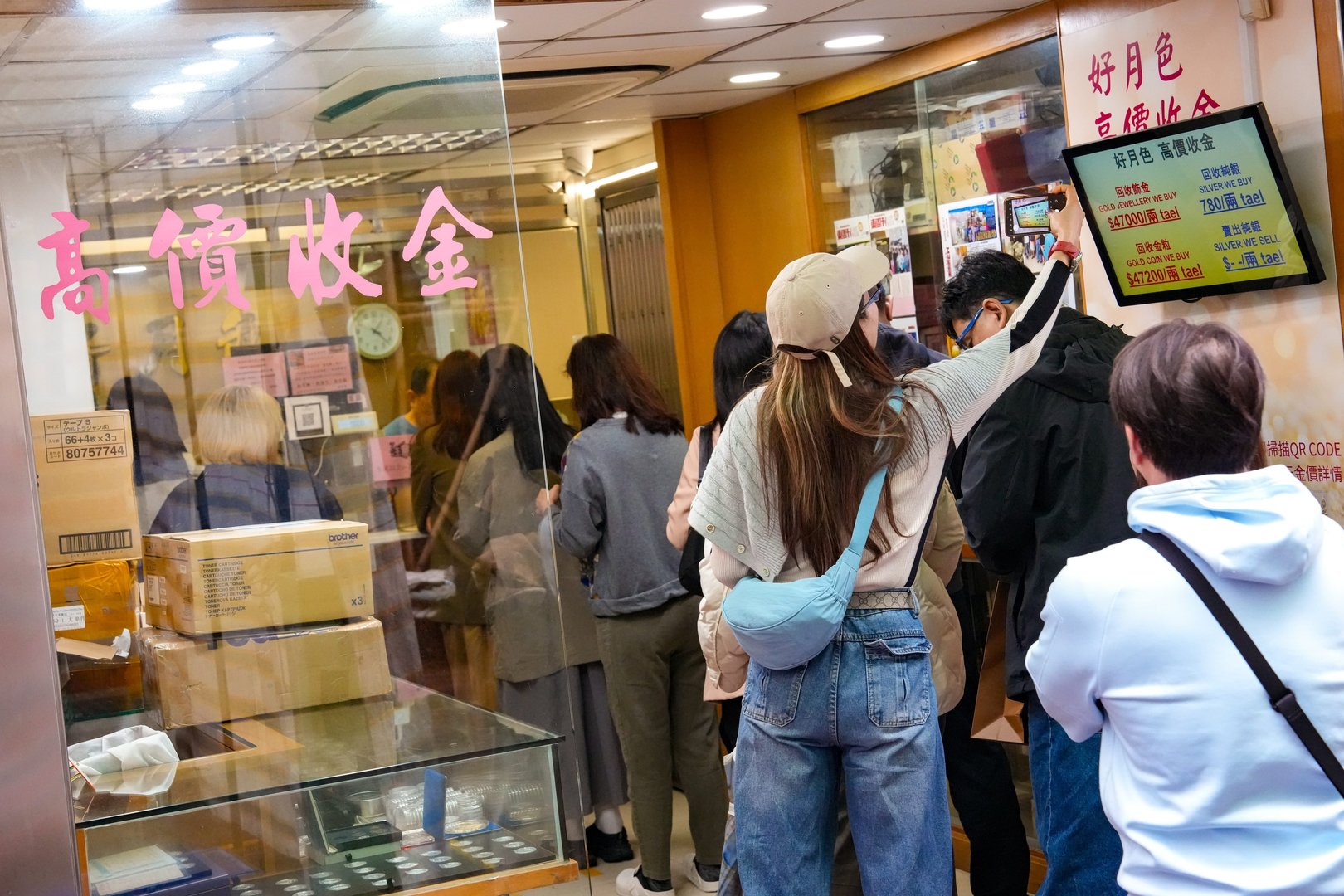
Outside several stores in Hong Kong’s urban districts, residents were seen queueing to sell necklaces, rings and bars accumulated over years, hoping to capture windfall gains.
One vegetable vendor said he expected to receive nearly three times what he originally paid for his gold items.
With prices at elevated levels, he said selling now made sense rather than holding valuables at home.
The sudden surge in activity reflects Hong Kong’s long-standing role as one of Asia’s key centres for gold trading.
The city’s open market, high liquidity and dense network of jewellery retailers allow residents to buy and sell precious metals quickly when prices move sharply.
Some traders say the rally has also encouraged speculative buying, with investors purchasing bullion in anticipation that geopolitical tensions could push prices even higher.
Others view the moment as an opportunity to liquidate long-held assets and generate extra cash.
For many residents, however, the proceeds are not destined for luxury spending but for everyday life.
Some shoppers joked that the unexpected gains meant they could now enjoy “more dim sum, more often,” reflecting how a global surge in gold prices has translated into small but welcome windfalls for ordinary households.
As long as geopolitical tensions continue to influence global markets, Hong Kong’s gold counters are likely to remain busy, illustrating how international events can ripple quickly through the city’s everyday economic life.
Retailers across the city reported an influx of customers seeking to cash in on the rally, while others moved to secure gold bars and pellets as a hedge against uncertainty.
Industry figures say the number of buyers doubled over a recent weekend as safe-haven demand intensified.
Spot gold has been trading close to historic highs, reaching about five thousand one hundred sixty-five dollars per ounce after surging earlier in the year.
The rally has been fuelled by geopolitical tensions and fears of wider instability across the Middle East, prompting investors worldwide to seek the relative security traditionally associated with the precious metal.
The sharp price rise has transformed ordinary jewellery counters and gold shops into bustling trading points.
Outside several stores in Hong Kong’s urban districts, residents were seen queueing to sell necklaces, rings and bars accumulated over years, hoping to capture windfall gains.
One vegetable vendor said he expected to receive nearly three times what he originally paid for his gold items.
With prices at elevated levels, he said selling now made sense rather than holding valuables at home.
The sudden surge in activity reflects Hong Kong’s long-standing role as one of Asia’s key centres for gold trading.
The city’s open market, high liquidity and dense network of jewellery retailers allow residents to buy and sell precious metals quickly when prices move sharply.
Some traders say the rally has also encouraged speculative buying, with investors purchasing bullion in anticipation that geopolitical tensions could push prices even higher.
Others view the moment as an opportunity to liquidate long-held assets and generate extra cash.
For many residents, however, the proceeds are not destined for luxury spending but for everyday life.
Some shoppers joked that the unexpected gains meant they could now enjoy “more dim sum, more often,” reflecting how a global surge in gold prices has translated into small but welcome windfalls for ordinary households.
As long as geopolitical tensions continue to influence global markets, Hong Kong’s gold counters are likely to remain busy, illustrating how international events can ripple quickly through the city’s everyday economic life.