Sales of ultra-luxury properties in Hong Kong jumped 156% in the first quarter, driven by rising wealth effects, mainland Chinese capital inflows, and renewed appetite for trophy assets despite a fragmented recovery in the broader housing market.
The recovery in Hong Kong’s ultra-luxury residential property market is being driven by a structural shift in high-net-worth capital allocation, with investors increasingly rotating wealth from equities into scarce, high-end real estate assets.
What is confirmed is that transactions for homes valued above HK$100 million rose sharply in the first quarter of 2026 compared with the same period a year earlier, with sales increasing by about 156%.
The total number of such deals reached 64, while the aggregate value of transactions more than doubled.
The expansion reflects renewed activity at the very top end of the market after a prolonged downturn triggered by higher interest rates and weak sentiment in previous years.
The underlying mechanism is a combination of improved financial-market performance and stabilizing borrowing conditions.
Wealth effects from equity gains have increased liquidity among affluent buyers, particularly in Asia’s financial elite.
This has encouraged a reallocation of capital into property, which is viewed not only as housing but as a store of wealth and status-preserving asset class.
Lower mortgage uncertainty compared with earlier tightening cycles has also contributed to improved transaction confidence.
Buyer composition is central to the current dynamic.
Mainland Chinese investors continue to play a major role, alongside local wealthy families and international buyers.
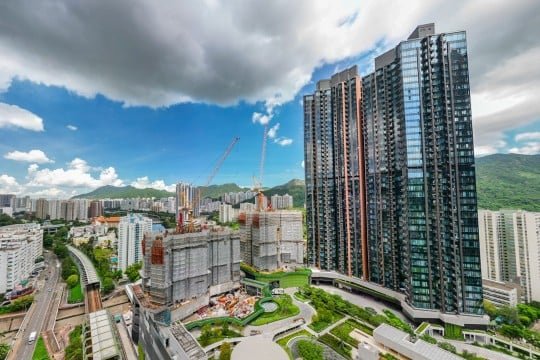
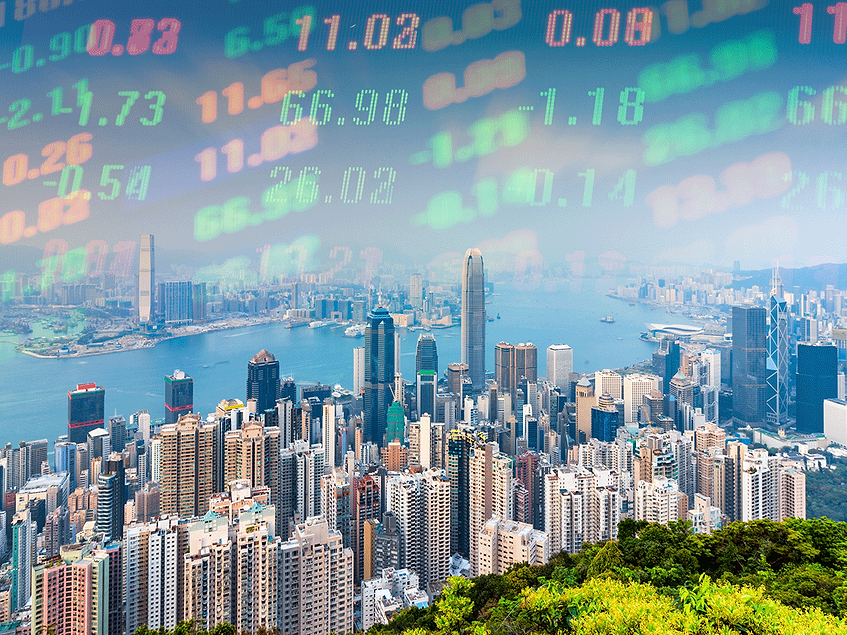
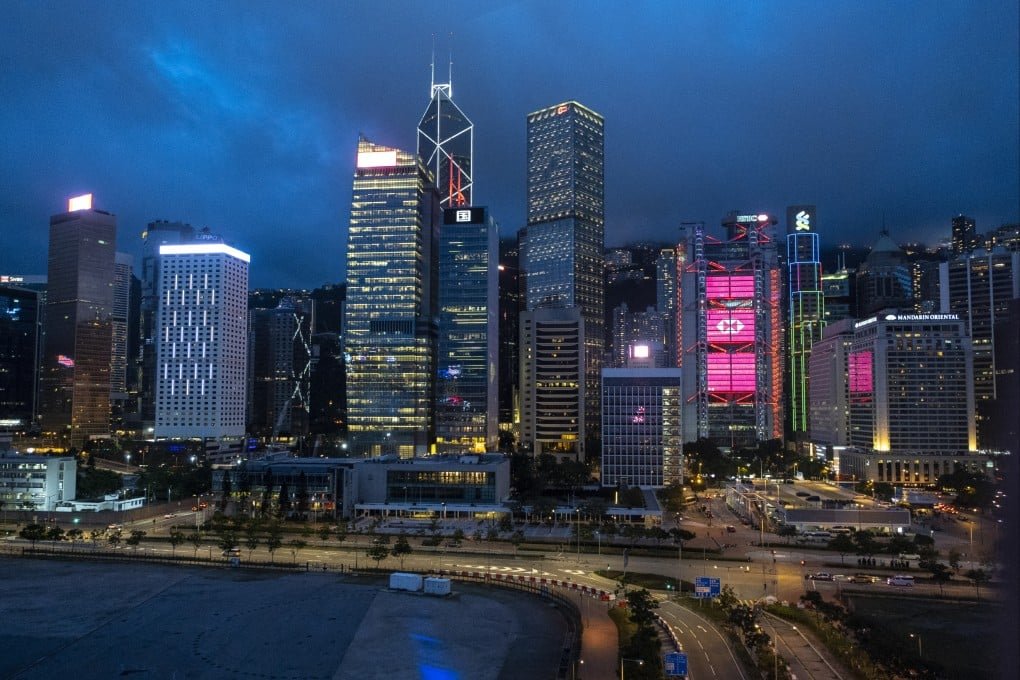
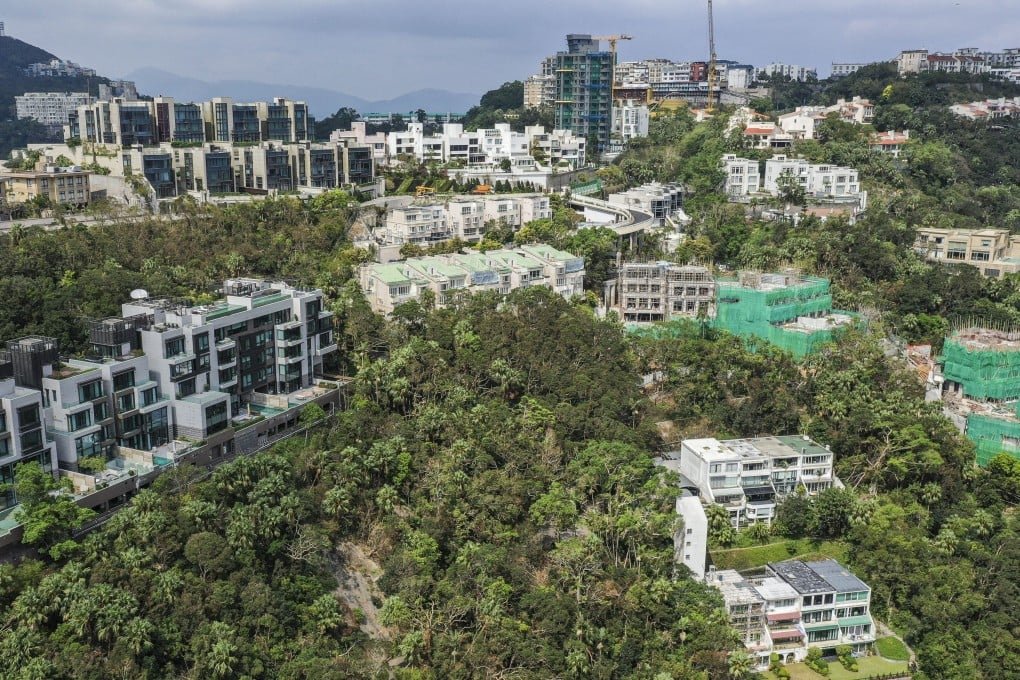
In the luxury segment, demand is concentrated in rare, high-quality assets—properties in elite districts such as The Peak and southern Hong Kong Island—where scarcity and prestige matter more than general price levels.
In some cases, mainland buyers are estimated to account for a significant share of transactions in this segment, although exact proportions vary by dataset and remain partially opaque due to limited disclosure of buyer nationality.
Despite the surge in luxury activity, the broader market remains uneven.
Mid-tier and mass residential segments have not experienced the same level of recovery, and pricing across the wider market is still adjusting after a multi-year correction from previous peaks.
This divergence underscores that the current rebound is not a general housing boom but a concentration of capital at the top end.
Analysts describe the market environment as selective rather than broadly inflationary.
Buyers are prioritizing properties with structural scarcity—prime views, low density, strong privacy, and established prestige addresses—while less distinctive luxury units face longer selling periods and more negotiation pressure.
This bifurcation suggests that liquidity is returning unevenly, flowing first into assets with the strongest long-term desirability.
Policy and macroeconomic conditions remain important background factors.
Hong Kong’s currency peg to the US dollar means interest rate expectations remain linked to US monetary policy, affecting financing costs for property purchases.
At the same time, recent policy adjustments aimed at supporting the property sector have helped stabilize sentiment, but have not eliminated structural constraints such as affordability pressures and uneven economic recovery.
The result is a market defined by two simultaneous realities: a sharp rebound in ultra-luxury demand driven by global and regional wealth accumulation, and a still-fragile broader housing market adjusting to higher financing costs and shifting demand patterns.
The current cycle is therefore less a uniform recovery than a re-pricing of scarcity at the very top of Hong Kong’s property hierarchy.
What is confirmed is that transactions for homes valued above HK$100 million rose sharply in the first quarter of 2026 compared with the same period a year earlier, with sales increasing by about 156%.
The total number of such deals reached 64, while the aggregate value of transactions more than doubled.
The expansion reflects renewed activity at the very top end of the market after a prolonged downturn triggered by higher interest rates and weak sentiment in previous years.
The underlying mechanism is a combination of improved financial-market performance and stabilizing borrowing conditions.
Wealth effects from equity gains have increased liquidity among affluent buyers, particularly in Asia’s financial elite.
This has encouraged a reallocation of capital into property, which is viewed not only as housing but as a store of wealth and status-preserving asset class.
Lower mortgage uncertainty compared with earlier tightening cycles has also contributed to improved transaction confidence.
Buyer composition is central to the current dynamic.
Mainland Chinese investors continue to play a major role, alongside local wealthy families and international buyers.
In the luxury segment, demand is concentrated in rare, high-quality assets—properties in elite districts such as The Peak and southern Hong Kong Island—where scarcity and prestige matter more than general price levels.
In some cases, mainland buyers are estimated to account for a significant share of transactions in this segment, although exact proportions vary by dataset and remain partially opaque due to limited disclosure of buyer nationality.
Despite the surge in luxury activity, the broader market remains uneven.
Mid-tier and mass residential segments have not experienced the same level of recovery, and pricing across the wider market is still adjusting after a multi-year correction from previous peaks.
This divergence underscores that the current rebound is not a general housing boom but a concentration of capital at the top end.
Analysts describe the market environment as selective rather than broadly inflationary.
Buyers are prioritizing properties with structural scarcity—prime views, low density, strong privacy, and established prestige addresses—while less distinctive luxury units face longer selling periods and more negotiation pressure.
This bifurcation suggests that liquidity is returning unevenly, flowing first into assets with the strongest long-term desirability.
Policy and macroeconomic conditions remain important background factors.
Hong Kong’s currency peg to the US dollar means interest rate expectations remain linked to US monetary policy, affecting financing costs for property purchases.
At the same time, recent policy adjustments aimed at supporting the property sector have helped stabilize sentiment, but have not eliminated structural constraints such as affordability pressures and uneven economic recovery.
The result is a market defined by two simultaneous realities: a sharp rebound in ultra-luxury demand driven by global and regional wealth accumulation, and a still-fragile broader housing market adjusting to higher financing costs and shifting demand patterns.
The current cycle is therefore less a uniform recovery than a re-pricing of scarcity at the very top of Hong Kong’s property hierarchy.