More than 5,000 applications highlight strong demand for cross-border car access despite tight quotas and phased rollout
A government-run cross-border transport scheme linking Hong Kong and mainland China is driving a sharp rise in applications from Guangdong motorists, with more than 5,000 drivers signing up within months of its launch.
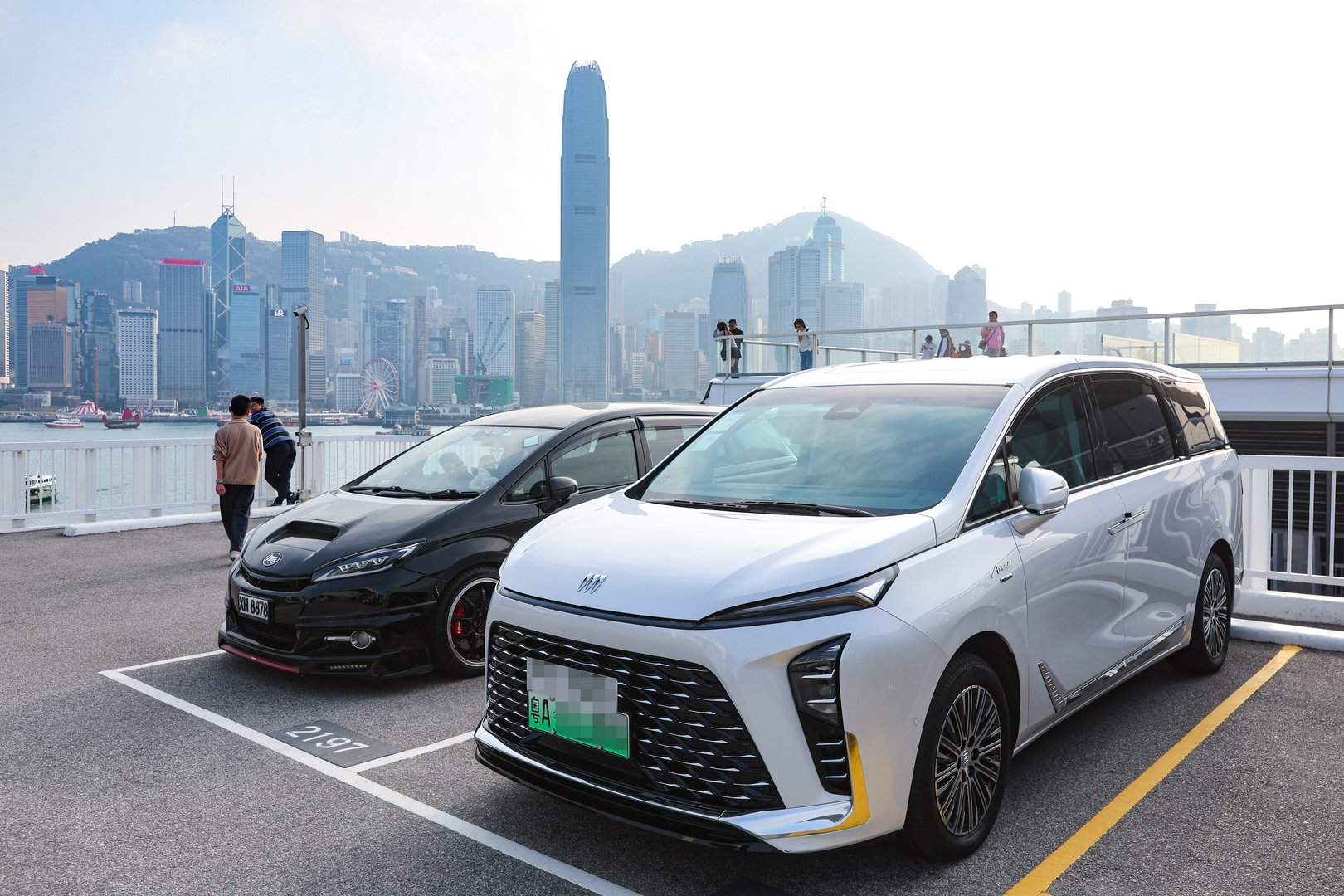
What is confirmed is that the “Southbound Travel for Guangdong Vehicles” scheme, introduced at the end of 2025, allows approved private cars from selected Guangdong cities to enter Hong Kong via the Hong Kong–Zhuhai–Macao Bridge.
The programme operates under strict controls, including a daily quota of 100 vehicles and a maximum stay of three days per trip, reflecting a cautious, pilot-phase rollout.
The mechanism is deliberately constrained.
Applicants must secure advance bookings, pass vehicle inspections, obtain Hong Kong insurance coverage, and comply with local licensing and toll systems.
Only motorists from an initial group of cities—including Guangzhou, Zhuhai, Zhongshan and Jiangmen—are eligible in the first phase, with expansion planned after an initial trial period.
The scale of demand is outpacing early expectations.
Within weeks of launch, thousands of applications were submitted, with a smaller portion converting into confirmed bookings due to the quota system.
The figure has now surpassed 5,000 sign-ups, indicating sustained interest rather than a one-off surge linked to holiday travel periods.
Early usage data shows hundreds of vehicles successfully entering the city, particularly during peak travel windows such as Lunar New Year.
The scheme is the reciprocal counterpart to the “Northbound Travel for Hong Kong Vehicles” programme introduced in 2023, which enabled Hong Kong drivers to enter Guangdong.
That earlier scheme attracted more than 100,000 participating vehicles and significantly increased traffic across the Hong Kong–Zhuhai–Macao Bridge, providing a working model for two-way private car travel within the Greater Bay Area.
The key issue is integration.
The southbound scheme is designed to deepen economic and social links between Hong Kong and mainland cities in the Greater Bay Area by lowering barriers to short-term travel.
Officials expect it to stimulate tourism, retail spending, and business exchanges by making Hong Kong more accessible to mainland visitors who prefer private transport over group tours or public transit.
However, the controlled rollout reflects operational and regulatory sensitivities.
Hong Kong’s dense urban environment, left-hand traffic system, and stricter road regulations require mainland drivers to adapt quickly.
Authorities have emphasized enforcement parity, meaning visiting drivers are subject to the same legal standards as local motorists, including traffic laws and penalties.
There are also infrastructure considerations.
The scheme relies heavily on the Hong Kong–Zhuhai–Macao Bridge as a single entry corridor, and authorities have tied expansion to the system’s ability to manage traffic flow, border processing, and urban congestion.
The low daily quota functions as both a safety valve and a testing mechanism for scaling the programme without overwhelming city roads.
The rapid accumulation of applications underscores a structural shift rather than a temporary spike in interest.
Private car travel offers flexibility and status that public transport does not, particularly for cross-border family visits and short business trips.
That demand aligns with broader policy goals to integrate the Greater Bay Area into a more unified economic zone.
The next phase of the scheme will hinge on gradual quota increases and geographic expansion, with authorities using early data to refine enforcement, infrastructure capacity, and administrative processes.
The immediate consequence is clear: cross-border private vehicle travel between Hong Kong and Guangdong is moving from a controlled experiment toward a scalable regional mobility system.
What is confirmed is that the “Southbound Travel for Guangdong Vehicles” scheme, introduced at the end of 2025, allows approved private cars from selected Guangdong cities to enter Hong Kong via the Hong Kong–Zhuhai–Macao Bridge.
The programme operates under strict controls, including a daily quota of 100 vehicles and a maximum stay of three days per trip, reflecting a cautious, pilot-phase rollout.
The mechanism is deliberately constrained.
Applicants must secure advance bookings, pass vehicle inspections, obtain Hong Kong insurance coverage, and comply with local licensing and toll systems.
Only motorists from an initial group of cities—including Guangzhou, Zhuhai, Zhongshan and Jiangmen—are eligible in the first phase, with expansion planned after an initial trial period.
The scale of demand is outpacing early expectations.
Within weeks of launch, thousands of applications were submitted, with a smaller portion converting into confirmed bookings due to the quota system.
The figure has now surpassed 5,000 sign-ups, indicating sustained interest rather than a one-off surge linked to holiday travel periods.
Early usage data shows hundreds of vehicles successfully entering the city, particularly during peak travel windows such as Lunar New Year.
The scheme is the reciprocal counterpart to the “Northbound Travel for Hong Kong Vehicles” programme introduced in 2023, which enabled Hong Kong drivers to enter Guangdong.
That earlier scheme attracted more than 100,000 participating vehicles and significantly increased traffic across the Hong Kong–Zhuhai–Macao Bridge, providing a working model for two-way private car travel within the Greater Bay Area.
The key issue is integration.
The southbound scheme is designed to deepen economic and social links between Hong Kong and mainland cities in the Greater Bay Area by lowering barriers to short-term travel.
Officials expect it to stimulate tourism, retail spending, and business exchanges by making Hong Kong more accessible to mainland visitors who prefer private transport over group tours or public transit.
However, the controlled rollout reflects operational and regulatory sensitivities.
Hong Kong’s dense urban environment, left-hand traffic system, and stricter road regulations require mainland drivers to adapt quickly.
Authorities have emphasized enforcement parity, meaning visiting drivers are subject to the same legal standards as local motorists, including traffic laws and penalties.
There are also infrastructure considerations.
The scheme relies heavily on the Hong Kong–Zhuhai–Macao Bridge as a single entry corridor, and authorities have tied expansion to the system’s ability to manage traffic flow, border processing, and urban congestion.
The low daily quota functions as both a safety valve and a testing mechanism for scaling the programme without overwhelming city roads.
The rapid accumulation of applications underscores a structural shift rather than a temporary spike in interest.
Private car travel offers flexibility and status that public transport does not, particularly for cross-border family visits and short business trips.
That demand aligns with broader policy goals to integrate the Greater Bay Area into a more unified economic zone.
The next phase of the scheme will hinge on gradual quota increases and geographic expansion, with authorities using early data to refine enforcement, infrastructure capacity, and administrative processes.
The immediate consequence is clear: cross-border private vehicle travel between Hong Kong and Guangdong is moving from a controlled experiment toward a scalable regional mobility system.