The English Schools Foundation strengthens its financial buffer while navigating reduced government support and rising pressure on international school funding models.
SYSTEM-DRIVEN: EDUCATION FINANCING AND PUBLIC-SUBSIDY FRAMEWORK
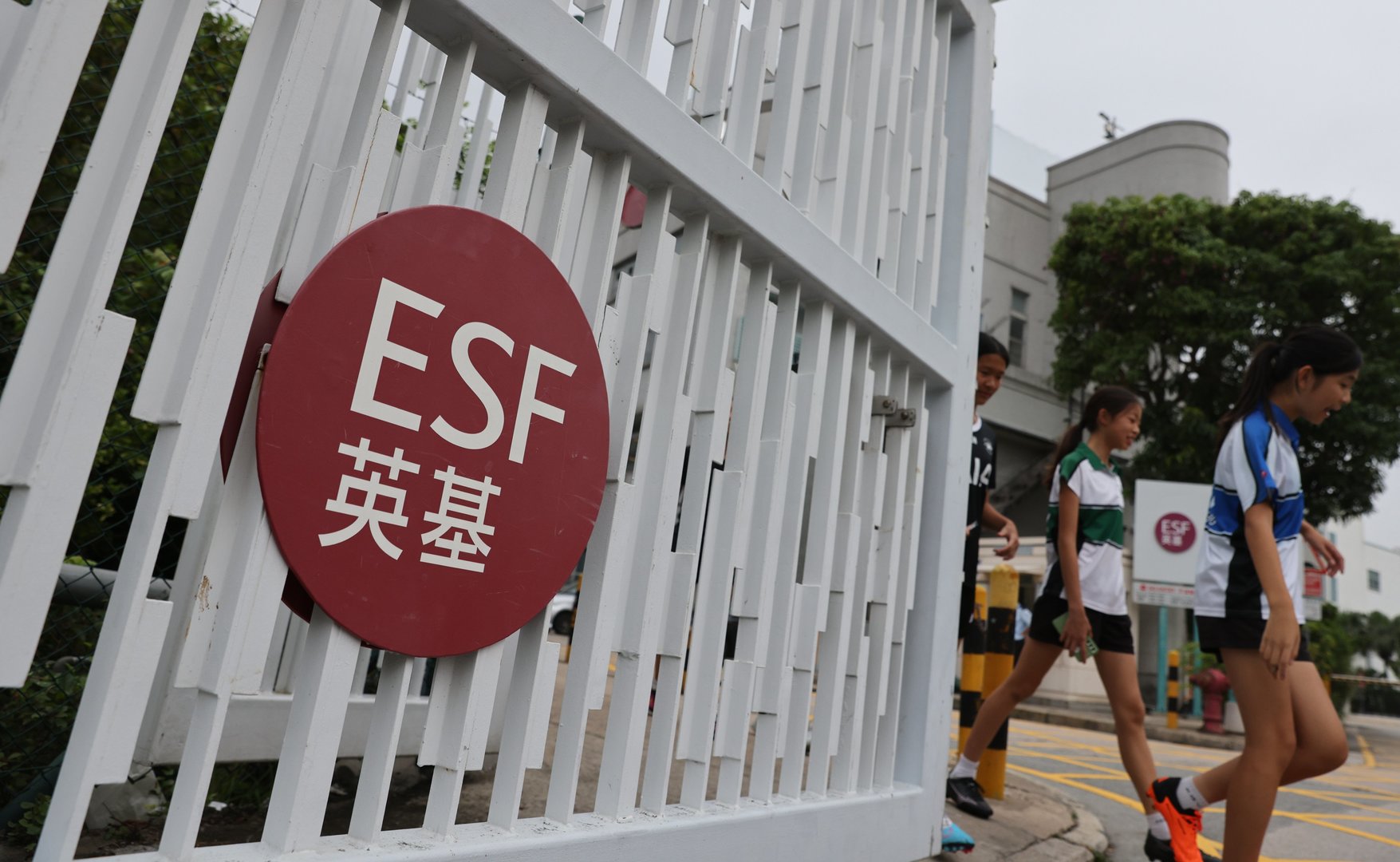
The English Schools Foundation, Hong Kong’s largest operator of English-medium international schools, has accumulated reserves of about HK$3.75 billion even as public subsidies from the government continue to shrink.
What is confirmed is that ESF operates a network of international schools serving tens of thousands of students, funded through a combination of tuition fees, government subsidies, and internally generated surpluses.
Its financial position is unusually strong for an education provider, with significant accumulated reserves that act as a long-term buffer for operational stability and infrastructure investment.
The reduction in government subsidies forms the structural backdrop of this development.
Over time, ESF has transitioned from a heavily subsidized quasi-public education provider into a more financially self-sustaining institution that relies increasingly on tuition income.
This shift has altered how costs are distributed between families, the organization, and public funding.
The key issue is the changing balance between public support and private funding in Hong Kong’s international education system.
As subsidies decline, institutions like ESF must either adjust tuition fees, draw on reserves, or restructure operational spending to maintain service levels across campuses, staffing, and educational programs.
The size of the reserve provides ESF with a significant degree of financial flexibility.
In practical terms, it allows the organization to manage fluctuations in enrollment, absorb cost pressures from inflation, and fund capital projects such as school expansions and facility upgrades without immediate reliance on external funding.
At the same time, the accumulation of large reserves within a publicly supported education framework raises broader policy questions about the role of subsidies.
When government funding is reduced while institutional reserves grow, it can prompt scrutiny over how effectively public resources are being allocated and whether funding structures reflect current operational realities.
For families, the financial structure of ESF has direct consequences through tuition levels and fee adjustments.
As subsidies decrease, schools may face greater pressure to pass costs onto parents, particularly in a high-demand international education market where capacity constraints already influence pricing.
The broader implication is a gradual normalization of self-funded international schooling models in Hong Kong.
Institutions that once relied more heavily on public support are increasingly operating as financially independent entities, with reserve accumulation serving as a stabilizing mechanism in a competitive education environment.
This shift reflects a wider trend in global education systems where hybrid public-private funding models are being rebalanced, placing greater emphasis on institutional financial sustainability and long-term reserve management as core components of school governance.
The English Schools Foundation, Hong Kong’s largest operator of English-medium international schools, has accumulated reserves of about HK$3.75 billion even as public subsidies from the government continue to shrink.
What is confirmed is that ESF operates a network of international schools serving tens of thousands of students, funded through a combination of tuition fees, government subsidies, and internally generated surpluses.
Its financial position is unusually strong for an education provider, with significant accumulated reserves that act as a long-term buffer for operational stability and infrastructure investment.
The reduction in government subsidies forms the structural backdrop of this development.
Over time, ESF has transitioned from a heavily subsidized quasi-public education provider into a more financially self-sustaining institution that relies increasingly on tuition income.
This shift has altered how costs are distributed between families, the organization, and public funding.
The key issue is the changing balance between public support and private funding in Hong Kong’s international education system.
As subsidies decline, institutions like ESF must either adjust tuition fees, draw on reserves, or restructure operational spending to maintain service levels across campuses, staffing, and educational programs.
The size of the reserve provides ESF with a significant degree of financial flexibility.
In practical terms, it allows the organization to manage fluctuations in enrollment, absorb cost pressures from inflation, and fund capital projects such as school expansions and facility upgrades without immediate reliance on external funding.
At the same time, the accumulation of large reserves within a publicly supported education framework raises broader policy questions about the role of subsidies.
When government funding is reduced while institutional reserves grow, it can prompt scrutiny over how effectively public resources are being allocated and whether funding structures reflect current operational realities.
For families, the financial structure of ESF has direct consequences through tuition levels and fee adjustments.
As subsidies decrease, schools may face greater pressure to pass costs onto parents, particularly in a high-demand international education market where capacity constraints already influence pricing.
The broader implication is a gradual normalization of self-funded international schooling models in Hong Kong.
Institutions that once relied more heavily on public support are increasingly operating as financially independent entities, with reserve accumulation serving as a stabilizing mechanism in a competitive education environment.
This shift reflects a wider trend in global education systems where hybrid public-private funding models are being rebalanced, placing greater emphasis on institutional financial sustainability and long-term reserve management as core components of school governance.