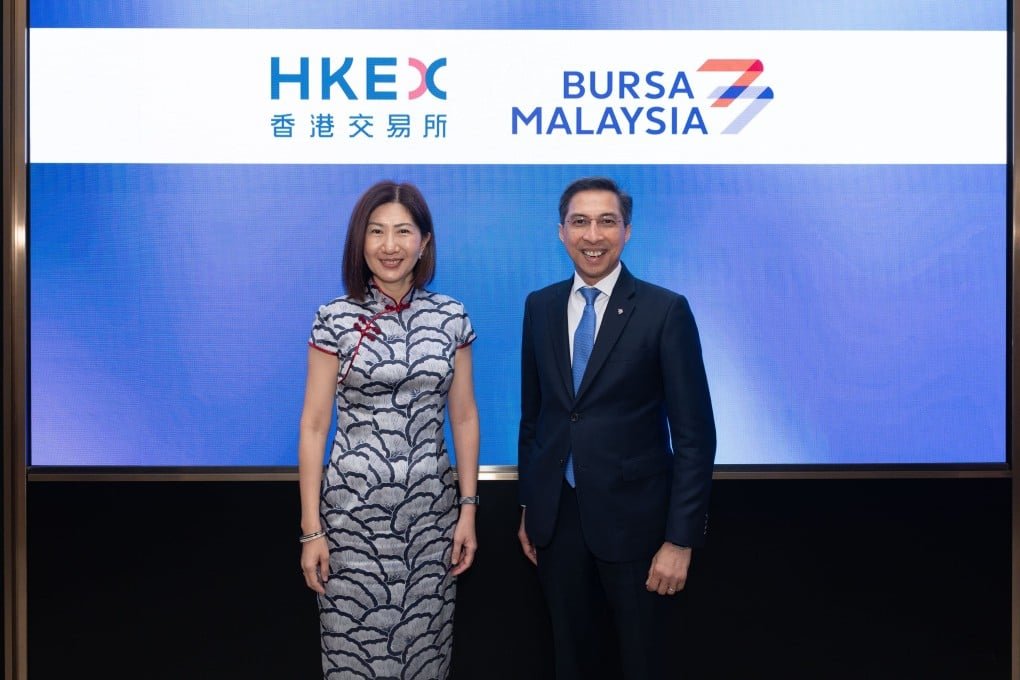
A new agreement between Hong Kong’s exchange operator and Malaysia’s stock market infrastructure is designed to expand cross-border listings, liquidity links, and regional capital flows across Southeast Asia.
SYSTEM-DRIVEN: CAPITAL MARKET INFRASTRUCTURE AND REGIONAL INTEGRATION
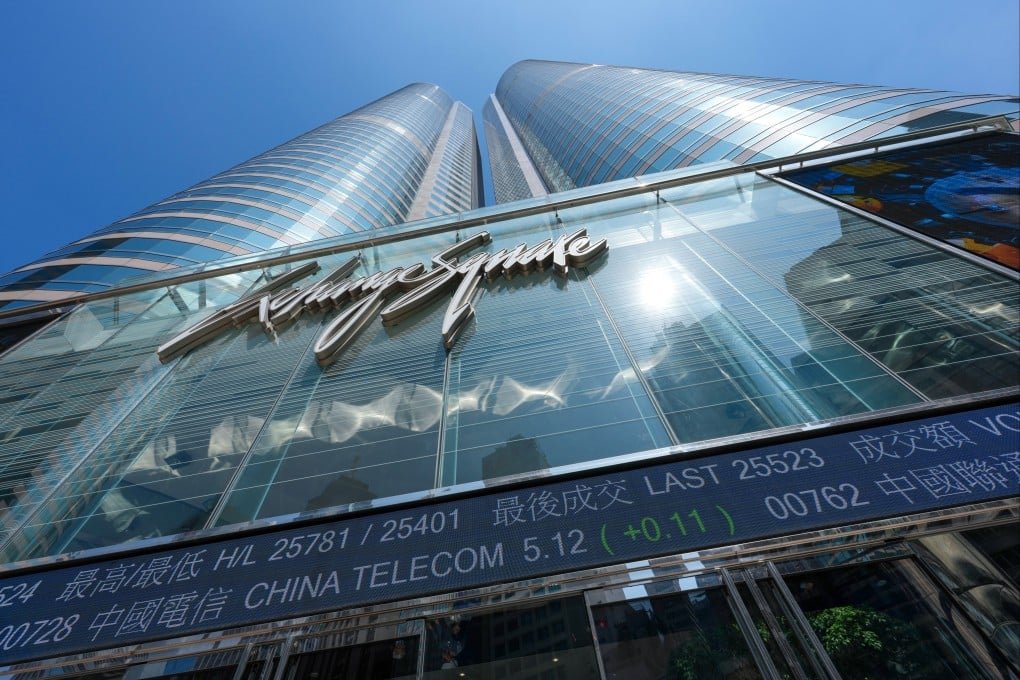
A formal cooperation agreement between Hong Kong’s stock exchange operator and Malaysia’s capital market authorities is reshaping how equity markets in the region connect, with a focus on improving cross-border access for companies and investors across Southeast Asia.
What is confirmed is that the agreement is structured as a partnership framework between the two market operators to strengthen collaboration in areas such as listings, product development, and market connectivity.
The initiative is positioned as part of a broader effort to deepen financial integration between Hong Kong as a major international financial hub and Southeast Asia’s rapidly growing capital markets.
The mechanism behind such pacts typically involves coordinated efforts to reduce friction in cross-listing processes, encourage dual-market participation, and explore shared financial products that can be traded across jurisdictions.
While each market retains its own regulatory authority, the agreement creates institutional pathways for closer alignment in how capital is raised and deployed.
The key issue is not symbolic cooperation, but structural access.
Hong Kong serves as a gateway for Chinese and international capital, while Malaysia represents one of Southeast Asia’s more developed and internationally open equity markets.
Linking these systems more tightly allows companies in the region to tap deeper pools of liquidity and gives investors broader access to growth markets across multiple economies.
This type of arrangement reflects a wider regional trend.
Southeast Asia has become an increasingly important destination for equity financing as global supply chains diversify and multinational companies expand manufacturing and infrastructure investment in the region.
At the same time, Hong Kong has been working to reinforce its role as a cross-border capital hub amid shifting global financial flows.
For companies, the practical implication is expanded optionality in fundraising.
Firms may gain more flexible access to dual listings or cross-market investor bases, potentially reducing dependency on a single domestic exchange.
For investors, the benefit lies in improved access to regional growth sectors, including technology, consumer markets, and infrastructure development.
The agreement also signals competitive positioning among financial centers.
As global capital markets fragment into more regionalized networks, exchanges are increasingly forming bilateral or multilateral links to maintain relevance and attract listings.
These partnerships are designed to preserve liquidity depth while expanding geographic reach.
If fully implemented through operational mechanisms such as joint products or streamlined listing processes, the pact could gradually shift how capital flows between Hong Kong and Southeast Asia.
Rather than isolated national markets, the region would move toward a more interconnected equity ecosystem with shared access points for issuers and investors.
The broader consequence is a steady institutional convergence of Asian capital markets, where regulatory cooperation and exchange-level partnerships play a growing role in determining how efficiently capital moves across borders.
A formal cooperation agreement between Hong Kong’s stock exchange operator and Malaysia’s capital market authorities is reshaping how equity markets in the region connect, with a focus on improving cross-border access for companies and investors across Southeast Asia.
What is confirmed is that the agreement is structured as a partnership framework between the two market operators to strengthen collaboration in areas such as listings, product development, and market connectivity.
The initiative is positioned as part of a broader effort to deepen financial integration between Hong Kong as a major international financial hub and Southeast Asia’s rapidly growing capital markets.
The mechanism behind such pacts typically involves coordinated efforts to reduce friction in cross-listing processes, encourage dual-market participation, and explore shared financial products that can be traded across jurisdictions.
While each market retains its own regulatory authority, the agreement creates institutional pathways for closer alignment in how capital is raised and deployed.
The key issue is not symbolic cooperation, but structural access.
Hong Kong serves as a gateway for Chinese and international capital, while Malaysia represents one of Southeast Asia’s more developed and internationally open equity markets.
Linking these systems more tightly allows companies in the region to tap deeper pools of liquidity and gives investors broader access to growth markets across multiple economies.
This type of arrangement reflects a wider regional trend.
Southeast Asia has become an increasingly important destination for equity financing as global supply chains diversify and multinational companies expand manufacturing and infrastructure investment in the region.
At the same time, Hong Kong has been working to reinforce its role as a cross-border capital hub amid shifting global financial flows.
For companies, the practical implication is expanded optionality in fundraising.
Firms may gain more flexible access to dual listings or cross-market investor bases, potentially reducing dependency on a single domestic exchange.
For investors, the benefit lies in improved access to regional growth sectors, including technology, consumer markets, and infrastructure development.
The agreement also signals competitive positioning among financial centers.
As global capital markets fragment into more regionalized networks, exchanges are increasingly forming bilateral or multilateral links to maintain relevance and attract listings.
These partnerships are designed to preserve liquidity depth while expanding geographic reach.
If fully implemented through operational mechanisms such as joint products or streamlined listing processes, the pact could gradually shift how capital flows between Hong Kong and Southeast Asia.
Rather than isolated national markets, the region would move toward a more interconnected equity ecosystem with shared access points for issuers and investors.
The broader consequence is a steady institutional convergence of Asian capital markets, where regulatory cooperation and exchange-level partnerships play a growing role in determining how efficiently capital moves across borders.