Large-scale waterfront project signals renewed competition for prime coastal real estate amid shifting demand for luxury maritime and mixed-use developments
The underlying driver of the Aberdeen marina redevelopment in Hong Kong is a system-level shift in how waterfront land is being repositioned for high-value mixed-use and luxury maritime development in a constrained real estate market.
What is confirmed is that a major redevelopment project centered on the Aberdeen marina area has attracted interest from both local and overseas investors.
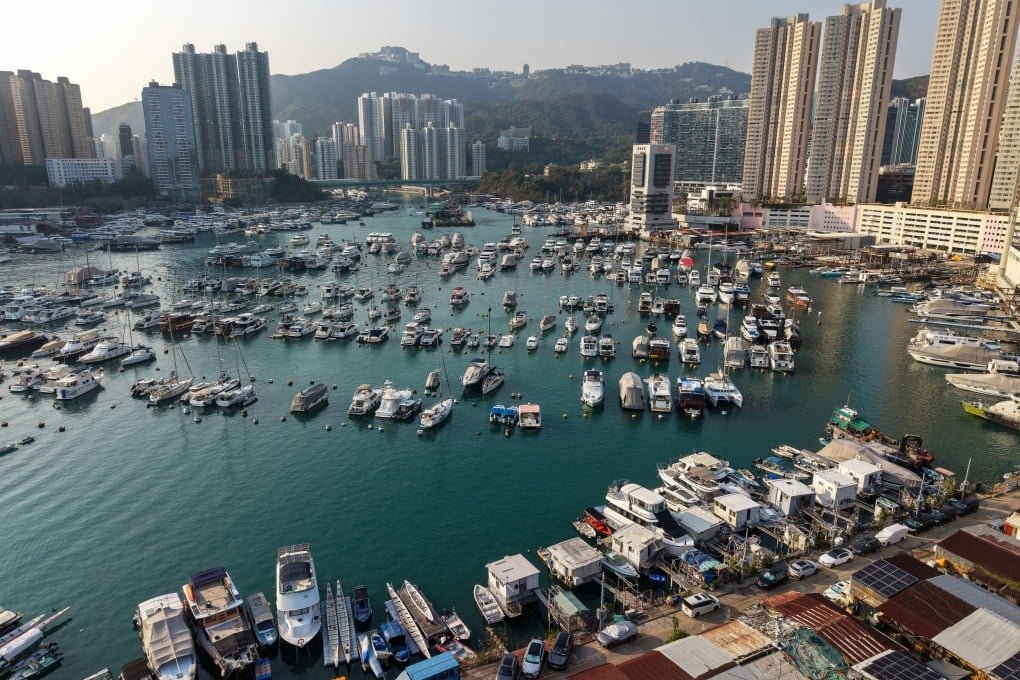
The site, located in a traditional fishing and boating district on Hong Kong Island’s southern coast, is being positioned for transformation into a modernized marina-led development integrating leisure, residential, and commercial components.
The project forms part of a broader pattern of waterfront regeneration in Hong Kong, where limited available coastal land has made marina-adjacent sites increasingly strategic assets.
These developments typically combine berthing facilities for private yachts with high-end residential towers, retail space, and hospitality infrastructure.
The Aberdeen site is considered particularly valuable due to its sheltered harbor, established maritime culture, and proximity to central urban districts.
Investor interest reflects a renewed appetite for long-term, asset-backed real estate projects in Hong Kong, particularly those linked to lifestyle infrastructure rather than purely speculative residential supply.
Both local developers and overseas capital groups are assessing participation, indicating confidence in the site’s potential positioning within the luxury marine and tourism economy.
The redevelopment also sits within a broader structural context in which Hong Kong’s coastal infrastructure is being gradually repurposed.
Traditional fishing and industrial maritime zones have, over time, been integrated into urban redevelopment frameworks as economic activity in those sectors has declined or relocated.
Aberdeen is emblematic of this transition, balancing its historic identity as a working harbor with increasing pressure for commercial modernization.
The mechanism driving the project’s attractiveness is the scarcity of comparable marina sites in Hong Kong.
Strict land constraints and high population density have made waterfront developments rare, which in turn increases their long-term value proposition.
Investors typically view such assets as resilient due to their limited supply and strong association with high-income consumption patterns, including private boating, tourism, and premium hospitality services.
At the same time, redevelopment of established maritime communities introduces operational and planning complexity.
Projects of this scale require coordination between government land authorities, transport and marine regulators, and private developers, particularly in areas where existing harbor usage must be integrated into new commercial frameworks.
The balance between preserving public access, maintaining marine activity, and enabling private development remains a central design constraint.
The broader implication of renewed interest in Aberdeen is the continued financialization of Hong Kong’s coastal geography, where cultural and working waterfronts are increasingly absorbed into high-value real estate cycles.
If progressed, the project would reinforce the city’s position as a regional hub for luxury marina development while reshaping one of its most historically significant harbor districts into a mixed-use economic zone anchored in property and leisure capital.
What is confirmed is that a major redevelopment project centered on the Aberdeen marina area has attracted interest from both local and overseas investors.
The site, located in a traditional fishing and boating district on Hong Kong Island’s southern coast, is being positioned for transformation into a modernized marina-led development integrating leisure, residential, and commercial components.
The project forms part of a broader pattern of waterfront regeneration in Hong Kong, where limited available coastal land has made marina-adjacent sites increasingly strategic assets.
These developments typically combine berthing facilities for private yachts with high-end residential towers, retail space, and hospitality infrastructure.
The Aberdeen site is considered particularly valuable due to its sheltered harbor, established maritime culture, and proximity to central urban districts.
Investor interest reflects a renewed appetite for long-term, asset-backed real estate projects in Hong Kong, particularly those linked to lifestyle infrastructure rather than purely speculative residential supply.
Both local developers and overseas capital groups are assessing participation, indicating confidence in the site’s potential positioning within the luxury marine and tourism economy.
The redevelopment also sits within a broader structural context in which Hong Kong’s coastal infrastructure is being gradually repurposed.
Traditional fishing and industrial maritime zones have, over time, been integrated into urban redevelopment frameworks as economic activity in those sectors has declined or relocated.
Aberdeen is emblematic of this transition, balancing its historic identity as a working harbor with increasing pressure for commercial modernization.
The mechanism driving the project’s attractiveness is the scarcity of comparable marina sites in Hong Kong.
Strict land constraints and high population density have made waterfront developments rare, which in turn increases their long-term value proposition.
Investors typically view such assets as resilient due to their limited supply and strong association with high-income consumption patterns, including private boating, tourism, and premium hospitality services.
At the same time, redevelopment of established maritime communities introduces operational and planning complexity.
Projects of this scale require coordination between government land authorities, transport and marine regulators, and private developers, particularly in areas where existing harbor usage must be integrated into new commercial frameworks.
The balance between preserving public access, maintaining marine activity, and enabling private development remains a central design constraint.
The broader implication of renewed interest in Aberdeen is the continued financialization of Hong Kong’s coastal geography, where cultural and working waterfronts are increasingly absorbed into high-value real estate cycles.
If progressed, the project would reinforce the city’s position as a regional hub for luxury marina development while reshaping one of its most historically significant harbor districts into a mixed-use economic zone anchored in property and leisure capital.