The property group cancels newly repurchased shares as part of an ongoing programme that steadily reduces outstanding stock and marginally concentrates ownership
SYSTEM-DRIVEN: capital allocation and equity structure management through a sustained share buyback programme.
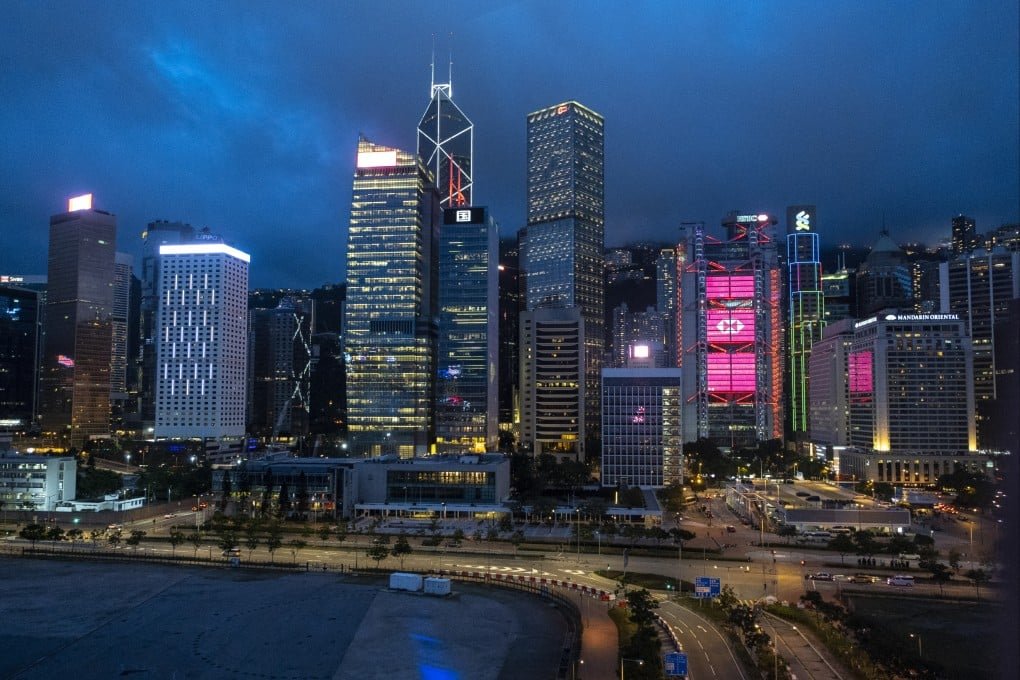
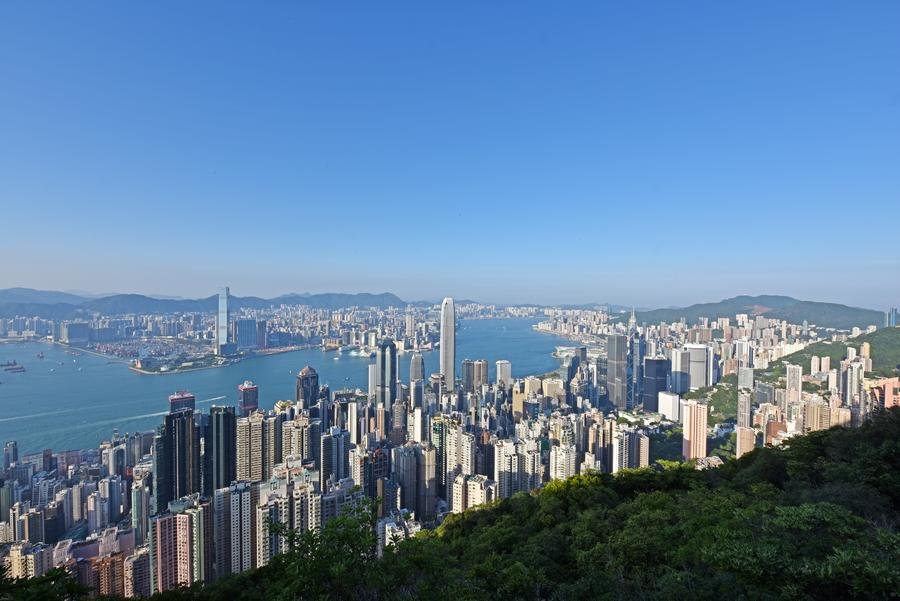
Hongkong Land, one of Asia’s largest commercial property investors with a major portfolio anchored in Hong Kong’s Central business district, has continued to reduce its outstanding share count through a series of market buybacks followed by cancellation of the repurchased shares.
The latest disclosed transaction involved the repurchase of approximately 170,000 ordinary shares, which will be cancelled, bringing the company’s issued share capital to roughly 2.15 billion voting shares with no treasury stock held.
What is confirmed is that the company is actively executing a structured capital return programme in which shares are bought in the open market and then permanently retired.
This is not a one-off action but part of a sequence of similar transactions carried out over recent months, each reducing the total number of shares in circulation by relatively small increments.
The pricing of recent repurchases has generally clustered in the high single-digit US dollar range per share, reflecting market conditions at the time of execution.
The mechanism is straightforward but financially meaningful over time.
When a company cancels shares, the total equity base shrinks.
That does not change the underlying value of the property portfolio, but it does increase each remaining share’s proportional claim on future earnings and assets.
In accounting terms, this can modestly support earnings per share even when net income remains unchanged, simply because profits are divided across fewer shares.
Hongkong Land’s approach sits within a broader strategy of capital recycling.
In parallel with buybacks, the company has previously engaged in asset-level transactions in its prime Central district holdings, converting illiquid real estate value into cash that can be redeployed or returned to shareholders.
The buyback programme is typically funded through internal cash flow and asset monetisation rather than external leverage expansion, signalling a preference for balance sheet discipline over aggressive growth.
The stakes are primarily structural rather than speculative.
For investors, sustained buybacks in a mature property landlord signal management’s view that internal equity is undervalued relative to intrinsic asset value or that alternative deployment opportunities are limited.
In either case, returning capital via share reduction becomes a default efficiency mechanism.
However, the economic impact should be kept in proportion.
Each individual buyback in recent filings is small relative to the company’s multi-billion share base, meaning the near-term effect on valuation or control is incremental rather than transformative.
The longer-term effect depends on whether the programme continues at scale and whether it is paired with stable or improving underlying property income.
The broader implication is that Hongkong Land is gradually tightening its equity structure while maintaining exposure to a high-quality but mature real estate portfolio.
The continued reduction in share count signals disciplined capital management rather than expansion-driven growth, reinforcing a shareholder return model anchored in incremental value enhancement rather than structural business change.
Hongkong Land, one of Asia’s largest commercial property investors with a major portfolio anchored in Hong Kong’s Central business district, has continued to reduce its outstanding share count through a series of market buybacks followed by cancellation of the repurchased shares.
The latest disclosed transaction involved the repurchase of approximately 170,000 ordinary shares, which will be cancelled, bringing the company’s issued share capital to roughly 2.15 billion voting shares with no treasury stock held.
What is confirmed is that the company is actively executing a structured capital return programme in which shares are bought in the open market and then permanently retired.
This is not a one-off action but part of a sequence of similar transactions carried out over recent months, each reducing the total number of shares in circulation by relatively small increments.
The pricing of recent repurchases has generally clustered in the high single-digit US dollar range per share, reflecting market conditions at the time of execution.
The mechanism is straightforward but financially meaningful over time.
When a company cancels shares, the total equity base shrinks.
That does not change the underlying value of the property portfolio, but it does increase each remaining share’s proportional claim on future earnings and assets.
In accounting terms, this can modestly support earnings per share even when net income remains unchanged, simply because profits are divided across fewer shares.
Hongkong Land’s approach sits within a broader strategy of capital recycling.
In parallel with buybacks, the company has previously engaged in asset-level transactions in its prime Central district holdings, converting illiquid real estate value into cash that can be redeployed or returned to shareholders.
The buyback programme is typically funded through internal cash flow and asset monetisation rather than external leverage expansion, signalling a preference for balance sheet discipline over aggressive growth.
The stakes are primarily structural rather than speculative.
For investors, sustained buybacks in a mature property landlord signal management’s view that internal equity is undervalued relative to intrinsic asset value or that alternative deployment opportunities are limited.
In either case, returning capital via share reduction becomes a default efficiency mechanism.
However, the economic impact should be kept in proportion.
Each individual buyback in recent filings is small relative to the company’s multi-billion share base, meaning the near-term effect on valuation or control is incremental rather than transformative.
The longer-term effect depends on whether the programme continues at scale and whether it is paired with stable or improving underlying property income.
The broader implication is that Hongkong Land is gradually tightening its equity structure while maintaining exposure to a high-quality but mature real estate portfolio.
The continued reduction in share count signals disciplined capital management rather than expansion-driven growth, reinforcing a shareholder return model anchored in incremental value enhancement rather than structural business change.