Capital markets rebound and a renewed push into precious metals signal a strategic bid to restore Hong Kong’s financial edge
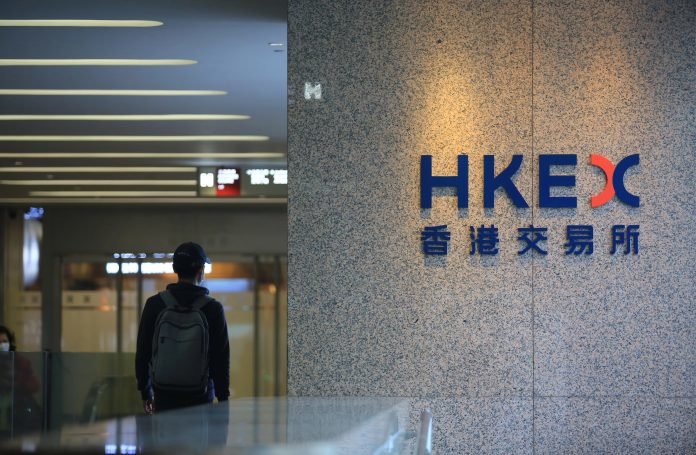
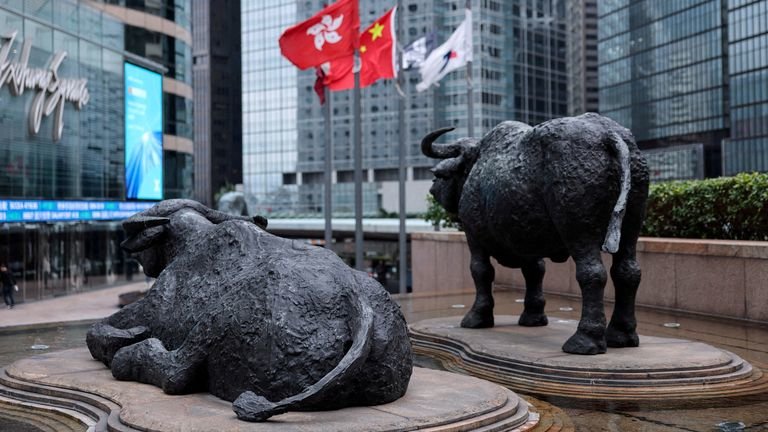
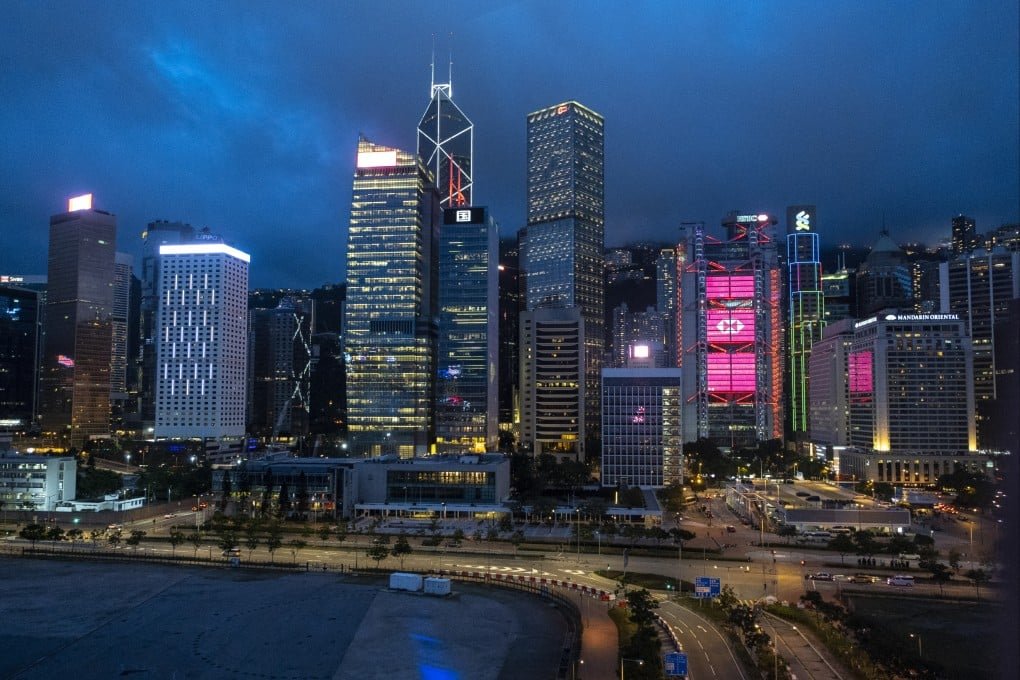
Market structure and policy momentum are driving a sharp revival in Hong Kong’s capital markets, with initial public offerings raising more than HK$140 billion so far this year and authorities simultaneously advancing a plan to expand the city’s role in global gold trading.
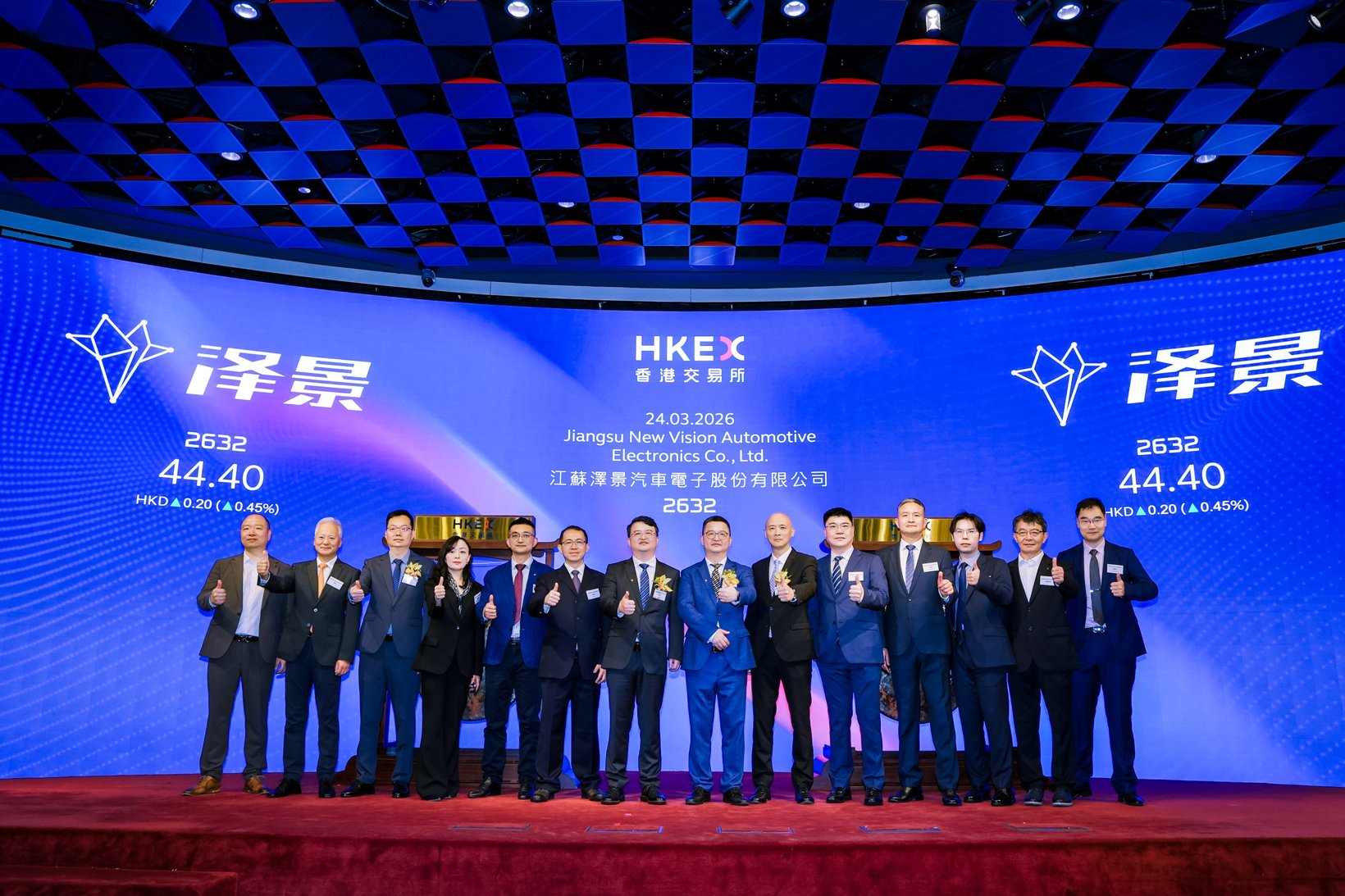
What is confirmed is that Hong Kong’s IPO market has rebounded strongly after a prolonged downturn, with total fundraising exceeding HK$140 billion, already surpassing recent annual totals.
The increase reflects a pipeline of large mainland Chinese listings returning to the city, alongside improved investor sentiment and more stable global financial conditions compared with the volatility of previous years.
The mechanism behind the recovery is twofold.
First, Chinese companies—particularly in technology, manufacturing, and consumer sectors—are again using Hong Kong as a primary offshore fundraising venue.
Second, regulatory adjustments and listing reforms have reduced friction for issuers, including streamlined approval processes and expanded channels for dual listings.
Together, these shifts have restored deal flow and increased market depth.
The parallel push into gold trading is part of a broader strategy to diversify Hong Kong’s financial infrastructure.
Authorities are working to strengthen the city’s commodities ecosystem, including enhancing storage, settlement, and trading capabilities for precious metals.
The objective is to position Hong Kong as a regional hub for gold pricing, trading, and risk management, linking mainland demand with international markets.
The timing is deliberate.
Global demand for gold has remained resilient amid geopolitical tensions, inflation concerns, and currency volatility.
By expanding its role in gold markets, Hong Kong aims to capture a larger share of capital flows tied to safe-haven assets, complementing its traditional strengths in equities and foreign exchange.
The two developments—IPO recovery and gold trading expansion—are connected by a common goal: reinforcing Hong Kong’s status as a leading international financial center at a time of intensifying competition from regional rivals.
The city’s role as a gateway between mainland China and global investors remains its core advantage, but that position has been tested by shifting capital flows and regulatory changes in recent years.
There are practical implications for issuers and investors.
A stronger IPO pipeline provides companies with access to deep pools of international capital, while investors gain exposure to mainland firms through a familiar legal and financial framework.
At the same time, a more developed gold market offers additional hedging tools and asset diversification options, particularly for institutional participants.
Constraints remain.
Market performance is still sensitive to mainland China’s economic trajectory, global interest rates, and geopolitical risk.
The success of the gold trading initiative will depend on liquidity, pricing credibility, and integration with existing global benchmarks, all of which require sustained participation from major financial institutions.
What has changed is momentum.
The combination of renewed listings and targeted expansion into commodities signals a coordinated effort to rebuild scale and relevance.
The immediate effect is a measurable increase in capital formation and trading activity, reinforcing Hong Kong’s role as a critical financial conduit in Asia.
What is confirmed is that Hong Kong’s IPO market has rebounded strongly after a prolonged downturn, with total fundraising exceeding HK$140 billion, already surpassing recent annual totals.
The increase reflects a pipeline of large mainland Chinese listings returning to the city, alongside improved investor sentiment and more stable global financial conditions compared with the volatility of previous years.
The mechanism behind the recovery is twofold.
First, Chinese companies—particularly in technology, manufacturing, and consumer sectors—are again using Hong Kong as a primary offshore fundraising venue.
Second, regulatory adjustments and listing reforms have reduced friction for issuers, including streamlined approval processes and expanded channels for dual listings.
Together, these shifts have restored deal flow and increased market depth.
The parallel push into gold trading is part of a broader strategy to diversify Hong Kong’s financial infrastructure.
Authorities are working to strengthen the city’s commodities ecosystem, including enhancing storage, settlement, and trading capabilities for precious metals.
The objective is to position Hong Kong as a regional hub for gold pricing, trading, and risk management, linking mainland demand with international markets.
The timing is deliberate.
Global demand for gold has remained resilient amid geopolitical tensions, inflation concerns, and currency volatility.
By expanding its role in gold markets, Hong Kong aims to capture a larger share of capital flows tied to safe-haven assets, complementing its traditional strengths in equities and foreign exchange.
The two developments—IPO recovery and gold trading expansion—are connected by a common goal: reinforcing Hong Kong’s status as a leading international financial center at a time of intensifying competition from regional rivals.
The city’s role as a gateway between mainland China and global investors remains its core advantage, but that position has been tested by shifting capital flows and regulatory changes in recent years.
There are practical implications for issuers and investors.
A stronger IPO pipeline provides companies with access to deep pools of international capital, while investors gain exposure to mainland firms through a familiar legal and financial framework.
At the same time, a more developed gold market offers additional hedging tools and asset diversification options, particularly for institutional participants.
Constraints remain.
Market performance is still sensitive to mainland China’s economic trajectory, global interest rates, and geopolitical risk.
The success of the gold trading initiative will depend on liquidity, pricing credibility, and integration with existing global benchmarks, all of which require sustained participation from major financial institutions.
What has changed is momentum.
The combination of renewed listings and targeted expansion into commodities signals a coordinated effort to rebuild scale and relevance.
The immediate effect is a measurable increase in capital formation and trading activity, reinforcing Hong Kong’s role as a critical financial conduit in Asia.