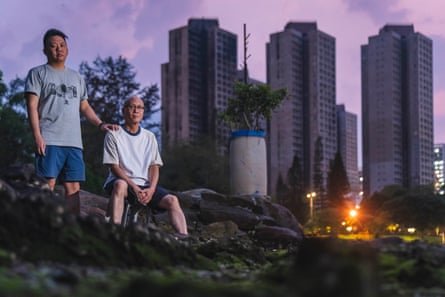
Survivors revisit the scorched remains of a Tai Po housing estate where a 2025 blaze killed 168 people, exposing unresolved questions over safety failures, accountability, and what remains of home after mass tragedy.
SYSTEM-DRIVEN
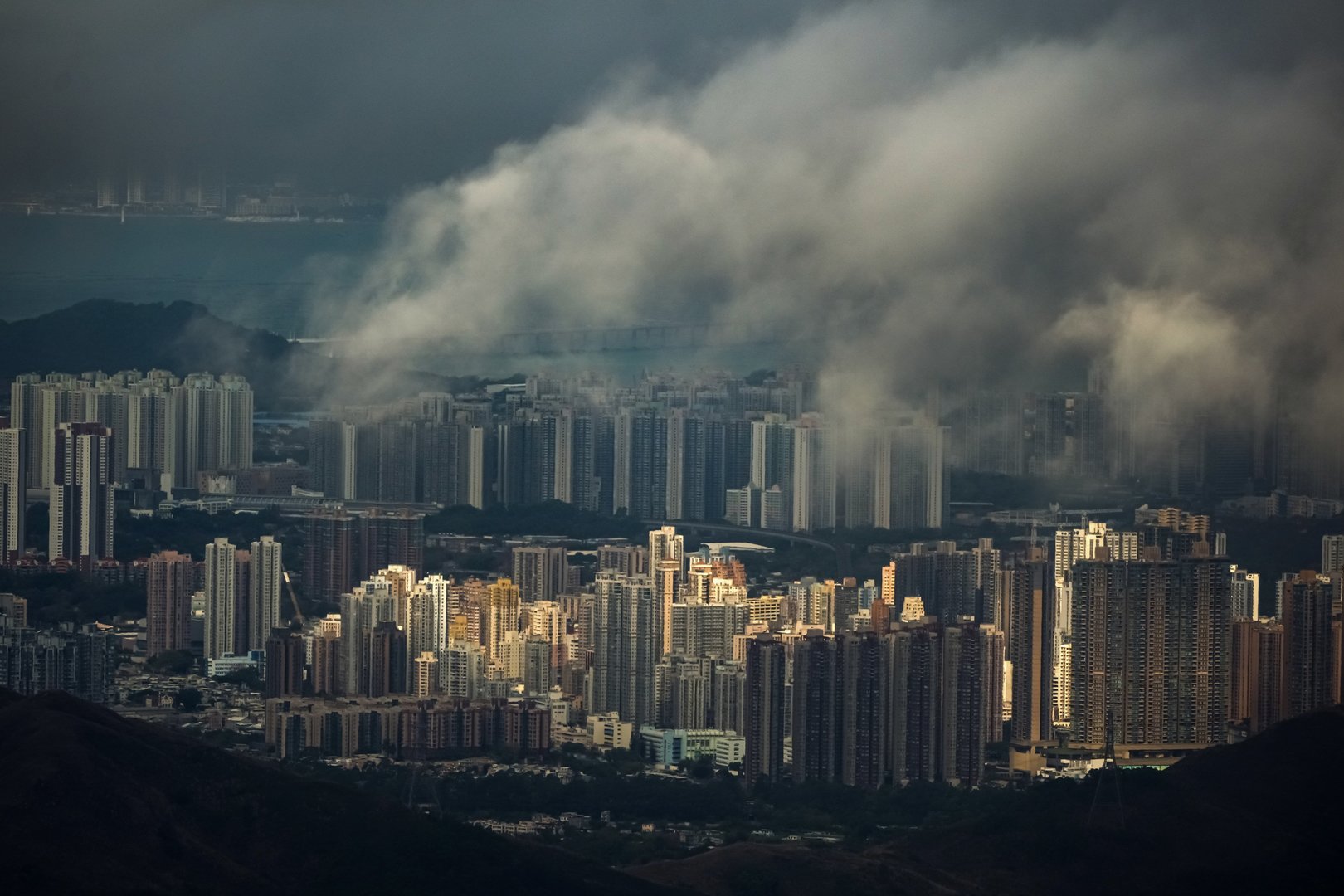
Hong Kong’s deadliest residential fire in decades is no longer an active disaster, but a continuing structural and political crisis shaped by housing safety rules, renovation practices, and state response.
The focus now is not on firefighting but on how a densely built city manages the aftermath of catastrophic building failure.
The fire broke out on November 26, 2025, at Wang Fuk Court, a large public housing estate in the Tai Po district.
It spread rapidly across multiple 31-storey residential towers undergoing renovation.
What is confirmed is that the blaze ultimately killed 168 people and destroyed or severely damaged seven buildings, making it the most lethal urban fire in Hong Kong since 1948.
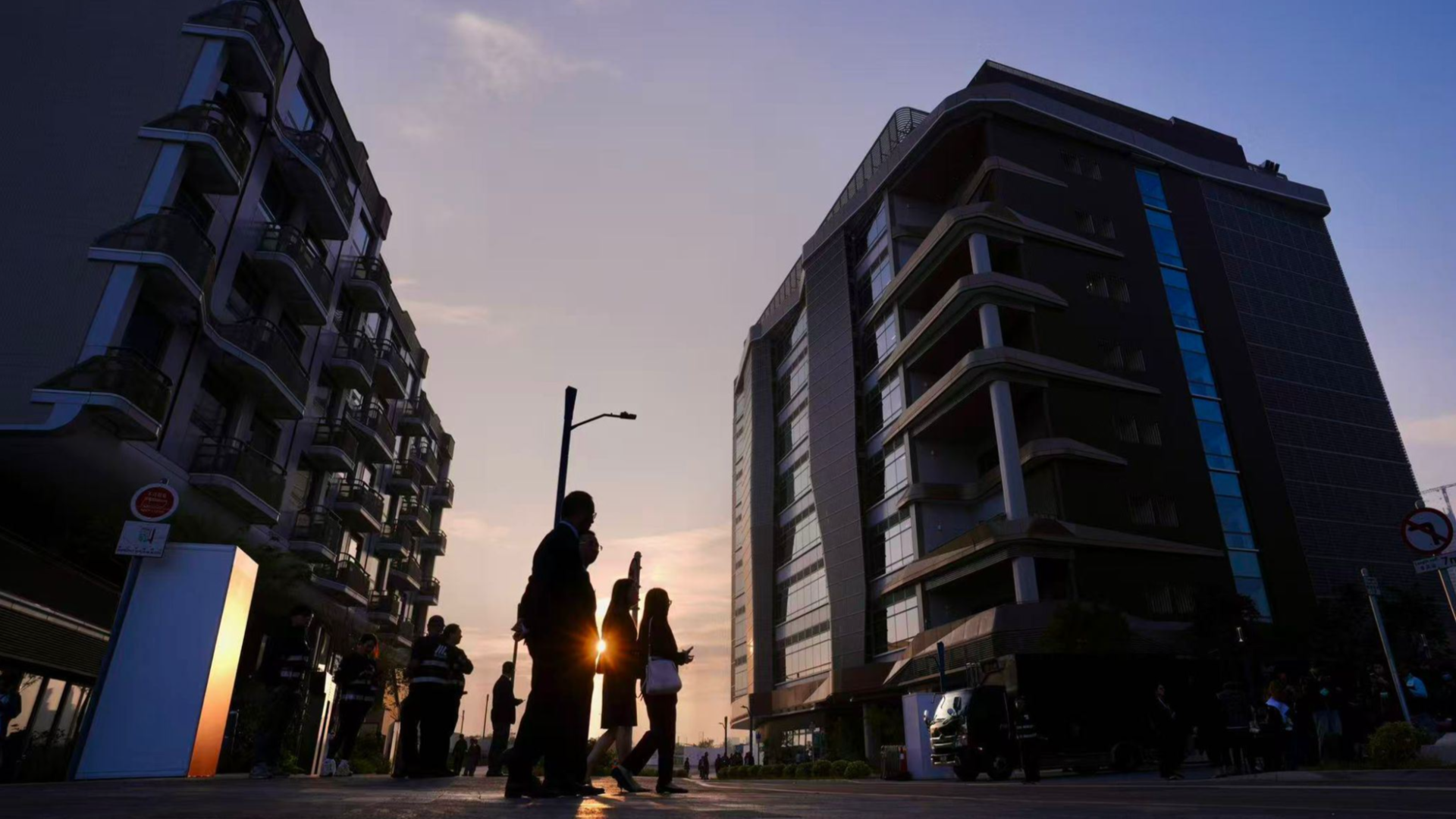
In April 2026, authorities began allowing former residents to briefly re-enter the site under strict supervision.
Each household is given a limited time window, typically around three hours, to retrieve whatever remains inside their former homes.
Entry is tightly controlled due to structural instability, toxic debris, and ongoing safety concerns.
One of the central stories emerging from this return is the Yip family, who revisited their apartment in Wang Fuk Court for the first time since losing their mother in the fire.
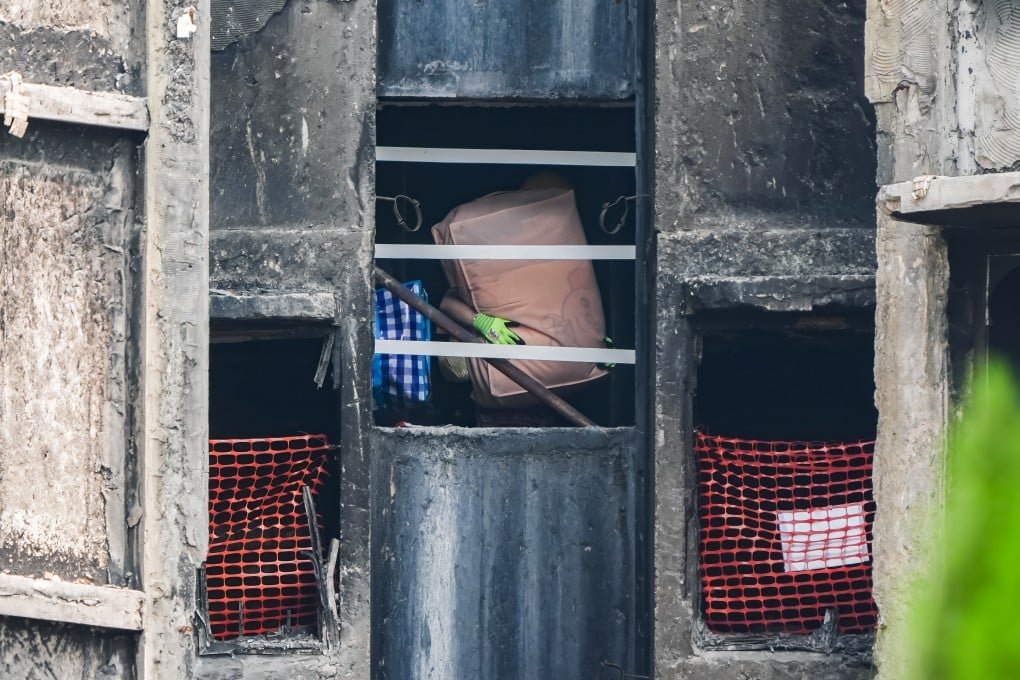
The visit, described across multiple accounts of survivor returns, took place in a heavily damaged environment: soot-covered interiors, melted household objects, and corridors stripped back to exposed concrete and twisted remnants of domestic life.
The family’s experience reflects the broader reality faced by hundreds of households.
Many residents are not simply retrieving property but confronting the physical collapse of entire family histories—photographs, documents, heirlooms, and personal archives often reduced to fragments.
Some manage to recover small items such as jewellery or commemorative objects; others find almost nothing intact.
What is confirmed across survivor returns is the emotional and logistical structure of the process itself.
Residents are transported in organized groups, accompanied by officials or social workers, and are required to move quickly through hazardous conditions.
The pace is deliberate but restrictive, forcing families to prioritize what can be carried within minutes rather than what represents a lifetime of belongings.
The broader implications of the fire continue to extend beyond personal loss.
The estate’s destruction has intensified scrutiny of renovation safety standards, building materials, and enforcement mechanisms in high-density housing.
Investigations and public debate have focused on how external construction elements contributed to the fire’s rapid vertical spread, though definitive legal conclusions remain tied to ongoing inquiries.
At the same time, residents face an uncertain future regarding compensation and relocation.
Government proposals include property buybacks and redevelopment planning, but these measures are contested by some owners who argue that financial valuation does not reflect long-term community displacement or emotional attachment to the estate.
The return visits have therefore become more than recovery operations.
They are temporary re-entries into a permanently altered urban landscape, where the physical structure of home exists only as ruins and the social structure of community is suspended in administrative process.
The fire has already reshaped Hong Kong’s conversation about housing safety, but its consequences now lie in a slower phase: legal accountability, long-term rehousing decisions, and the unresolved question of how a city rebuilds trust after a residential disaster of this scale.
Hong Kong’s deadliest residential fire in decades is no longer an active disaster, but a continuing structural and political crisis shaped by housing safety rules, renovation practices, and state response.
The focus now is not on firefighting but on how a densely built city manages the aftermath of catastrophic building failure.
The fire broke out on November 26, 2025, at Wang Fuk Court, a large public housing estate in the Tai Po district.
It spread rapidly across multiple 31-storey residential towers undergoing renovation.
What is confirmed is that the blaze ultimately killed 168 people and destroyed or severely damaged seven buildings, making it the most lethal urban fire in Hong Kong since 1948.
In April 2026, authorities began allowing former residents to briefly re-enter the site under strict supervision.
Each household is given a limited time window, typically around three hours, to retrieve whatever remains inside their former homes.
Entry is tightly controlled due to structural instability, toxic debris, and ongoing safety concerns.
One of the central stories emerging from this return is the Yip family, who revisited their apartment in Wang Fuk Court for the first time since losing their mother in the fire.
The visit, described across multiple accounts of survivor returns, took place in a heavily damaged environment: soot-covered interiors, melted household objects, and corridors stripped back to exposed concrete and twisted remnants of domestic life.
The family’s experience reflects the broader reality faced by hundreds of households.
Many residents are not simply retrieving property but confronting the physical collapse of entire family histories—photographs, documents, heirlooms, and personal archives often reduced to fragments.
Some manage to recover small items such as jewellery or commemorative objects; others find almost nothing intact.
What is confirmed across survivor returns is the emotional and logistical structure of the process itself.
Residents are transported in organized groups, accompanied by officials or social workers, and are required to move quickly through hazardous conditions.
The pace is deliberate but restrictive, forcing families to prioritize what can be carried within minutes rather than what represents a lifetime of belongings.
The broader implications of the fire continue to extend beyond personal loss.
The estate’s destruction has intensified scrutiny of renovation safety standards, building materials, and enforcement mechanisms in high-density housing.
Investigations and public debate have focused on how external construction elements contributed to the fire’s rapid vertical spread, though definitive legal conclusions remain tied to ongoing inquiries.
At the same time, residents face an uncertain future regarding compensation and relocation.
Government proposals include property buybacks and redevelopment planning, but these measures are contested by some owners who argue that financial valuation does not reflect long-term community displacement or emotional attachment to the estate.
The return visits have therefore become more than recovery operations.
They are temporary re-entries into a permanently altered urban landscape, where the physical structure of home exists only as ruins and the social structure of community is suspended in administrative process.
The fire has already reshaped Hong Kong’s conversation about housing safety, but its consequences now lie in a slower phase: legal accountability, long-term rehousing decisions, and the unresolved question of how a city rebuilds trust after a residential disaster of this scale.