The company is shifting enterprises from AI pilots to fully operational AI agent systems, embedding governance, automation, and Copilot-based workflows into large-scale business operations across Hong Kong.
SYSTEM-DRIVEN: PLATFORM TRANSFORMATION
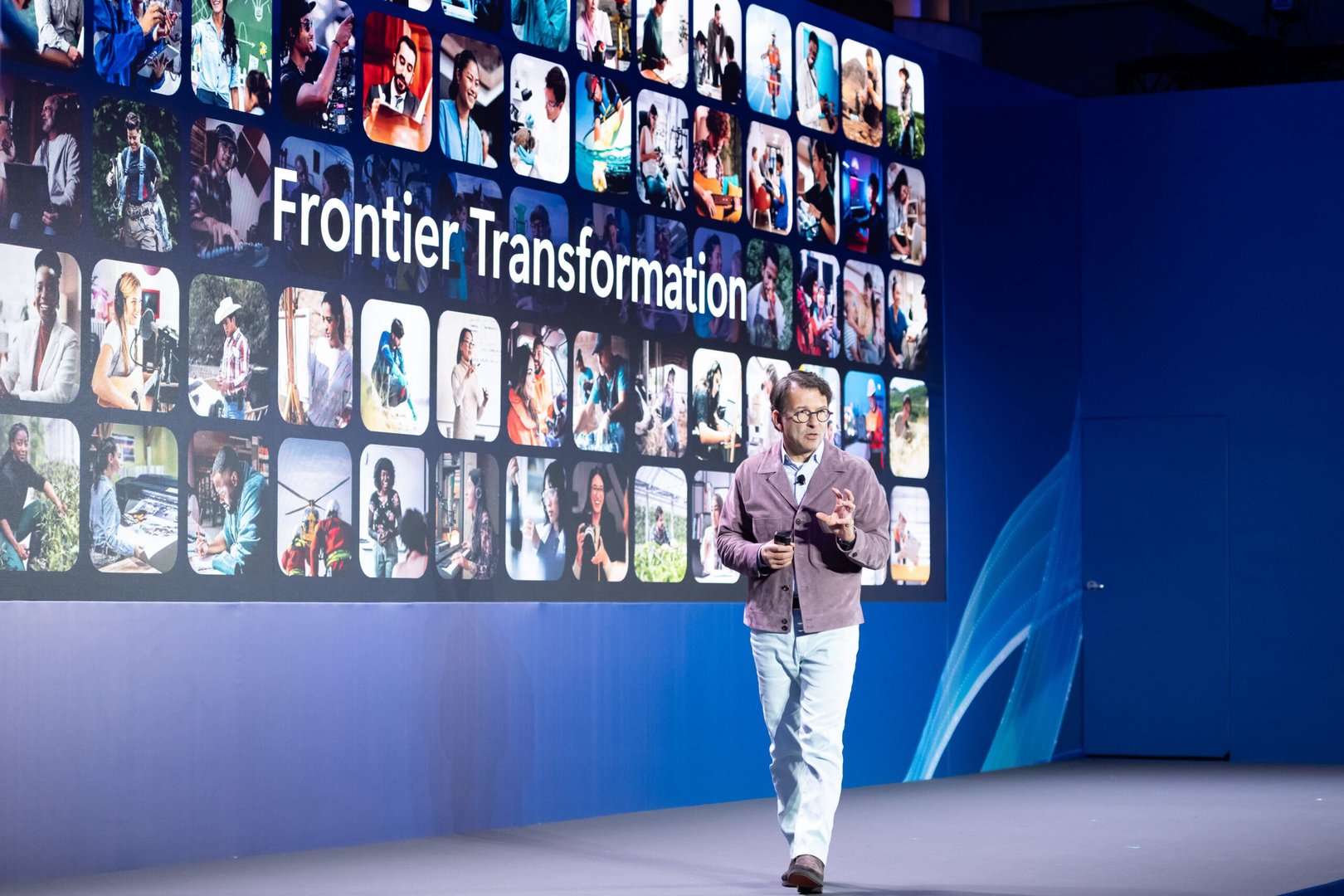
Microsoft is repositioning enterprise artificial intelligence in Hong Kong around a structured model it calls “Frontier Success,” marking a shift away from experimental AI tools toward fully integrated agent-based systems embedded inside corporate workflows.
The change is centered on what the company describes as agentic AI—software systems that do not merely respond to prompts but actively perform multi-step tasks across business processes, coordinate actions between systems, and operate with defined levels of autonomy under human oversight.
In practical terms, this moves AI from a productivity assistant layer into an operational layer of enterprise infrastructure.
The rollout was positioned during Microsoft’s AI-focused enterprise push in Hong Kong, where the company argues that organizations are entering a new phase of adoption: not testing AI, but restructuring work around it.
The “Frontier Success” framework defines this transition as moving from isolated pilots to enterprise-scale deployment, where AI agents are embedded across departments such as customer service, claims processing, marketing, and internal knowledge management.
At the core of the system is Microsoft’s broader Copilot ecosystem, extended with enterprise controls such as agent governance, identity management, and security layers.
These tools are designed to allow companies to deploy multiple AI agents while maintaining auditability, access control, and operational oversight.
The underlying goal is to ensure that automation does not function as an uncontrolled layer but as a managed extension of enterprise systems.
Several large Hong Kong-based organizations are already being used as early examples of this transition.
One major insurer is applying AI agents to automate elements of product training, customer support, and claims handling, while also deploying internal tools that allow employees to build their own lightweight AI workflows.
A major retail group is using AI systems to support product recommendation, in-store personalization, and automated content generation for marketing, linking online and offline customer experiences through data-driven systems.
These deployments reflect a broader shift in enterprise logic: instead of using AI as a tool to assist workers, companies are redesigning workflows so that AI agents perform coordination, retrieval, and execution tasks, while humans focus on oversight and decision-making.
This reallocation of labor is central to Microsoft’s argument that productivity gains come not from isolated automation but from restructuring entire processes.
The company also emphasizes governance as a critical constraint.
As AI systems gain autonomy, concerns about security, compliance, and operational risk increase.
The proposed architecture therefore includes centralized control mechanisms intended to track agent behavior, enforce permissions, and ensure that automated decisions remain traceable within regulated industries.
The broader implication for Hong Kong’s business environment is structural.
If adopted at scale, agentic AI systems could reduce dependence on manual coordination across departments, compress decision cycles, and increase automation of back-office functions.
At the same time, they introduce new dependencies on platform ecosystems that control AI infrastructure, governance rules, and integration layers.
The shift signals a transition point: AI in Hong Kong enterprises is no longer framed as a competitive advantage gained through experimentation, but as a baseline operational system that may redefine how corporate work is organized, measured, and executed.
Microsoft is repositioning enterprise artificial intelligence in Hong Kong around a structured model it calls “Frontier Success,” marking a shift away from experimental AI tools toward fully integrated agent-based systems embedded inside corporate workflows.
The change is centered on what the company describes as agentic AI—software systems that do not merely respond to prompts but actively perform multi-step tasks across business processes, coordinate actions between systems, and operate with defined levels of autonomy under human oversight.
In practical terms, this moves AI from a productivity assistant layer into an operational layer of enterprise infrastructure.
The rollout was positioned during Microsoft’s AI-focused enterprise push in Hong Kong, where the company argues that organizations are entering a new phase of adoption: not testing AI, but restructuring work around it.
The “Frontier Success” framework defines this transition as moving from isolated pilots to enterprise-scale deployment, where AI agents are embedded across departments such as customer service, claims processing, marketing, and internal knowledge management.
At the core of the system is Microsoft’s broader Copilot ecosystem, extended with enterprise controls such as agent governance, identity management, and security layers.
These tools are designed to allow companies to deploy multiple AI agents while maintaining auditability, access control, and operational oversight.
The underlying goal is to ensure that automation does not function as an uncontrolled layer but as a managed extension of enterprise systems.
Several large Hong Kong-based organizations are already being used as early examples of this transition.
One major insurer is applying AI agents to automate elements of product training, customer support, and claims handling, while also deploying internal tools that allow employees to build their own lightweight AI workflows.
A major retail group is using AI systems to support product recommendation, in-store personalization, and automated content generation for marketing, linking online and offline customer experiences through data-driven systems.
These deployments reflect a broader shift in enterprise logic: instead of using AI as a tool to assist workers, companies are redesigning workflows so that AI agents perform coordination, retrieval, and execution tasks, while humans focus on oversight and decision-making.
This reallocation of labor is central to Microsoft’s argument that productivity gains come not from isolated automation but from restructuring entire processes.
The company also emphasizes governance as a critical constraint.
As AI systems gain autonomy, concerns about security, compliance, and operational risk increase.
The proposed architecture therefore includes centralized control mechanisms intended to track agent behavior, enforce permissions, and ensure that automated decisions remain traceable within regulated industries.
The broader implication for Hong Kong’s business environment is structural.
If adopted at scale, agentic AI systems could reduce dependence on manual coordination across departments, compress decision cycles, and increase automation of back-office functions.
At the same time, they introduce new dependencies on platform ecosystems that control AI infrastructure, governance rules, and integration layers.
The shift signals a transition point: AI in Hong Kong enterprises is no longer framed as a competitive advantage gained through experimentation, but as a baseline operational system that may redefine how corporate work is organized, measured, and executed.