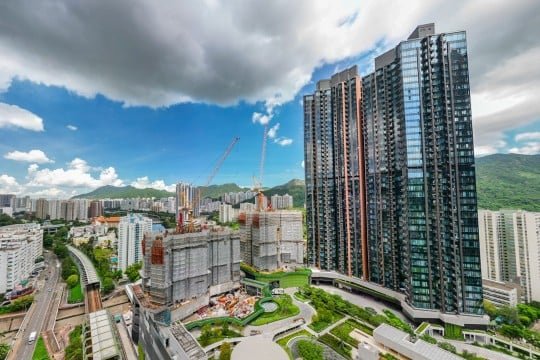
Inventory drawdown signals shifting balance in housing market after prolonged downturn and policy easing
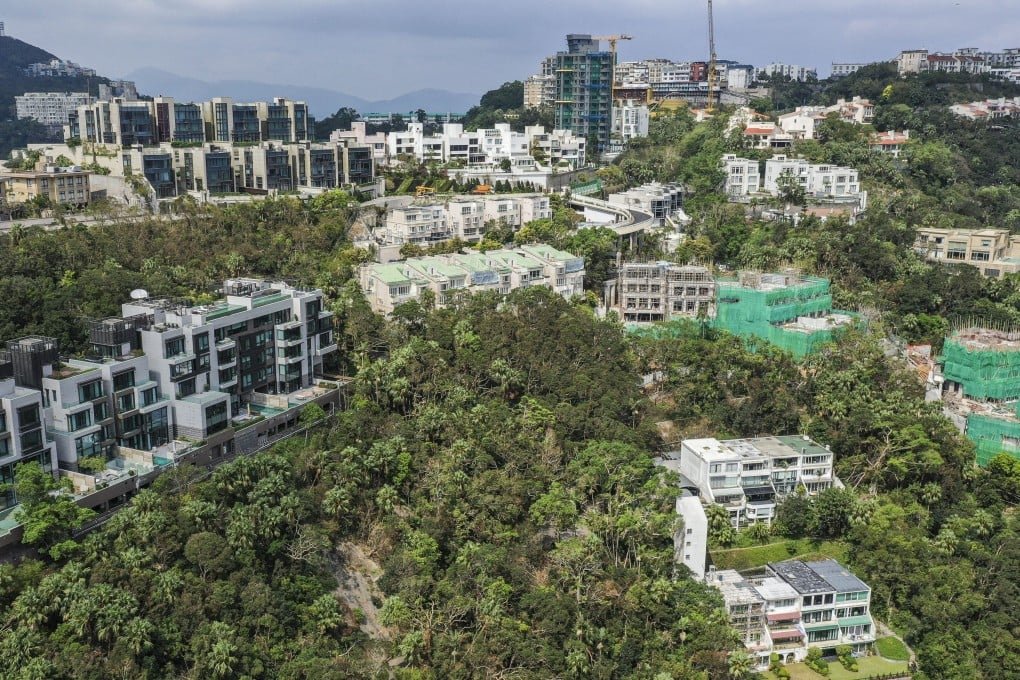
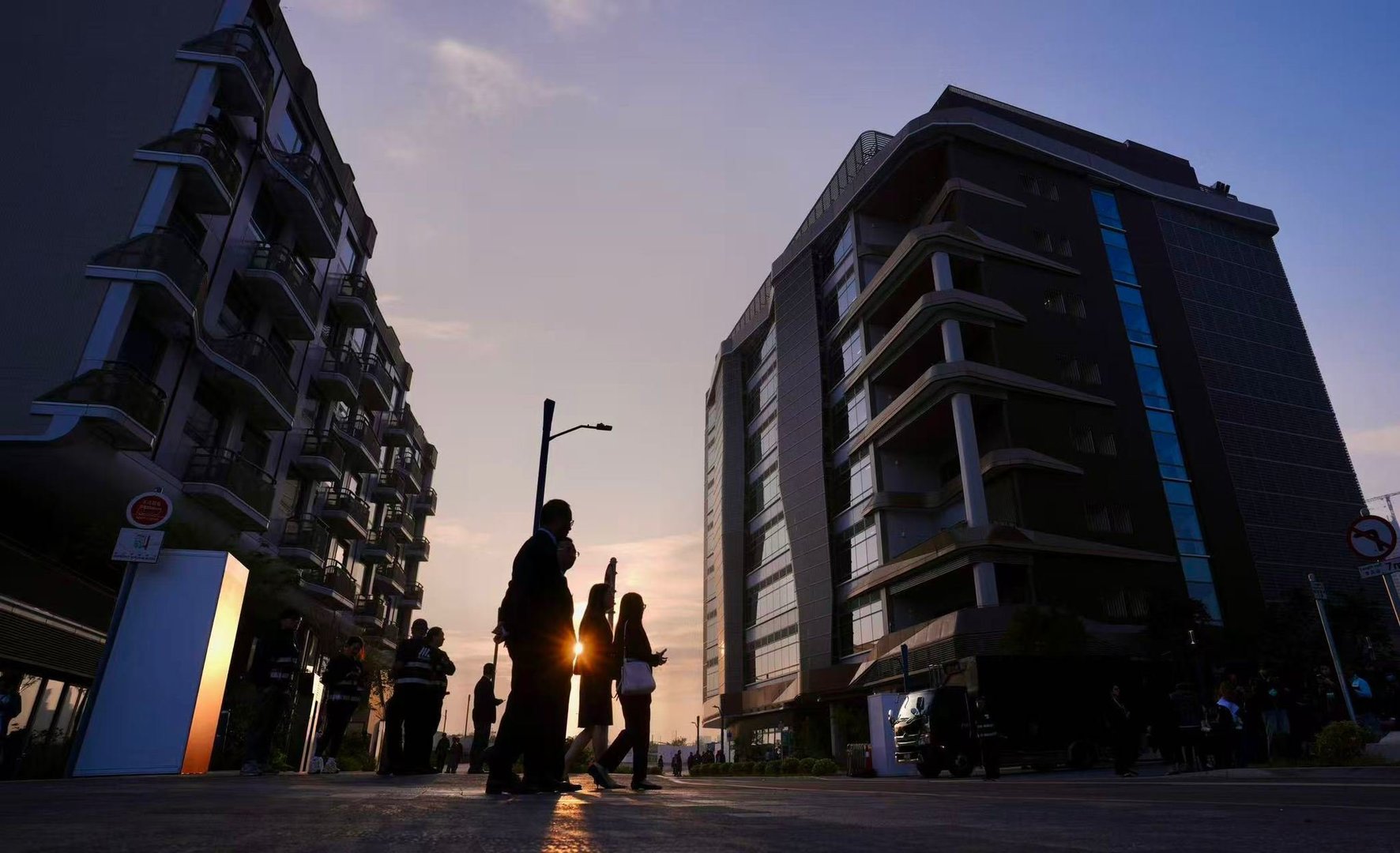
Hong Kong’s residential property market is being reshaped by a structural shift in supply and demand, as developers move aggressively to clear unsold inventory amid a measurable rebound in buyer activity and a decline in new housing supply.
What is confirmed is that major developers have reduced their stock of unsold units at a faster pace in recent months, driven by stronger transaction volumes and targeted pricing strategies.
This follows a prolonged period of weak demand during which high interest rates, economic uncertainty, and outward migration weighed heavily on the market.
The recent pickup reflects both improved sentiment and policy adjustments that have lowered barriers to entry for buyers.
The mechanics behind the shift are twofold.
On the demand side, the removal of several cooling measures has lowered upfront costs for property purchases, including reductions in stamp duties that previously discouraged both local and non-local buyers.
At the same time, interest rate expectations have stabilized, reducing uncertainty around mortgage costs.
Together, these factors have drawn sidelined buyers back into the market, particularly first-time purchasers and investors seeking discounted assets.
On the supply side, the pipeline of new residential projects has tightened.
Developers, facing financing constraints and cautious market conditions over the past two years, slowed land acquisitions and delayed project launches.
This has resulted in fewer new units entering the market, amplifying the impact of rising demand on existing inventory.
As a result, developers are now able to accelerate sales without triggering the steep price cuts that characterized earlier phases of the downturn.
Pricing dynamics remain nuanced.
While headline home prices have not returned to previous peaks, the rate of decline has slowed significantly, and certain segments—particularly mass-market apartments—are seeing stabilization or modest gains.
Developers are still offering incentives, including flexible payment schemes and discounts, but these are increasingly targeted rather than broad-based, reflecting improved bargaining power.
The clearing of inventory carries broader financial implications.
Property development is a core pillar of Hong Kong’s economy, and prolonged inventory overhang had constrained cash flow and balance sheets across the sector.
Faster sales improve liquidity for developers, reduce debt pressure, and enable a gradual restart of project pipelines.
This has knock-on effects for construction activity, employment, and related industries.
However, the recovery is uneven.
Luxury properties and larger units continue to face softer demand, reflecting both affordability constraints and shifts in buyer preferences.
External factors, including global economic conditions and capital flows, also continue to influence high-end demand, which is more sensitive to international investment trends than local housing needs.
The policy environment remains a critical variable.
Authorities have signaled a willingness to maintain a more accommodative stance to support market stability, but without returning to the speculative excesses seen in earlier cycles.
This balancing act aims to restore confidence while avoiding rapid price inflation that could undermine affordability.
The immediate consequence of the current trend is a tighter inventory environment, with fewer unsold units available relative to rising transaction volumes.
This rebalancing is shifting negotiating power incrementally toward sellers and setting the stage for a more stable pricing environment after several years of volatility.
With developers continuing to release units strategically and demand holding firm under eased policy conditions, the market is transitioning from inventory overhang to controlled supply, marking a decisive change in Hong Kong’s post-downturn property cycle.
What is confirmed is that major developers have reduced their stock of unsold units at a faster pace in recent months, driven by stronger transaction volumes and targeted pricing strategies.
This follows a prolonged period of weak demand during which high interest rates, economic uncertainty, and outward migration weighed heavily on the market.
The recent pickup reflects both improved sentiment and policy adjustments that have lowered barriers to entry for buyers.
The mechanics behind the shift are twofold.
On the demand side, the removal of several cooling measures has lowered upfront costs for property purchases, including reductions in stamp duties that previously discouraged both local and non-local buyers.
At the same time, interest rate expectations have stabilized, reducing uncertainty around mortgage costs.
Together, these factors have drawn sidelined buyers back into the market, particularly first-time purchasers and investors seeking discounted assets.
On the supply side, the pipeline of new residential projects has tightened.
Developers, facing financing constraints and cautious market conditions over the past two years, slowed land acquisitions and delayed project launches.
This has resulted in fewer new units entering the market, amplifying the impact of rising demand on existing inventory.
As a result, developers are now able to accelerate sales without triggering the steep price cuts that characterized earlier phases of the downturn.
Pricing dynamics remain nuanced.
While headline home prices have not returned to previous peaks, the rate of decline has slowed significantly, and certain segments—particularly mass-market apartments—are seeing stabilization or modest gains.
Developers are still offering incentives, including flexible payment schemes and discounts, but these are increasingly targeted rather than broad-based, reflecting improved bargaining power.
The clearing of inventory carries broader financial implications.
Property development is a core pillar of Hong Kong’s economy, and prolonged inventory overhang had constrained cash flow and balance sheets across the sector.
Faster sales improve liquidity for developers, reduce debt pressure, and enable a gradual restart of project pipelines.
This has knock-on effects for construction activity, employment, and related industries.
However, the recovery is uneven.
Luxury properties and larger units continue to face softer demand, reflecting both affordability constraints and shifts in buyer preferences.
External factors, including global economic conditions and capital flows, also continue to influence high-end demand, which is more sensitive to international investment trends than local housing needs.
The policy environment remains a critical variable.
Authorities have signaled a willingness to maintain a more accommodative stance to support market stability, but without returning to the speculative excesses seen in earlier cycles.
This balancing act aims to restore confidence while avoiding rapid price inflation that could undermine affordability.
The immediate consequence of the current trend is a tighter inventory environment, with fewer unsold units available relative to rising transaction volumes.
This rebalancing is shifting negotiating power incrementally toward sellers and setting the stage for a more stable pricing environment after several years of volatility.
With developers continuing to release units strategically and demand holding firm under eased policy conditions, the market is transitioning from inventory overhang to controlled supply, marking a decisive change in Hong Kong’s post-downturn property cycle.