March surge driven by transfer passengers, regional demand, and geopolitical flight shifts despite cargo headwinds
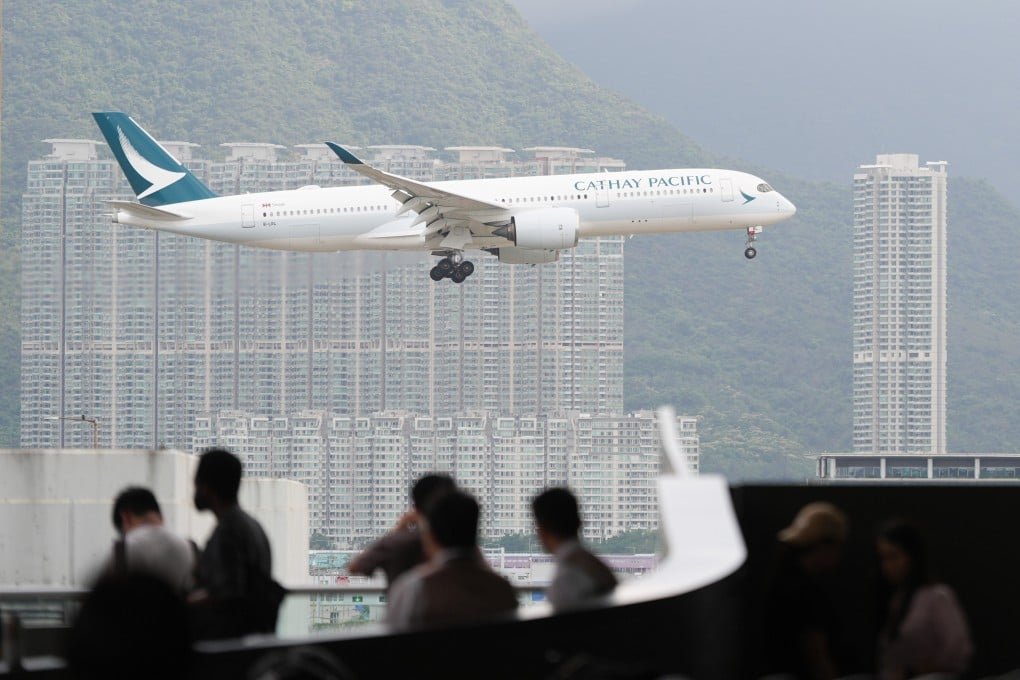
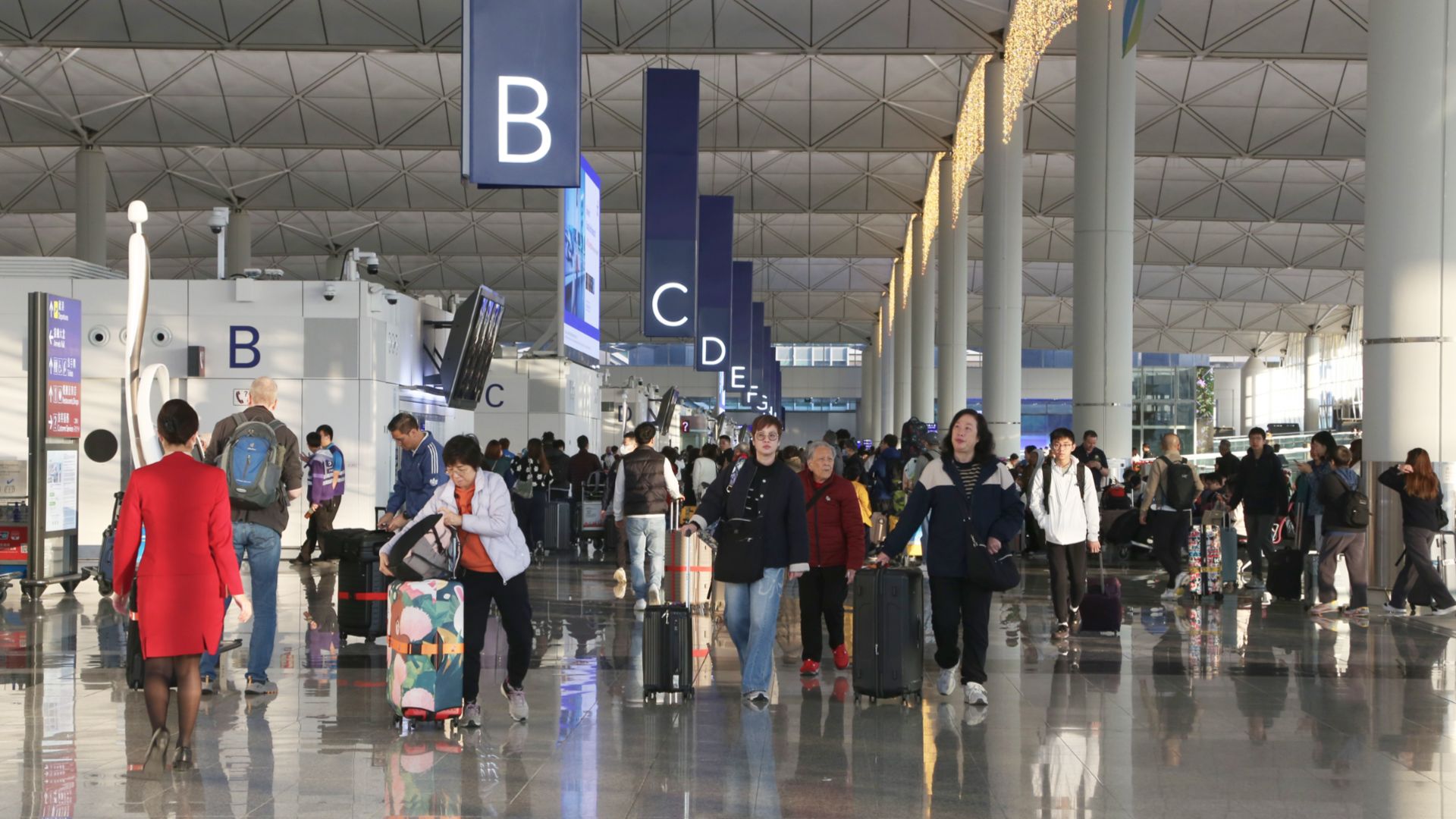
Hong Kong International Airport’s recovery as a global aviation hub is driving a sharp rebound in passenger traffic, with throughput rising 19.6 percent year on year in March to 5.74 million यात्रies, marking one of the clearest signs yet that long-haul connectivity and transit flows are normalizing at scale.
What is confirmed is that the increase is not primarily driven by local travel demand but by the airport’s traditional role as a transfer hub.
Double-digit growth in transit and transfer passengers accounted for a large share of the rise, alongside a steady increase in inbound visitors.
This reflects the restoration of airline networks and the reactivation of Hong Kong’s position as a connecting point between Asia, Europe, and beyond.
The mechanics of the rebound are structural.
Airlines have rebuilt capacity across key regional corridors, particularly routes linking Hong Kong with Southeast Asia and mainland China.
Several of these routes now rank among the busiest international air corridors globally, indicating that short- and medium-haul travel demand has returned to high frequency, high-density patterns.
At the same time, long-haul travel has been partially reshaped by external disruptions, with geopolitical tensions in the Middle East diverting some Europe-bound traffic through alternative hubs, including Hong Kong.
This combination of restored regional demand and redirected long-haul flows has amplified passenger volumes without a corresponding surge in flight movements, which rose only 2.7 percent in March.
The imbalance points to higher load factors and more efficient aircraft utilization, suggesting airlines are filling more seats per flight rather than simply adding capacity.
The broader trend reinforces a sustained recovery trajectory.
In the first quarter of the year, passenger traffic exceeded 16.6 million, up more than 14 percent compared with the same period a year earlier.
On a rolling twelve-month basis, the airport handled over 63 million passengers, reflecting a consistent double-digit expansion as international travel continues to normalize after pandemic-era disruptions.
However, the recovery is uneven across business lines.
Cargo volumes declined 4.4 percent in March, driven by a sharp contraction in exports to the Middle East following regional instability.
While imports and transshipment activity increased, offsetting part of the decline, the divergence highlights how passenger and cargo dynamics are responding differently to geopolitical risk and shifting trade patterns.
The underlying infrastructure strategy is central to the airport’s trajectory.
Expansion through a three-runway system and continued investment in transit facilities is designed to significantly increase long-term capacity, with the stated goal of handling up to 120 million passengers annually within the next decade.
The current surge suggests that demand is already moving in that direction, particularly as airlines restore full network connectivity and business travel gradually strengthens.
The immediate implication is that Hong Kong is re-establishing itself as a high-volume, high-efficiency transit hub at a time when global aviation flows are being reconfigured by both recovery dynamics and geopolitical disruptions.
The March figures show that the airport is not merely regaining lost traffic but actively capturing redirected demand, reinforcing its strategic role in international air travel.
With passenger growth outpacing flight increases and infrastructure expansion underway, the airport is entering a phase where capacity, connectivity, and geopolitical positioning are converging to drive sustained traffic gains.
What is confirmed is that the increase is not primarily driven by local travel demand but by the airport’s traditional role as a transfer hub.
Double-digit growth in transit and transfer passengers accounted for a large share of the rise, alongside a steady increase in inbound visitors.
This reflects the restoration of airline networks and the reactivation of Hong Kong’s position as a connecting point between Asia, Europe, and beyond.
The mechanics of the rebound are structural.
Airlines have rebuilt capacity across key regional corridors, particularly routes linking Hong Kong with Southeast Asia and mainland China.
Several of these routes now rank among the busiest international air corridors globally, indicating that short- and medium-haul travel demand has returned to high frequency, high-density patterns.
At the same time, long-haul travel has been partially reshaped by external disruptions, with geopolitical tensions in the Middle East diverting some Europe-bound traffic through alternative hubs, including Hong Kong.
This combination of restored regional demand and redirected long-haul flows has amplified passenger volumes without a corresponding surge in flight movements, which rose only 2.7 percent in March.
The imbalance points to higher load factors and more efficient aircraft utilization, suggesting airlines are filling more seats per flight rather than simply adding capacity.
The broader trend reinforces a sustained recovery trajectory.
In the first quarter of the year, passenger traffic exceeded 16.6 million, up more than 14 percent compared with the same period a year earlier.
On a rolling twelve-month basis, the airport handled over 63 million passengers, reflecting a consistent double-digit expansion as international travel continues to normalize after pandemic-era disruptions.
However, the recovery is uneven across business lines.
Cargo volumes declined 4.4 percent in March, driven by a sharp contraction in exports to the Middle East following regional instability.
While imports and transshipment activity increased, offsetting part of the decline, the divergence highlights how passenger and cargo dynamics are responding differently to geopolitical risk and shifting trade patterns.
The underlying infrastructure strategy is central to the airport’s trajectory.
Expansion through a three-runway system and continued investment in transit facilities is designed to significantly increase long-term capacity, with the stated goal of handling up to 120 million passengers annually within the next decade.
The current surge suggests that demand is already moving in that direction, particularly as airlines restore full network connectivity and business travel gradually strengthens.
The immediate implication is that Hong Kong is re-establishing itself as a high-volume, high-efficiency transit hub at a time when global aviation flows are being reconfigured by both recovery dynamics and geopolitical disruptions.
The March figures show that the airport is not merely regaining lost traffic but actively capturing redirected demand, reinforcing its strategic role in international air travel.
With passenger growth outpacing flight increases and infrastructure expansion underway, the airport is entering a phase where capacity, connectivity, and geopolitical positioning are converging to drive sustained traffic gains.