The Chinese solar inverter manufacturer is reportedly returning to a long-delayed Hong Kong IPO strategy, seeking fresh funding as global renewable energy expansion intensifies competition for manufacturing scale.
ACTOR-DRIVEN: SUNGROW AND ITS CAPITAL MARKET STRATEGY
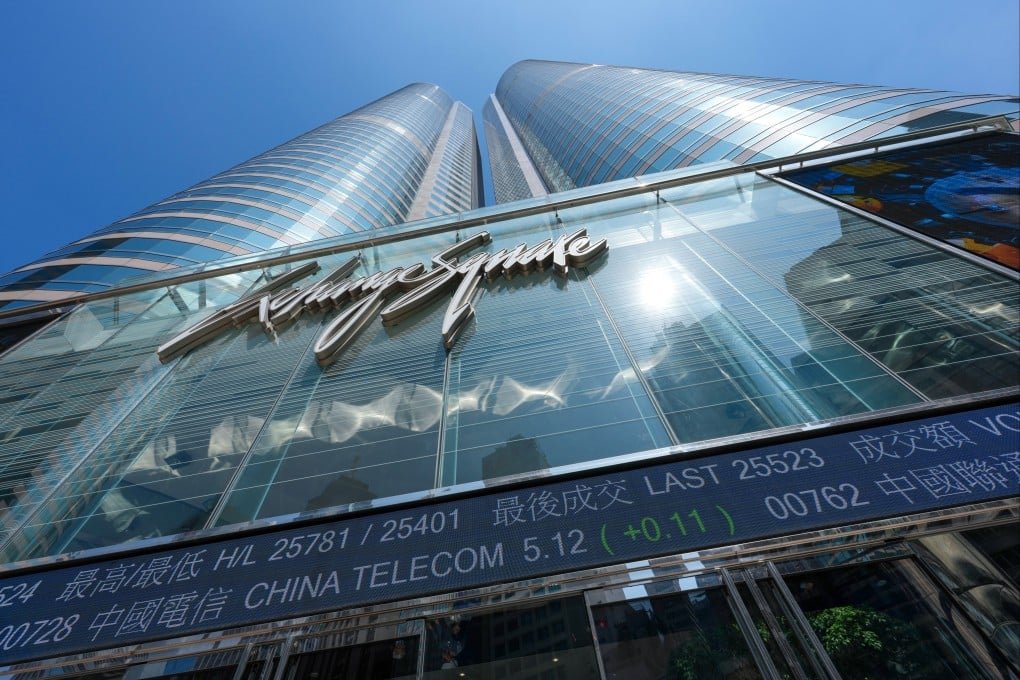
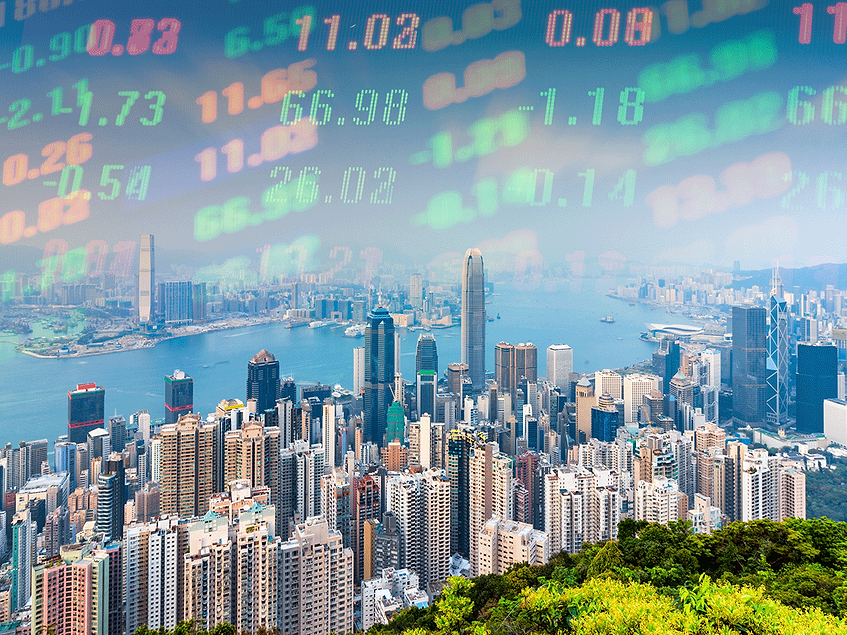
Sungrow Power Supply, one of the world’s largest manufacturers of solar inverters and energy storage systems, is moving to revive plans for a Hong Kong stock market listing as demand for clean energy infrastructure continues to expand globally.
The company sits at a critical point in the renewable energy supply chain.
Solar inverters, its core product, convert electricity generated by solar panels into usable grid power.
Without them, large-scale solar deployment cannot function.
This positions Sungrow not as a consumer-facing brand, but as a core industrial supplier to global energy systems.
What is confirmed is that Sungrow is already a dominant global player in inverter manufacturing, competing across major international markets and supplying utility-scale solar and storage projects.
The company has built its position through rapid scaling in manufacturing capacity and continuous product development aimed at higher-efficiency and grid-compatible systems.
The renewed push toward a Hong Kong listing is framed by broader financing pressure across the renewable energy sector.
Clean energy companies are entering a capital-intensive phase where expansion depends on securing large-scale funding for factories, supply chains, and research into next-generation grid integration technologies.
The reported IPO revival reflects a strategic shift rather than a standalone financial move.
Access to Hong Kong capital markets would provide Sungrow with an additional funding channel outside mainland China, potentially increasing flexibility in foreign currency fundraising and international investor participation.
The timing aligns with sustained global investment in solar power, driven by energy security concerns, decarbonization targets, and rising electricity demand from electrification and data infrastructure growth.
These forces are pushing utilities and governments to accelerate renewable deployment, which in turn increases demand for core hardware suppliers like inverter manufacturers.
Within this context, competition in the sector is intensifying.
Industrial players are scaling production aggressively, while also investing in software-enabled grid management and energy storage integration.
The inverter market has become more than a hardware business; it is increasingly tied to digital energy control systems and large-scale infrastructure coordination.
For Sungrow, renewed access to equity markets would likely support expansion of manufacturing capacity and continued international growth.
It would also strengthen its ability to compete in regions where supply chain reliability and pricing pressure are tightening margins across the renewable equipment industry.
The broader implication is structural: clean energy supply chains are entering a phase where capital markets are directly shaping industrial scale.
Companies like Sungrow are no longer raising funds solely for incremental growth but to compete in a global race to supply the backbone infrastructure of the energy transition.
Sungrow Power Supply, one of the world’s largest manufacturers of solar inverters and energy storage systems, is moving to revive plans for a Hong Kong stock market listing as demand for clean energy infrastructure continues to expand globally.
The company sits at a critical point in the renewable energy supply chain.
Solar inverters, its core product, convert electricity generated by solar panels into usable grid power.
Without them, large-scale solar deployment cannot function.
This positions Sungrow not as a consumer-facing brand, but as a core industrial supplier to global energy systems.
What is confirmed is that Sungrow is already a dominant global player in inverter manufacturing, competing across major international markets and supplying utility-scale solar and storage projects.
The company has built its position through rapid scaling in manufacturing capacity and continuous product development aimed at higher-efficiency and grid-compatible systems.
The renewed push toward a Hong Kong listing is framed by broader financing pressure across the renewable energy sector.
Clean energy companies are entering a capital-intensive phase where expansion depends on securing large-scale funding for factories, supply chains, and research into next-generation grid integration technologies.
The reported IPO revival reflects a strategic shift rather than a standalone financial move.
Access to Hong Kong capital markets would provide Sungrow with an additional funding channel outside mainland China, potentially increasing flexibility in foreign currency fundraising and international investor participation.
The timing aligns with sustained global investment in solar power, driven by energy security concerns, decarbonization targets, and rising electricity demand from electrification and data infrastructure growth.
These forces are pushing utilities and governments to accelerate renewable deployment, which in turn increases demand for core hardware suppliers like inverter manufacturers.
Within this context, competition in the sector is intensifying.
Industrial players are scaling production aggressively, while also investing in software-enabled grid management and energy storage integration.
The inverter market has become more than a hardware business; it is increasingly tied to digital energy control systems and large-scale infrastructure coordination.
For Sungrow, renewed access to equity markets would likely support expansion of manufacturing capacity and continued international growth.
It would also strengthen its ability to compete in regions where supply chain reliability and pricing pressure are tightening margins across the renewable equipment industry.
The broader implication is structural: clean energy supply chains are entering a phase where capital markets are directly shaping industrial scale.
Companies like Sungrow are no longer raising funds solely for incremental growth but to compete in a global race to supply the backbone infrastructure of the energy transition.