The case exposes how foreign intelligence operations have allegedly targeted activists in Britain, raising pressure on security services and diplomatic relations with Beijing.
A British court has convicted two men of carrying out surveillance on Hong Kong pro-democracy activists living in the United Kingdom, in a case that has intensified concerns about foreign intelligence operations on British soil.
The story is fundamentally actor-driven.
The central issue is the alleged conduct of individuals operating within the UK who were accused of acting on behalf of a foreign state to monitor, intimidate or gather intelligence on dissidents who had fled Hong Kong after Beijing tightened political control over the territory.
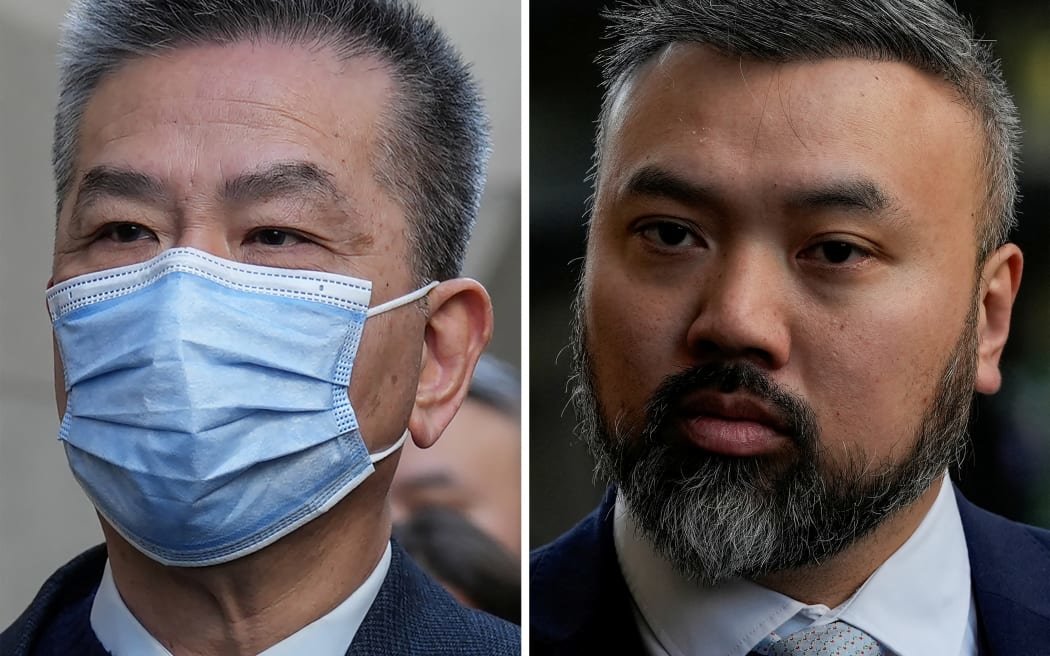
What is confirmed is that the two men were found guilty of spying-related offenses tied to the surveillance of Hong Kong activists residing in Britain.
The court concluded that their actions formed part of an operation that targeted individuals critical of the Chinese government and supportive of Hong Kong’s pro-democracy movement.
The case centers on the broader context of Hong Kong’s political transformation following the imposition of a sweeping national security law by Beijing in 2020. That law significantly curtailed political freedoms, leading to arrests, prosecutions and a wave of emigration by activists, journalists and opposition figures.
Many of those who left Hong Kong relocated to countries including the United Kingdom, which has offered residency pathways to certain Hong Kong nationals under special visa arrangements.
As a result, the UK has become a prominent hub for exiled activists and diaspora political activity.
The prosecution argued that the convicted individuals engaged in surveillance activities aimed at monitoring these dissidents.
The conduct included gathering information and tracking the movements of targeted individuals, raising concerns that such activity could contribute to intimidation or suppression of political expression abroad.
The case reflects growing concern among Western governments about what they describe as transnational repression, where states are alleged to extend coercive influence beyond their borders to monitor, pressure or silence critics living overseas.
British security services have previously warned that foreign intelligence operations can target diaspora communities, particularly individuals involved in politically sensitive activism related to China, Iran and Russia.
These concerns have led to increased monitoring, counterintelligence operations and public warnings to affected communities.
The conviction is also politically sensitive because it touches on UK–China relations, which have experienced sustained tension over issues including Hong Kong autonomy, human rights, cybersecurity and political influence operations.
Chinese authorities have consistently rejected allegations of overseas interference, stating that they do not engage in unlawful surveillance or intimidation abroad and criticizing Western governments for what they describe as politicizing judicial and security matters.
The court ruling reinforces the legal position that surveillance and intelligence gathering on behalf of a foreign state, particularly when directed at political dissidents, can constitute a criminal offense under UK law when it crosses into unauthorized intelligence activity.
It also highlights the vulnerability felt by diaspora activists, many of whom argue that even after relocating to countries with strong rule-of-law protections, they continue to face pressure, monitoring or indirect threats linked to their political activity.
Security analysts say such cases are difficult to detect because they often involve layered networks, informal coordination and deniable intermediaries rather than overt diplomatic or official intelligence presence.
The immediate consequence of the verdict is the confirmation of criminal liability for the individuals involved, along with renewed scrutiny of how foreign intelligence operations may be conducted on British territory.
The case is expected to feed into broader policy discussions on counter-espionage, community protection and foreign influence operations in the UK.
The story is fundamentally actor-driven.
The central issue is the alleged conduct of individuals operating within the UK who were accused of acting on behalf of a foreign state to monitor, intimidate or gather intelligence on dissidents who had fled Hong Kong after Beijing tightened political control over the territory.
What is confirmed is that the two men were found guilty of spying-related offenses tied to the surveillance of Hong Kong activists residing in Britain.
The court concluded that their actions formed part of an operation that targeted individuals critical of the Chinese government and supportive of Hong Kong’s pro-democracy movement.
The case centers on the broader context of Hong Kong’s political transformation following the imposition of a sweeping national security law by Beijing in 2020. That law significantly curtailed political freedoms, leading to arrests, prosecutions and a wave of emigration by activists, journalists and opposition figures.
Many of those who left Hong Kong relocated to countries including the United Kingdom, which has offered residency pathways to certain Hong Kong nationals under special visa arrangements.
As a result, the UK has become a prominent hub for exiled activists and diaspora political activity.
The prosecution argued that the convicted individuals engaged in surveillance activities aimed at monitoring these dissidents.
The conduct included gathering information and tracking the movements of targeted individuals, raising concerns that such activity could contribute to intimidation or suppression of political expression abroad.
The case reflects growing concern among Western governments about what they describe as transnational repression, where states are alleged to extend coercive influence beyond their borders to monitor, pressure or silence critics living overseas.
British security services have previously warned that foreign intelligence operations can target diaspora communities, particularly individuals involved in politically sensitive activism related to China, Iran and Russia.
These concerns have led to increased monitoring, counterintelligence operations and public warnings to affected communities.
The conviction is also politically sensitive because it touches on UK–China relations, which have experienced sustained tension over issues including Hong Kong autonomy, human rights, cybersecurity and political influence operations.
Chinese authorities have consistently rejected allegations of overseas interference, stating that they do not engage in unlawful surveillance or intimidation abroad and criticizing Western governments for what they describe as politicizing judicial and security matters.
The court ruling reinforces the legal position that surveillance and intelligence gathering on behalf of a foreign state, particularly when directed at political dissidents, can constitute a criminal offense under UK law when it crosses into unauthorized intelligence activity.
It also highlights the vulnerability felt by diaspora activists, many of whom argue that even after relocating to countries with strong rule-of-law protections, they continue to face pressure, monitoring or indirect threats linked to their political activity.
Security analysts say such cases are difficult to detect because they often involve layered networks, informal coordination and deniable intermediaries rather than overt diplomatic or official intelligence presence.
The immediate consequence of the verdict is the confirmation of criminal liability for the individuals involved, along with renewed scrutiny of how foreign intelligence operations may be conducted on British territory.
The case is expected to feed into broader policy discussions on counter-espionage, community protection and foreign influence operations in the UK.