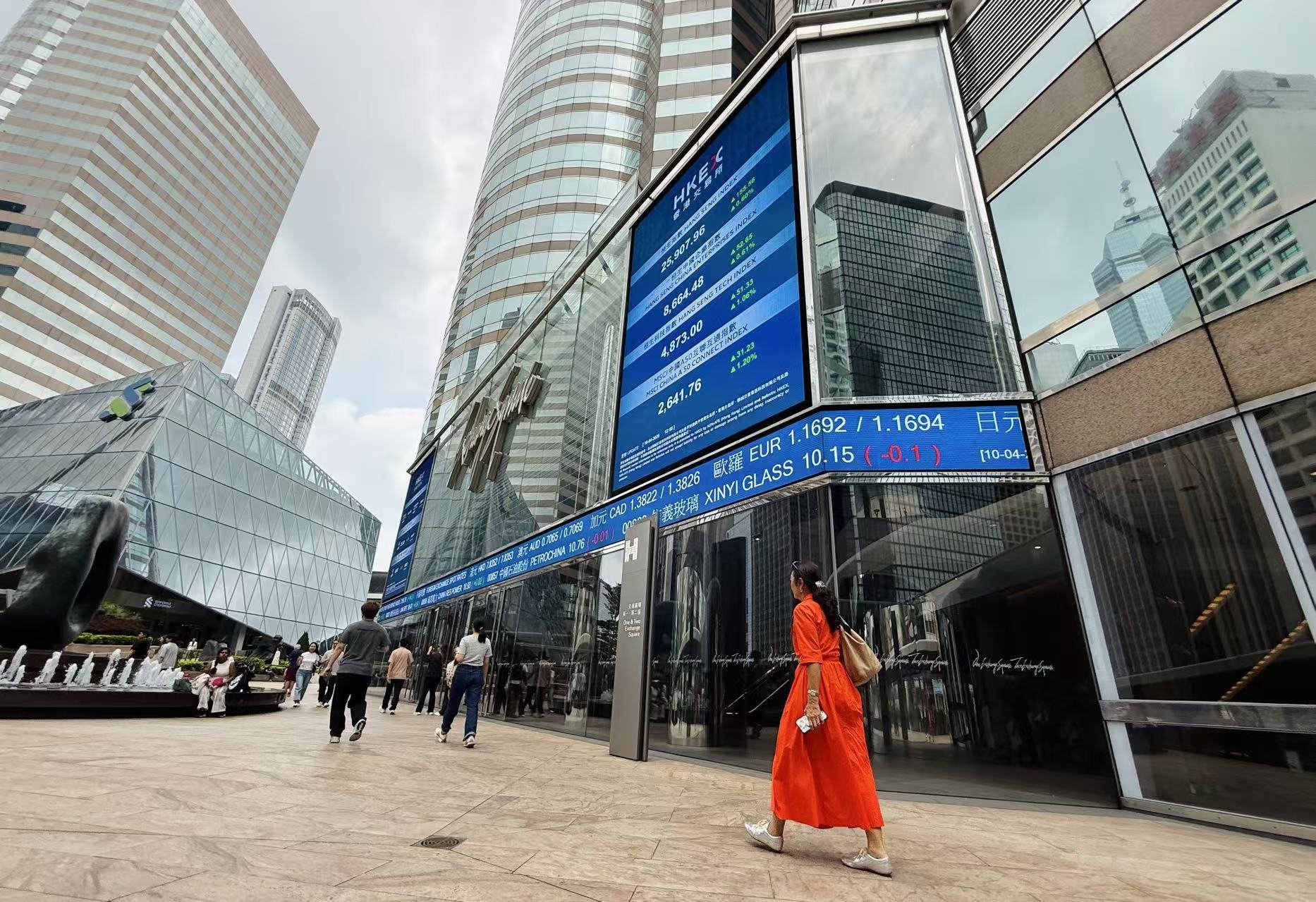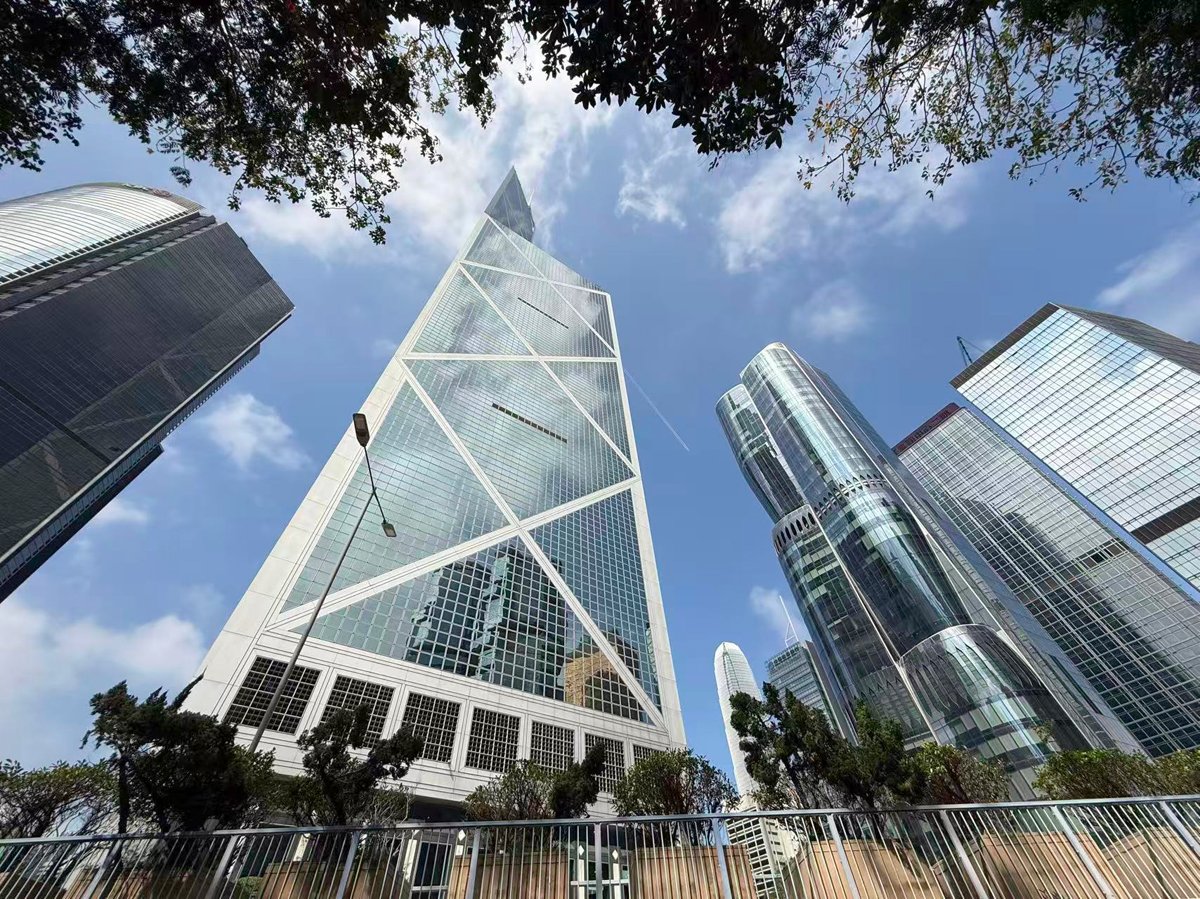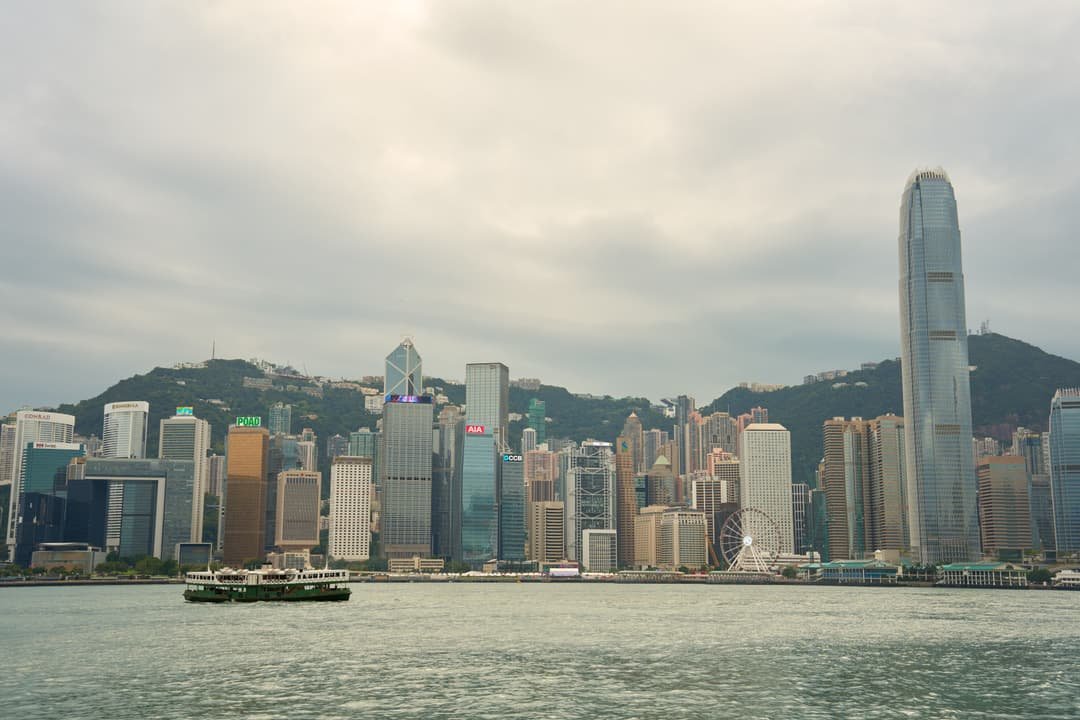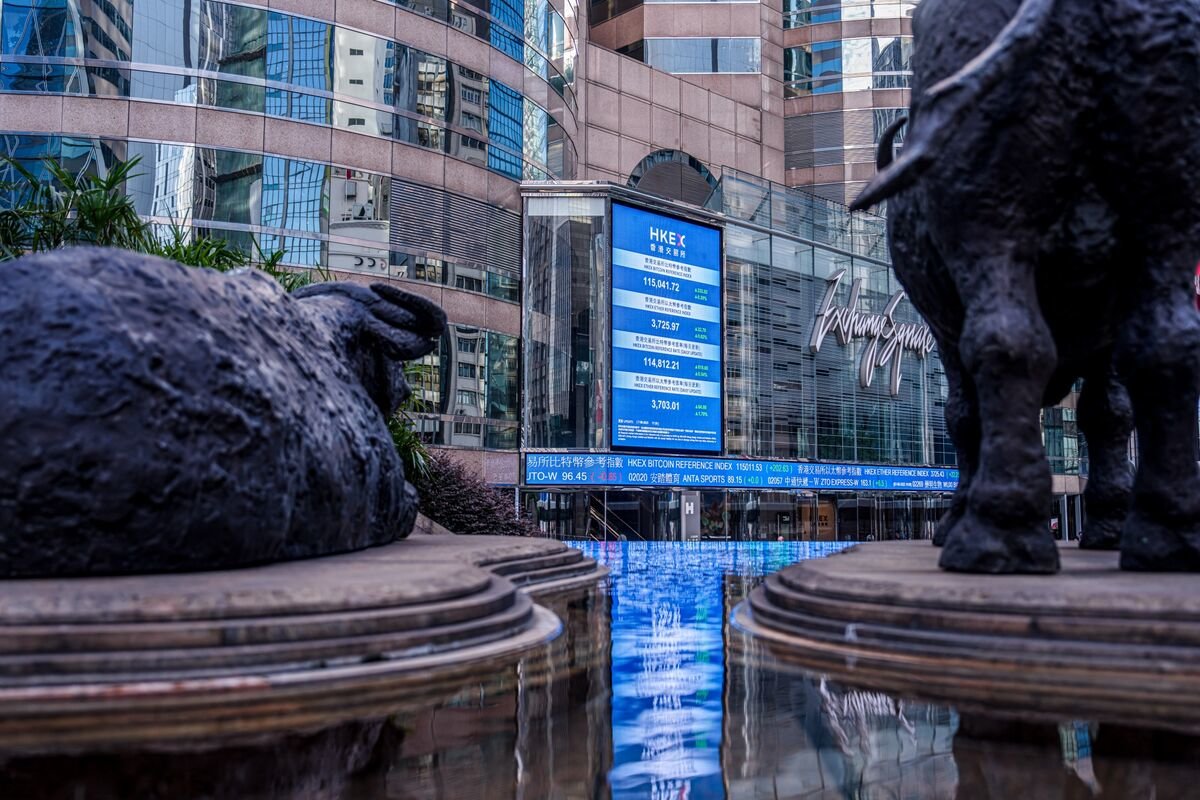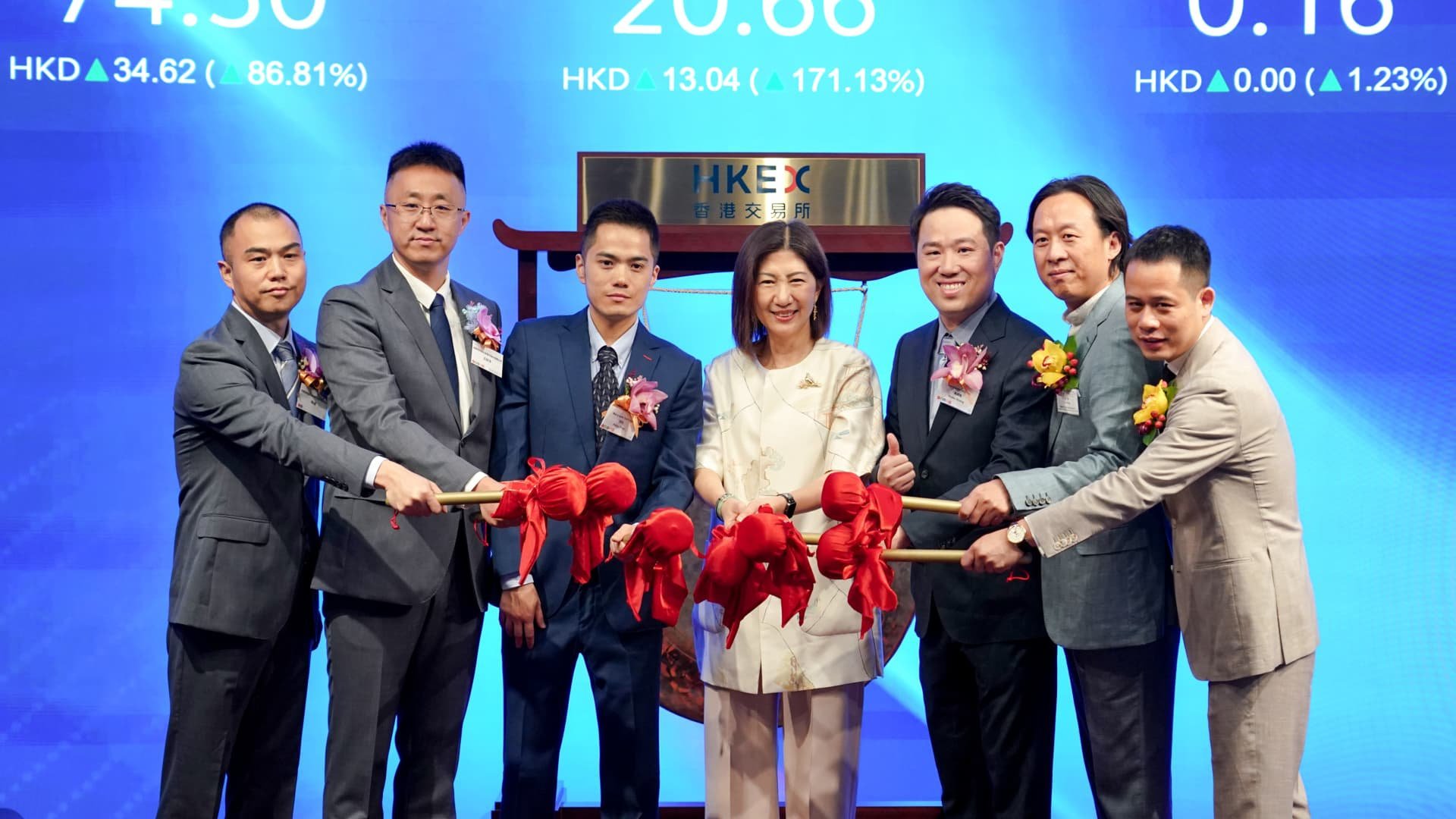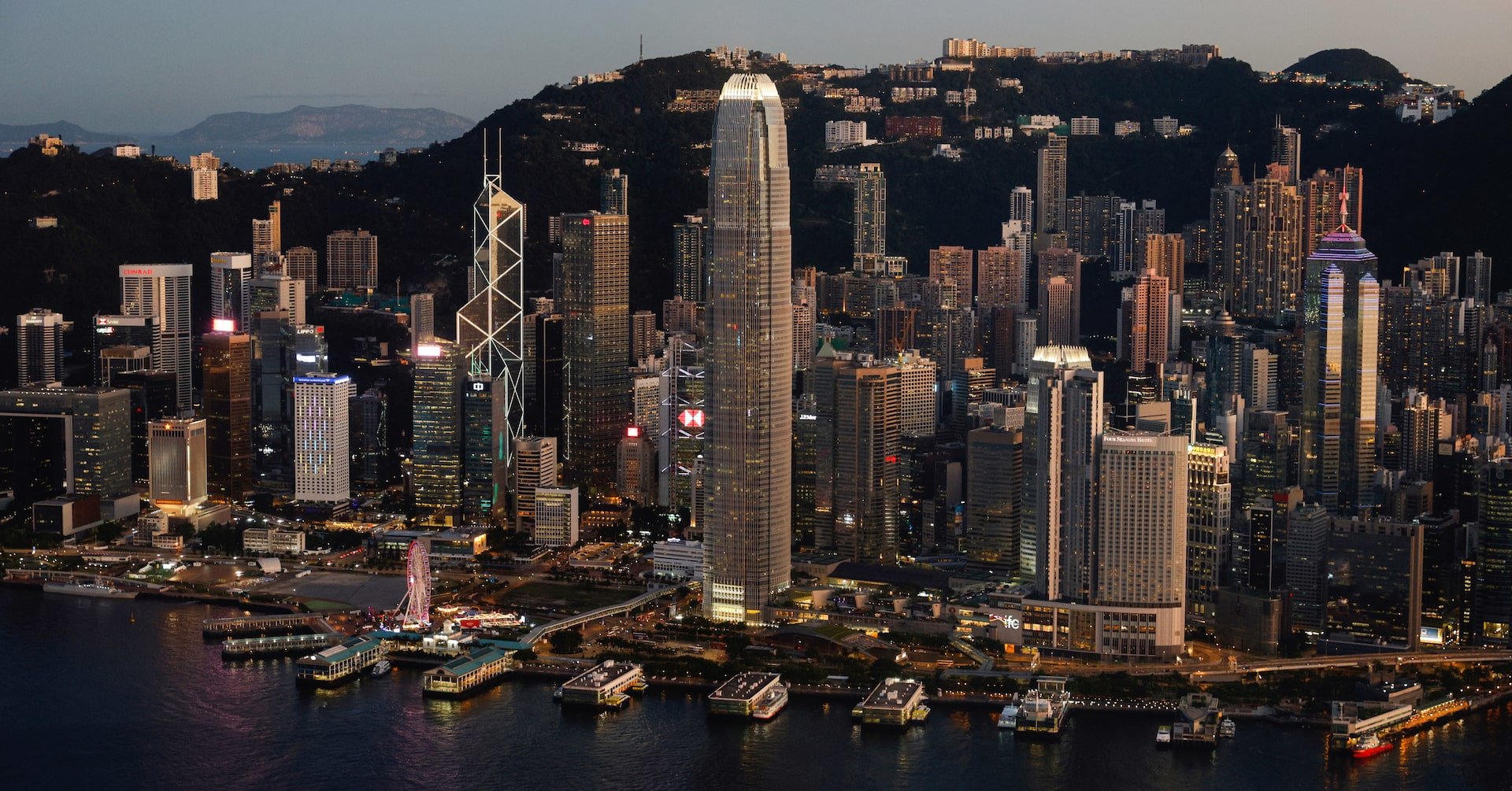
Financial institutions from the Gulf are deepening their presence in Hong Kong as they reposition for access to Chinese capital markets and cross-border investment flows.
The expansion of Middle Eastern banks into Hong Kong reflects a structural shift in global capital flows, driven by efforts from Gulf financial institutions to gain deeper access to China-linked investment opportunities and diversify away from traditional Western financial centers.
The move is unfolding through a steady build-up of regional headquarters, hiring expansions, and increased regulatory engagement in Hong Kong’s financial sector.
What is confirmed is that several major banks and financial groups from the Gulf region have increased their operational footprint in Hong Kong over recent years, including Islamic banks and sovereign-linked financial institutions.
These firms are using Hong Kong as a gateway into mainland China’s capital markets, which remain partially restricted to direct foreign access but are increasingly interconnected through cross-border financial schemes and investment channels.
The mechanism driving this shift is both economic and geopolitical.
Gulf economies, led by sovereign wealth strategies in energy-rich states, are actively seeking to reduce reliance on Western financial infrastructure while capturing growth opportunities tied to Asia’s expanding wealth creation.
China, despite slower headline growth compared to previous decades, remains a central destination for long-term capital allocation due to its scale, manufacturing base, and evolving financial liberalization efforts.
Hong Kong plays a critical intermediary role in this strategy.
The city’s legal system, currency convertibility, and deep capital markets make it one of the few jurisdictions capable of bridging Chinese financial institutions with international investors at scale.
For Middle Eastern banks, establishing a stronger presence there enables participation in bond issuance, wealth management, and cross-border lending tied to Chinese firms and Belt and Road-linked infrastructure projects.
At the same time, the expansion reflects a recalibration of global financial influence.
Western banks have faced increased regulatory complexity in China and tighter scrutiny of cross-border flows, while Middle Eastern institutions have positioned themselves as neutral capital intermediaries.
This has allowed them to pursue partnerships with Chinese state-owned banks, fintech firms, and asset managers without the same political friction experienced by some Western counterparts.
The stakes are significant for Hong Kong itself.
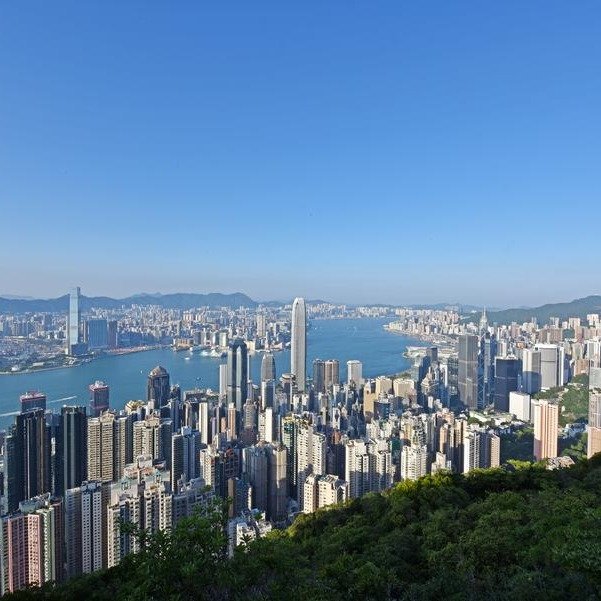
The city has been working to reinforce its status as a global financial hub amid competition from Singapore and evolving geopolitical tensions between China and Western economies.
The influx of Gulf financial institutions adds another layer of international capital diversification at a time when Hong Kong is seeking to stabilize foreign participation in its markets.
For China, the trend supports a broader objective of widening the international use of its financial infrastructure while maintaining controlled capital account conditions.
Increased engagement with Middle Eastern financial actors provides alternative channels for capital inflows and investment partnerships that are less dependent on Western-led institutions.
The development is still in an expansion phase, with banks gradually scaling hiring, compliance operations, and product offerings in Hong Kong rather than executing sudden structural shifts.
The trajectory indicates a long-term repositioning of financial networks rather than a short-term speculative cycle, with Hong Kong acting as the central conduit linking Gulf capital and Chinese markets.
The move is unfolding through a steady build-up of regional headquarters, hiring expansions, and increased regulatory engagement in Hong Kong’s financial sector.
What is confirmed is that several major banks and financial groups from the Gulf region have increased their operational footprint in Hong Kong over recent years, including Islamic banks and sovereign-linked financial institutions.
These firms are using Hong Kong as a gateway into mainland China’s capital markets, which remain partially restricted to direct foreign access but are increasingly interconnected through cross-border financial schemes and investment channels.
The mechanism driving this shift is both economic and geopolitical.
Gulf economies, led by sovereign wealth strategies in energy-rich states, are actively seeking to reduce reliance on Western financial infrastructure while capturing growth opportunities tied to Asia’s expanding wealth creation.
China, despite slower headline growth compared to previous decades, remains a central destination for long-term capital allocation due to its scale, manufacturing base, and evolving financial liberalization efforts.
Hong Kong plays a critical intermediary role in this strategy.
The city’s legal system, currency convertibility, and deep capital markets make it one of the few jurisdictions capable of bridging Chinese financial institutions with international investors at scale.
For Middle Eastern banks, establishing a stronger presence there enables participation in bond issuance, wealth management, and cross-border lending tied to Chinese firms and Belt and Road-linked infrastructure projects.
At the same time, the expansion reflects a recalibration of global financial influence.
Western banks have faced increased regulatory complexity in China and tighter scrutiny of cross-border flows, while Middle Eastern institutions have positioned themselves as neutral capital intermediaries.
This has allowed them to pursue partnerships with Chinese state-owned banks, fintech firms, and asset managers without the same political friction experienced by some Western counterparts.
The stakes are significant for Hong Kong itself.
The city has been working to reinforce its status as a global financial hub amid competition from Singapore and evolving geopolitical tensions between China and Western economies.
The influx of Gulf financial institutions adds another layer of international capital diversification at a time when Hong Kong is seeking to stabilize foreign participation in its markets.
For China, the trend supports a broader objective of widening the international use of its financial infrastructure while maintaining controlled capital account conditions.
Increased engagement with Middle Eastern financial actors provides alternative channels for capital inflows and investment partnerships that are less dependent on Western-led institutions.
The development is still in an expansion phase, with banks gradually scaling hiring, compliance operations, and product offerings in Hong Kong rather than executing sudden structural shifts.
The trajectory indicates a long-term repositioning of financial networks rather than a short-term speculative cycle, with Hong Kong acting as the central conduit linking Gulf capital and Chinese markets.