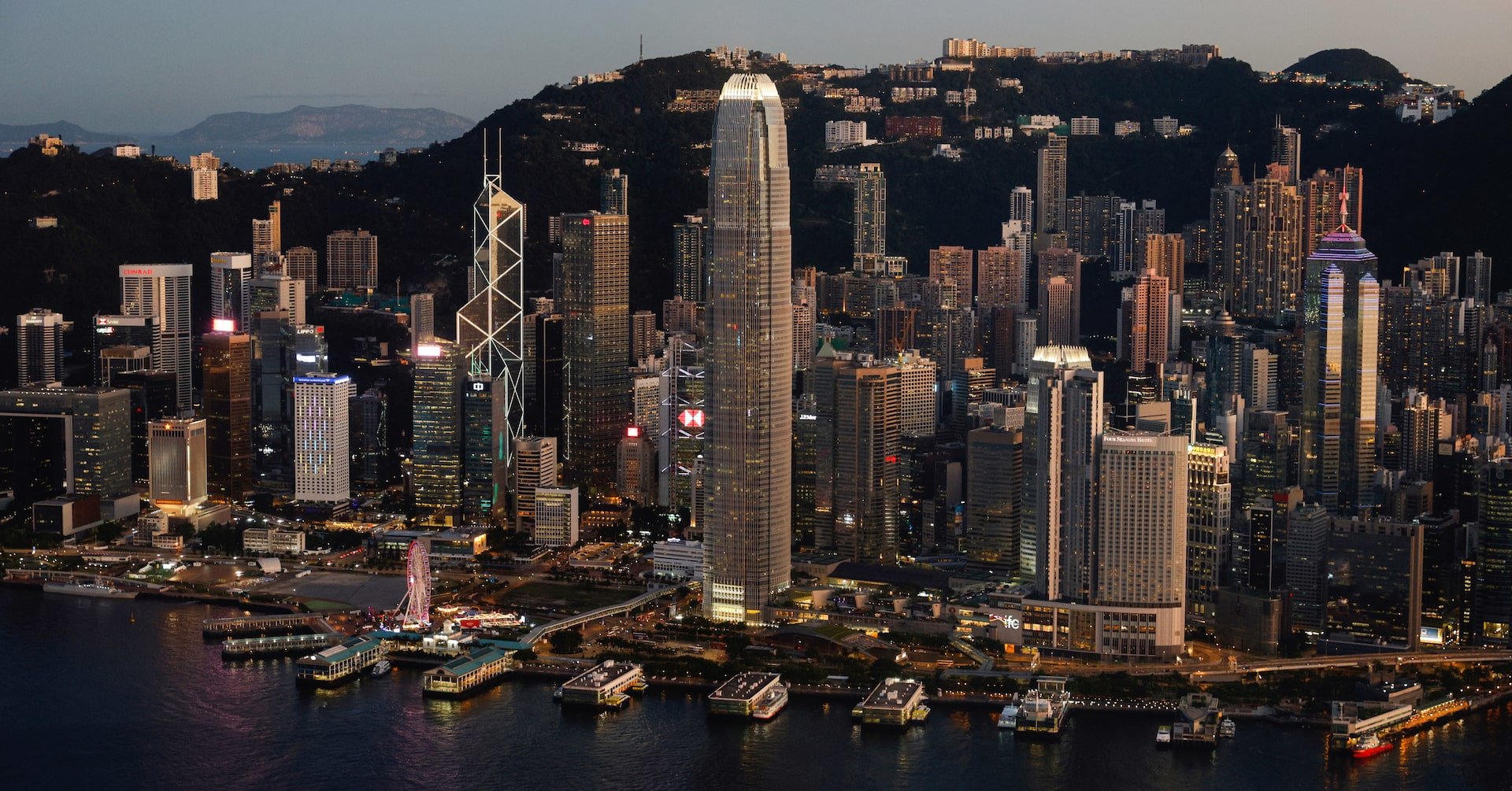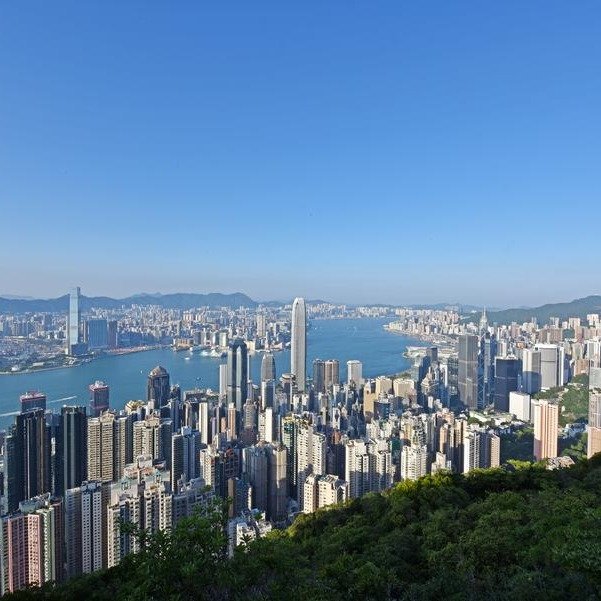
Business leaders and policymakers are positioning Hong Kong as a neutral financial and logistics hub as geopolitical tensions redraw investment flows between Asia, the Gulf, and the West.
The story is fundamentally driven by shifts in the global financial and trade system caused by prolonged instability in the Middle East.
As regional conflict disrupts investment patterns, shipping routes, energy pricing, and diplomatic alignments, Hong Kong is attempting to reposition itself as a beneficiary of the resulting economic realignment rather than a passive observer.
What is confirmed is that Hong Kong authorities, financial institutions, and business groups have intensified outreach to Gulf states and Middle Eastern investors over the past two years.
The effort has accelerated alongside deeper economic engagement between China and Gulf economies, including Saudi Arabia, the United Arab Emirates, and Qatar.
Hong Kong has promoted itself as a platform for Islamic finance, offshore renminbi transactions, wealth management, and infrastructure fundraising tied to Belt and Road projects.
The current Middle East conflict has added urgency to those efforts.
Persistent regional instability has increased the importance of capital preservation, diversification, and politically flexible financial centers.
Hong Kong’s pitch is built around its role as a gateway into China combined with a legal and banking system still integrated with global markets.
For Gulf sovereign wealth funds and corporations seeking exposure to Asian growth while avoiding excessive geopolitical concentration in Europe or the United States, Hong Kong offers both market access and strategic optionality.
The opportunity is not merely financial.
Shipping disruptions in and around critical maritime corridors have pushed Asian governments and businesses to reassess supply chain resilience and logistics networks.
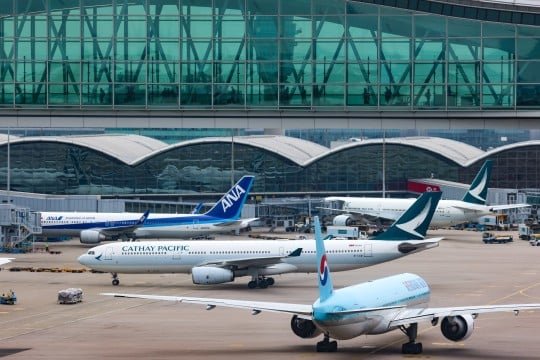
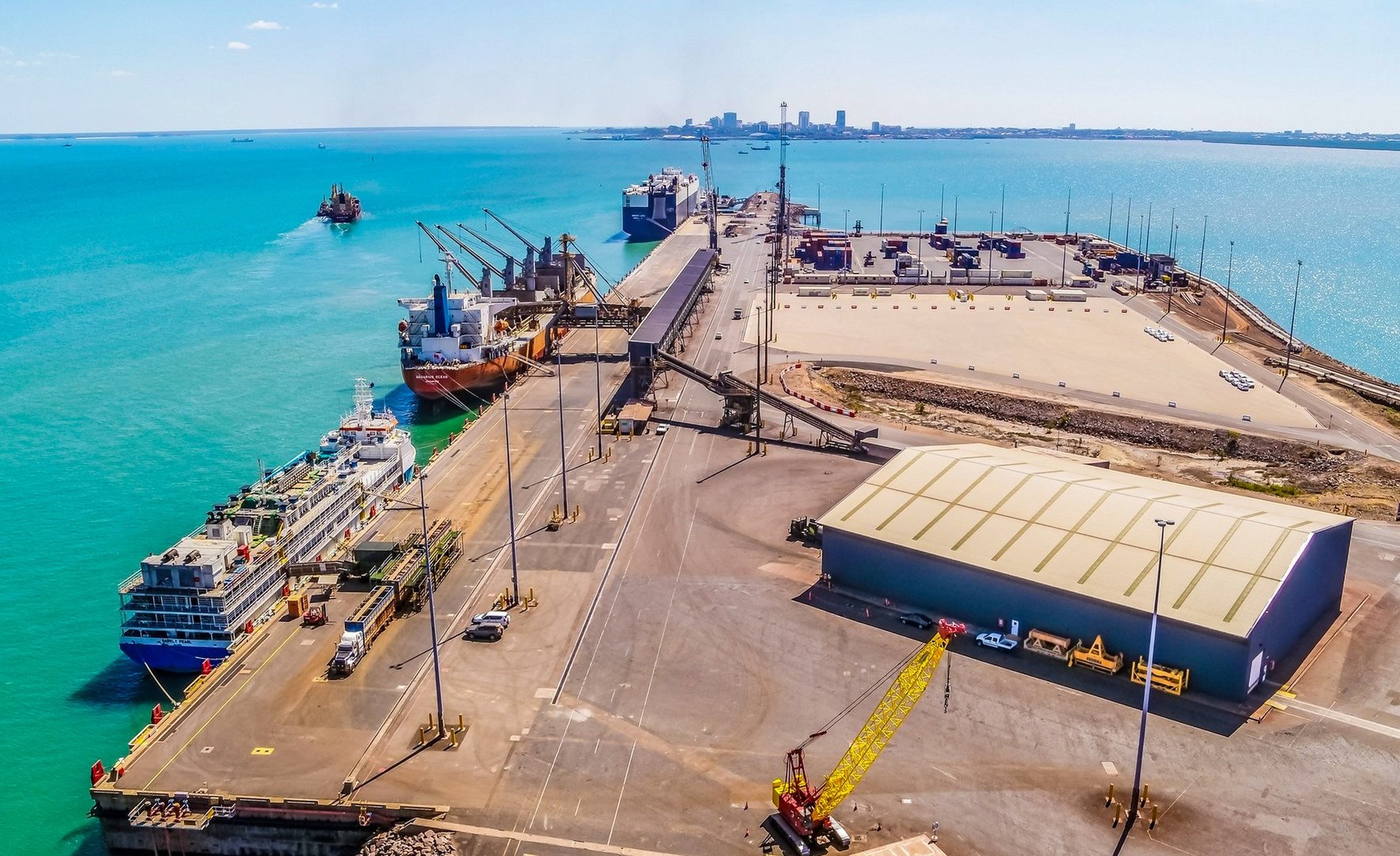
Hong Kong’s port and aviation infrastructure remain among the most sophisticated in Asia despite years of competition from mainland Chinese ports and Singapore.
Regional instability has revived interest in diversified commercial hubs capable of managing trade finance, insurance, arbitration, and cross-border settlement.
The deeper mechanism at work is fragmentation in the global order.
The Middle East conflict has reinforced trends already visible after the pandemic and the war in Ukraine: countries are increasingly diversifying alliances, reserve assets, energy partnerships, and trade exposure.
China has expanded diplomatic and economic engagement across the Gulf, while Gulf states have simultaneously pursued broader ties with Asian economies without fully abandoning Western security relationships.
Hong Kong’s leadership sees this environment as an opening to restore momentum after years marked by political upheaval, pandemic isolation, falling property values, and concerns over the territory’s autonomy and international standing.
Officials have intensified investment roadshows in the Gulf and promoted Hong Kong as a neutral commercial meeting point connecting Chinese capital with Middle Eastern money.
There are concrete signs of traction.
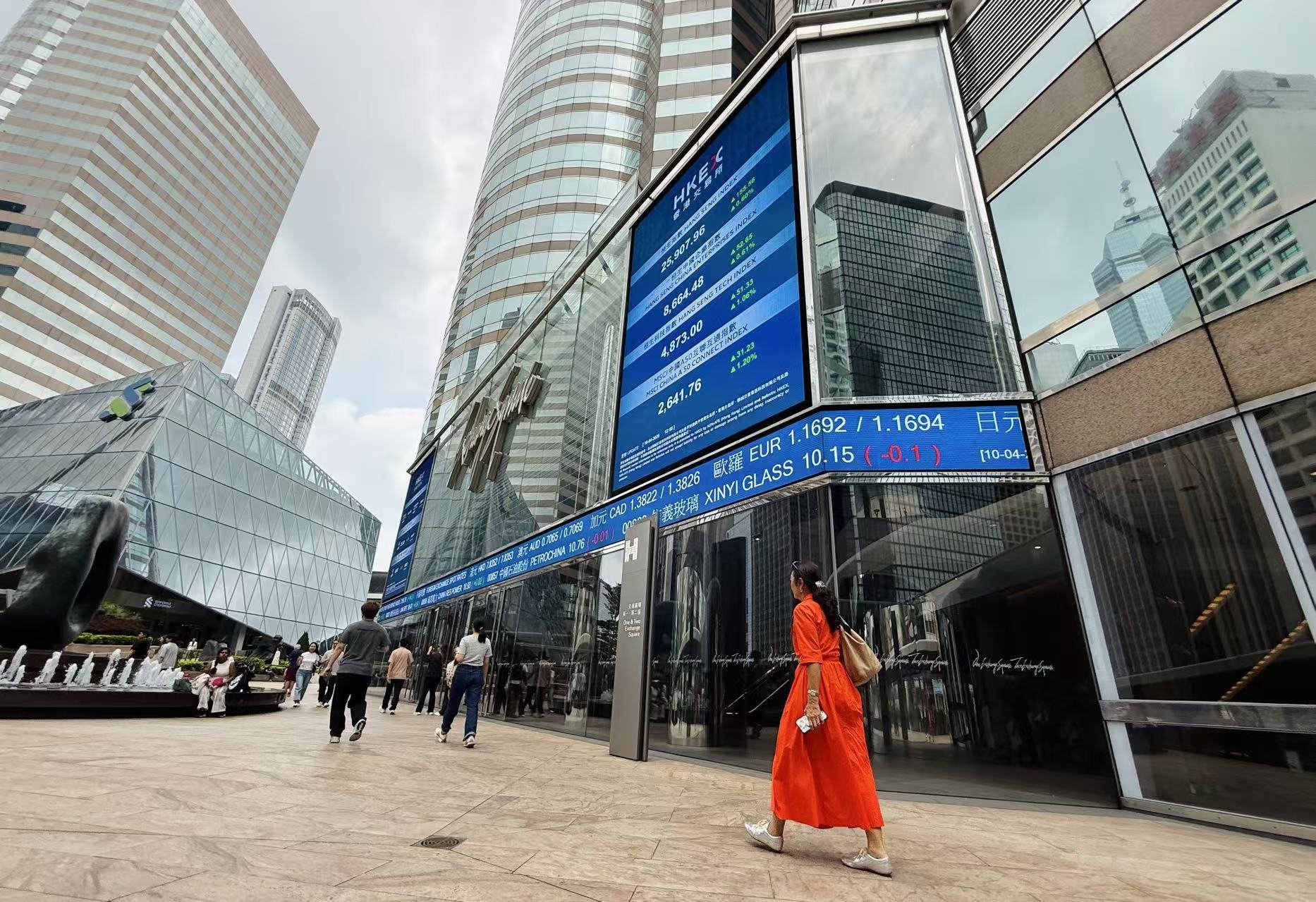
Gulf-linked firms and financial institutions have increased activity in Hong Kong markets, including listings, investment partnerships, exchange-traded products, and discussions around Islamic financial instruments.
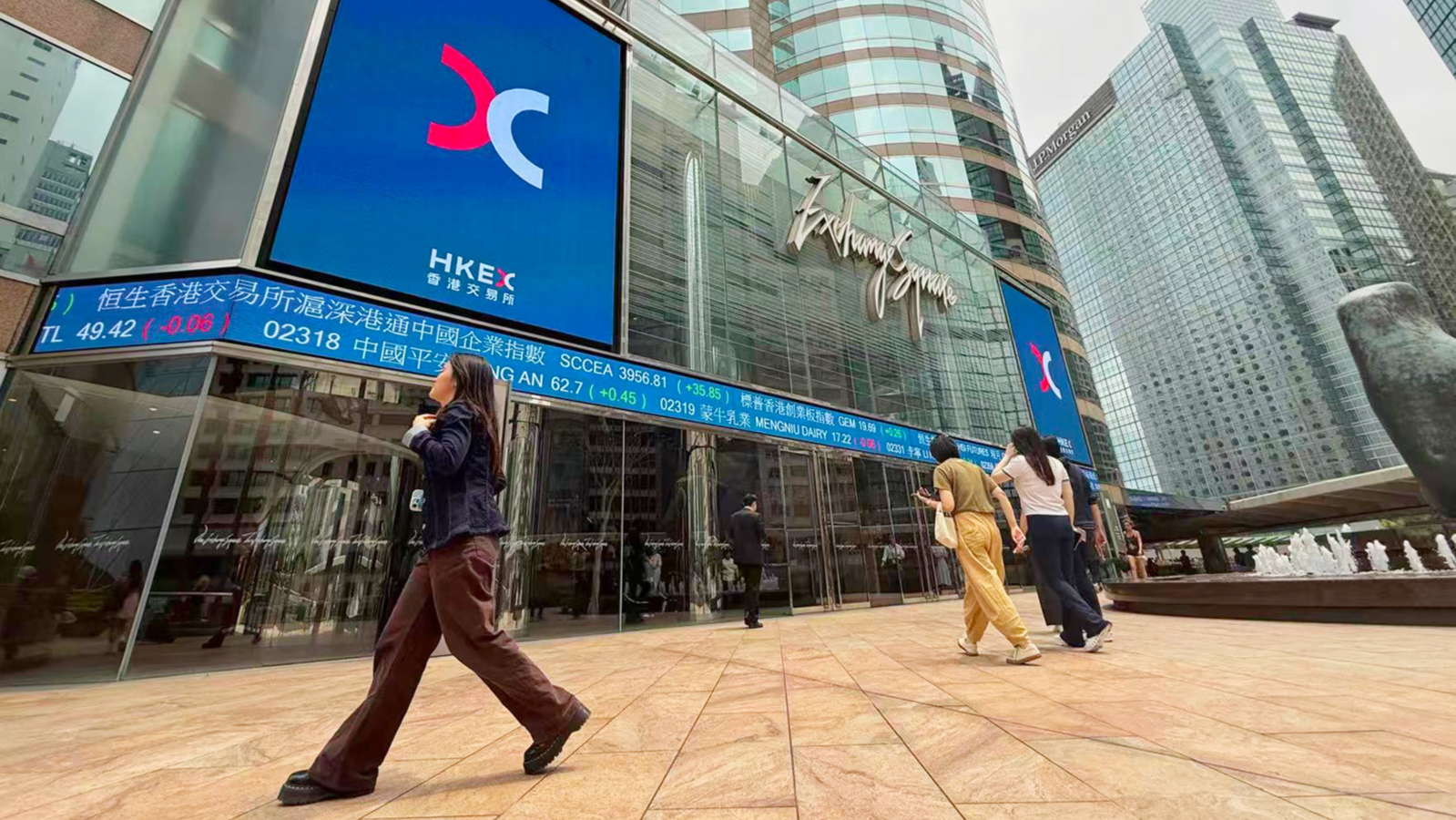
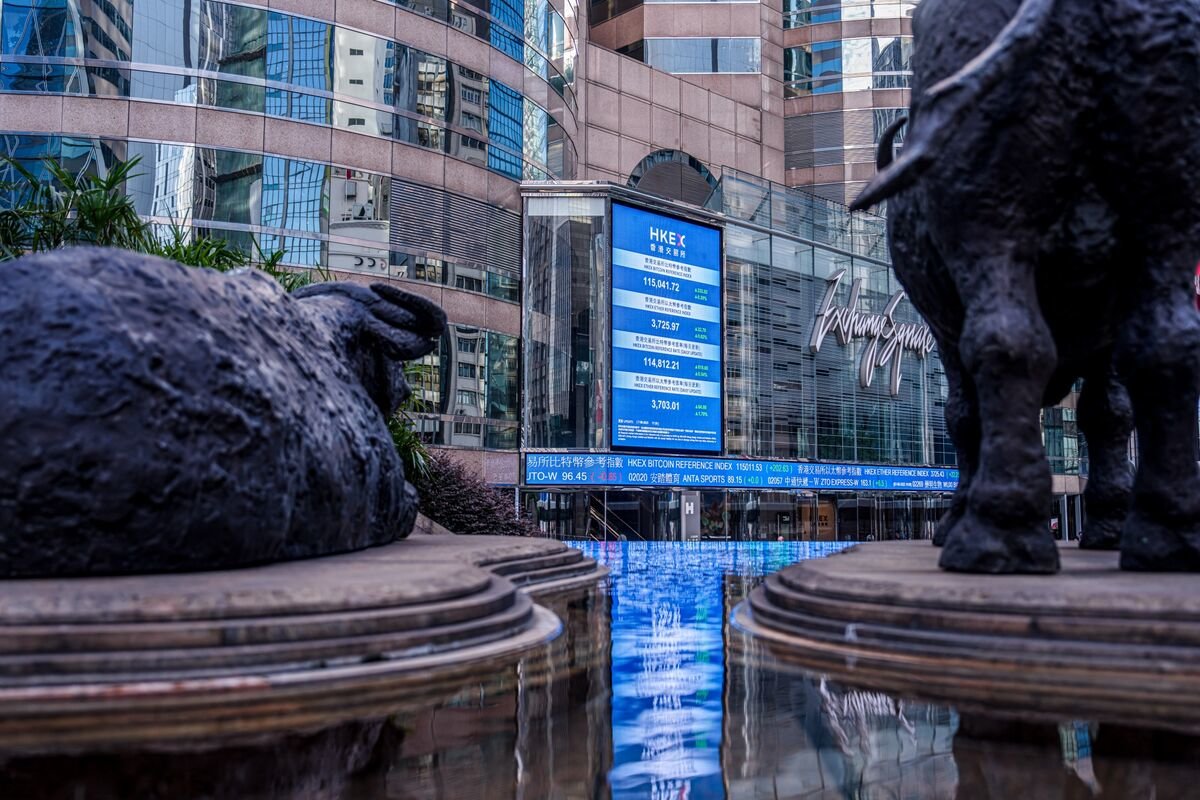
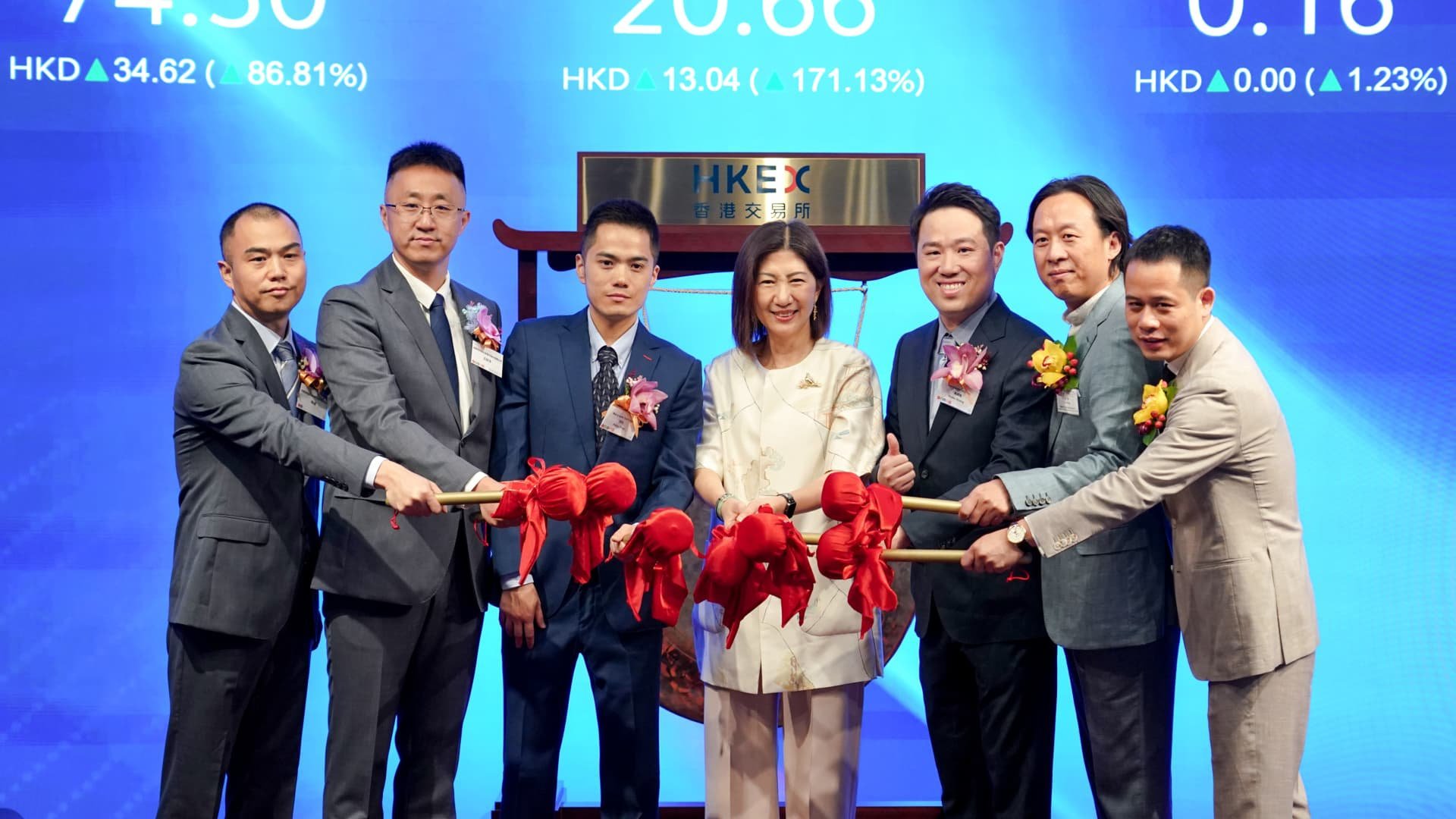
Hong Kong Exchanges and Clearing has pursued closer cooperation with Middle Eastern exchanges, while regional banks from the Gulf have expanded staffing and operational capacity in the city.
At the same time, the strategy faces structural constraints.
Hong Kong remains tightly linked to China’s economic cycle at a time when mainland growth has slowed and the property sector remains under pressure.
Western political scrutiny of Hong Kong’s governance model has also complicated its role as a universally trusted intermediary.
The city’s success depends on convincing global investors that it can remain commercially open even as geopolitical blocs harden.
The key issue is that Hong Kong is attempting to transform geopolitical disruption into economic relevance.
Rather than competing directly with Western financial centers on ideology or political alignment, the city is emphasizing connectivity, liquidity, and access to Chinese markets.
That approach aligns with the priorities of many Gulf investors pursuing pragmatic, multi-aligned economic strategies.
The practical consequence is that Hong Kong is increasingly becoming a meeting ground for capital flows between China and the Middle East at a moment when traditional global financial patterns are fragmenting.
Continued Gulf investment initiatives, financial partnerships, and cross-border market integration efforts are already reshaping the city’s external economic strategy.
As regional conflict disrupts investment patterns, shipping routes, energy pricing, and diplomatic alignments, Hong Kong is attempting to reposition itself as a beneficiary of the resulting economic realignment rather than a passive observer.
What is confirmed is that Hong Kong authorities, financial institutions, and business groups have intensified outreach to Gulf states and Middle Eastern investors over the past two years.
The effort has accelerated alongside deeper economic engagement between China and Gulf economies, including Saudi Arabia, the United Arab Emirates, and Qatar.
Hong Kong has promoted itself as a platform for Islamic finance, offshore renminbi transactions, wealth management, and infrastructure fundraising tied to Belt and Road projects.
The current Middle East conflict has added urgency to those efforts.
Persistent regional instability has increased the importance of capital preservation, diversification, and politically flexible financial centers.
Hong Kong’s pitch is built around its role as a gateway into China combined with a legal and banking system still integrated with global markets.
For Gulf sovereign wealth funds and corporations seeking exposure to Asian growth while avoiding excessive geopolitical concentration in Europe or the United States, Hong Kong offers both market access and strategic optionality.
The opportunity is not merely financial.
Shipping disruptions in and around critical maritime corridors have pushed Asian governments and businesses to reassess supply chain resilience and logistics networks.
Hong Kong’s port and aviation infrastructure remain among the most sophisticated in Asia despite years of competition from mainland Chinese ports and Singapore.
Regional instability has revived interest in diversified commercial hubs capable of managing trade finance, insurance, arbitration, and cross-border settlement.
The deeper mechanism at work is fragmentation in the global order.
The Middle East conflict has reinforced trends already visible after the pandemic and the war in Ukraine: countries are increasingly diversifying alliances, reserve assets, energy partnerships, and trade exposure.
China has expanded diplomatic and economic engagement across the Gulf, while Gulf states have simultaneously pursued broader ties with Asian economies without fully abandoning Western security relationships.
Hong Kong’s leadership sees this environment as an opening to restore momentum after years marked by political upheaval, pandemic isolation, falling property values, and concerns over the territory’s autonomy and international standing.
Officials have intensified investment roadshows in the Gulf and promoted Hong Kong as a neutral commercial meeting point connecting Chinese capital with Middle Eastern money.
There are concrete signs of traction.
Gulf-linked firms and financial institutions have increased activity in Hong Kong markets, including listings, investment partnerships, exchange-traded products, and discussions around Islamic financial instruments.
Hong Kong Exchanges and Clearing has pursued closer cooperation with Middle Eastern exchanges, while regional banks from the Gulf have expanded staffing and operational capacity in the city.
At the same time, the strategy faces structural constraints.
Hong Kong remains tightly linked to China’s economic cycle at a time when mainland growth has slowed and the property sector remains under pressure.
Western political scrutiny of Hong Kong’s governance model has also complicated its role as a universally trusted intermediary.
The city’s success depends on convincing global investors that it can remain commercially open even as geopolitical blocs harden.
The key issue is that Hong Kong is attempting to transform geopolitical disruption into economic relevance.
Rather than competing directly with Western financial centers on ideology or political alignment, the city is emphasizing connectivity, liquidity, and access to Chinese markets.
That approach aligns with the priorities of many Gulf investors pursuing pragmatic, multi-aligned economic strategies.
The practical consequence is that Hong Kong is increasingly becoming a meeting ground for capital flows between China and the Middle East at a moment when traditional global financial patterns are fragmenting.
Continued Gulf investment initiatives, financial partnerships, and cross-border market integration efforts are already reshaping the city’s external economic strategy.