Diplomatic tensions escalate as London responds to court findings involving surveillance of activists in Britain linked to Chinese interests
The UK’s diplomatic system is driving a sharp escalation in relations with China after the government summoned the Chinese ambassador following the conviction of individuals involved in spying activities targeting Hong Kong dissidents living in Britain.
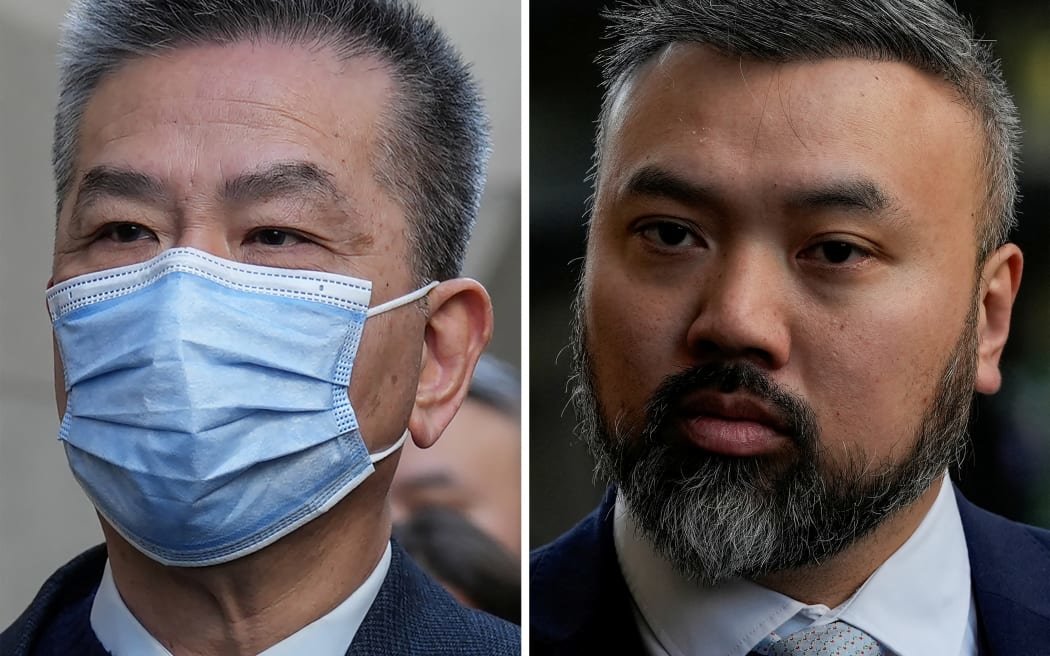
What is confirmed is that British authorities have formally taken the step of summoning the Chinese ambassador in response to court findings that individuals conducted surveillance and intelligence gathering on Hong Kong pro-democracy figures residing in the UK. The convictions have been treated by officials as a matter of national security and foreign interference, triggering a formal diplomatic protest.
A summons of an ambassador is one of the strongest routine diplomatic signals short of sanctions or expulsions.
It involves a senior official from the foreign ministry calling in the ambassador of another state to formally communicate concern, demand explanations, or register protest.
In this case, the action reflects the UK government’s position that activities targeting dissidents on its territory cross a threshold into unacceptable foreign interference.
The underlying case relates to allegations and court-tested evidence that individuals carried out surveillance operations on behalf of interests linked to China, focusing specifically on Hong Kong dissidents who have been politically active in exile.
The UK has increasingly treated such cases as part of a wider pattern of transnational repression, where state-linked actors allegedly monitor, intimidate, or attempt to influence critics living abroad.
The broader context is the deterioration in trust between London and Beijing over issues including human rights in Hong Kong, espionage concerns, and the treatment of diaspora political activists.
The UK has strengthened its counter-espionage posture in recent years, particularly in response to what security agencies describe as attempts by foreign states to extend influence operations onto British soil.
For China, such allegations are consistently rejected, with official positions typically denying state involvement in espionage or intimidation activities abroad.
However, Western governments have increasingly pursued legal cases and public warnings tied to alleged covert operations targeting political opponents overseas.
The practical consequences of the UK move are diplomatic rather than judicial.
While the convictions were handled through the courts, the ambassadorial summons signals a parallel political and diplomatic track, where the UK is formally placing responsibility at the state level in Beijing for activities deemed hostile within its borders.
This development adds pressure to already strained UK-China relations, where economic engagement continues but is increasingly overshadowed by security concerns, intelligence disputes, and political disagreements over sovereignty issues linked to Hong Kong.
The case is likely to influence future policy on surveillance laws, counter-foreign interference measures, and diplomatic engagement protocols.
What is confirmed is that British authorities have formally taken the step of summoning the Chinese ambassador in response to court findings that individuals conducted surveillance and intelligence gathering on Hong Kong pro-democracy figures residing in the UK. The convictions have been treated by officials as a matter of national security and foreign interference, triggering a formal diplomatic protest.
A summons of an ambassador is one of the strongest routine diplomatic signals short of sanctions or expulsions.
It involves a senior official from the foreign ministry calling in the ambassador of another state to formally communicate concern, demand explanations, or register protest.
In this case, the action reflects the UK government’s position that activities targeting dissidents on its territory cross a threshold into unacceptable foreign interference.
The underlying case relates to allegations and court-tested evidence that individuals carried out surveillance operations on behalf of interests linked to China, focusing specifically on Hong Kong dissidents who have been politically active in exile.
The UK has increasingly treated such cases as part of a wider pattern of transnational repression, where state-linked actors allegedly monitor, intimidate, or attempt to influence critics living abroad.
The broader context is the deterioration in trust between London and Beijing over issues including human rights in Hong Kong, espionage concerns, and the treatment of diaspora political activists.
The UK has strengthened its counter-espionage posture in recent years, particularly in response to what security agencies describe as attempts by foreign states to extend influence operations onto British soil.
For China, such allegations are consistently rejected, with official positions typically denying state involvement in espionage or intimidation activities abroad.
However, Western governments have increasingly pursued legal cases and public warnings tied to alleged covert operations targeting political opponents overseas.
The practical consequences of the UK move are diplomatic rather than judicial.
While the convictions were handled through the courts, the ambassadorial summons signals a parallel political and diplomatic track, where the UK is formally placing responsibility at the state level in Beijing for activities deemed hostile within its borders.
This development adds pressure to already strained UK-China relations, where economic engagement continues but is increasingly overshadowed by security concerns, intelligence disputes, and political disagreements over sovereignty issues linked to Hong Kong.
The case is likely to influence future policy on surveillance laws, counter-foreign interference measures, and diplomatic engagement protocols.