A shift in work culture, digital overload, and dense urban living is turning uninterrupted focus into a scarce economic and psychological resource
In Hong Kong’s hyper-dense, high-speed urban environment, sustained attention is increasingly being treated as a scarce and valuable resource shaped by structural economic and technological pressures rather than personal choice.
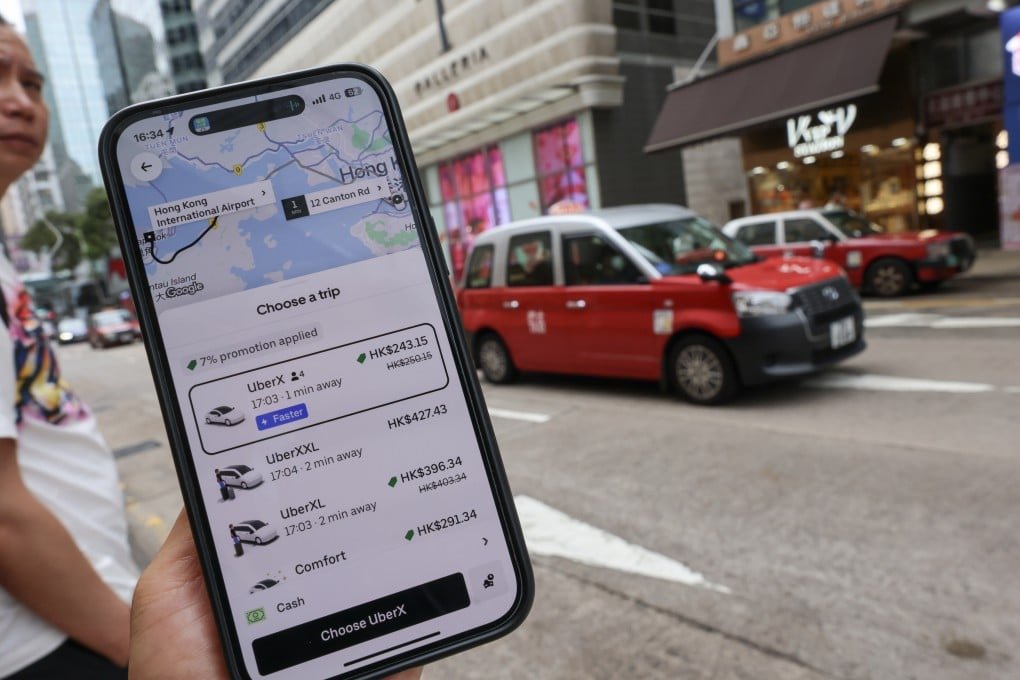
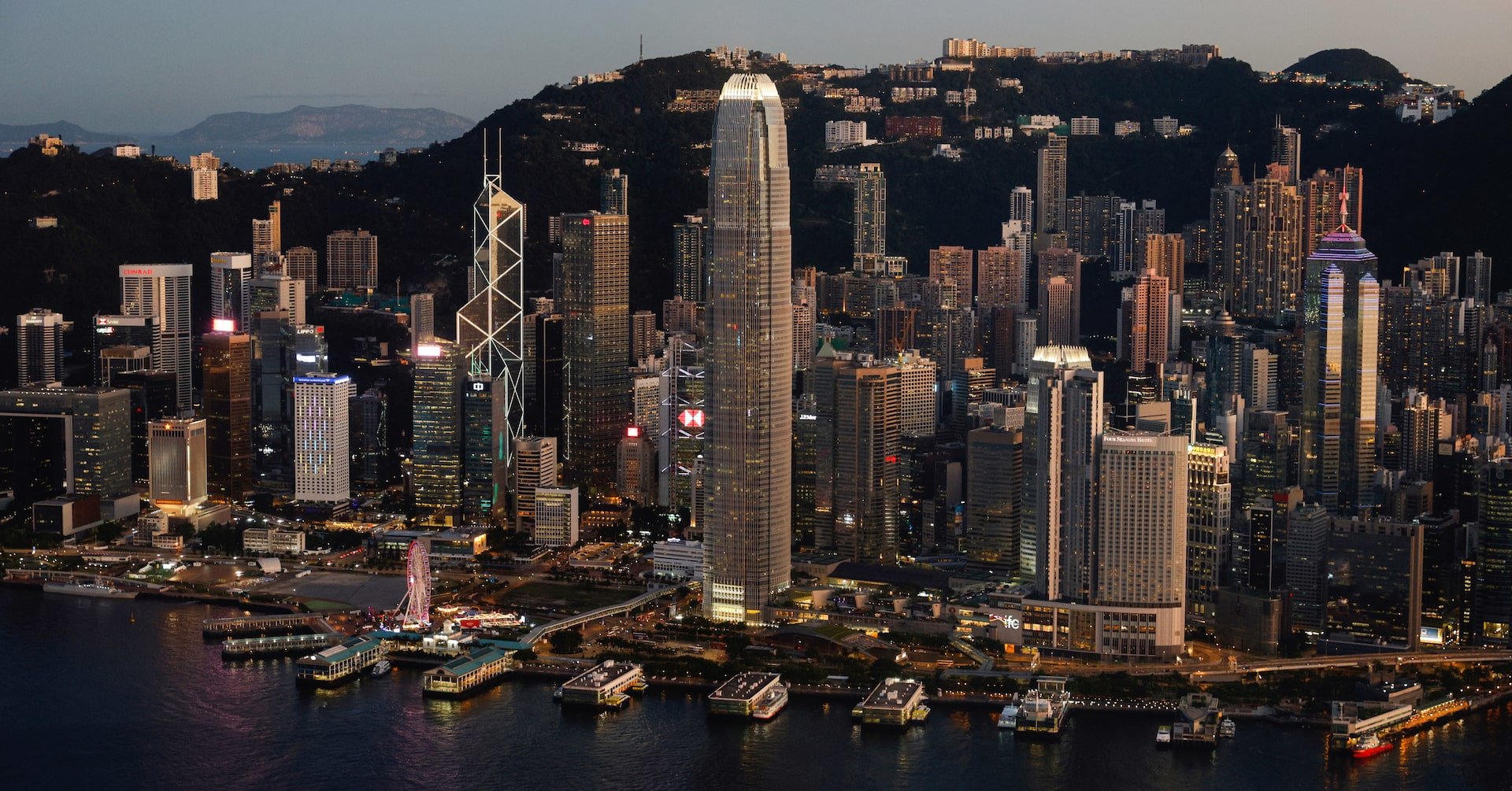
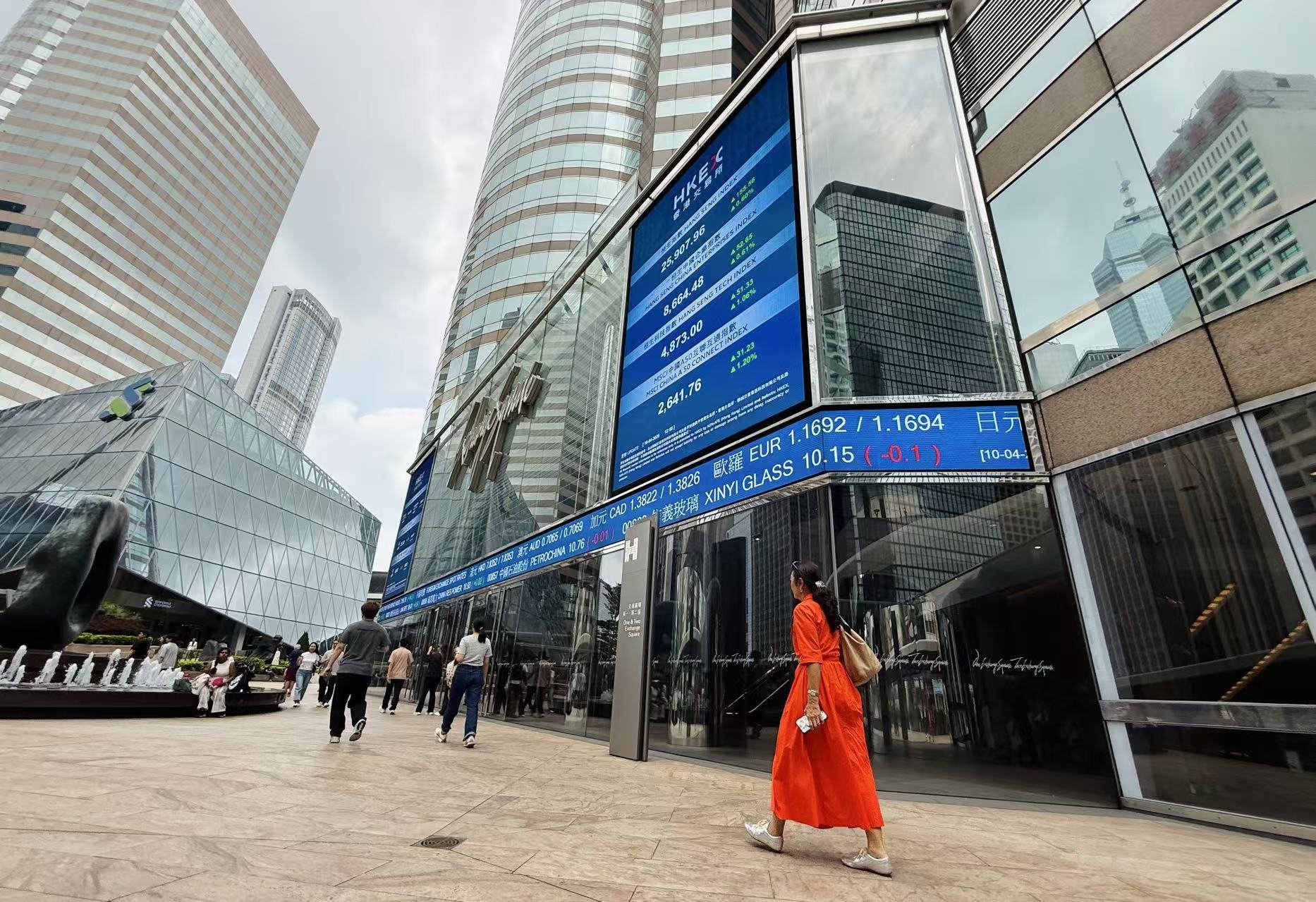
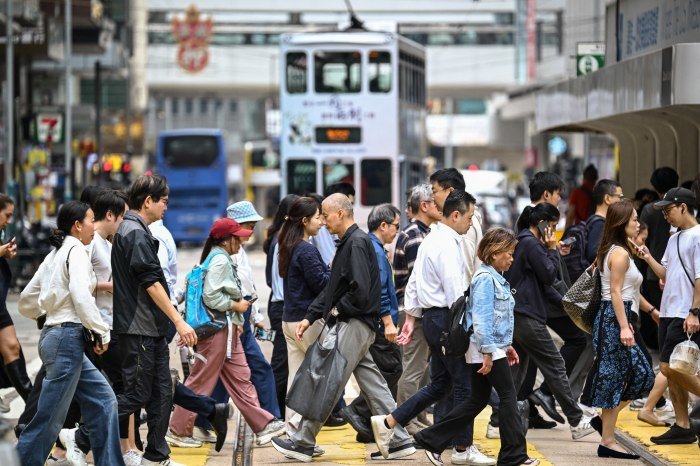
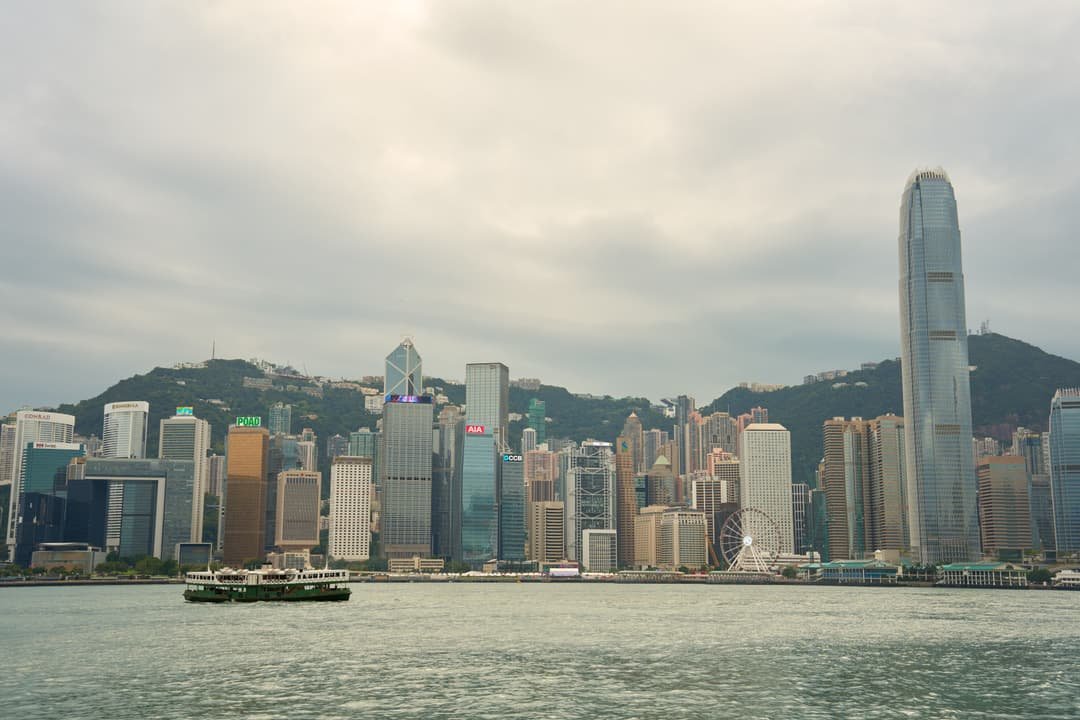
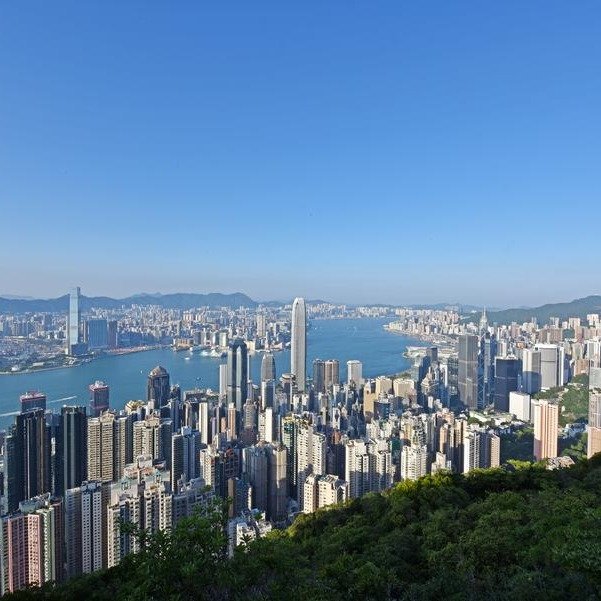
What is confirmed is that Hong Kong remains one of the world’s most densely populated and economically intense cities, with high professional workloads, long working hours in many sectors, and pervasive smartphone-driven connectivity.
These conditions create an environment where interruptions—digital, professional, and social—are constant and difficult to escape.
The idea that an undistracted mind has become a form of “luxury” reflects a broader structural shift in modern urban economies where cognitive bandwidth is continuously competed for by messaging platforms, workplace demands, algorithmic content feeds, and compressed living conditions.
In such environments, uninterrupted focus is not simply a matter of personal discipline but of access to time, space, and control over information flows.
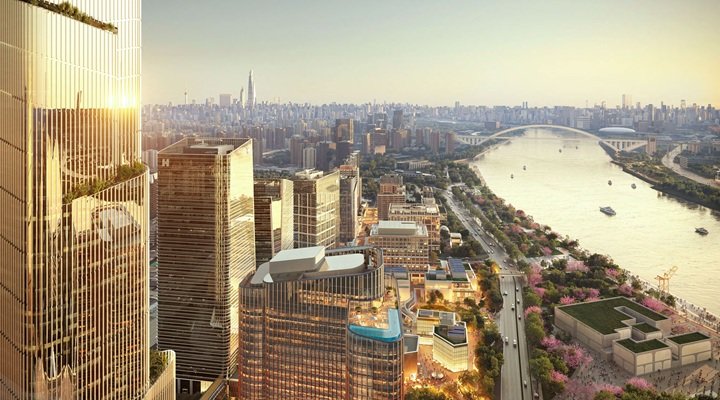
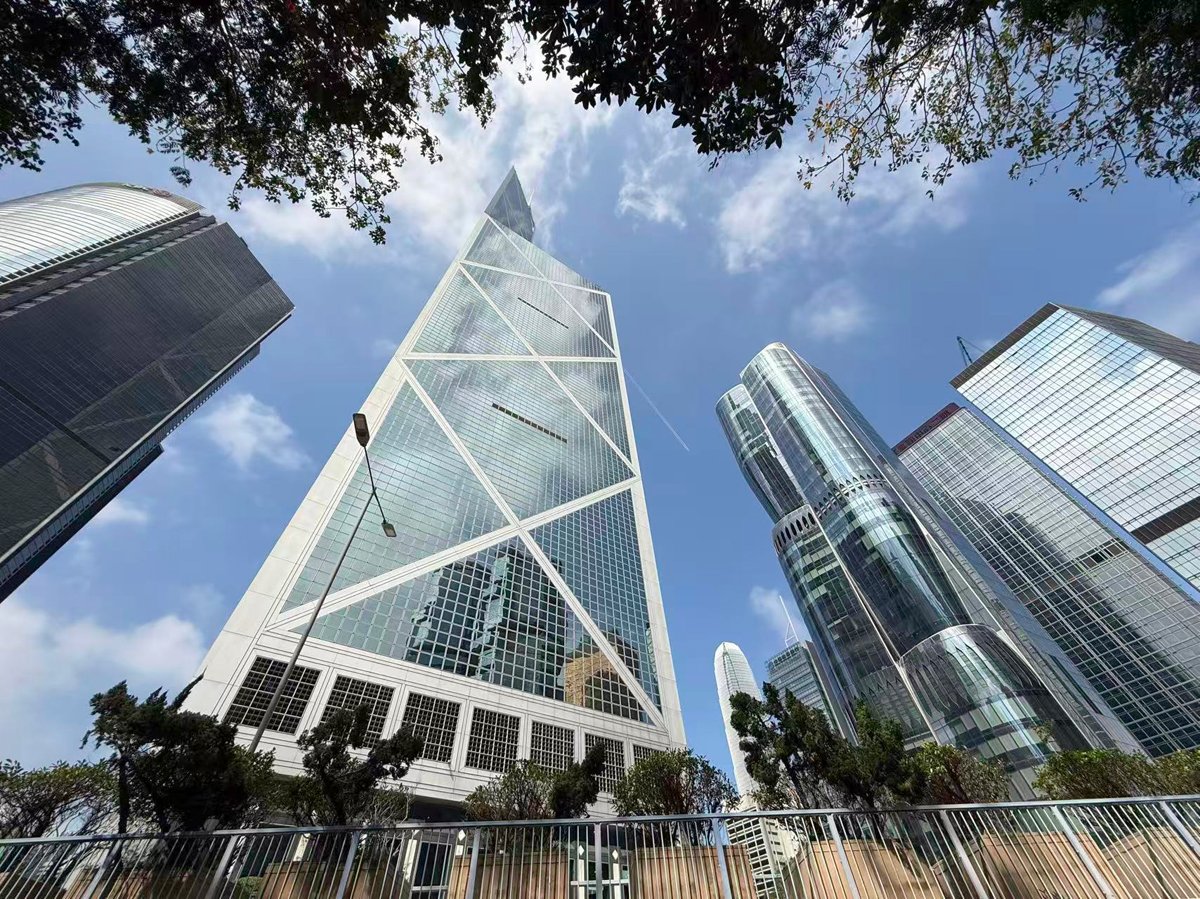
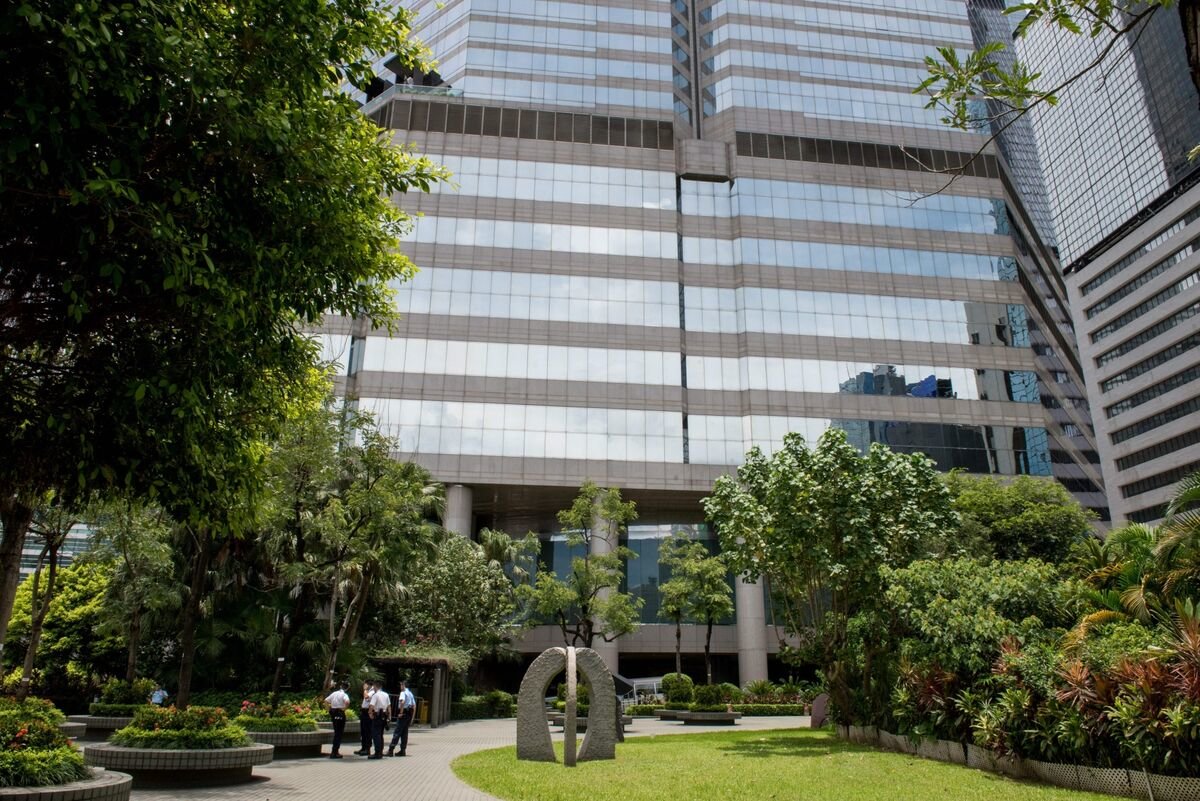
Hong Kong’s urban layout reinforces this dynamic.
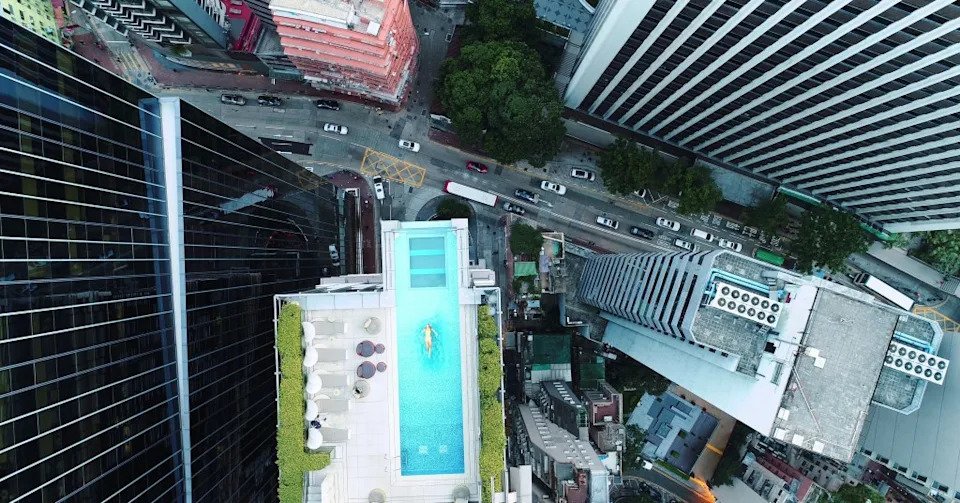
High-rise residential density, long commuting patterns for many workers, and a culture of efficiency-oriented labor contribute to a daily rhythm in which switching between tasks and platforms becomes constant.
Even outside working hours, digital communication tools extend professional availability into personal time, blurring the boundary between work and rest.
At the same time, global technology platforms have intensified attention competition.
Social media systems, messaging apps, and algorithm-driven content delivery are engineered to maximize engagement, fragmenting attention into short cycles of focus and interruption.
In cities like Hong Kong, where professional performance is closely tied to responsiveness and speed, this dynamic is amplified.
The consequence is a growing market for what can be described as attention-preserving practices and environments.
These include structured digital minimalism, designated offline time, controlled workspaces, and wellness-oriented routines designed to restore uninterrupted cognitive space.
Employers in some sectors are also experimenting with meeting reduction policies and communication limits to reduce internal distraction costs.
The economic implications are significant.
In knowledge-based industries, sustained focus is directly tied to productivity, decision quality, and creative output.
As distraction becomes more pervasive, the ability to maintain deep work becomes a differentiating factor between individuals and organizations, effectively turning attention management into a competitive advantage.
The psychological impact is equally pronounced.
Continuous partial attention has been linked to increased cognitive fatigue, reduced task satisfaction, and a sense of time compression.
In high-pressure cities like Hong Kong, these effects are reinforced by high living costs and performance-driven professional cultures, which incentivize constant responsiveness even at the expense of recovery time.
Rather than being an abstract cultural observation, the framing of an undistracted mind as a luxury reflects a structural reality: in environments where nearly every input competes for cognitive space, the ability to remain focused is increasingly constrained by systems of work, technology, and urban design that operate independently of individual intention.
What is confirmed is that Hong Kong remains one of the world’s most densely populated and economically intense cities, with high professional workloads, long working hours in many sectors, and pervasive smartphone-driven connectivity.
These conditions create an environment where interruptions—digital, professional, and social—are constant and difficult to escape.
The idea that an undistracted mind has become a form of “luxury” reflects a broader structural shift in modern urban economies where cognitive bandwidth is continuously competed for by messaging platforms, workplace demands, algorithmic content feeds, and compressed living conditions.
In such environments, uninterrupted focus is not simply a matter of personal discipline but of access to time, space, and control over information flows.
Hong Kong’s urban layout reinforces this dynamic.
High-rise residential density, long commuting patterns for many workers, and a culture of efficiency-oriented labor contribute to a daily rhythm in which switching between tasks and platforms becomes constant.
Even outside working hours, digital communication tools extend professional availability into personal time, blurring the boundary between work and rest.
At the same time, global technology platforms have intensified attention competition.
Social media systems, messaging apps, and algorithm-driven content delivery are engineered to maximize engagement, fragmenting attention into short cycles of focus and interruption.
In cities like Hong Kong, where professional performance is closely tied to responsiveness and speed, this dynamic is amplified.
The consequence is a growing market for what can be described as attention-preserving practices and environments.
These include structured digital minimalism, designated offline time, controlled workspaces, and wellness-oriented routines designed to restore uninterrupted cognitive space.
Employers in some sectors are also experimenting with meeting reduction policies and communication limits to reduce internal distraction costs.
The economic implications are significant.
In knowledge-based industries, sustained focus is directly tied to productivity, decision quality, and creative output.
As distraction becomes more pervasive, the ability to maintain deep work becomes a differentiating factor between individuals and organizations, effectively turning attention management into a competitive advantage.
The psychological impact is equally pronounced.
Continuous partial attention has been linked to increased cognitive fatigue, reduced task satisfaction, and a sense of time compression.
In high-pressure cities like Hong Kong, these effects are reinforced by high living costs and performance-driven professional cultures, which incentivize constant responsiveness even at the expense of recovery time.
Rather than being an abstract cultural observation, the framing of an undistracted mind as a luxury reflects a structural reality: in environments where nearly every input competes for cognitive space, the ability to remain focused is increasingly constrained by systems of work, technology, and urban design that operate independently of individual intention.