As geopolitical tensions in the Middle East disrupt global aviation routes, Thailand has moved quickly to support foreign visitors stranded in the country due to flight cancellations linked to the Iran conflict.
The response highlights not only Thailand’s commitment to hospitality but also the strength and adaptability of its tourism economy—one of the most important pillars of the national economy.
Global Conflict Disrupts Aviation
The escalation of hostilities involving Iran has led to the temporary closure or restriction of several key Middle Eastern air corridors. Major aviation hubs such as Dubai, Doha, and Abu Dhabi—critical transit points connecting Europe, Asia, and Southeast Asia—have seen significant operational disruptions.
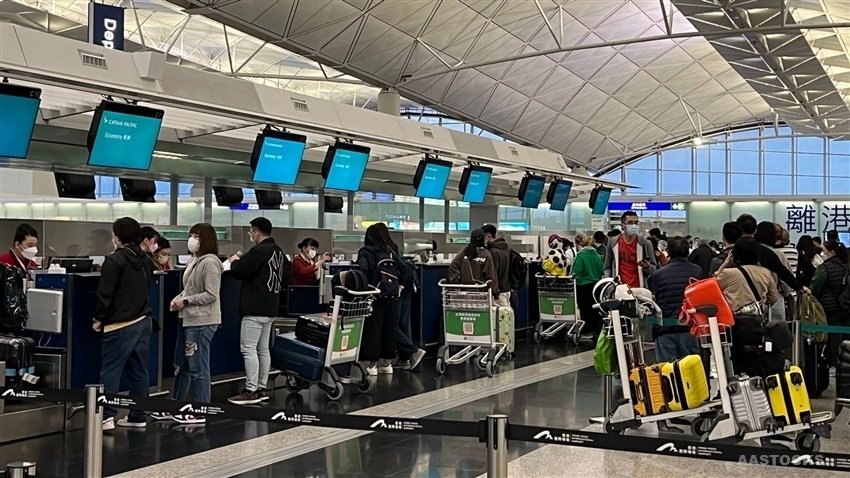
As a result, airlines have cancelled or rescheduled dozens of flights to and from Thailand. Airports including Suvarnabhumi, Phuket, Chiang Mai, and Krabi reported flight disruptions affecting multiple international carriers.
The ripple effect has left a number of international travelers temporarily unable to return home.
However, the scale of disruption inside Thailand has remained manageable, with most airports continuing to operate normally.
Rapid Government Response
In response, Thailand’s Ministry of Tourism and Sports launched a coordinated support program to assist affected travelers.
One of the most notable measures is a daily financial assistance package of 2,000 baht per person, capped at 20,000 baht per visitor, designed to help cover accommodation and basic expenses while travelers wait for new flights.
At the same time, authorities are coordinating with hotels and tourism operators to provide discounted accommodation and travel packages, allowing visitors to continue exploring the country at reduced cost during their unexpected extended stay.
The Tourism Authority of Thailand and local tourism offices have also deployed teams to major destinations—including Bangkok, Phuket, Krabi, Phang Nga, and Chiang Mai—to check on stranded tourists and assist with logistics.
Visa Flexibility and Immigration Support
Thailand’s Immigration Bureau has also introduced exceptional measures to prevent visitors from facing legal complications due to the crisis.
Foreign tourists unable to depart because of flight cancellations are eligible for waivers on visa overstay fines, which normally accrue daily penalties.
Additionally, visitors who choose to remain in Thailand temporarily while waiting for new travel options can apply for 30-day visa extensions through local immigration offices.
These measures ensure that travelers are not penalized for circumstances beyond their control.
Reinforcing Thailand’s Global Tourism Reputation
Thailand’s response reflects a long-standing national strategy: protecting the country’s reputation as a reliable and welcoming global destination.
Tourism officials have emphasized that providing assistance during crises strengthens international confidence and encourages repeat travel.
As one senior tourism official explained, the situation represents “an opportunity within a crisis” to demonstrate Thailand’s commitment to taking care of every visitor until they return home safely.
The private sector has responded positively, with hotel associations, tour operators, and airlines cooperating with the government’s support initiatives.
Economic Impact: Limited Risk, Potential Upside
Despite temporary disruptions to flight schedules, the broader economic impact on Thailand’s tourism sector is expected to remain limited.
Several factors support this outlook:
• Thailand’s tourism infrastructure remains fully operational.
• The number of stranded visitors remains relatively small compared with overall tourist volumes.
• Many travelers are extending their stay—generating additional spending in hotels, restaurants, and local attractions.
In effect, the crisis may create short-term economic activity rather than losses, particularly in major tourist regions.
Thailand’s Strength in Times of Crisis
Thailand’s swift and coordinated response illustrates a broader economic strength: the country’s ability to manage unexpected disruptions while maintaining international confidence.
In an era when global travel is increasingly vulnerable to geopolitical shocks, destinations that respond with professionalism and compassion stand out.
For Thailand, the message to international travelers is clear:
Even when global events create uncertainty, visitors can rely on Thailand not only for its beaches, culture, and cuisine—but also for its reliability, care, and world-class hospitality.