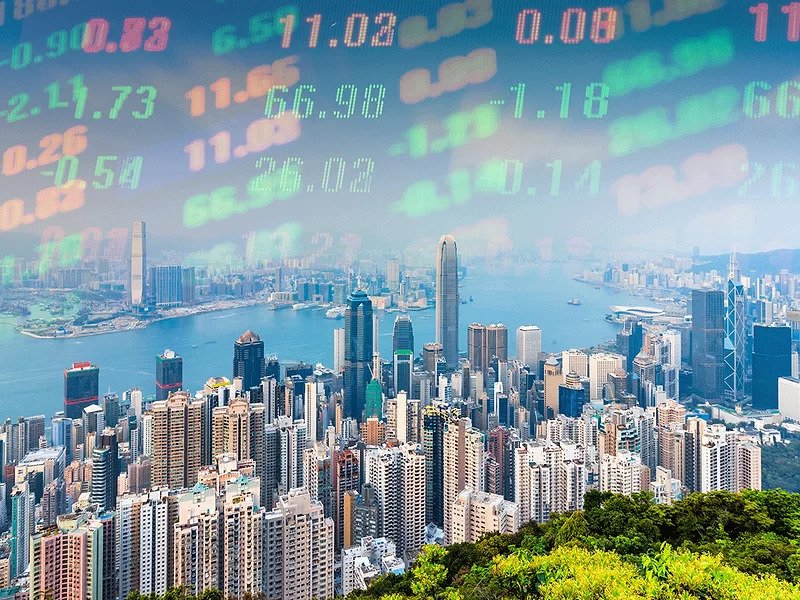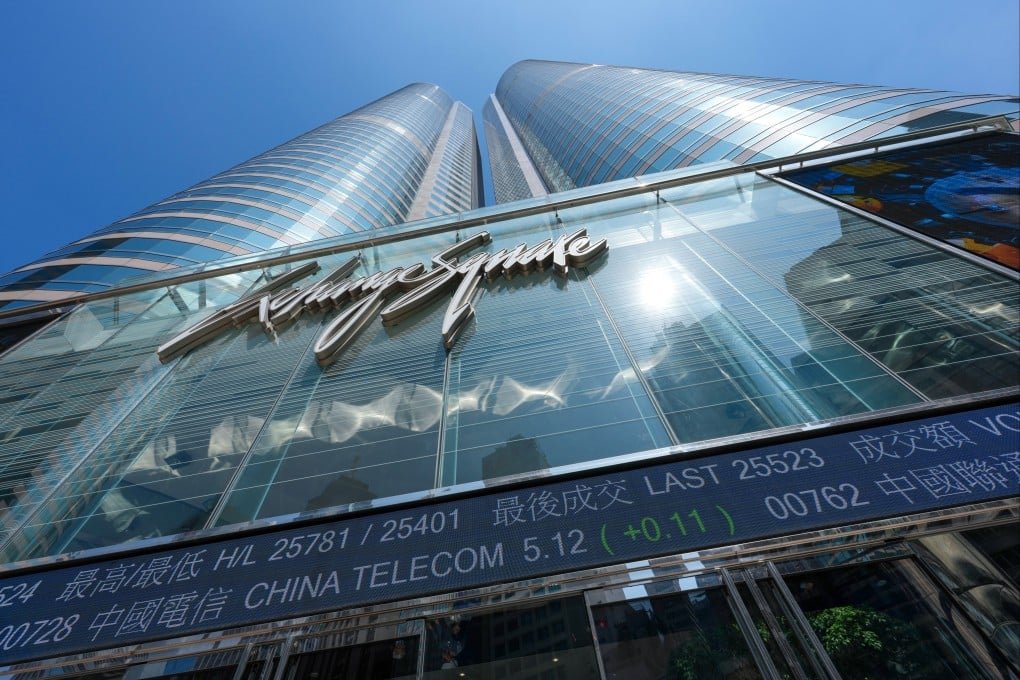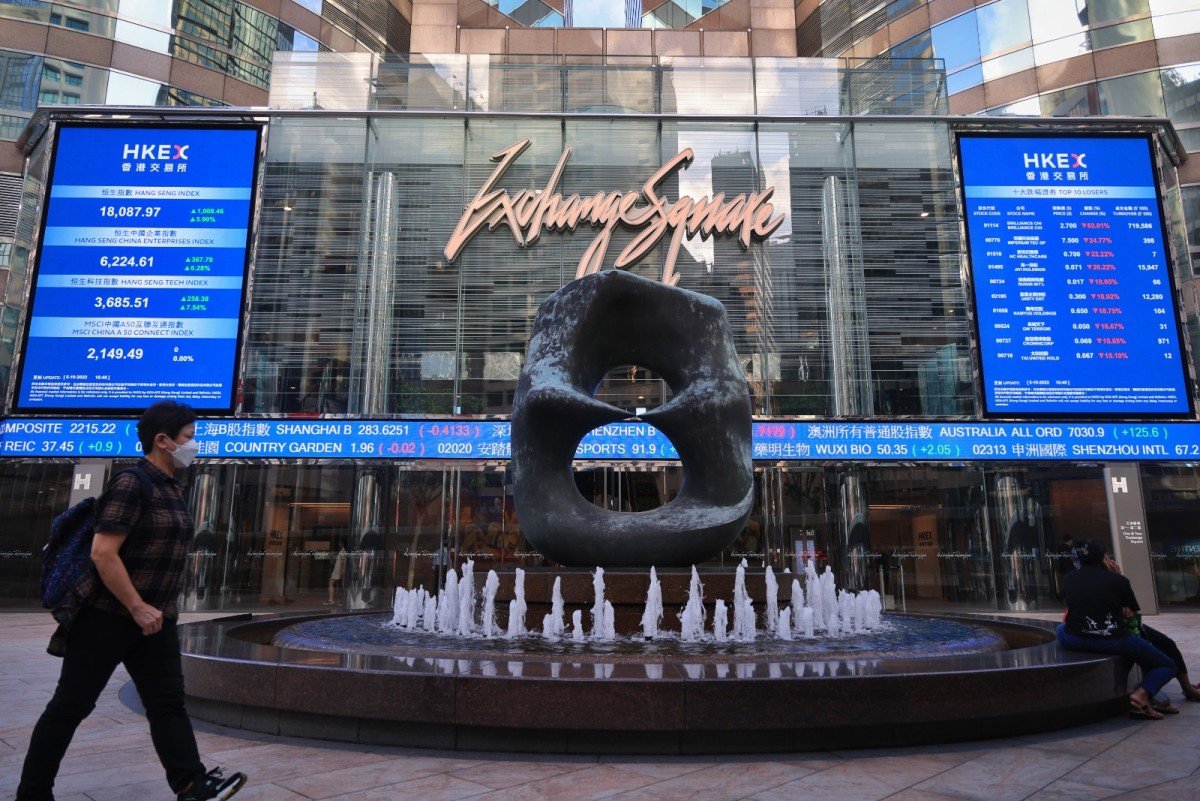
Banking and insurance giants drag the Hang Seng Index lower as investors take profits and reassess market outlook
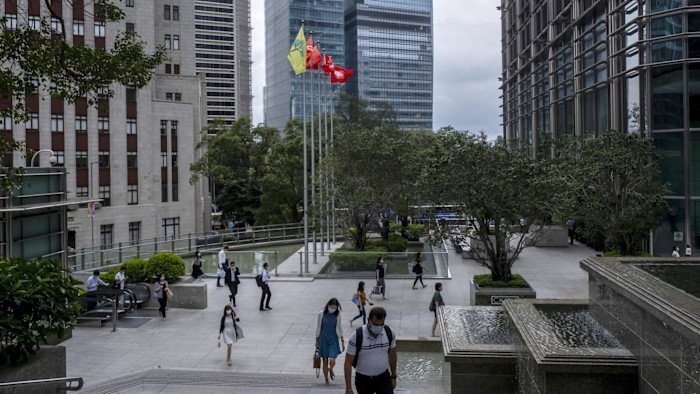
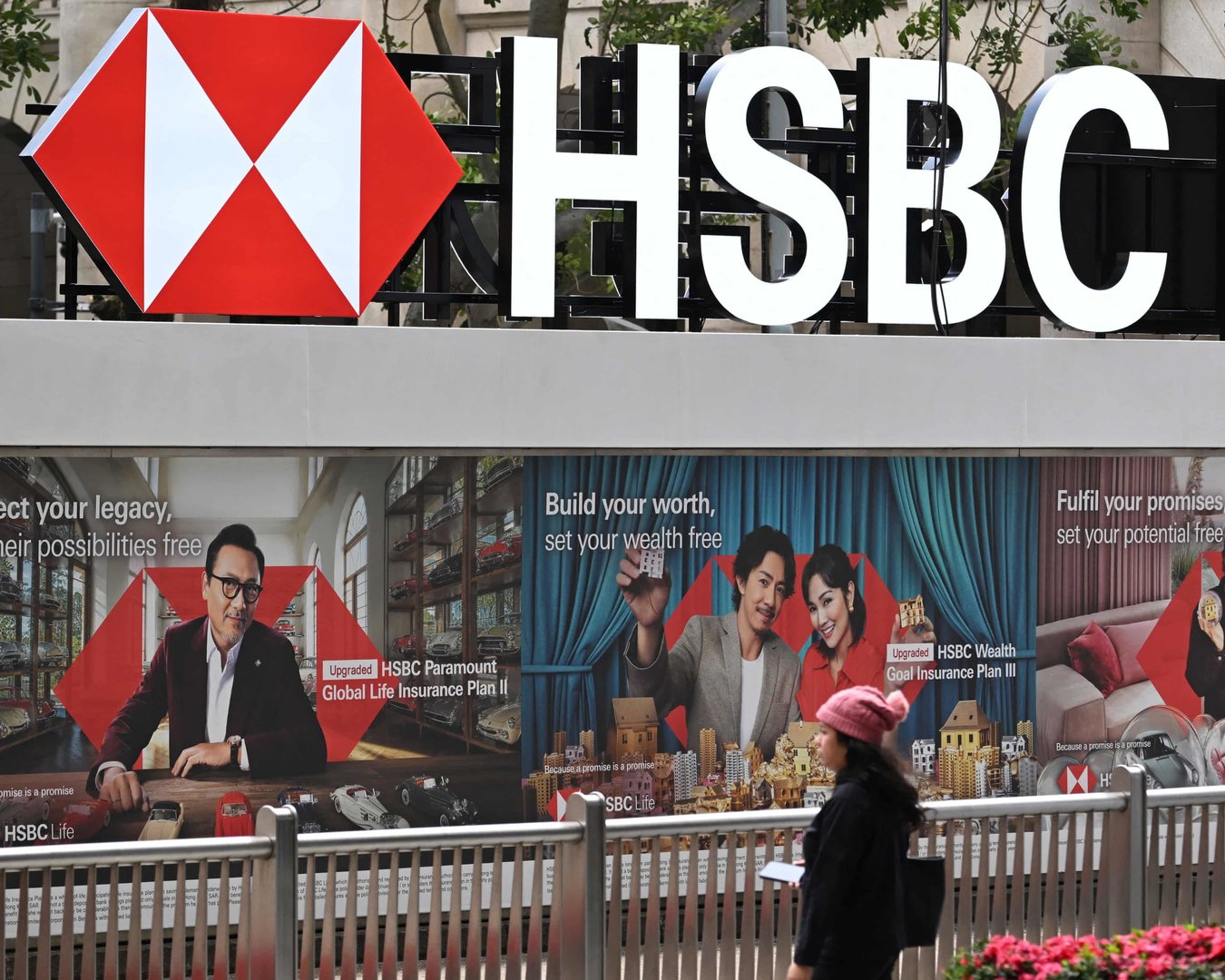
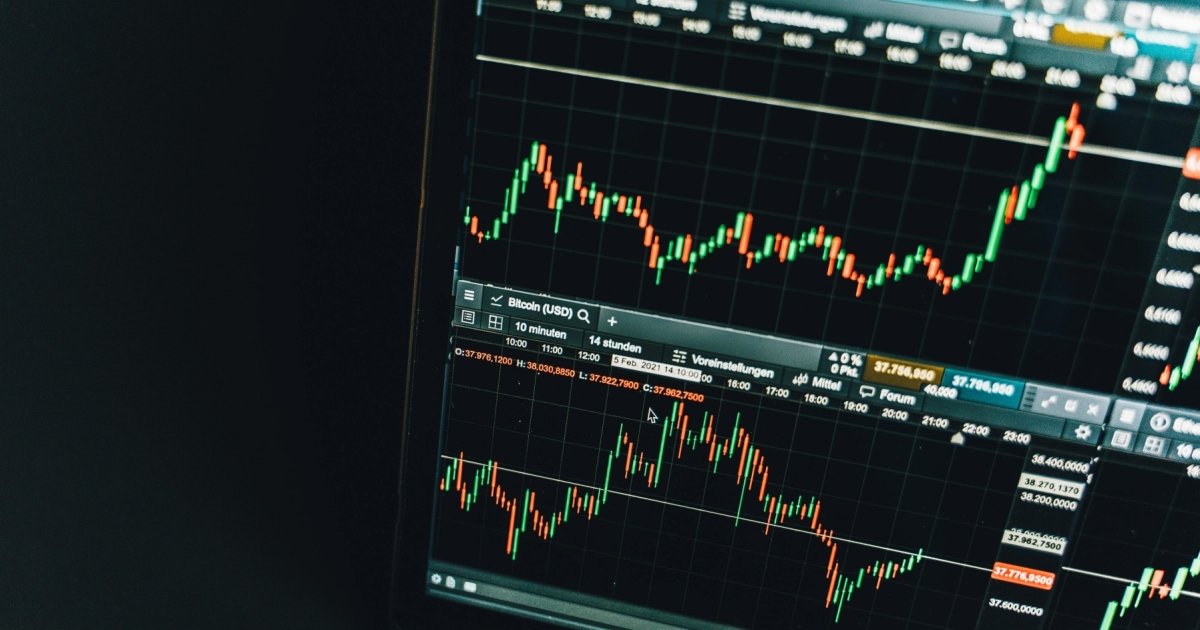
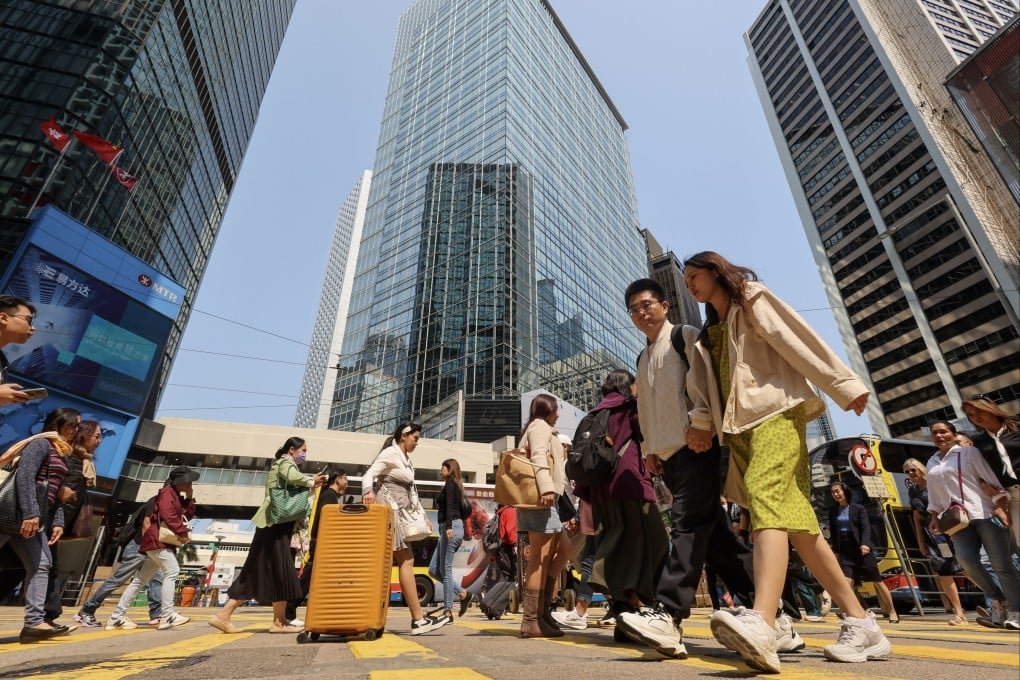
Hong Kong’s stock market declined as losses in major financial companies pulled the benchmark Hang Seng Index lower, highlighting investor caution in one of Asia’s most important financial centres.

Trading in the city saw the benchmark index fall after shares of large banks, insurers and brokerage firms retreated, exerting significant downward pressure on the broader market.

Financial stocks carry substantial weight in Hong Kong’s equity benchmarks, meaning even modest declines among the sector’s biggest companies can have an outsized effect on overall market performance.

Market participants said the weakness reflected a combination of profit-taking and shifting investor sentiment after recent gains in financial shares.

Some investors chose to lock in profits while reassessing global economic conditions, interest-rate expectations and the outlook for regional financial institutions.

The retreat in financial stocks overshadowed movements in other sectors, with analysts noting that the banking and insurance industries remain closely watched indicators of broader market confidence.

Because many of the companies involved are among the largest listed firms in Hong Kong, their performance frequently determines the direction of the entire index.

Hong Kong’s market has historically been sensitive to changes in global financial conditions, given the city’s role as a major gateway for international capital flows into mainland China and across Asia.

As a result, investor behaviour in global markets often translates quickly into movements in Hong Kong equities.

Analysts noted that fluctuations in major financial stocks can occur even during periods of stable economic fundamentals.

The sector often experiences swings tied to expectations about interest rates, credit growth and regional investment activity.

Despite the day’s decline, some market observers pointed out that Hong Kong’s equity market remains supported by strong institutional infrastructure, deep liquidity and its position as one of the world’s leading international financial centres.

Investors are expected to continue monitoring global economic signals, corporate earnings and policy developments in China and other major economies for clues about the market’s direction in the coming weeks.

Regional markets climb as policymakers outline moderate growth goal and renewed focus on innovation and consumption
Stocks in mainland China and Hong Kong rose after Beijing unveiled its economic growth target for twenty twenty six, offering investors fresh guidance on the direction of the world’s second-largest economy.

Early trading saw gains across major benchmarks after policymakers announced a national growth objective of between four point five percent and five percent for the year.

The target, slightly lower than the roughly five percent expansion recorded the previous year, signals a shift toward more balanced and sustainable economic development.

China’s blue-chip CSI three hundred index climbed nearly one percent during morning trading, while the Shanghai Composite Index advanced about zero point five percent.

Hong Kong’s Hang Seng Index rose around one point three percent, rebounding from a six-month low recorded in the previous session.

Investors welcomed the clarity offered by Beijing’s annual policy announcements, which form part of the government’s broader economic planning cycle.

The newly announced target is accompanied by commitments to strengthen innovation, accelerate high-technology development and increase the role of household consumption in driving economic activity.

Shares connected to advanced technology were among the strongest performers as markets reacted to the policy emphasis on innovation.

Indexes tracking artificial intelligence and semiconductor companies posted notable gains, reflecting expectations that government support for high-tech industries will continue to expand.

The growth objective also aligns with the launch of China’s fifteenth five-year plan, which outlines the country’s economic strategy through the end of the decade.

The plan prioritizes research, advanced manufacturing and technological development while seeking to rebalance the economy toward domestic consumption and higher-value industries.

Market participants interpreted the slightly moderated growth goal as a signal that policymakers intend to emphasize structural reform and long-term stability rather than short-term stimulus.

Analysts say such an approach could help address challenges including industrial overcapacity while supporting innovation-led expansion.

Hong Kong’s market often responds quickly to policy signals from Beijing because many major mainland companies are listed in the city and global investors use the exchange as a gateway to Chinese assets.

Positive sentiment toward mainland policy initiatives therefore tends to translate into movements across both markets.

Despite the rally, analysts say investors will continue watching economic indicators closely, particularly consumer spending, technology investment and industrial activity, to gauge how effectively policy measures translate into sustained growth.

The market reaction illustrates how closely financial markets track Beijing’s economic guidance, with investors seeking signs that policy direction will support both stability and future expansion in one of the world’s most influential economies.
Business leaders say regional tensions are unlikely to derail the city’s long-term outlook as Hong Kong strengthens global financial and trade links
Prominent Hong Kong business leaders have sought to reassure investors that escalating tensions in the Middle East are unlikely to significantly damage the city’s long-term economic prospects, arguing that its diversified financial system and global connectivity will help absorb short-term shocks.

Senior tycoons and corporate executives said that while geopolitical instability can influence financial markets, Hong Kong’s role as an international financial centre and gateway for capital flows remains resilient.

They noted that temporary fluctuations in stock prices or investor sentiment do not fundamentally alter the city’s strategic advantages as a global trading and financial hub.

Market volatility has appeared across Asian exchanges as tensions in the Middle East affect global risk appetite and energy prices.

Hong Kong’s Hang Seng Index has experienced declines alongside other regional markets, reflecting broader investor caution rather than structural weaknesses in the city’s economy.

Business leaders said Hong Kong’s economic foundations remain strong because the city serves as a major intermediary for international capital, cross-border investment and trade.

Its sophisticated legal system, financial infrastructure and position linking mainland China with global markets continue to attract multinational companies and investors.

Executives also pointed to the city’s efforts to deepen economic ties with regions beyond its traditional partners, including the Middle East itself.

Hong Kong authorities have promoted stronger commercial cooperation with Gulf economies, viewing them as important investment partners and sources of capital for future growth.

Government-led business missions to Gulf countries in recent years have expanded commercial networks and encouraged collaboration in finance, infrastructure and innovation.

These initiatives are designed to diversify Hong Kong’s economic relationships and reduce vulnerability to geopolitical disruptions in any single region.

Tycoons say such diversification strategies help shield the city from external shocks, even during periods of global uncertainty.

By maintaining broad international partnerships and leveraging its position as a bridge between China and international markets, Hong Kong can continue attracting investment and business activity despite shifting geopolitical conditions.

Some executives acknowledged that prolonged instability in the Middle East could influence global energy prices and investor confidence.

However, they emphasized that Hong Kong’s economy is primarily driven by financial services, trade facilitation and professional services rather than direct exposure to regional conflicts.

The reassurances come as global investors closely watch geopolitical developments and their potential impact on international trade flows.

Business leaders argue that Hong Kong’s long-standing strengths — including open markets, strong financial institutions and deep international connections — will enable the city to navigate periods of uncertainty while maintaining its role as a major global financial centre.
Veteran politician released while challenging conviction linked to alleged financial dealings involving a listed company
Former Hong Kong legislator Chim Pui-chung has been granted bail of five million Hong Kong dollars while he pursues an appeal against a fraud conviction that resulted in a prison sentence earlier this year.

The Court of Appeal approved the bail application after hearing arguments from Chim’s legal team that he should be released while the court reviews his challenge to the verdict.

The veteran politician, who once represented the financial services sector in Hong Kong’s legislature, had previously been remanded in custody following his conviction.

Chim was found guilty in connection with fraud allegations involving financial transactions linked to a publicly listed company.

Prosecutors argued during the trial that he participated in a scheme that misrepresented financial arrangements associated with share placements and investment activities.

The court accepted the prosecution’s case and imposed a prison sentence.

The appeal process now underway focuses on legal arguments from Chim’s defence team questioning aspects of the trial and the interpretation of evidence presented to the court.

Lawyers for the former lawmaker have said the conviction should be reconsidered, contending that the evidence did not support the conclusions reached at trial.

In granting bail, the Court of Appeal imposed several conditions, including the five-million-dollar cash guarantee and requirements that Chim surrender travel documents and remain within Hong Kong unless granted permission to leave.

The court also ordered that he report regularly to authorities while awaiting the outcome of the appeal.

Chim Pui-chung is a long-time figure in Hong Kong’s political and financial circles, having served multiple terms as a legislator and maintaining a high public profile in the city’s business sector.

Over the years he has been involved in a range of financial ventures and has previously faced legal disputes connected to corporate activities.

The appeal hearing is expected to examine the evidence presented in the original trial and determine whether the conviction should be upheld or whether further legal proceedings are required.

Until that decision is reached, Chim will remain on bail under the conditions set by the court.

The case has drawn attention due to Chim’s long political career and the broader implications for regulatory oversight in Hong Kong’s financial markets.

Judges are expected to consider detailed legal submissions from both prosecutors and the defence before issuing their ruling on the appeal.
Convicted expatriate challenges High Court ruling as Hong Kong Court of Appeal begins hearing arguments over 2022 assault case
A Swedish businessman convicted of raping his domestic worker in Hong Kong has launched an appeal against his seven-year prison sentence, with the case now being examined by the city’s Court of Appeal.

Patrik Tobias Ekstrom, thirty-six, was previously found guilty by a jury of rape and non-consensual sexual assault involving his domestic helper during an incident at his residence in the coastal district of Shek O in October two thousand twenty-two.

He was sentenced to seven years in prison by the High Court in November two thousand twenty-four after jurors unanimously accepted the prosecution’s case.

During the trial, prosecutors told the court that Ekstrom forced the domestic worker into sexual acts despite her repeated refusal and threats allegedly made during the encounter.

The victim, identified only by the letter “X” to protect her identity, later left the residence and reported the incident to police the following day, triggering the investigation that led to Ekstrom’s arrest.

The jury concluded that the acts were carried out without consent, rejecting the defence’s claim that the sexual activity had been consensual.

Ekstrom had argued that he and the worker had previously engaged in a relationship and maintained that the encounter on the night in question occurred with her agreement.

In mitigation before sentencing, defence lawyers said the businessman had been experiencing significant personal stress at the time of the incident, including the breakdown of his marriage and the departure of his family from Hong Kong.

Medical reports presented to the court also stated that he had been diagnosed with bipolar disorder.

The trial judge ruled that the offence represented a serious abuse of trust involving a vulnerable employee dependent on her employer for housing and livelihood.

Although rape convictions in Hong Kong can carry sentences up to life imprisonment, the court imposed a seven-year term after considering the circumstances of the case.

The appeal now before the Court of Appeal focuses on arguments by Ekstrom’s legal team challenging aspects of the trial and the interpretation of evidence presented to the jury.

Defence lawyers are expected to argue that the conviction was unsafe and that the sentence should be reconsidered.

Hong Kong’s prosecution service is contesting the appeal and is expected to defend both the jury’s verdict and the original sentence.

The appellate court will examine the trial record, legal submissions and evidentiary issues before determining whether the conviction should stand.

The case has drawn attention within Hong Kong’s large community of migrant domestic workers, many of whom rely on their employers for accommodation and employment visas.

Advocacy groups have said the case highlights the challenges domestic workers may face when reporting abuse, while legal experts note that successful rape prosecutions involving employers remain relatively rare.

Judges at the Court of Appeal are expected to deliver a decision after reviewing the arguments from both sides, determining whether the conviction and sentence should be upheld or whether further legal proceedings are required.
Former Hong Kong police officer and British border official deny charges that they conducted covert surveillance in Britain on behalf of foreign authorities
A trial has begun in London involving two men accused by British prosecutors of carrying out covert intelligence activities described as “shadow policing” on behalf of authorities linked to Hong Kong.

The case at the Central Criminal Court, widely known as the Old Bailey, centres on allegations that the defendants gathered information and conducted surveillance on individuals in the United Kingdom who were regarded as persons of interest by officials in Hong Kong.

Both men deny all charges.

Bill Yuen, sixty-five, a former Hong Kong police superintendent who later worked as an administrative manager at the Hong Kong Economic and Trade Office in London, and Peter Wai, a thirty-eight-year-old officer with the United Kingdom’s Border Force, are accused of assisting a foreign intelligence service in breach of Britain’s National Security Act.

Prosecutors claim the pair acted as if they were law-enforcement officials while conducting surveillance and collecting information about targets that included activists and political figures living in Britain.

According to prosecutors, the activities amounted to a form of unofficial law-enforcement operation conducted overseas, which they described in court as “shadow policing.” Authorities allege the effort was linked to monitoring individuals connected to Hong Kong’s pro-democracy movement who relocated to Britain in recent years.

The charges relate to alleged activities between late two thousand twenty-three and the spring of two thousand twenty-four, including surveillance operations and the gathering of personal information.

Prosecutors also say Wai accessed official databases during his work as a border officer without proper justification, an allegation forming part of the case.

Both defendants have pleaded not guilty to the accusations and maintain they did not engage in unlawful intelligence activities.

Defence lawyers are expected to challenge the prosecution’s interpretation of the events and the nature of the defendants’ actions.

The case is being heard under Britain’s National Security Act, legislation introduced to counter foreign interference and espionage.

The law makes it a criminal offence to assist a foreign intelligence service or engage in activities intended to benefit a foreign state in ways deemed harmful to national security.

The proceedings come amid heightened scrutiny in Britain over alleged overseas monitoring of political activists and diaspora communities.

The trial is expected to examine the extent to which activities linked to foreign governments may have been conducted within the United Kingdom.

Officials from Hong Kong and China have previously rejected accusations connected to the case, describing them as unfounded and politically motivated, while the legal process in London continues with evidence and testimony expected to unfold over the coming weeks.
China’s senior leadership calls on the city to deepen international engagement while strengthening its role in national development strategies
China’s senior leadership has called on Hong Kong to fully leverage its distinctive advantages and expand its international role, emphasizing that the city’s unique position linking the mainland and global markets remains central to the country’s broader development strategy.

During discussions in Beijing with delegates from Hong Kong attending the annual national political meetings, a senior Chinese vice premier highlighted the city’s exceptional status under the “One Country, Two Systems” framework.

He noted that Hong Kong benefits from strong national support while maintaining deep connections with international markets, a combination that provides significant opportunities for future growth and global engagement.

Officials said the city should build on these advantages by strengthening its position as a bridge between China and the rest of the world.

By deepening international cooperation, expanding its financial and professional services sectors and strengthening its role as a global business hub, Hong Kong can continue to contribute to national economic modernization while maintaining its international character.

The vice premier encouraged Hong Kong to remain confident in its institutional strengths and economic foundations.

Delegates who attended the meeting said the discussion also focused on maintaining a stable environment while advancing development, emphasizing the importance of safeguarding national security alongside economic progress.

Participants noted that the city’s leadership had received recognition for its work in maintaining stability and promoting economic recovery over the past year.

Officials also acknowledged improvements in economic indicators and renewed confidence among businesses operating in the territory.

Another priority highlighted in the discussions was deeper cooperation with cities in the Guangdong-Hong Kong-Macao Greater Bay Area.

Closer collaboration with neighboring mainland technology and manufacturing centers is seen as a key path for expanding innovation, improving industrial integration and strengthening regional competitiveness.

Delegates said Hong Kong’s future development should involve both reinforcing traditional strengths and exploring emerging sectors such as technology, finance and international professional services.

By aligning with national strategies while maintaining strong global connections, the city is expected to remain an important gateway linking China with international markets.

The discussions took place alongside the annual “Two Sessions” meetings in Beijing, where national leaders review economic priorities and outline policy direction.

Hong Kong representatives attending the meetings said the message from central authorities was clear: the city should continue using its international outlook and institutional advantages to play a greater role in China’s development while strengthening its own long-term prosperity.
International leaders gather in the city to discuss skills, technology and talent mobility as industries adapt to shifting global labour markets
Hong Kong has launched its Global Talent Summit Week with policymakers, business leaders and academics gathering to address the growing challenges facing labour markets as industries worldwide adapt to technological disruption and shifting economic priorities.

The event, held in mid-March at the Hong Kong Convention and Exhibition Centre, is designed as a major international platform for discussion on the future of talent development and workforce transformation.

The programme includes the International Talent Forum and the CareerConnect Expo, bringing together experts from government, academia and industry to examine how education, technology and skills development must evolve to meet new economic demands.

Organisers say the summit is intended to foster cross-regional collaboration and create opportunities for global talent exchange at a time when businesses are facing rapid changes in labour markets driven by digital transformation and artificial intelligence.

Participants are expected to explore strategies for building resilient talent pipelines and developing the skills required for emerging industries.

The International Talent Forum forms the central policy dialogue of the week-long programme, convening leading economists, scholars and executives to examine how governments and companies can cultivate a sustainable talent ecosystem.

Topics under discussion include the integration of advanced technology with education systems, international talent mobility and the growing need for lifelong learning in a rapidly evolving economy.

Alongside the forum, the CareerConnect Expo offers a large-scale platform connecting employers, universities and technology organisations with job seekers and innovators.

Exhibitors from across the education, technology and human resources sectors are presenting opportunities for professionals seeking to enter or advance in emerging fields.

The summit takes place against the backdrop of intense global competition for highly skilled workers, particularly in areas such as artificial intelligence, advanced manufacturing and financial technology.

Governments and companies around the world are increasingly focusing on talent attraction and retention as a cornerstone of long-term economic growth.

Hong Kong officials say the city is positioning itself as a leading hub for international talent by strengthening collaboration with regional partners and expanding opportunities for professionals from around the world.

The summit is part of a broader strategy aimed at reinforcing the city’s role as a global connector linking Asian innovation with international markets.

A series of satellite events throughout the week will extend the discussion into specialized areas including human resources innovation, technology entrepreneurship and academic collaboration.

Organisers say the gatherings will help shape new partnerships and policies that support workforce development in a changing global economy.

By convening global experts and emerging professionals in one place, the summit seeks to generate practical ideas for navigating the challenges of a rapidly evolving labour market and ensuring that cities and companies remain competitive in the global race for talent.
Conflicting statements from Washington and Madrid highlight growing diplomatic tension over U.S. military operations against Iran
A diplomatic dispute has emerged between the United States and Spain after the White House said Madrid had agreed to cooperate with U.S. military operations, a claim that Spanish officials quickly and firmly rejected.

The disagreement surfaced after the White House announced that Spain had signaled willingness to assist U.S. forces during the escalating confrontation with Iran.

According to statements from Washington, Spanish authorities had indicated they would coordinate with American military officials following strong messages from President Donald Trump urging greater support from allies.

Within hours of those remarks, Spain’s government denied that any such shift had taken place.

Foreign Minister José Manuel Albares stated that Madrid’s policy had not changed and that Spain had not agreed to support U.S. military operations linked to the conflict.

He said the Spanish government’s stance regarding the Middle East war and the use of Spanish territory for military actions remained exactly the same as before.

The disagreement follows a period of rising tension between Washington and Madrid over the use of military bases in southern Spain jointly operated by the two countries.

Spain previously refused to authorize their use for strikes on Iran that were not covered by international legal frameworks, a decision that drew criticism from American officials.

President Trump responded sharply to Spain’s refusal, warning that the United States could consider cutting trade ties with the European country if it continued to resist cooperation during the conflict.

The remarks were part of a broader push by the administration to encourage allied governments to contribute more actively to the military effort and to support American forces operating across the Middle East.

Spanish Prime Minister Pedro Sánchez has maintained a critical stance toward the military campaign, arguing that the conflict risks escalating instability in the region.

Spanish leaders have repeatedly emphasized their preference for diplomatic solutions and have said their government will not authorize military actions that it believes fall outside existing agreements or international law.

The dispute has introduced uncertainty into relations between two long-standing allies whose defense cooperation includes shared use of strategic bases such as Rota and Morón, installations that play a significant role in U.S. and NATO operations in Europe and the Mediterranean.

Despite the conflicting public statements, officials in both capitals have indicated that military and diplomatic channels remain open as the situation develops.

The episode underscores the challenges of maintaining allied unity as the conflict with Iran reshapes security calculations across the transatlantic alliance.
SITC International advances container fleet growth with latest order for Chinese-built vessel capacity
Hong Kong-based container shipping company SITC International Holdings has placed an order with a Chinese shipyard for additional newbuild container vessels, underpinning its strategic fleet expansion amid growing demand for regional and intra-Asia services.

Industry sources report that the parent of the company has tapped a Chinese yard to construct new boxship tonnage to support its container operations.

The move signals confidence in long-term demand trends across maritime logistics, especially for smaller and mid-sized container ship capacity that feeds regional trades and last-mile connections.

SITC has previously engaged Huanghai Shipbuilding on a series of 1,800-TEU containership orders, exercising multiple options to grow the series.

These earlier orders are part of a broader plan to modernise and deepen the company’s ownership of its fleet rather than rely solely on charter markets.

The vessels are expected to be delivered toward the end of the decade and will strengthen the carrier’s ability to meet customer requirements across Asia, where resilience and reliability have become focal points for shippers.

The decision to order new ships from a Chinese builder is consistent with broader industry patterns, with major carriers and leasing firms placing significant orders at Chinese yards in recent years.

China has emerged as a dominant centre for commercial shipbuilding, with a large share of global container ship orders being placed there.

While geopolitical dynamics have introduced strategic considerations in some markets, carriers continue to value the production capacity, price competitiveness and delivery pipelines offered by Chinese facilities.

The Hong Kong shipping company’s latest order reflects a continued commitment to fleet renewal and operational capacity building, aligning with long-term commercial projections for containerised cargo growth.

With global trade networks evolving, regional operators like SITC are positioning themselves to capture opportunities in intra-regional services as well as connections with major east–west trades.

By reinforcing its asset base with additional Chinese-built boxships, the company aims to combine scale and flexibility to serve diverse customer needs.

The newbuild programme also underscores the interconnectedness of Hong Kong’s maritime sector with broader Chinese shipbuilding and shipping ecosystems, even as factors such as trade policy and market cycles shape ordering strategies.
Speakers at regional forum argue stability and rule of law are essential to sustaining capital flows and long-term growth
Diplomats and senior business figures have underscored the central role of security and stability in attracting and retaining international investment, arguing that predictable governance and legal certainty remain decisive factors for global capital allocation.

Speaking at a recent regional forum focused on economic cooperation and financial development, officials highlighted that investors weigh political stability, regulatory clarity and the rule of law as heavily as market size and growth prospects.

In an environment marked by geopolitical tensions and supply chain disruptions, participants said that secure operating conditions are increasingly viewed as a competitive advantage.

Several speakers pointed to the direct relationship between national security frameworks and investor confidence, noting that clear legal structures and effective enforcement mechanisms reduce operational risk and support long-term planning.

They argued that while open markets remain vital, stability provides the foundation upon which trade, innovation and capital flows can thrive.

Business leaders echoed the view that heightened global volatility has sharpened corporate focus on risk management.

Executives from multinational firms said decisions on regional headquarters, manufacturing bases and financial hubs increasingly factor in institutional resilience and the reliability of local governance systems.

Economic policymakers at the forum described security not as a constraint on growth but as an enabler of sustainable development.

They stressed that maintaining safe commercial environments and protecting critical infrastructure helps preserve supply chain continuity and safeguard investor interests.

The discussion comes amid a broader reassessment of investment strategies worldwide, as companies diversify markets and adjust to shifting geopolitical dynamics.

Participants concluded that jurisdictions able to combine openness with security safeguards are best positioned to secure long-term capital commitments.

As cross-border capital flows remain sensitive to global uncertainty, diplomats and corporate leaders alike signalled that reinforcing security frameworks will continue to be a defining element in sustaining economic competitiveness and investor trust.
Education reforms, museum revamps and public messaging reflect stronger emphasis on national identity
Beijing’s influence over how history is interpreted and presented in Hong Kong has become increasingly visible through changes to school curricula, public exhibitions and official commemorations, reflecting a broader effort to strengthen national identity in the city.

In recent years, authorities have introduced revised history and citizenship education frameworks that place greater emphasis on China’s modern development, constitutional structure and the concept of national sovereignty.

Textbooks have been updated to incorporate expanded material on the mainland’s political system and historical milestones, while streamlining or reframing sections related to colonial-era governance.

Museums and cultural institutions have also undergone adjustments.

Permanent exhibitions now devote more space to narratives highlighting national rejuvenation, economic achievements and Hong Kong’s integration into the country’s long-term development strategies, including the Greater Bay Area initiative.

Public messaging surrounding significant anniversaries has increasingly underscored themes of unity, stability and shared national destiny.

Officials argue that the recalibration of historical presentation is designed to provide a more comprehensive understanding of the country’s trajectory and to align Hong Kong more closely with national development goals.

They describe the approach as strengthening civic awareness and reinforcing constitutional principles under the “one country, two systems” framework.

Some educators and cultural observers note that the changes mark a clear shift from earlier periods, when school syllabuses and public discourse offered broader latitude in interpreting twentieth-century events.

They say the evolving framework reflects a more centralised narrative structure that prioritises cohesion and national identity.

The adjustments come amid wider governance reforms introduced in the wake of political unrest in 2019, including national security legislation and electoral restructuring.

Together, these measures have reshaped the city’s political and civic landscape, with historical interpretation forming part of the broader recalibration.

As Hong Kong continues to redefine its position within the country and the international community, the shaping of historical narrative has emerged as a key element in articulating its contemporary identity and future direction.
Property group reduces issued share capital as part of ongoing capital management strategy
Hongkong Land has cancelled 170,000 ordinary shares following its latest round of share buybacks, continuing a capital management programme aimed at enhancing shareholder value.

The company disclosed that the shares were repurchased on the market and subsequently cancelled, reducing its total number of issued shares.

The cancellation forms part of an ongoing buyback mandate approved by shareholders, under which the group has periodically acquired its own stock.

Share buybacks are typically undertaken to return surplus capital to investors and can support earnings per share by lowering the overall share count.

Market participants say such actions also signal management’s confidence in the company’s long-term fundamentals.

Hongkong Land, a major Asian property investment, management and development group, has been navigating a challenging commercial real estate environment marked by fluctuating office demand and evolving retail trends.

The company’s portfolio spans prime office and retail properties in Hong Kong and key Asian cities, alongside development projects in mainland China and Southeast Asia.

The latest cancellation follows previous repurchases carried out under the same mandate.

By retiring the shares rather than holding them in treasury, the company has permanently reduced its issued capital base.

Investors will be monitoring further buyback activity as well as broader performance indicators, including rental income stability and development pipeline progress, amid ongoing market adjustments in the regional property sector.
Beijing seeks to leverage the city’s financial infrastructure to expand renminbi-denominated bullion pricing and deepen market influence
China is intensifying efforts to position Hong Kong as a leading global gold trading hub, part of a broader strategy to strengthen its influence in precious metals pricing and international commodities markets.

Policy advisers and market participants say Beijing is examining measures to expand renminbi-denominated gold trading through Hong Kong’s established financial infrastructure.

The initiative aims to deepen liquidity, enhance cross-border settlement channels and elevate the city’s role in bullion clearing and storage.

Hong Kong already hosts one of Asia’s most active physical gold markets, supported by its common law framework, freely convertible currency and deep banking system.

Officials see the city as a natural platform for linking mainland China’s vast gold consumption and production capacity with global investors and central banks.
China is the world’s largest gold producer and among its biggest consumers, and authorities have steadily promoted the internationalisation of the renminbi in commodities trading.

Expanding Hong Kong’s role in bullion settlement would provide an offshore channel for price discovery and risk management, complementing onshore exchanges in Shanghai.

Market analysts note that recent global volatility, including heightened geopolitical tensions and currency fluctuations, has driven strong investor demand for gold as a safe-haven asset.

Against that backdrop, establishing deeper gold trading infrastructure in Hong Kong could increase the city’s strategic importance in global capital flows.
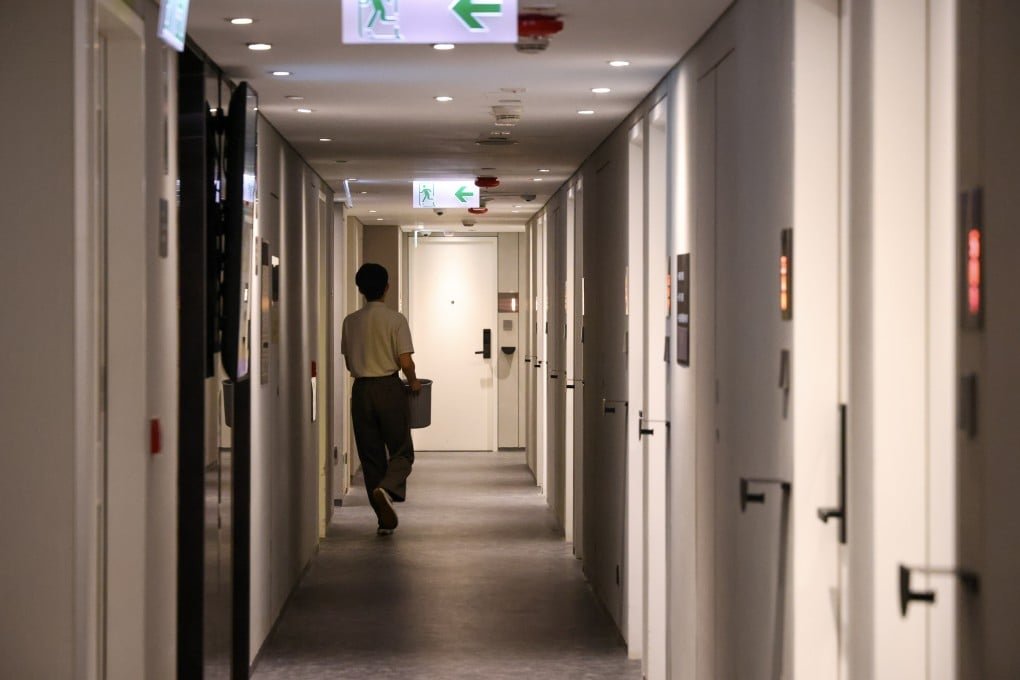
Efforts under consideration reportedly include enhancing storage and vaulting capacity, improving derivatives offerings and streamlining cross-border gold transfer mechanisms between Hong Kong and mainland markets.
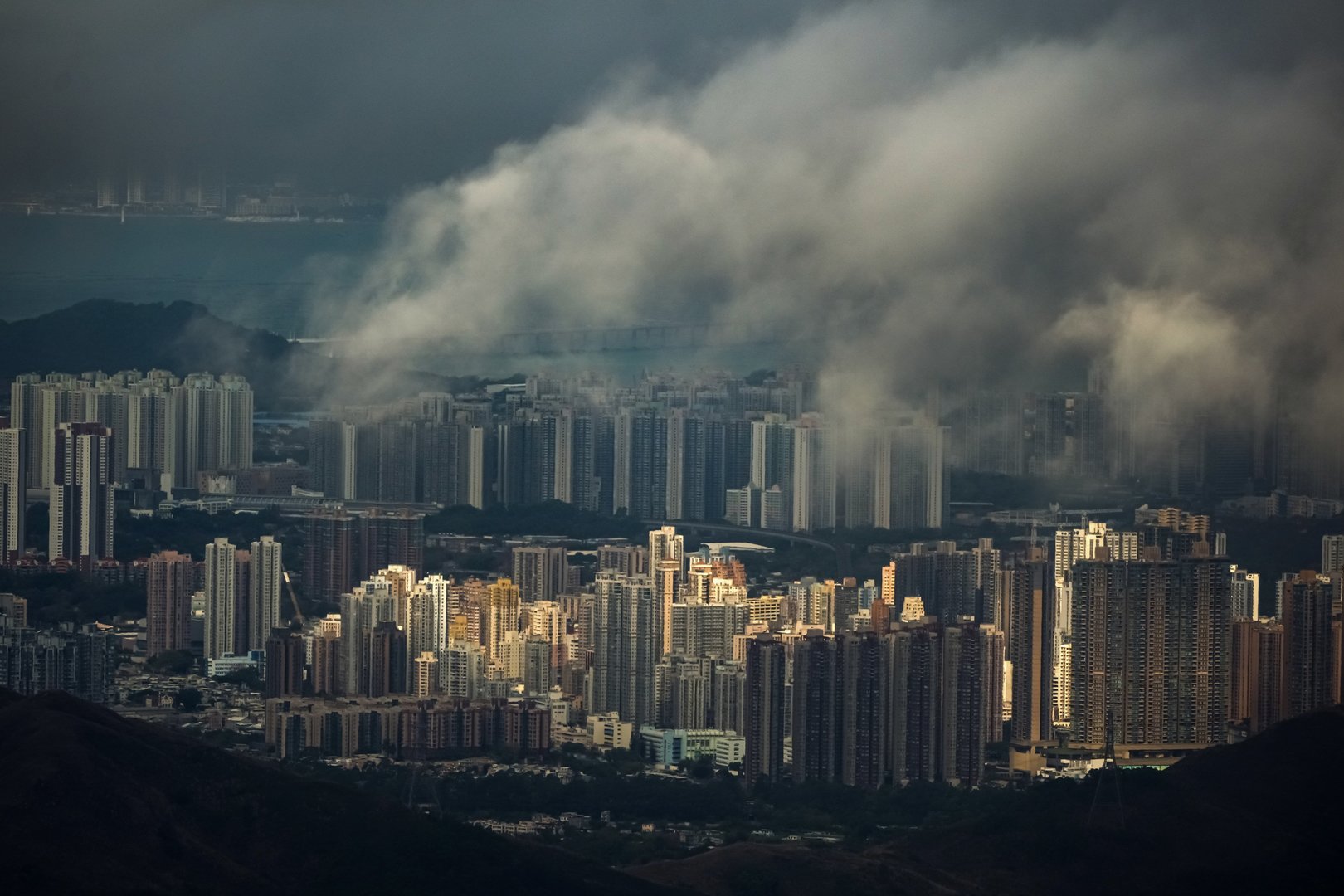
Financial regulators are also expected to explore regulatory adjustments designed to strengthen transparency and international participation.

The move aligns with China’s longer-term ambition to diversify global financial architecture and reduce reliance on traditional Western pricing benchmarks.

By leveraging Hong Kong’s international connectivity and regulatory standards, Beijing hopes to advance its presence in global bullion markets while reinforcing the city’s standing as a gateway for capital and commodities trading in Asia.

As discussions continue, industry participants say any concrete policy steps could reshape regional gold flows and bolster Hong Kong’s competitiveness at a time when global investors are increasingly seeking diversified trading centres.
City underscores financial resilience, rule of law and connectivity as it courts investors and skilled professionals
Hong Kong is reinforcing its claim to be a beacon of stability for global talent and capital at a time of mounting geopolitical uncertainty and economic volatility.

Senior officials and business leaders have pointed to the city’s robust financial system, freely convertible currency and common law framework as enduring pillars that continue to attract multinational corporations, investors and skilled professionals.

In recent months, authorities have stepped up outreach efforts abroad, promoting Hong Kong’s connectivity with mainland China and its role as an international financial centre bridging East and West.

The city’s linked exchange rate system, which pegs the Hong Kong dollar to the US dollar, remains a cornerstone of monetary stability, while its deep capital markets and open financial regime allow for the free flow of funds.

Market participants note that Hong Kong’s banking sector remains well capitalised and highly regulated, supporting confidence among global institutions.

Efforts to attract global talent have also intensified.

Visa initiatives and talent admission schemes have drawn professionals in technology, finance and innovation sectors, complemented by policies aimed at strengthening research and development, green finance and digital infrastructure.

Authorities argue that the city’s proximity to the Guangdong-Hong Kong-Macao Greater Bay Area provides access to a vast consumer and industrial base while preserving Hong Kong’s distinct legal and financial system.

Data from financial regulators show steady capital market activity, including new listings and asset management inflows, reflecting continued engagement by international investors.

Meanwhile, multinational firms continue to maintain regional headquarters in the city, citing regulatory transparency and connectivity as key advantages.

Business leaders acknowledge that global headwinds, including trade tensions and regional conflicts, present challenges.

However, they contend that Hong Kong’s institutional strengths, infrastructure and strategic location position it as a stable platform in an increasingly fragmented world economy.

As governments and corporations reassess supply chains and investment strategies, Hong Kong is advancing its narrative as a secure, predictable and globally connected hub — seeking to reaffirm its role as a gateway for capital flows and professional talent in Asia and beyond.
Energy prices, shipping costs and supply chain risks threaten to intensify consumer price pressures, analysts say
Hong Kong faces growing inflation risks as the escalating conflict in the Middle East unsettles global energy markets and heightens uncertainty across international trade routes, economists have warned.

The recent surge in geopolitical tensions has triggered volatility in oil prices, with crude benchmarks climbing amid fears of supply disruptions.

As a highly import-dependent economy, Hong Kong is particularly sensitive to swings in global energy and transportation costs.

Analysts note that sustained increases in fuel prices could feed through to electricity tariffs, logistics expenses and ultimately consumer goods.

Shipping routes through key maritime corridors have also come under scrutiny as insurers reassess risk premiums and freight rates respond to heightened security concerns.

Any prolonged disruption could raise import costs for food, raw materials and manufactured products destined for the city, adding pressure to already elevated price levels.

Hong Kong’s inflation rate has remained moderate compared with some advanced economies in recent years, supported by subdued domestic demand and currency stability under the linked exchange rate system.

However, economists caution that external price shocks — particularly those tied to energy and commodities — could test that stability if conflict-driven volatility persists.

Retailers and small businesses have begun monitoring supplier contracts more closely, anticipating potential cost pass-throughs in the months ahead.

While some firms may initially absorb higher expenses to maintain competitiveness, prolonged input cost increases are likely to be reflected in consumer prices.

Financial analysts say much will depend on the duration and intensity of the Middle East conflict.

A short-lived disruption may limit inflationary spillovers, but an extended escalation affecting oil production or major shipping lanes could exert broader pressure on Asia’s import-reliant economies, including Hong Kong.

Market observers are also watching the response of central banks globally.

Any sustained rise in inflation expectations could influence monetary policy decisions elsewhere, with indirect implications for Hong Kong’s financial conditions given its currency peg to the US dollar.

For now, economists describe the situation as a rising external risk rather than an immediate inflation surge.

Nevertheless, they warn that the city’s exposure to global supply chains means that geopolitical instability abroad can translate quickly into higher costs at home if tensions intensify.
PMI data and economic indicators point to sustained expansion driven by domestic demand and foreign orders
Hong Kong’s private sector has registered one of its strongest periods of expansion in nearly three years, as a key business activity index rose, signalling broad-based growth across services and manufacturing firms.

The latest data from the S&P Global Hong Kong Purchasing Managers’ Index showed the headline PMI climbing into expansionary territory, with a reading well above fifty — a threshold that indicates growth rather than contraction — driven by strengthened new business inflows and faster foreign sales.

The PMI increase reflects sustained momentum in private-sector activity, with output and new orders rising for several consecutive months.

Businesses reported improved demand from both mainland China and overseas markets, while supplier delivery times and purchasing activity also strengthened.

Despite marginal job shedding in some segments, firms noted rising backlogs of work, suggesting renewed confidence in future activity.

Stronger private sector performance aligns with broader economic indicators released by the Hong Kong government and statistical authorities, which show robust overall GDP expansion.

Preliminary figures indicate that the city’s economy grew at a solid pace in 2025, marking consecutive years of growth supported by resilient external demand, recovering domestic consumption and investment.

Analysts say the private sector’s performance underscores the resilience of Hong Kong’s economy amid global uncertainties, including shifting trade patterns and fluctuating financial conditions.

Demand for services, particularly those tied to international trade, finance and tourism, has contributed meaningfully to the uptick in activity.

Export orders were reported to have expanded at the fastest pace in nearly three years, reinforcing the role of foreign demand in sustaining growth.

While business confidence eased slightly in recent months, likely reflecting concerns over global economic headwinds and competitive pressures, the overall expansion trend remained among the strongest in recent years.

Market observers are closely monitoring the trajectory of private-sector growth as a key barometer for the city’s economic momentum heading into 2026.

The latest PMI data, together with rising export activity and stabilising domestic demand, suggests that the private sector will continue to be a pivotal engine of Hong Kong’s economic recovery and growth in the near term.
Tournament organizers announce Asia stop’s comeback as part of expanding global schedule, offering priority sales to supporters
LIV Golf will return to Hong Kong in 2027 as part of its expanding international calendar, with organizers confirming that fans will be offered early access to tickets ahead of general release.

The announcement marks the circuit’s continued commitment to Asia and follows strong attendance and commercial performance at previous Hong Kong events.

Tournament officials said the 2027 edition will once again be staged at Hong Kong Golf Club, a venue that has become a prominent stop on the league’s global tour.

Fans who register in advance will receive priority access to ticket sales, giving returning spectators and new supporters the opportunity to secure entry before tickets are made widely available.

Organizers said further details regarding pricing, hospitality packages and event scheduling will be released closer to the tournament date.

The decision to revisit Hong Kong reflects LIV Golf’s broader strategy of building stable, repeat destinations in key international markets.

League executives have emphasized Asia’s importance in the sport’s commercial growth and fan development, with Hong Kong serving as a gateway to the region.

The 2027 event is expected to feature many of the tour’s high-profile players and team franchises, alongside the league’s signature shotgun-start format and team competition structure.

Officials said the return also underscores confidence in Hong Kong’s ability to host major global sporting events and deliver strong spectator engagement.

With the calendar now extending firmly into 2027, LIV Golf’s confirmation signals both continuity and long-term planning, positioning the Hong Kong stop as a recurring fixture in the league’s international footprint.
Average temperatures from December to February reach unprecedented levels, driven by weak monsoon winds and broader climate trends
Hong Kong has experienced its warmest winter since official meteorological records began in the nineteenth century, with an average temperature for the season markedly above historical norms.

The Hong Kong Observatory reported that the mean temperature from December 2025 through February 2026 reached 19.3 degrees Celsius, approximately two degrees above the long-term average for the period, setting a new benchmark for winter warmth.

Authorities attributed much of the elevated heat to a weaker-than-usual northeast monsoon, which typically helps bring cooler conditions to the Pearl River Delta and southern China region during the colder months.

February in particular was significantly milder than normal, with an average of 20.1 degrees Celsius — roughly three degrees above the seasonal expectation, according to the Observatory.

The Observatory noted that the unusually warm winter featured only a handful of cold days — among the lowest on record — while rainfall patterns were slightly above average due to a low-pressure trough late in February that brought more precipitation than usual.

Despite this, accumulated rainfall in the opening months of the year remained below typical levels.

Climate scientists say the record warmth aligns with broader temperature trends in the region and globally, where rising averages and changing atmospheric patterns are increasingly evident.

The city’s first recorded winter dates back to 1884–85, making the 2025–26 season the warmest on record over more than a century of data collection.

The exceptionally mild winter in Hong Kong follows a broader pattern of anomalous temperatures in recent years, with the city also reporting numerous heat records in 2025. The current temperature surge has implications for energy demand, urban comfort and ecological patterns, prompting renewed attention to both seasonal forecasting and long-term climate adaptation strategies.
Logistical challenges with Southern Hemisphere horses push prestigious racing auction to late June or early July
Organisers of the Hong Kong International Sale have announced that the high-profile thoroughbred auction will be postponed from its original early March date due to quarantine complications affecting horses from the Southern Hemisphere.

The Hong Kong Jockey Club, which runs the event, confirmed that uncertainty over when key consignments could fulfil entry quarantine requirements led to the decision to delay the sale to late June or early July.

The annual Hong Kong International Sale, a major fixture in the global racing calendar that attracts buyers from around the world, was previously scheduled to take place on March 6. Club executives said that while Northern Hemisphere horses had arrived in Hong Kong, the arrival timing for Southern Hemisphere imports remained unclear amid quarantine and biosecurity protocols.

Organisers cited the ongoing busy racing period — including preparation for the Hong Kong Derby and arrivals for the FWD Champions Day — as factors complicating quarantine logistics and animal movement.

“We thought the better course was to push it back,” said the Jockey Club’s executive director of racing, noting that the event has been successfully held later in the season in previous years.

Although the early-season timing was preferred, the revised schedule aligns with historical precedents and is considered viable for participants and buyers.

The sale provides permit holders and international buyers with the opportunity to acquire well-prepared bloodstock, sourced and pre-trained across the globe.

While the postponement disrupts the traditional march toward the auction, racing officials emphasised that the welfare of the horses and compliance with quarantine requirements were paramount in the decision.

The rescheduling is expected to offer a more predictable environment for handling international equine arrivals.

With the adjustment officially announced, attention now turns to the summer calendar, when the Hong Kong International Sale will be integrated into the broader season’s racing and sales activities, maintaining its significance within the thoroughbred industry.
American diplomatic compound targeted in Saudi capital; no casualties reported as shelter-in-place advisory issued
The United States Embassy in Riyadh was struck by multiple drones as regional hostilities linked to the escalating confrontation with Iran expanded across the Gulf.

Saudi authorities confirmed that unmanned aerial vehicles targeted the diplomatic quarter of the capital, with smoke visible near the American compound.

Security forces responded immediately, securing the area and containing limited structural damage.

Officials reported no injuries among U.S. diplomatic personnel or Saudi security staff.

Following the strike, the U.S. Mission in Saudi Arabia issued an urgent shelter-in-place advisory for American citizens in Riyadh, Jeddah and Dhahran, urging them to limit movement and monitor official communications.

The advisory emphasized that the security situation remains fluid as retaliatory actions continue across the region.

The embassy attack occurred amid the broader military campaign known as Operation Epic Fury, in which U.S. and Israeli forces have conducted sustained operations against Iranian missile systems, naval assets and strategic infrastructure.

U.S. officials assess the drone strike as part of Iran’s wider response to ongoing military pressure.

President Donald Trump condemned the targeting of the diplomatic facility and reaffirmed that the United States will protect its personnel and interests with decisive strength.

He warned that further aggression would be met with a firm response.

Security levels at American diplomatic facilities throughout the Middle East have been elevated as authorities continue to monitor developments and reinforce defensive measures.
Residents caught in regional instability urge faster evacuations and clearer communication as travel routes remain disrupted
Hong Kong residents stranded in parts of the Middle East have appealed for more robust official assistance as escalating regional conflict continues to disrupt commercial flights and border crossings.

Several Hongkongers currently in affected areas said they were struggling to secure reliable transport out of the region amid widespread airspace closures, flight cancellations and heightened security risks.

With major transit hubs operating at reduced capacity and some airlines suspending services entirely, travellers reported difficulty obtaining confirmed bookings or safe land routes to neighbouring countries.

Those seeking to leave described uncertainty over evacuation arrangements and called for clearer communication and more proactive coordination from authorities.

Some said they had registered with official channels but were awaiting further instructions on transport options or potential chartered flights.

Others expressed concern about the rapidly evolving security situation and the limited availability of commercial alternatives.

Hong Kong authorities have stated that they are closely monitoring developments and maintaining contact with residents in the region.

Officials said they were liaising with relevant diplomatic missions and transport operators to assess feasible evacuation pathways and to provide updated travel advice.

Emergency hotlines and registration platforms remain open for residents requiring assistance.

The ongoing instability has led to the temporary closure of several air corridors across the Middle East, forcing airlines to reroute or suspend services.

In addition to flight disruptions, travellers have reported congestion at land border crossings and limited accommodation availability as demand for exit routes increases.

Security analysts note that the pace and scale of evacuation efforts often depend on operational conditions on the ground, including access to airports, airspace permissions and host government coordination.

As the situation continues to unfold, families in Hong Kong have voiced growing anxiety over the safety of relatives overseas.

Officials have urged residents in affected areas to remain in secure locations, monitor verified advisories and stay in contact with authorities while contingency arrangements are explored.

The effectiveness of evacuation efforts is expected to hinge on regional stability and the reopening of key transport routes in the days ahead.
Authorities investigate outbreak as dozens report symptoms aboard vessel arriving in the city
Health officials boarded a cruise ship in Hong Kong after seventy-six passengers reported falling ill during the voyage, prompting an on-site investigation and precautionary public health measures.

According to local authorities, medical teams were dispatched to the vessel shortly after its arrival to assess the situation, interview affected passengers and collect relevant samples.

The reported symptoms were consistent with a gastrointestinal illness, though officials have not yet confirmed the specific cause.

Those who felt unwell were evaluated by medical personnel, and isolation protocols were implemented where necessary to prevent further spread.

Cruise operators are required to notify port authorities when a significant number of passengers report illness, particularly when symptoms suggest a potentially contagious condition.

Upon arrival in Hong Kong, health officers conducted inspections of common areas, food preparation facilities and sanitation procedures, in line with established maritime health regulations.

Authorities said they would continue monitoring the situation closely and provide further updates once laboratory results become available.

Passengers who disembarked were advised to seek medical attention if symptoms persist and to observe personal hygiene precautions.

Cruise travel has rebounded strongly in the region, with Hong Kong positioning itself as a key turnaround and transit hub.

Public health officials emphasised that established response protocols are designed to manage such incidents swiftly and to safeguard both travellers and the wider community.

Investigations into the source of the illness remain ongoing.
Beijing’s annual policy meetings are expected to emphasise Hong Kong’s strategic financial role and accelerate momentum behind the Northern Metropolis blueprint
China’s annual “Two Sessions” meetings are expected to place renewed emphasis on Hong Kong’s role as an international financial centre and on advancing the city’s ambitious Northern Metropolis development plan, reinforcing Beijing’s long-term strategic support for the territory.

The gatherings of the National People’s Congress and the Chinese People’s Political Consultative Conference, which outline the country’s economic priorities and policy direction for the year ahead, are widely seen as a key platform for signalling central government backing for Hong Kong’s continued integration into national development strategies.

Delegates and advisers from Hong Kong have indicated that strengthening the city’s global financial competitiveness and accelerating cross-border connectivity within the Greater Bay Area will feature prominently in discussions.

Hong Kong’s financial sector remains a cornerstone of its economy, serving as a gateway for capital flows between mainland China and international markets.

Policymakers are expected to highlight initiatives aimed at deepening capital market reforms, enhancing renminbi internationalisation, and expanding wealth management and green finance capabilities.

These measures are viewed as central to consolidating Hong Kong’s position amid shifting global economic conditions and intensifying regional competition.

Attention is also set to focus on the Northern Metropolis, a major long-term development strategy designed to transform the city’s northern districts bordering Shenzhen into an innovation and technology hub integrated with the broader Greater Bay Area.

The project envisions large-scale housing, infrastructure and commercial expansion, alongside closer collaboration with neighbouring mainland cities in research, advanced manufacturing and digital industries.

Officials have framed the Northern Metropolis as a structural response to land supply constraints and economic diversification needs, positioning it as a catalyst for sustainable growth and youth employment opportunities.

By linking Hong Kong more closely with Shenzhen’s innovation ecosystem, authorities aim to create a new economic engine that complements the city’s traditional strengths in finance and professional services.

Analysts note that signals emerging from the “Two Sessions” often shape investor expectations and policy execution in the months that follow.

Clear endorsement of Hong Kong’s financial development and the Northern Metropolis blueprint would likely be interpreted as a reaffirmation of long-term strategic priorities, potentially bolstering market confidence.

As the meetings proceed, stakeholders in Hong Kong’s business, property and financial sectors will be watching closely for concrete measures and timelines that could translate policy vision into implementation, shaping the next phase of the city’s economic evolution.
Analysts say channeling investment through the Hong Kong Investment Corporation may provide limited relief to a soft commercial property sector grappling with high vacancies
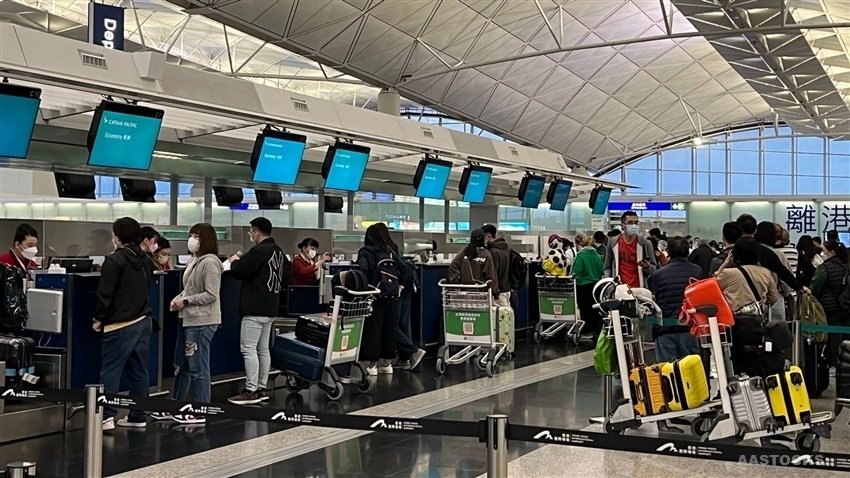
Hong Kong’s reported plan to utilise the Hong Kong Investment Corporation (HKIC) to help stabilise the city’s struggling office market is being met with cautious assessments from market observers, who warn that structural oversupply and subdued demand could limit its impact.

The office sector has faced persistent headwinds in recent years, with elevated vacancy rates in key business districts and downward pressure on rents.

A combination of shifting corporate space requirements, increased adoption of hybrid work models and a slower rebound in multinational leasing activity has weighed on absorption levels.

Against this backdrop, policymakers are exploring mechanisms to reinforce market confidence and prevent further erosion in asset values.

Under the proposal being discussed, HKIC — the government-backed investment vehicle established to deploy capital in strategic industries and long-term growth sectors — could play a role in supporting selected commercial properties or related investment platforms.

Supporters argue that the move would signal official confidence in Hong Kong’s long-term position as an international financial centre and help anchor investor sentiment during a cyclical downturn.

However, analysts caution that using a sovereign investment arm to underpin segments of the property market presents practical and policy challenges.

Direct acquisitions of office assets may offer temporary price stabilisation but would not address underlying demand dynamics.

Others note that any intervention would need to be carefully structured to avoid distorting market signals or creating expectations of ongoing state support.

The scale of the office glut is also a factor.

Significant new supply has entered the market in recent years, including premium developments in both traditional core districts and emerging business zones.

With additional projects still in the pipeline, absorption is expected to remain gradual unless leasing demand strengthens meaningfully.

Market participants suggest that a broader strategy — including economic revitalisation measures, talent attraction initiatives and incentives for innovation-driven industries — may ultimately prove more effective in bolstering office utilisation.

Hong Kong authorities have repeatedly emphasised the city’s resilience, deep capital markets and connectivity with mainland China as enduring competitive advantages.

While HKIC’s involvement could provide targeted support or co-investment opportunities in strategic real estate projects, analysts broadly agree that restoring balance to the office market will depend primarily on sustained business expansion and renewed corporate confidence.

The discussion underscores the complexity of addressing cyclical property weakness in a global financial hub navigating evolving economic conditions.
Analysts warn that airspace closures and longer flight paths driven by conflict in the Middle East are likely to increase costs for passengers flying to and from Hong Kong
Escalating conflict in the Middle East is expected to drive up airfares for travellers flying from Hong Kong and other global hubs as airlines contend with airspace closures, longer routes and rising fuel costs.

With major swaths of Middle Eastern airspace shut in response to military strikes and retaliatory attacks, international carriers have had to reroute flights around conflict zones, squeezing available corridors and increasing operational complexity.

The closure of airspace over countries including Iran, Iraq, Kuwait, Qatar, Bahrain and the United Arab Emirates has forced airlines to divert long-haul flights northward over the Caucasus or southward through alternative corridors, extending journey times and lifting fuel consumption.

Such detours directly add to airlines’ costs, which analysts expect will be passed on to passengers through higher ticket prices.

Many Middle Eastern hubs that traditionally link Europe, Asia and Africa have reduced operations or suspended services amid safety and regulatory concerns.

Airlines globally are adjusting operations to avoid volatile regions, with some carriers cancelling or delaying services and others altering schedules to maintain safety and connectivity.

The disruptions have already contributed to market volatility in airline stocks and broader industry stress as investors price in higher costs and uncertain demand.

Longer flight times also put additional strain on crew scheduling, aircraft utilisation and logistical planning.

While Hong Kong’s direct flight operations remain largely intact, industry observers note that the wider realignment of global routes affects the economics of long-distance travel and could put upward pressure on fares even for flights that do not cross conflict zones directly.

Aviation analysts emphasise that sustained geopolitical tensions could lead to a period of elevated airfares until airspace reopens and more efficient flight paths are restored.

Travel advisories and operational warnings have been issued for regions near the conflict, prompting some travellers to reconsider itineraries and timing.

With fuel prices also showing sensitivity to geopolitical risk, airlines face a complex environment that may extend beyond the immediate crisis.

Longer term, carriers are likely to refine risk assessment and route planning strategies to manage exposure to conflict-related disruptions while balancing competitive pricing.

Passengers flying to and from Hong Kong should expect volatility in ticket pricing and schedule adjustments in the short term as airlines recalibrate routes and costs in response to the evolving Middle East situation.

The full impact on global airfares will depend on how quickly regional airspace can be safely reopened and stability returns to one of the world’s most critical aviation corridors.
Hong Kong’s Art Month offers a dynamic programme of satellite fairs, public exhibitions and city-wide cultural showcases during the Art Basel weekend
As Hong Kong prepares to host Art Basel from March twenty-seventh to twenty-ninth, 2026, the city’s broader art calendar has come alive with an array of complementary fairs and cultural events that enrich the experience for collectors, curators and art lovers from across the globe.

Art Central, running from March twenty-fifth to twenty-ninth on the Central Harbourfront, is a major contemporary art fair that showcases over one hundred galleries and hundreds of artists in a lively, waterfront venue.

The event emphasises innovation and experimentation, with exhibitions, performances and talks that reflect the cutting edge of contemporary practice and foster connections among collectors, creators and curators outside the main Basel venue.

Its accessible format and harbourside setting make it a highlight for those exploring Hong Kong’s art scene during the busy art week.

Alongside these fairs, the city’s public cultural landscape comes alive with the fifty-fourth Hong Kong Arts Festival, a multi-disciplinary celebration of visual art, music, theatre and performance that spans much of March.

With dozens of programmes and performances presented across multiple venues, the festival injects a broader artistic dimension into Art Month’s schedule, appealing to audiences beyond the fair circuit.

The HKWalls Street Art Festival also features vibrant mural installations, workshops and live painting sessions across the city, inviting visitors to engage directly with Hong Kong’s urban art culture.

Running concurrently with Art Basel and other fairs, HKWalls highlights public art’s role in the city’s creative ecosystem and offers an accessible complement to the established art fair scene.

During the Art Basel period, off-site installations and sector highlights provide immersive experiences throughout the city.

Art Basel’s own citywide Encounters and Public Programme extend beyond the Hong Kong Convention and Exhibition Centre with free film screenings, talks and curated displays that connect the main fair to cultural institutions and community spaces across Hong Kong.

These initiatives reflect a growing emphasis on public access and cross-regional cultural dialogue during the fair week.

In addition to satellite fairs and public programmes, several pop-up exhibitions and gallery showcases across Hong Kong’s districts add to the visual feast.

Galleries in Wong Chuk Hang, Central and the West Kowloon Cultural District present special exhibitions timed to coincide with the Basel week, offering collectors additional contexts to explore emerging artists and experimental works.

(Typical examples include installations at industrial galleries and curator-led shows tailored to the international audience drawn by Art Basel.)

This constellation of fairs and events positions Hong Kong Art Month as a vibrant cultural moment, transforming the city into a global festival of creativity, conversation and artistic exchange during the most important week in the Asia-Pacific art calendar.

Collectors, artists and visitors alike can expect an immersive cultural itinerary that extends the impact of Art Basel far beyond the walls of the convention centre.

Whether through established fairs like Art Central, city-wide public art and festival stages or independent gallery programmes, the Art Basel week in Hong Kong promises a rich blend of commercial, experimental and community-oriented art experiences that reflect both international innovation and local creative energy.
Investor warns of structural vulnerabilities in offshore listing frameworks widely used by Chinese technology firms
Michael Burry, the investor known for identifying structural weaknesses ahead of major market corrections, has drawn renewed attention to perceived fragilities within Chinese technology companies and the offshore corporate structures commonly used for their international listings.

In recent remarks circulated across financial markets, Burry highlighted what he described as a "vulnerability" embedded in the variable interest entity model and Cayman Islands-based holding structures that underpin many Hong Kong-listed Chinese technology firms.

These frameworks, frequently used to facilitate overseas capital raising, allow companies operating in mainland China to list shares abroad through offshore entities that hold contractual rights rather than direct equity ownership in the operating businesses.

Burry cautioned that investors may underestimate the legal and regulatory complexities of such arrangements, particularly amid evolving geopolitical dynamics and regulatory oversight in both China and international markets.

His comments focused on the potential disconnect between offshore shareholders and the underlying operating assets, raising concerns about enforcement rights, governance transparency and cross-border regulatory risk.

Hong Kong remains a leading global financial centre and a primary venue for Chinese technology listings, with many firms using Cayman Islands-registered entities as listing vehicles.

The structure has long been accepted by international investors and regulators as a practical solution to foreign ownership restrictions in certain mainland sectors.

However, market participants acknowledge that the arrangement depends on contractual control rather than direct asset ownership, a distinction that can become material during periods of legal or political stress.

Burry’s observations arrive at a time of heightened scrutiny over global technology supply chains, cross-border investment frameworks and capital market resilience.

While no immediate policy shifts have been announced in response to his comments, analysts note that discussions surrounding corporate governance and jurisdictional risk in emerging markets have become more prominent among institutional investors.

Despite the concerns raised, many Hong Kong-listed technology firms continue to attract significant international capital, reflecting confidence in the city’s regulatory environment and its established role as a bridge between mainland China and global markets.

Market experts emphasise that offshore listing structures are widely disclosed and form part of standard risk assessments conducted by institutional investors.

Burry’s intervention underscores an ongoing debate about the balance between access to high-growth technology sectors and the structural complexities embedded in cross-border investment vehicles.

Whether his warning signals a broader reassessment among global investors remains to be seen, but it has renewed focus on the legal architecture underpinning some of Asia’s most prominent technology listings.
Disney Legend and Tony Award-winner enthralls audiences with beloved Disney classics in a special concert marking two decades of magic
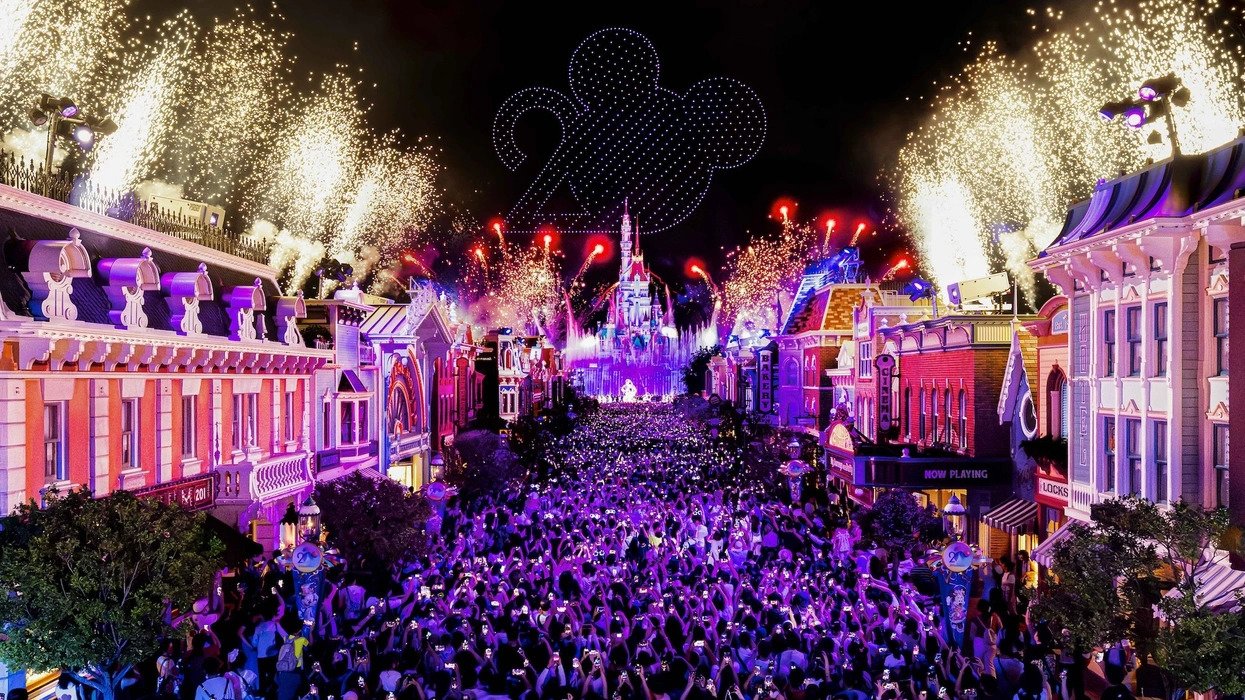
Lea Salonga, the award-winning Filipino Broadway star and Disney Legend, returned to Hong Kong Disneyland Resort to headline a one-night-only performance as part of the theme park’s 20th anniversary celebration.

In front of the Castle of Magical Dreams on January tenth, Salonga delivered a rich programme of Disney classics, revisiting the songs that have defined her storied career and underscored her enduring connection with Disney.

Salonga’s appearance, framed as “Disney Legend Live in Concert Presents Lea Salonga,” brought together live musicians from the Hong Kong Philharmonic Orchestra and the Hong Kong Disneyland Band, led by conductor Maestro Gerard Salonga, her brother.

Against a backdrop of illuminated castle projections and pyrotechnics, she performed iconic numbers including “A Whole New World,” “Reflection,” “Let It Go,” “A Dream Is a Wish Your Heart Makes,” and other cherished songs tied to Disney’s princess catalogue.

Six beloved Disney characters — Jasmine, Mulan, Tiana, Elsa, Cinderella and Pocahontas — joined the spectacle, enhancing the atmosphere of enchantment.

The performance marked a full-circle moment for Salonga, who first sang at Hong Kong Disneyland during its grand opening in 2005, two decades earlier.

Audiences responded with warmth and admiration, celebrating her return and the emotional resonance of her voice in one of the resort’s signature milestone events.

The concert was one of the centrepiece offerings in a season of 20th anniversary festivities that have included parades, themed shows and commemorative attractions across the park.

Salonga, who was inducted as a Disney Legend in 2011 for her contributions as the singing voice behind Princess Jasmine in “Aladdin” and Fa Mulan in “Mulan,” has established a legacy that spans theatre, film and Disney history.

Her performance at Hong Kong Disneyland was widely hailed as a highlight of the anniversary season, drawing both long-time fans and new admirers to experience a unique blend of musical artistry and theme park celebration.

The event reaffirmed her status as one of the most beloved voices in contemporary musical entertainment and underscored the continued appeal of Disney’s legacy in Asia.
Hong Kong’s key equity indexes fell for a second session as heightened geopolitical tensions stemming from the US-Iran war weighed on risk appetite and global markets
Hong Kong’s equity markets slid for the second consecutive day as mounting geopolitical tensions linked to the United States-Iran conflict unsettled investor sentiment and prompted a broad shift out of risk assets.

The benchmark Hang Seng Index eased modestly in morning trading, following a sharper decline in the prior session, while the Hang Seng Tech gauge also retreated in line with risk-off mood seen across Asia-Pacific markets.

Markets opened lower amid renewed concerns that the conflict could disrupt supply chains, elevate energy prices and stoke inflationary pressures for global investors.

The downward pressure in Hong Kong came against the backdrop of broader weakness in regional equities, with major benchmarks such as Japan’s Nikkei and South Korea’s Kospi also posting declines as risk appetite receded.

Oil prices climbed significantly as traders assessed the implications of the conflict on crude flows, reinforcing inflation worries that have been dominating asset allocation decisions.

Financial markets in Europe and the United States have mirrored this cautious tone, with equity indices exhibiting heightened volatility around geopolitical headlines.

Within Hong Kong’s market, defensive and energy-linked stocks outperformed some of the more cyclical and growth-oriented names, reflecting investor preference for assets perceived as safer in times of uncertainty.

By contrast, sectors sensitive to global demand, including technology and consumer discretionary, were among the laggards.

The retreat in equities coincided with gains in traditional safe havens, including bullion and government bonds, as investors recalibrated portfolios amid the evolving conflict landscape.

Analysts said the latest session underscored how persistently geopolitical risks can influence capital markets, especially in pivotal financial hubs such as Hong Kong.

Investors have been closely watching developments in the Middle East and monitoring commentary from policymakers and central banks on inflation and monetary policy, all of which feed into market dynamics.

The ongoing geopolitical strife has injected fresh caution into markets already attentive to interest-rate trajectories and global growth prospects.

Despite the pullback, market participants emphasised that short-term volatility driven by geopolitical events does not necessarily reflect fundamental shifts in corporate earnings or long-term growth prospects.

Many noted that investors are likely to remain attentive to news flow, energy prices and macroeconomic data in the coming sessions, as sentiment adjusts to unfolding developments across the geopolitical landscape.
No current evidence or official notices confirm the specific suspension claim; service status varies by destination
At present there is no verified, up-to-date information confirming that Hongkong Post has suspended airmail services to twenty-four destinations due to the closure of Gulf postal hubs.

Official service status notices from Hongkong Post indicate that mail and parcel delivery to certain countries or regions may be suspended or delayed, and the organisation regularly updates its service alerts for specific routes.

Customers are advised to consult the official Hongkong Post service status pages for the latest information.

There is no authoritative source reporting that Gulf hubs have shut down and that such closures have prompted a blanket suspension of airmail to multiple destinations.

The claim of a twenty-four-destination suspension linked to Gulf hub shutdowns cannot be substantiated based on current publicly available information.
Experienced Asia real estate leader Graeme Torre moves from APG to Hongkong Land as the company expands its institutional real estate platform
Graeme Torre, who has led the Asia-Pacific real estate business for Dutch pension investor APG Asset Management since 2017, is leaving the firm to join Hongkong Land in a senior real estate leadership capacity, industry sources confirm.

Torre’s departure from APG marks the end of an eight-year tenure in which he expanded the firm’s regional property investment footprint into new sectors and markets.

At Hongkong Land, Torre will lend his strategic expertise to the developer’s growing institutional capital and fund management initiatives, bolstering its drive to cement a leading position in Asia’s commercial real estate landscape.

At APG, Torre built and guided the Asia-Pacific real estate team across core and alternative investments, including data centres, real estate debt, multifamily residential, self-storage and life sciences.

His leadership coincided with APG’s strengthened institutional presence in the region, working with notable partners and investors across multiple asset classes.

In succession planning, Türkiye-based Brian Hung succeeded him as APG’s Head of Asia-Pacific real estate in November 2025, reinforcing continuity for the firm’s long-term strategies and partnerships across key Asian markets.

Hung brings nearly two decades of market experience and deep experience within APG’s regional team.

Hongkong Land, a major developer and strategic investor in Asian gateway cities, has been accelerating its pivot into institutional real estate fund management.

The firm recently launched the Singapore Central Private Real Estate Fund, an open-ended core investment platform with an initial assets under management of S$8.2 billion, anchored by global institutional investors including APG and the Qatar Investment Authority.

This fund initiative underlines Hongkong Land’s broader ambition to expand its fee-based asset management business and attract third-party capital for long-term value creation.

Torre’s move to Hongkong Land aligns with this strategic shift, as the company seeks to leverage his deep insights into regional capital markets, long-term investor relationships and track record of navigating Asia’s dynamic real estate environment.

At his new role, Torre is expected to influence Hongkong Land’s institutional engagement and contribute to the continued growth and diversification of its commercial real estate offerings in Singapore and beyond.

The transition comes as Singapore’s commercial property sector remains robust, supported by strong occupier demand and the strategic positioning of flagship assets within the city-state’s central business district.

Hongkong Land’s expansion of its capital management platform aims to meet rising institutional demand for core real estate exposure in stable, gateway markets.

Torre’s appointment is seen as a key milestone in Hongkong Land’s evolution from a traditional property developer into a leading manager of institutional real estate capital across Asia Pacific.

It also reflects the broader momentum in the region for institutional investors seeking long-term, resilient property assets within diversified global portfolios.
Operation Epic Fury widens with continued U.S. airstrikes, Israeli attacks on Hezbollah, regional missile exchanges and rising global security concerns
The United States and Israel have intensified their joint military campaign against Iran, as the conflict expands across the region and triggers fresh security alerts from Lebanon to the Gulf.

President Donald Trump said Operation Epic Fury will continue with what he described as "large-scale" and "unyielding" military action, aimed at destroying Iran’s ballistic missile program, crippling its navy and ensuring the country can never obtain a nuclear weapon.

Speaking at the White House, Trump said U.S. forces are ahead of schedule and vowed the United States would "easily prevail".

He also warned that any further Iranian retaliation would be met with unprecedented force.

Secretary of State Marco Rubio said the next phase of strikes will be "more punishing," adding that Iran has already suffered significant damage but that the "hardest hits are yet to come".

Rubio argued the president did not require congressional approval for the strikes, saying the administration complied with federal notification requirements and does not consider the War Powers Act binding.

The Pentagon confirmed that U.S. forces have conducted hundreds of sorties in recent days, targeting missile sites and naval assets.

U.S. Central Command said B-1 bombers carried out strikes deep inside Iran against ballistic missile capabilities.

CENTCOM also reported that Iranian naval vessels operating in the Gulf of Oman have been reduced to zero over a two-day period.

At the same time, Israel expanded its military operations beyond Iran’s borders.

The Israeli Defense Forces said they killed the head of Hezbollah’s intelligence arm in an overnight strike in Beirut, following rocket and drone launches from Lebanon into Israel.

Lebanon’s government announced it would move to ban Hezbollah’s military activities, stating that decisions of war and peace must rest with the state.

Across the Gulf, regional tensions have escalated sharply.

Bahrain said it intercepted dozens of Iranian missiles and drones targeting its airspace.

Qatar’s defense ministry reported shooting down Iranian aircraft, ballistic missiles and drones before they reached their targets.

Kuwait confirmed that three U.S. fighter jets were mistakenly shot down by Kuwaiti air defenses in a friendly fire incident during active combat operations; all six American pilots ejected safely and were recovered.

U.S. Central Command also confirmed that four American service members have been killed since the operation began, including one who later died of injuries sustained during Iran’s initial counterattacks.

Meanwhile, the U.S. State Department and U.S. embassies in the region have urged Americans abroad to shelter in place, enroll in emergency alert programs and avoid large gatherings amid reports of missile and drone activity across Iraqi and Gulf airspace.

In Iran, internet monitoring group NetBlocks reported that a nationwide internet blackout has surpassed 60 hours, leaving millions unable to access information or communicate with relatives abroad.

Energy markets are reacting as well.

Analysts say oil prices have already risen, and U.S. drivers could see gasoline prices increase by 25 to 50 cents per gallon in the short term if supply disruptions worsen.

As the military campaign continues, officials in Washington and Jerusalem say their objectives remain focused on dismantling Iran’s missile capabilities and preventing future nuclear development.

However, with cross-border strikes, regional interceptions and mounting casualties, the situation remains volatile and fast-moving across the Middle East.
Across parts of the United States, a growing number of parents say they are confronting a reality they never imagined: that disagreement with school gender policies can trigger intervention by Child Protective Services.

Attorney Erin Friday has publicly described what she calls a chilling pattern. According to her account, parents who refuse to adopt their child’s preferred name or pronouns may face investigations — and in some cases, custody consequences. “You either need to transition your child or you don’t get to keep your child,” she says, describing what she characterizes as coercive pressure from state institutions.

One parent recounts discovering that her thirteen-year-old daughter had been socially transitioned at school without her knowledge. Teachers, she says, began using a male name and male pronouns. When she contacted the school to object, she alleges that Child Protective Services appeared at her door the following week, accompanied by police.

For this mother, the message was unmistakable: comply, or risk losing your child.

She later learned of cases in Southern California where parents reportedly lost custody after refusing to support social or medical transition for their minor children. Whether rare or systemic, such outcomes have intensified fears among families who hold traditional views on biological sex and parental authority.

The tension reached a breaking point when her daughter ran away months later. Under normal circumstances, calling law enforcement would be an immediate response for a missing thirteen-year-old child. But she says she hesitated. With an open file at Child Protective Services, she feared that any contact with authorities could escalate into removal proceedings.

At the center of this conflict lies a fundamental constitutional question: Who holds primary authority over a minor child — the parent or the state?

Supporters of current policies argue they are protecting vulnerable youth and affirming gender identity. Critics counter that state agencies are crossing a historic boundary, redefining disagreement as abuse and placing ideological compliance above parental judgment.

The legal framework in several states increasingly treats refusal to affirm a minor’s gender transition as potential emotional harm. That shift, opponents argue, marks a dramatic departure from longstanding norms in family law, where parents traditionally retain wide latitude to raise children according to their beliefs unless clear physical danger is present.

For families caught in the middle, the experience feels less like a policy debate and more like coercion. The fear is not merely social stigma — it is the possibility of state intervention.

The stakes are profound. Social transition can lead to medical pathways, including puberty blockers and hormone treatments. Parents who question those interventions often say they are not rejecting their child but seeking caution. Yet in some jurisdictions, that caution may be interpreted as hostility or neglect.

The broader societal implications extend beyond gender policy. When government agencies threaten custody over matters of identity and belief, critics argue it reshapes the meaning of parenthood itself.

Historically, child protection systems were designed to intervene in cases of abuse, violence, or severe neglect. Expanding that mandate into contested cultural or medical debates represents a significant transformation of state power.

The debate is no longer abstract. For some families, it has become immediate and personal.

Whether these cases represent isolated incidents or a systemic pattern remains a matter of legal and political contention. What is clear is that the boundary between parental authority and government oversight is being redrawn — and many Americans are only beginning to grasp the consequences.

In a country built on the presumption that parents raise children and the state intervenes only in extreme circumstances, the question now is whether that principle still holds.


Clinton denies knowledge of Epstein’s crimes during closed-door testimony. Members of Congress obviously did not believe Mr. Clinton, who is highly experienced in investigations against him and knows how to shape reality so that it aligns with the absence of witnesses against him — twenty-two of whom have so far been killed or allegedly “committed suicide” under mysterious circumstances. But from Clinton’s perspective, that does not matter, because from his point of view — and his wife’s as well — being suspects whom people do not believe does not trouble them, since in practice there is no clear evidence and no live witness against them. Therefore, they can continue their lives as if no crimes have attached to them from the “beyond all reasonable doubt” point of view.

Former U.S. President Bill Clinton testified on Friday before the congressional Oversight Committee investigating the Jeffrey Epstein case.

Speaking at the outset of the closed-door hearing in New York, Clinton said he had no knowledge of the crimes committed by Epstein.

"No matter how many photographs you show me," Clinton said, "I know what I saw and I know what I did.

I saw nothing and I did nothing wrong." He stated that his acquaintance with Epstein was brief and ended years before Epstein’s crimes became public.

Clinton, who appeared one day after Hillary Clinton testified before the same committee, said that the girls and women harmed by Epstein "deserve not only justice, but also healing." He added that although he was never aware of any wrongdoing during his interactions with Epstein, he appeared before the committee to provide whatever information he could to help prevent similar cases in the future.

Clinton cautioned lawmakers that he might respond "I don’t remember" on multiple occasions during the hearing, given that his communications with Epstein occurred many years ago.

He emphasized that, having grown up in an abusive environment, he would have acted against Epstein had he known of his conduct.

"We are here today because he hid his actions very well for a long time," Clinton said.

He also stated that by the time Epstein entered a plea agreement in 2008 on charges related to soliciting prostitution, he had long since ended any association with him.

Clinton has not been charged with any misconduct related to Epstein’s offenses.

His name and photographs have appeared in documents released by the U.S. Department of Justice in recent months.

Hillary Clinton told the committee a day earlier that she had never met Epstein and had no knowledge of his criminal activities.

Bill Clinton criticized the committee for summoning her, saying she had no connection to Epstein and no memory of meeting him or visiting any of his properties.

During a break in the hearing, Democratic members of the committee issued a statement calling for U.S. President Donald Trump to testify before the panel.

Representative Robert Garcia said the committee now had a precedent for requesting testimony from both current and former presidents, adding that Trump appears more frequently in the released documents than any individual other than Ghislaine Maxwell.

Democratic lawmakers praised Clinton’s testimony, stating that he answered difficult questions transparently regarding his association with Epstein.

Representative Ro Khanna said he and his colleagues had sufficient votes to compel Commerce Secretary Howard Lutnick to testify regarding references to him in Epstein-related documents.

Lutnick faced scrutiny earlier this year after documents contradicted his claim that he had distanced himself from Epstein following revelations of sexual offenses, indicating that he met with Epstein on two occasions afterward, including at a 2011 event at Epstein’s residence and at a family gathering on Epstein’s private island the following year.

Members of Congress obviously did not believe Mr. Clinton, who is highly experienced in investigations against him and knows how to shape reality so that it aligns with the absence of witnesses against him — twenty-two of whom have so far been killed or allegedly “committed suicide” under mysterious circumstances.

But from Clinton’s perspective, that does not matter, because from his point of view — and his wife’s as well — being suspects whom people do not believe does not trouble them, since in practice there is no clear evidence and no live witness against them. Therefore, they can continue their lives as if no crimes have attached to them from the “beyond all reasonable doubt” point of view.


The testimony forms part of the committee’s ongoing review of documents and relationships connected to the case.

State energy group outlines low-carbon roadmap, infrastructure consolidation, and international partnerships while reporting 90.17 billion baht in 2025 profit.
Thailand’s PTT Group is advancing a decisive strategy to position itself as a globally competitive energy operator, using liquefied natural gas trading, ammonia co-firing, and carbon capture technology as the core pillars of its long-term transformation.

The shift represents a strategic evolution from a domestically focused utility to an internationally active energy company aligned with Thailand’s broader economic and climate objectives.

Chief Executive Kongkrapan Intarajang confirmed that 70 to 80 percent of PTT’s business now operates outside Thai domestic regulation, underscoring the group’s international footprint.

Rather than relying on favorable commodity cycles, PTT is emphasizing operational efficiency as its primary value driver.

Internal improvements lifted performance well above what would have been 50,000 million baht in profits under a business-as-usual scenario, culminating in consolidated net profit of 90.17 billion baht for 2025.

A central component of PTT’s transition strategy is pragmatic decarbonization.

Instead of committing immediately to large-scale hydrogen deployment, the group is prioritizing ammonia co-firing in existing power plant infrastructure.

Ammonia can be blended with coal or gas, reducing emissions without requiring wholesale infrastructure redesign.

At the same time, PTT is advancing carbon capture and storage.

A project at the Arthit gas field targets carbon injection by 2028 with capacity of up to one million tonnes of CO2 per year, while the Eastern Thailand CCS Hub in the upper Gulf of Thailand is progressing in collaboration with authorities.

These initiatives support PTT’s target of reaching net zero by 2050.

Infrastructure consolidation is reinforcing financial strength.

Pipelines, storage tanks, and port facilities previously spread across subsidiaries have been centralized under PTT Tank Terminal, now designated the Infrastructure Flagship.

By leveraging PTT’s higher credit rating at the group level, financing costs are optimized, reducing the cost of capital and strengthening returns.

The A1 Initiative has already generated 17 billion baht in cash flow and 15 billion baht in incremental profit through asset optimization.

PTT’s Genesis restructuring project is moving toward securing a world-class partner for its refining and petrochemicals operations before year-end.

The company is shifting from a solo operator model to partnership-based growth while maintaining majority ownership of core assets.

Co-investors from the United States, the Middle East, and Europe are being sought to enhance market access, technology integration, and raw material positioning.

Simultaneously, the group has executed a Smart Exit strategy, recovering more than 13 billion baht in cash through divestments in electric vehicle and non-hydrocarbon businesses.

Adjustments in its Life Sciences portfolio have strengthened balance sheet discipline and enabled subsidiaries to pursue independent expansion.

Globally, LNG remains PTT’s most tangible growth lever.

The group traded 3.3 million tonnes of LNG last year and secured long-term contracts for an additional 1.6 million tonnes.

It is targeting a portfolio of 10 million tonnes per year by 2030 and 15 million tonnes by 2035, reinforcing its role as an international energy trader.

Potential terminal investments in the United States and the Middle East are under evaluation to strengthen supply positioning.

Supported by strong investment-grade credit ratings, continued shareholder returns including a total dividend of 2.30 baht per share, and ongoing reforestation efforts totaling 129,629 rai between 2023 and 2025, PTT’s transformation reflects Thailand’s confidence in building an energy future that is globally integrated, technologically adaptive, and financially resilient.
Leading Chinese developer advances cross-market regulatory transparency by synchronizing onshore and Hong Kong bond restructuring disclosures
Country Garden Holdings Company Limited has taken a significant step to enhance regulatory transparency by aligning its bond restructuring disclosures in Hong Kong with those already made on mainland Chinese exchanges.

The developer issued an overseas regulatory announcement under the Rules Governing the Listing of Securities on The Stock Exchange of Hong Kong that mirrors detailed onshore bond restructuring information published on the Shanghai and Shenzhen stock exchanges.

This coordinated approach ensures that investors in both jurisdictions receive consistent and timely information on the progress of restructuring proposals for multiple onshore corporate bonds, including principal and interest adjustment plans and options for repurchase, stock conversion, or general creditor claims.

The company stated that it will continue to comply with Hong Kong listing requirements and provide further updates as appropriate.

Country Garden’s announcement follows a period of extensive financial restructuring efforts in response to broader sector stress, as the company has worked with bondholders to secure creditor approvals for onshore and offshore debt solutions.

By cross-posting key filings across regulatory platforms, Country Garden seeks to maintain market confidence and uphold high standards of disclosure across jurisdictions.
Property group releases revised figures in line with regulatory disclosure requirements
Hongkong Land has issued an updated statement detailing its total share capital and voting rights, providing shareholders with revised figures in accordance with market disclosure obligations.

The property investment and development group confirmed the number of issued ordinary shares currently in circulation, along with the total voting rights attached to those shares.

The announcement was made as part of routine regulatory reporting designed to ensure transparency for investors monitoring ownership thresholds and disclosure triggers.

Companies listed on major exchanges are required to publish such updates when there are changes to issued capital, including share buybacks, cancellations or new issuances.

The revised total forms the denominator against which significant shareholding notifications are calculated under applicable securities regulations.

Hongkong Land, which focuses on prime commercial and residential developments across Asia, stated that the update does not reflect any alteration in its core business strategy or operating outlook.

The company continues to manage a portfolio spanning key markets including Hong Kong, Singapore and mainland China.

Market analysts noted that periodic adjustments to share capital figures are common among listed companies, particularly those engaged in capital management programmes.

Investors use the updated voting rights figure to determine whether holdings cross statutory reporting thresholds.

The company did not indicate any further immediate changes to its capital structure beyond those disclosed in the filing.
Judges cite procedural grounds as high-profile corruption allegations tied to African mining venture are put on hold
A Hong Kong court has halted proceedings in a bribery case connected to a long-running mining dispute in the Democratic Republic of Congo, pausing a prosecution that has drawn international attention.

The case centres on allegations that payments were made in connection with rights to valuable mineral assets in Congo, a country rich in copper and cobalt reserves critical to global supply chains.

Prosecutors had argued that individuals and entities based in Hong Kong were involved in transactions that potentially breached anti-corruption laws.

In its ruling, the court determined that procedural and evidentiary issues warranted a suspension of the case at this stage.

Judges indicated that further clarification was required regarding jurisdictional questions and the admissibility of certain materials before proceedings could continue.

Legal representatives for the defendants welcomed the decision, stating that the allegations had been contested from the outset and that due process must be upheld.

They have maintained that their clients acted lawfully and within the bounds of commercial practice.

The mining assets at the heart of the dispute have been the subject of competing claims and arbitration efforts spanning multiple jurisdictions.

Congo’s mineral wealth has made it a focal point for foreign investment, while also exposing transactions to heightened scrutiny under international anti-bribery standards.

Anti-corruption enforcement has become an increasingly prominent issue for financial centres such as Hong Kong, where authorities have sought to reinforce compliance frameworks and maintain global credibility.

It remains unclear whether prosecutors will seek to revive the case after addressing the court’s concerns or pursue alternative legal avenues.

The suspension leaves unresolved questions surrounding the broader mining dispute and the alleged financial arrangements connected to it.
Jailing of prominent media entrepreneur seen as intensifying pressure on independent journalism under national security framework
Hong Kong media entrepreneur Jimmy Lai has been sentenced to 20 years in prison, a ruling widely viewed as a significant moment in the city’s evolving legal and political landscape and a further setback for journalists operating under heightened scrutiny.

Lai, the founder of the now-defunct pro-democracy newspaper Apple Daily, has faced a series of charges brought under Hong Kong’s national security legislation.

The court’s decision to impose a 20-year term marks one of the most severe penalties handed to a high-profile media figure since the law was enacted.

Judicial authorities concluded that Lai’s actions constituted serious violations under the security framework, which was introduced to address what Beijing described as threats to national sovereignty and stability.

Prosecutors argued that his activities went beyond protected journalistic work and entered the realm of unlawful conduct as defined by the statute.

Supporters of Lai have characterised the ruling as emblematic of shrinking space for dissenting voices in Hong Kong.

Press advocacy groups and international observers say the case underscores the risks faced by journalists and publishers navigating the territory’s revised legal environment.

Hong Kong officials have consistently maintained that the national security law targets acts deemed to endanger state security rather than legitimate reporting.

They argue that judicial proceedings are conducted independently and in accordance with established legal standards.

The sentencing comes amid broader changes within Hong Kong’s media sector, where several outlets have closed or restructured in recent years.

Journalists describe a climate of caution, with editors and reporters weighing legal exposure in coverage of politically sensitive topics.

Lai, who has been in custody for an extended period during various proceedings, is expected to pursue available legal avenues.

The case is likely to remain a focal point in discussions about Hong Kong’s legal system, its relationship with Beijing and the future trajectory of press freedom in the territory.
Distributed law firm strengthens Asia presence as cross-border demand and regional deal activity grow
US-based distributed law firm FisherBroyles has expanded its international network with the launch of a new office in Hong Kong, marking a strategic move into one of Asia’s most significant legal and financial hubs.

The firm said the expansion is aimed at strengthening its capacity to advise clients on cross-border transactions, international arbitration and regulatory matters across the Asia-Pacific region.

The Hong Kong presence is expected to support clients engaged in capital markets activity, private equity, technology investments and multinational corporate operations.

FisherBroyles operates under a decentralised model that allows partners to work remotely while leveraging shared infrastructure and technology.

Firm leaders described the Hong Kong opening as a natural progression of its global strategy, citing increasing client demand for integrated legal services spanning the United States, Europe and Asia.

Hong Kong remains a pivotal gateway for investment flows between mainland China and international markets.

Despite broader geopolitical and economic shifts, the city continues to host major financial institutions, arbitration centres and multinational corporations.

The firm indicated that senior partners with experience in corporate law, dispute resolution and international trade will anchor the new office.

Additional hires are anticipated as the practice scales to meet regional demand.

Legal industry analysts note that distributed law firms have gained traction in recent years, offering lower overhead structures and flexible engagement models.

Expansion into Hong Kong positions FisherBroyles to compete more directly with established global firms serving Asia-based clients.

The move underscores ongoing efforts by international legal practices to deepen their Asia-Pacific footprint amid evolving trade patterns and rising cross-border regulatory complexity.
Strong gains in electronics, autos and key markets drive nineteenth consecutive month of export growth, while officials flag tourism softness and global trade risks.
Thailand’s export sector opened the year with its strongest performance in four years, as January shipments rose twenty-four point four percent from a year earlier to thirty-one billion five hundred seventy-three point one million United States dollars.

The expansion marked the nineteenth consecutive month of export growth, underscoring sustained external demand despite global uncertainties.

Officials attributed the surge to broad-based gains across major manufacturing categories and continued resilience in key overseas markets.

Excluding oil, gold and defence-related items, exports still increased twenty point nine percent year on year.

Electronics, electrical appliances and automobiles led the upswing, reflecting Thailand’s entrenched role in regional supply chains.

Agricultural and food exports also maintained momentum, with fresh and processed fruit, shrimp and pet food registering continued growth.

By destination, shipments to Australia, the United States, China and the Association of Southeast Asian Nations strengthened markedly.

In contrast, exports to Indochina and Africa remained in contraction.

Domestic sentiment showed signs of improvement.

Election campaigning was cited as contributing to higher money circulation and lifting the consumer confidence index to fifty-two point eight.

New passenger car registrations surged fifty-two point two percent year on year and rose on a seasonally adjusted monthly basis, while motorcycle registrations declined three point four percent.

Real farm income, however, fell nine point zero percent, highlighting uneven conditions across sectors.

Private investment displayed early positive signals, supported by a twenty-four point five percent increase in capital goods imports, suggesting manufacturers are positioning for higher production.

Tourism, a crucial pillar of the economy, softened.

Foreign tourist arrivals declined eleven point six percent to three point two eight million, reflecting ongoing external pressures.

Officials also identified overseas risks, including tensions between Iran and the United States and the possibility of retaliatory tariff measures by Washington, which could affect Thailand’s trade outlook.

Despite these challenges, macroeconomic stability indicators remain within healthy ranges.

Headline inflation stood at zero point six six percent, public debt at sixty-six point one percent of gross domestic product, and international reserves at two hundred eighty-nine point six billion United States dollars.

Foreign investors have been net buyers of Thai equities since the start of the year, totaling fifty-eight billion eight hundred forty point two two million baht as of February twenty-four, two thousand twenty-six, signaling renewed confidence while authorities continue to monitor currency movements and global volatility.
Australian company Horizon Oil attributes sales boost to Nam Phong and Sinphuhorm acquisitions in Thailand.
Australian junior Horizon Oil achieved its highest annual oil and gas sales volumes in five years, with the increase attributed to its recently acquired Nam Phong and Sinphuhorm assets in Thailand.
City expands infrastructure, trading links and renminbi settlement channels to capture growing bullion flows
Hong Kong is intensifying efforts to cement its role in the global gold trade, leveraging its status as an international financial centre and gateway to mainland China to attract a larger share of bullion flows.

Authorities and market participants have in recent months outlined initiatives aimed at strengthening the city’s precious metals ecosystem, including enhancements to storage capacity, settlement systems and cross-border trading mechanisms.

The push comes amid elevated global demand for gold, driven by geopolitical uncertainty, central bank purchases and investor appetite for safe-haven assets.

Industry executives say Hong Kong’s deep capital markets, convertible currency regime and proximity to mainland China — the world’s largest gold consumer — position it uniquely to serve as a bridge between Eastern demand and international supply.

Expanded use of renminbi-denominated products and closer integration with mainland exchanges are viewed as central pillars of the strategy.

The Hong Kong Exchanges and Clearing platform has been developing its commodities franchise in parallel with equity and bond market growth, while financial regulators have signalled support for further diversification into precious metals clearing and settlement services.

Market analysts note that strengthening infrastructure and regulatory clarity will be critical to competing with established bullion centres such as London, Zurich and Singapore.

Mainland Chinese investors’ rising participation in offshore markets has also contributed momentum.

Cross-border schemes that facilitate capital flows between Hong Kong and mainland financial systems have increased liquidity and broadened access to gold-linked products.

Supporters of the initiative argue that expanding the gold trade aligns with Hong Kong’s broader objective of reinforcing its international financial relevance at a time of shifting global capital patterns.

By anchoring bullion trading, storage and financing services in the city, policymakers aim to deepen market resilience and attract institutional participants seeking diversified exposure.

While challenges remain, including competition from entrenched hubs and the need for sustained investor confidence, the city’s renewed emphasis on precious metals underscores its ambition to play a more prominent role in shaping global commodity markets.
Appellate judges quash fraud verdict against pro-democracy media tycoon, though he remains imprisoned under national security law
A Hong Kong appellate court has overturned the fraud convictions of media entrepreneur and pro-democracy activist Jimmy Lai, in a rare legal victory for the founder of the defunct Apple Daily newspaper.

The Court of Appeal ruled that prosecutors had failed to prove that Lai and his co-defendant knowingly made false representations in relation to alleged misuse of office lease space, concluding that the lower court’s reasoning was legally flawed.

The overturned conviction stemmed from a 2022 case in which Lai was found guilty of fraud for allegedly breaching lease terms by allowing a consultancy firm to operate from part of the newspaper’s headquarters.

He had been sentenced to five years and nine months in prison and fined two million Hong Kong dollars.

The appellate court determined that the legal duty cited by prosecutors had not been properly established and that the evidence did not support a criminal finding.

Despite the decision, Lai remains in custody following his conviction under Hong Kong’s national security law, for which he received a 20-year prison sentence.

The partial overlap between sentences means the quashing of the fraud conviction may modestly affect the total time he is required to serve.

Lai, 78, has long been a prominent critic of Beijing’s policies toward Hong Kong.

His prosecutions have drawn sustained international scrutiny, while Hong Kong authorities maintain that all proceedings are conducted in accordance with the rule of law and established legal standards.

Legal analysts note that the appellate ruling underscores the technical requirements for upholding fraud convictions, even as broader national security cases continue to shape the city’s judicial and political landscape.
New policy permits eligible foreign professionals to extend employment visas up to three months in advance
Hong Kong has introduced a policy change allowing foreign professionals to renew their work visas up to three months before expiry, in a move aimed at strengthening the city’s ability to attract and retain global talent.

The Immigration Department confirmed that eligible employment visa holders, including those admitted under talent admission schemes and general employment policies, may now submit renewal applications earlier than previously permitted.

Officials said the adjustment is intended to provide greater certainty for employers and employees while streamlining administrative processes.

Under the revised arrangement, applicants can secure visa extensions well ahead of expiration, reducing the risk of last-minute processing delays that could disrupt employment contracts or residency plans.

Authorities emphasised that existing eligibility criteria and documentation requirements remain unchanged.

The measure forms part of broader efforts to bolster Hong Kong’s competitiveness amid intensifying global competition for skilled professionals.

In recent years, the government has expanded various talent schemes targeting sectors such as finance, innovation and technology, healthcare and professional services.

Business groups have welcomed the change, noting that administrative predictability is a key consideration for multinational firms and expatriate staff.

Employers say earlier renewals will help companies manage workforce planning more effectively, particularly for long-term projects.

The government has reiterated its commitment to positioning Hong Kong as an open and international city, with flexible immigration policies designed to support economic growth and innovation.

Officials say continued refinement of talent measures will remain a priority as the city seeks to reinforce its status as a global business hub.
Investors express concern over the returns on significant AI investments.
China and Hong Kong Stocks Rally After Beijing Sets 2026 Economic Growth Target
Hong Kong Stocks Slip as Financial Heavyweights Weigh on Market
Hong Kong Tycoons Play Down Economic Risks From Middle East Conflict
Former Hong Kong Lawmaker Chim Pui-chung Granted HK$5 Million Bail Pending Fraud Appeal
Swedish Businessman Appeals Seven-Year Sentence for Rape of Domestic Worker in Hong Kong
UK Trial Begins Over Alleged ‘Shadow Policing’ Linked to Hong Kong Trade Office
Beijing Urges Hong Kong to Harness Unique Strengths and Expand Global Role
Hong Kong Global Talent Summit Week Tackles Workforce Challenges in a Rapidly Changing Economy
U.S.–Spain Dispute Erupts After White House Says Madrid Agreed to Cooperate but Spanish Government Rejects Claim
Hong Kong Shipping Firm Orders New Boxship Hulls from Chinese Shipyard as Fleet Expansion Continues
Diplomats and Business Leaders Emphasize Security as Cornerstone of Investment Confidence
Beijing Reinforces Historical Narrative in Contemporary Hong Kong
Hongkong Land Cancels 170,000 Shares Following Latest Buyback Move
China Signals Stronger Push to Develop Hong Kong as Global Gold Trading Hub
Hong Kong Positions Itself as Anchor of Stability for Global Talent and Capital
Escalating Middle East Conflict Raises Inflation Concerns in Hong Kong
Hong Kong’s Private Sector Growth Reaches Near Three-Year Peak as Business Activity Strengthens
LIV Golf Confirms Return to Hong Kong in 2027 with Early Ticket Access for Fans
Hong Kong Records Warmest Winter on Record as Temperatures Surge Above Long-Term Norms
Quarantine Issues Force Rescheduling of Hong Kong International Sale
U.S. Embassy in Riyadh Struck by Drones Amid Escalating Iran Conflict
Hongkongers Stranded in Middle East Appeal for Stronger Government Assistance Amid Escalating Conflict
Health Officials Board Cruise Ship in Hong Kong After 76 Passengers Fall Ill
China’s ‘Two Sessions’ Set to Spotlight Hong Kong’s Financial Hub Status and Northern Metropolis Development
Hong Kong’s Proposal to Deploy HKIC in Support of Office Market Faces Structural Hurdles
Middle East Conflict Set to Push Up Airfares for Hong Kong Travellers as Global Routes Tighten
Six Must-Attend Art Fairs and Cultural Events Around Art Basel Hong Kong 2026
Michael Burry Flags Structural Risks in Chinese Tech and Questions Hong Kong’s Cayman Islands Corporate Model
Lea Salonga Returns to Hong Kong Disneyland in Celebrated Performance for Resort’s 20th Anniversary
Hong Kong Shares Retreat Again as US-Iran Conflict Dampens Investor Confidence
Unable to Verify Report of Hongkong Post Suspending Airmail to Twenty-four Destinations Amid Gulf Hub Closures
Graeme Torre, Former APG Asia-Pacific Real Estate Chief, Takes Strategic Role at Hongkong Land
U.S. and Israel Intensify Strikes on Iran as Conflict Expands to Lebanon and Gulf States
When the State Replaces the Parent: How Gender Policy Is Redefining Custody and Coercion
Former U.S. President Bill Clinton Testifies on Ties to Jeffrey Epstein Before Congressional Oversight Committee
Thailand’s PTT Expands LNG Trading and Accelerates Ammonia and Carbon Capture Strategy to Strengthen Global Energy Transition Leadership
Country Garden Aligns Hong Kong Bond Disclosures with Mainland Filings to Boost Transparency
Hongkong Land Announces Updated Share Capital and Voting Rights Total
Hong Kong Court Suspends Bribery Proceedings Linked to Congo Mining Dispute
Jimmy Lai Handed 20-Year Sentence in Hong Kong, Deepening Concerns Over Press Freedom
FisherBroyles Expands Global Footprint with Launch of Hong Kong Office
Thai Exports Surge to Four-Year High as January Shipments Jump 24.4 Percent
Horizon Oil reports highest annual oil and gas sales in five years, driven by Thai assets
Hong Kong Positions Itself as Emerging Hub in Global Gold Trade
Hong Kong Court of Appeal Overturns Jimmy Lai’s Fraud Conviction in Rare Legal Win
Hong Kong Allows Early Work Visa Renewals to Retain Overseas Talent
Public Frustration Mounts Over Food Prices at Hong Kong International Airport
Syngenta Targets Landmark Hong Kong Listing Amid Resurgent Equity Markets
HKEX Reports Record Profits as Hong Kong Reclaims Global IPO Leadership
Hong Kong Budget Unveils Ambitious Blueprint to Accelerate Innovation and Technology Growth