Authorities decide against emergency charter plan amid dangerous airspace conditions and logistical challenges following regional conflict
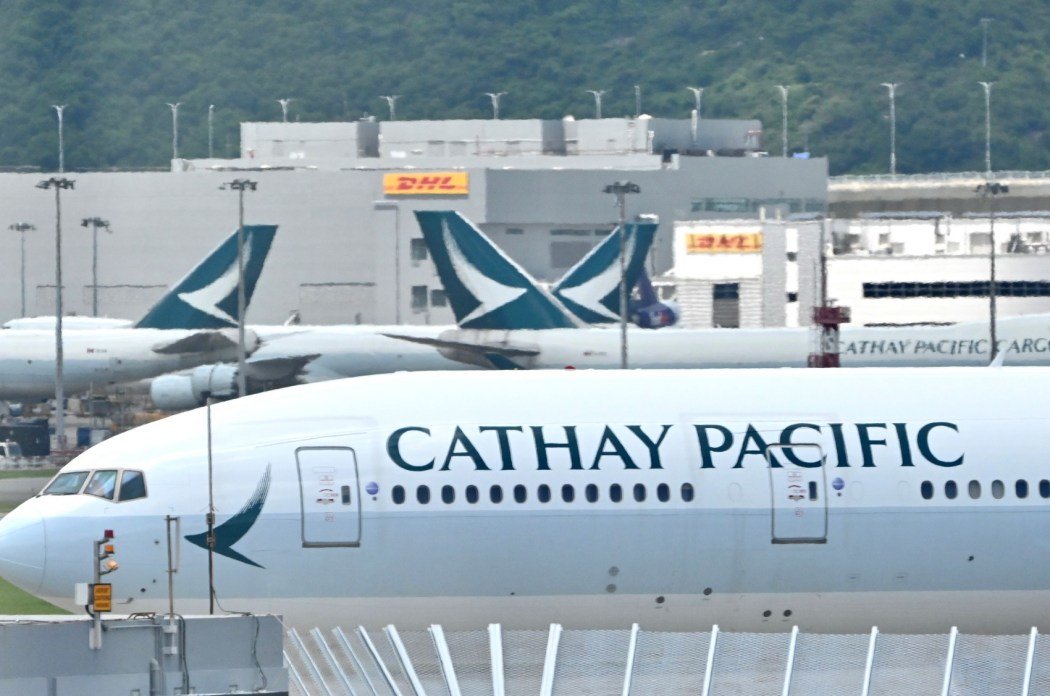
Hong Kong authorities have ruled out chartering Cathay Pacific aircraft to bring home residents stranded in the Middle East, citing safety risks and operational uncertainties as tensions in the region disrupt international aviation.
Officials had explored the possibility of arranging special flights with the city’s flagship airline to evacuate Hong Kong residents after escalating hostilities in the Middle East led to widespread flight cancellations and partial airspace closures.
However, the proposal was ultimately deemed impractical because of the unpredictable security environment and the difficulty of securing take-off slots at airports in affected areas.
Airspace restrictions across several countries in the region have significantly disrupted commercial aviation, with airlines worldwide suspending routes and diverting flights to avoid conflict zones.
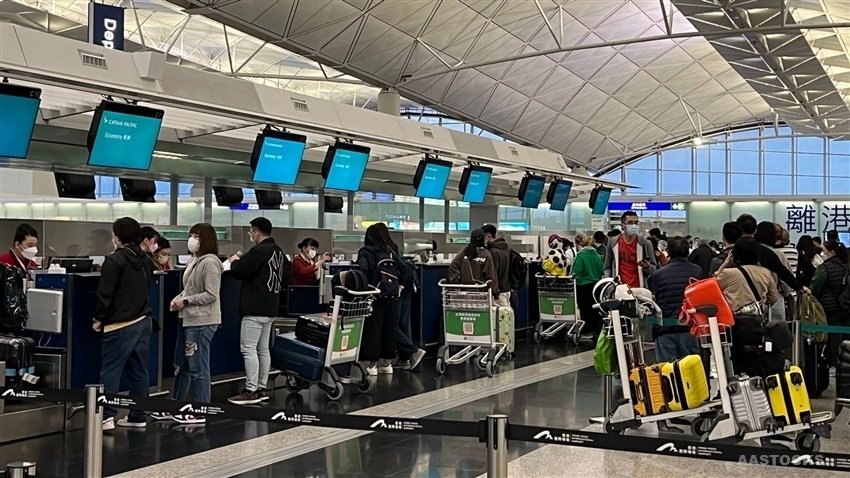
Cathay Pacific has already halted passenger services to key Middle Eastern destinations including Dubai and Riyadh as safety concerns intensified.
The cancellations have left hundreds of Hong Kong residents temporarily stranded in the region.
Authorities reported receiving hundreds of inquiries from residents seeking assistance or information about returning home, although officials said those who contacted the government had confirmed they were in safe locations.
Officials concluded that chartering aircraft into the region could expose passengers and crew to unnecessary risk given the rapidly changing security conditions and limited airport access.
Navigating partially reopened airspace and coordinating landing permissions with local authorities were also cited as major logistical hurdles.
Instead of arranging charter flights, Hong Kong authorities are advising residents in the region to remain in contact with the Immigration Department and to seek alternative commercial routes as airlines gradually adjust schedules in response to the evolving situation.
Government agencies said they would continue monitoring developments closely and provide assistance where necessary.
The disruptions followed a surge in regional tensions that forced several countries to close or restrict their airspace, triggering a wave of global flight cancellations and diversions.
Airlines have emphasized that passenger and crew safety remains the overriding priority while assessing when normal services can resume.
Hong Kong officials said they would continue to track the situation and maintain communication with residents overseas, emphasizing that assistance mechanisms remain in place as the aviation industry navigates one of the most volatile operating environments in recent years.
Officials had explored the possibility of arranging special flights with the city’s flagship airline to evacuate Hong Kong residents after escalating hostilities in the Middle East led to widespread flight cancellations and partial airspace closures.
However, the proposal was ultimately deemed impractical because of the unpredictable security environment and the difficulty of securing take-off slots at airports in affected areas.
Airspace restrictions across several countries in the region have significantly disrupted commercial aviation, with airlines worldwide suspending routes and diverting flights to avoid conflict zones.
Cathay Pacific has already halted passenger services to key Middle Eastern destinations including Dubai and Riyadh as safety concerns intensified.
The cancellations have left hundreds of Hong Kong residents temporarily stranded in the region.
Authorities reported receiving hundreds of inquiries from residents seeking assistance or information about returning home, although officials said those who contacted the government had confirmed they were in safe locations.
Officials concluded that chartering aircraft into the region could expose passengers and crew to unnecessary risk given the rapidly changing security conditions and limited airport access.
Navigating partially reopened airspace and coordinating landing permissions with local authorities were also cited as major logistical hurdles.
Instead of arranging charter flights, Hong Kong authorities are advising residents in the region to remain in contact with the Immigration Department and to seek alternative commercial routes as airlines gradually adjust schedules in response to the evolving situation.
Government agencies said they would continue monitoring developments closely and provide assistance where necessary.
The disruptions followed a surge in regional tensions that forced several countries to close or restrict their airspace, triggering a wave of global flight cancellations and diversions.
Airlines have emphasized that passenger and crew safety remains the overriding priority while assessing when normal services can resume.
Hong Kong officials said they would continue to track the situation and maintain communication with residents overseas, emphasizing that assistance mechanisms remain in place as the aviation industry navigates one of the most volatile operating environments in recent years.