International arbitration launched following Panama’s takeover of Balboa and Cristóbal ports at both entrances to the Panama Canal
A Hong Kong-based port operator has launched international arbitration proceedings seeking two billion dollars in compensation after Panama seized control of two strategic terminals located at the entrances of the Panama Canal.
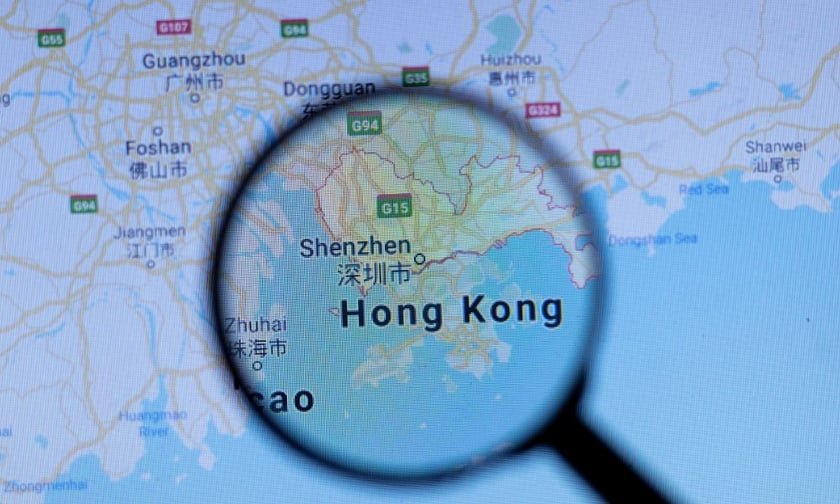
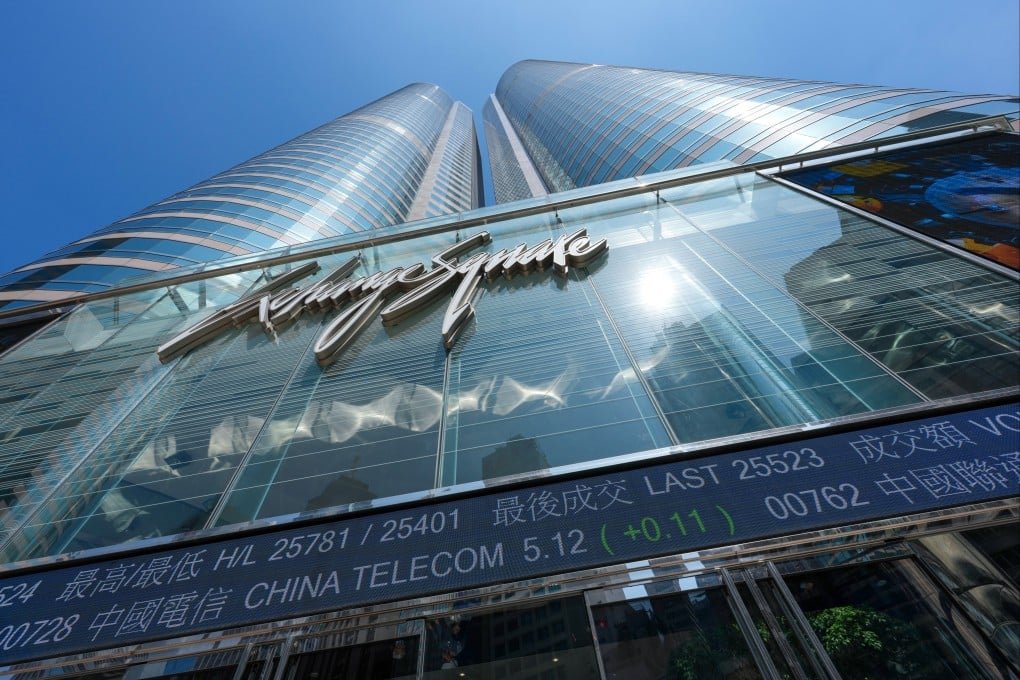
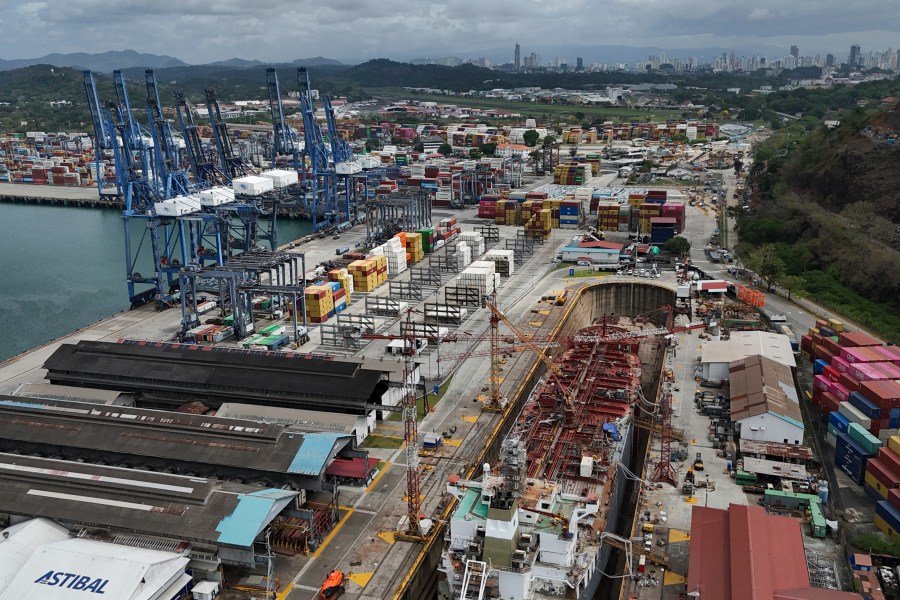
Panama Ports Company, a subsidiary of the Hong Kong conglomerate CK Hutchison Holdings, said it is demanding damages after the Panamanian government took over the Balboa and Cristóbal ports, facilities that had been managed by the company for nearly three decades.
The firm described the move as an unlawful takeover and said it would pursue all legal remedies available under international investment agreements.
The dispute began after Panama’s Supreme Court ruled that the concession allowing the company to operate the ports was unconstitutional.
The government subsequently ordered the takeover of the facilities, placing them under state control and transferring operational authority to national maritime authorities.
The two terminals occupy critical positions on either side of the Panama Canal, one of the world’s most important shipping corridors connecting the Atlantic and Pacific oceans.
Together they handle a significant share of cargo traffic passing through the canal and play a major role in global maritime logistics.
Panama Ports Company had operated the terminals since nineteen ninety seven under a concession agreement that was renewed in two thousand twenty one for another twenty five years.
Following the court ruling, however, authorities declared the contract invalid and moved swiftly to assume direct control of the ports and associated equipment.
The company said the takeover amounted to a radical breach of contractual obligations and an attack on investor protections.
It argued that the seizure lacked transparency and undermined confidence in international investment frameworks.
The dispute has emerged amid broader geopolitical tensions surrounding control of strategic infrastructure linked to global trade routes.
The Panama Canal has increasingly drawn international attention as governments and investors compete for influence over logistics hubs and maritime gateways.
The situation has also intersected with a broader restructuring of CK Hutchison’s global ports portfolio.
The conglomerate had previously announced plans to sell a large portion of its port operations worldwide as part of a multi-billion-dollar transaction involving infrastructure investors and global shipping interests.
For Panama, the takeover reflects a legal decision aimed at enforcing constitutional limits on concessions tied to key national assets.
For the Hong Kong operator, the arbitration case represents a major test of international investment protections in disputes involving strategic infrastructure.
The arbitration process could take years to resolve, but the outcome may carry significant implications for governments, investors and shipping companies involved in the management of major ports around the world.
Panama Ports Company, a subsidiary of the Hong Kong conglomerate CK Hutchison Holdings, said it is demanding damages after the Panamanian government took over the Balboa and Cristóbal ports, facilities that had been managed by the company for nearly three decades.
The firm described the move as an unlawful takeover and said it would pursue all legal remedies available under international investment agreements.
The dispute began after Panama’s Supreme Court ruled that the concession allowing the company to operate the ports was unconstitutional.
The government subsequently ordered the takeover of the facilities, placing them under state control and transferring operational authority to national maritime authorities.
The two terminals occupy critical positions on either side of the Panama Canal, one of the world’s most important shipping corridors connecting the Atlantic and Pacific oceans.
Together they handle a significant share of cargo traffic passing through the canal and play a major role in global maritime logistics.
Panama Ports Company had operated the terminals since nineteen ninety seven under a concession agreement that was renewed in two thousand twenty one for another twenty five years.
Following the court ruling, however, authorities declared the contract invalid and moved swiftly to assume direct control of the ports and associated equipment.
The company said the takeover amounted to a radical breach of contractual obligations and an attack on investor protections.
It argued that the seizure lacked transparency and undermined confidence in international investment frameworks.
The dispute has emerged amid broader geopolitical tensions surrounding control of strategic infrastructure linked to global trade routes.
The Panama Canal has increasingly drawn international attention as governments and investors compete for influence over logistics hubs and maritime gateways.
The situation has also intersected with a broader restructuring of CK Hutchison’s global ports portfolio.
The conglomerate had previously announced plans to sell a large portion of its port operations worldwide as part of a multi-billion-dollar transaction involving infrastructure investors and global shipping interests.
For Panama, the takeover reflects a legal decision aimed at enforcing constitutional limits on concessions tied to key national assets.
For the Hong Kong operator, the arbitration case represents a major test of international investment protections in disputes involving strategic infrastructure.
The arbitration process could take years to resolve, but the outcome may carry significant implications for governments, investors and shipping companies involved in the management of major ports around the world.