Beijing seeks to leverage the city’s financial infrastructure to expand renminbi-denominated bullion pricing and deepen market influence
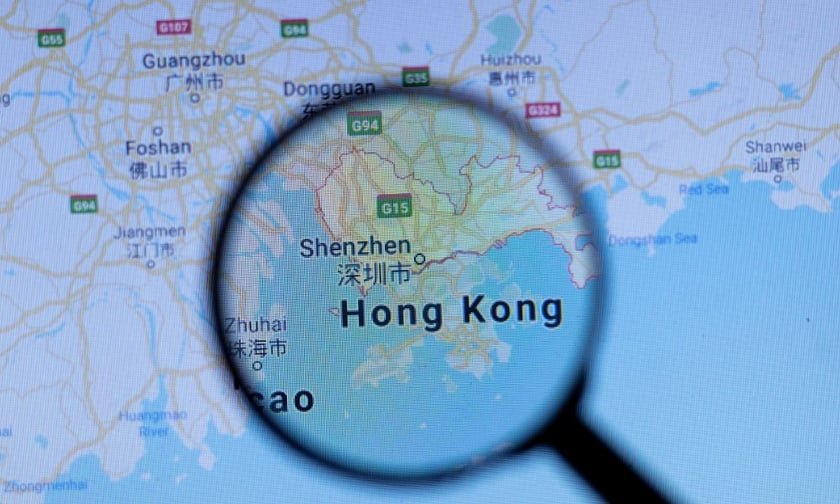
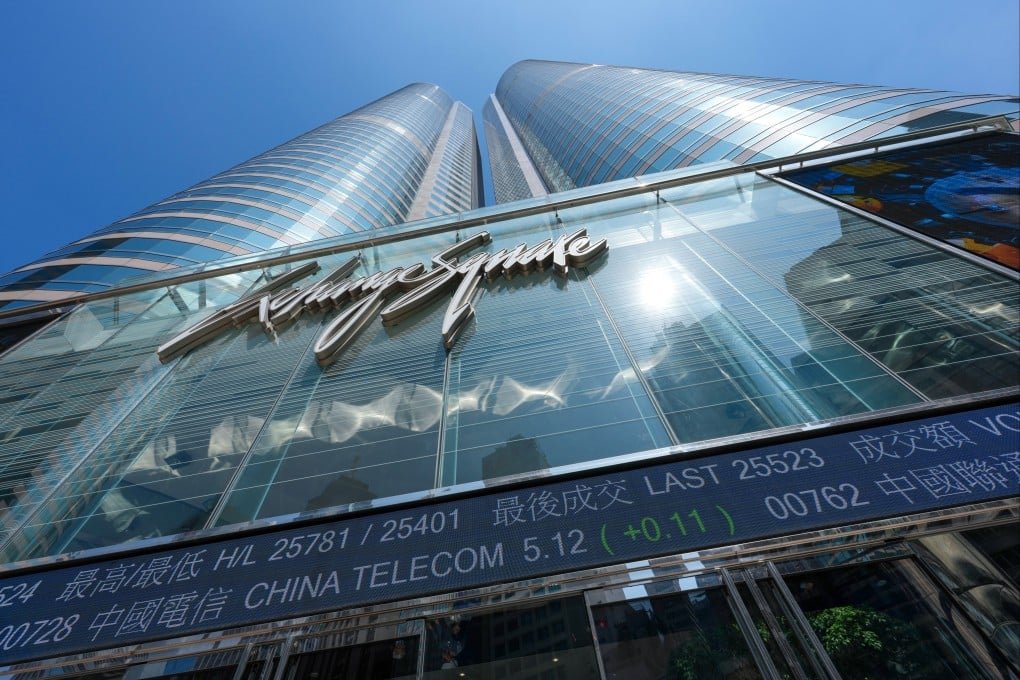
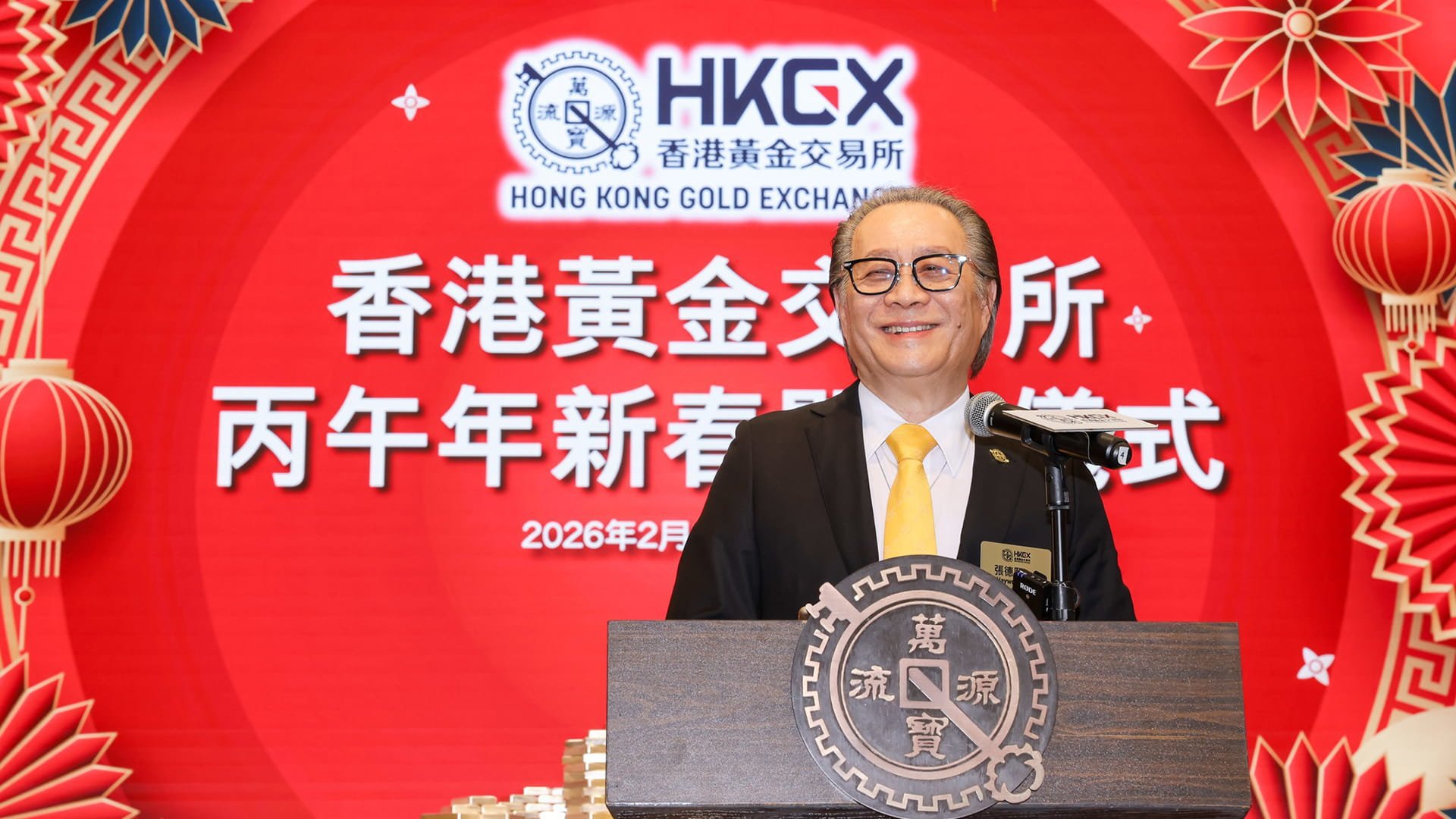
China is intensifying efforts to position Hong Kong as a leading global gold trading hub, part of a broader strategy to strengthen its influence in precious metals pricing and international commodities markets.
Policy advisers and market participants say Beijing is examining measures to expand renminbi-denominated gold trading through Hong Kong’s established financial infrastructure.
The initiative aims to deepen liquidity, enhance cross-border settlement channels and elevate the city’s role in bullion clearing and storage.
Hong Kong already hosts one of Asia’s most active physical gold markets, supported by its common law framework, freely convertible currency and deep banking system.
Officials see the city as a natural platform for linking mainland China’s vast gold consumption and production capacity with global investors and central banks.
China is the world’s largest gold producer and among its biggest consumers, and authorities have steadily promoted the internationalisation of the renminbi in commodities trading.
Expanding Hong Kong’s role in bullion settlement would provide an offshore channel for price discovery and risk management, complementing onshore exchanges in Shanghai.
Market analysts note that recent global volatility, including heightened geopolitical tensions and currency fluctuations, has driven strong investor demand for gold as a safe-haven asset.
Against that backdrop, establishing deeper gold trading infrastructure in Hong Kong could increase the city’s strategic importance in global capital flows.
Efforts under consideration reportedly include enhancing storage and vaulting capacity, improving derivatives offerings and streamlining cross-border gold transfer mechanisms between Hong Kong and mainland markets.
Financial regulators are also expected to explore regulatory adjustments designed to strengthen transparency and international participation.
The move aligns with China’s longer-term ambition to diversify global financial architecture and reduce reliance on traditional Western pricing benchmarks.
By leveraging Hong Kong’s international connectivity and regulatory standards, Beijing hopes to advance its presence in global bullion markets while reinforcing the city’s standing as a gateway for capital and commodities trading in Asia.
As discussions continue, industry participants say any concrete policy steps could reshape regional gold flows and bolster Hong Kong’s competitiveness at a time when global investors are increasingly seeking diversified trading centres.
Policy advisers and market participants say Beijing is examining measures to expand renminbi-denominated gold trading through Hong Kong’s established financial infrastructure.
The initiative aims to deepen liquidity, enhance cross-border settlement channels and elevate the city’s role in bullion clearing and storage.
Hong Kong already hosts one of Asia’s most active physical gold markets, supported by its common law framework, freely convertible currency and deep banking system.
Officials see the city as a natural platform for linking mainland China’s vast gold consumption and production capacity with global investors and central banks.
China is the world’s largest gold producer and among its biggest consumers, and authorities have steadily promoted the internationalisation of the renminbi in commodities trading.
Expanding Hong Kong’s role in bullion settlement would provide an offshore channel for price discovery and risk management, complementing onshore exchanges in Shanghai.
Market analysts note that recent global volatility, including heightened geopolitical tensions and currency fluctuations, has driven strong investor demand for gold as a safe-haven asset.
Against that backdrop, establishing deeper gold trading infrastructure in Hong Kong could increase the city’s strategic importance in global capital flows.
Efforts under consideration reportedly include enhancing storage and vaulting capacity, improving derivatives offerings and streamlining cross-border gold transfer mechanisms between Hong Kong and mainland markets.
Financial regulators are also expected to explore regulatory adjustments designed to strengthen transparency and international participation.
The move aligns with China’s longer-term ambition to diversify global financial architecture and reduce reliance on traditional Western pricing benchmarks.
By leveraging Hong Kong’s international connectivity and regulatory standards, Beijing hopes to advance its presence in global bullion markets while reinforcing the city’s standing as a gateway for capital and commodities trading in Asia.
As discussions continue, industry participants say any concrete policy steps could reshape regional gold flows and bolster Hong Kong’s competitiveness at a time when global investors are increasingly seeking diversified trading centres.