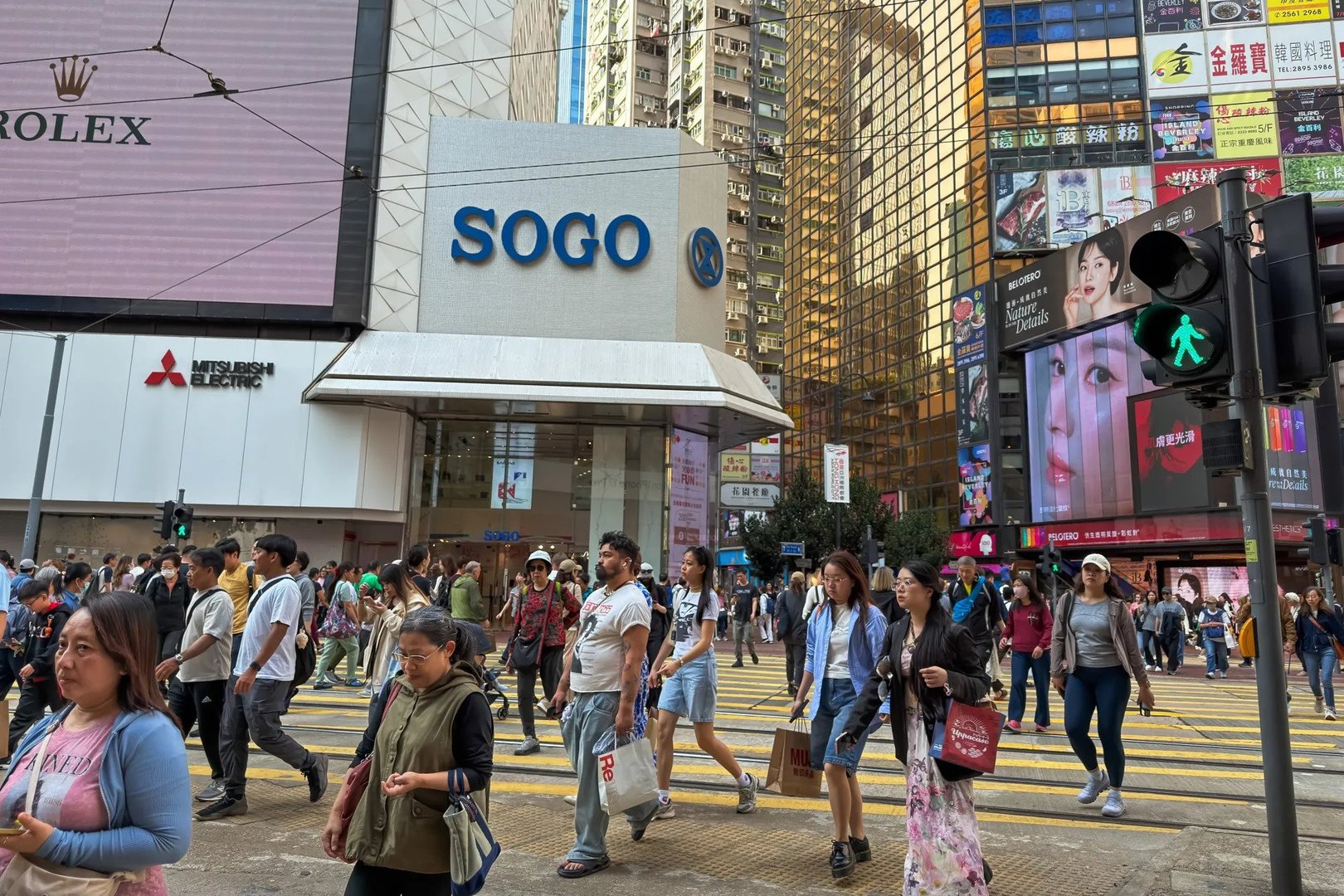
The flagship department store faces financing strain amid shifting consumer demand and a slower recovery in high-end retail spending
ACTOR-DRIVEN financial restructuring is shaping the outlook for one of Hong Kong’s most recognizable retail landmarks, as Sogo’s flagship department store moves to refinance a major loan under conditions of continued pressure in the city’s retail sector.
Sogo, the Japanese department store brand long associated with prime retail space in Hong Kong’s Causeway Bay district, is working to refinance an existing loan tied to its flagship operations.
The refinancing effort reflects broader financial management challenges facing large physical retailers in the city as they adapt to structural changes in consumer behavior and uneven post-pandemic recovery in spending.
The Sogo store in Causeway Bay has historically been one of Hong Kong’s most valuable retail assets, benefiting from heavy foot traffic, tourism inflows, and high-end consumer demand.
However, the retail environment that once supported premium department stores has shifted significantly.
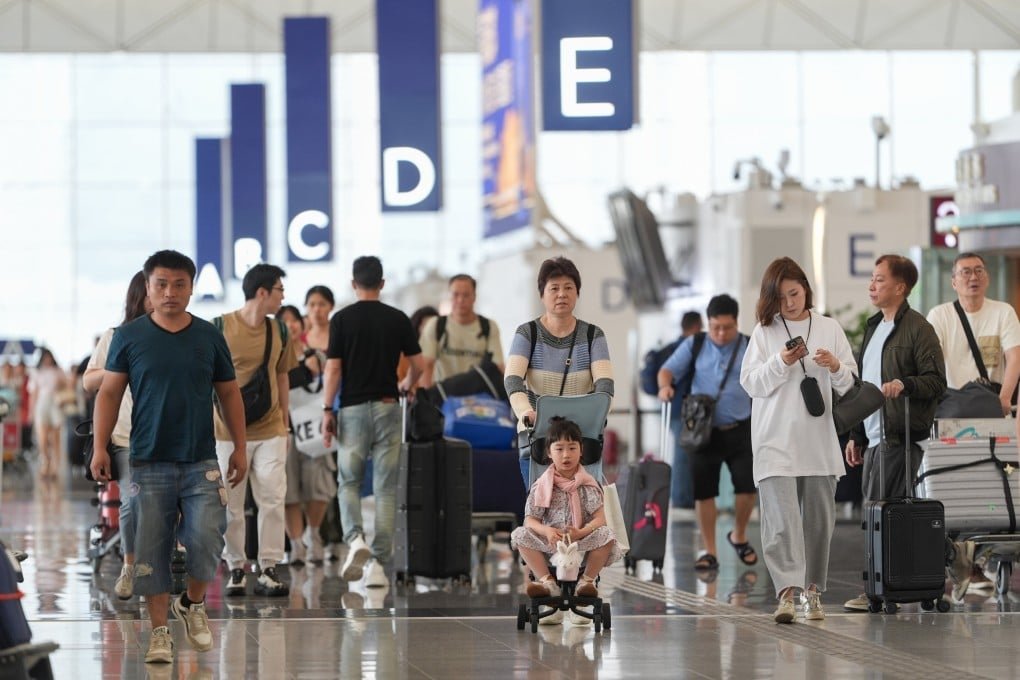
Changes include weaker inbound tourism compared with pre-pandemic levels, increased competition from online retail channels, and a gradual reallocation of consumer spending patterns toward experiential services rather than goods.
Refinancing activity in commercial retail property often signals a need to extend debt maturities, adjust borrowing costs, or restructure repayment schedules in response to changing cash flow conditions.
In Sogo’s case, the move comes as lenders and property-linked operators across Hong Kong reassess risk exposure in retail real estate, where valuations have been sensitive to fluctuating occupancy rates and tenant performance.
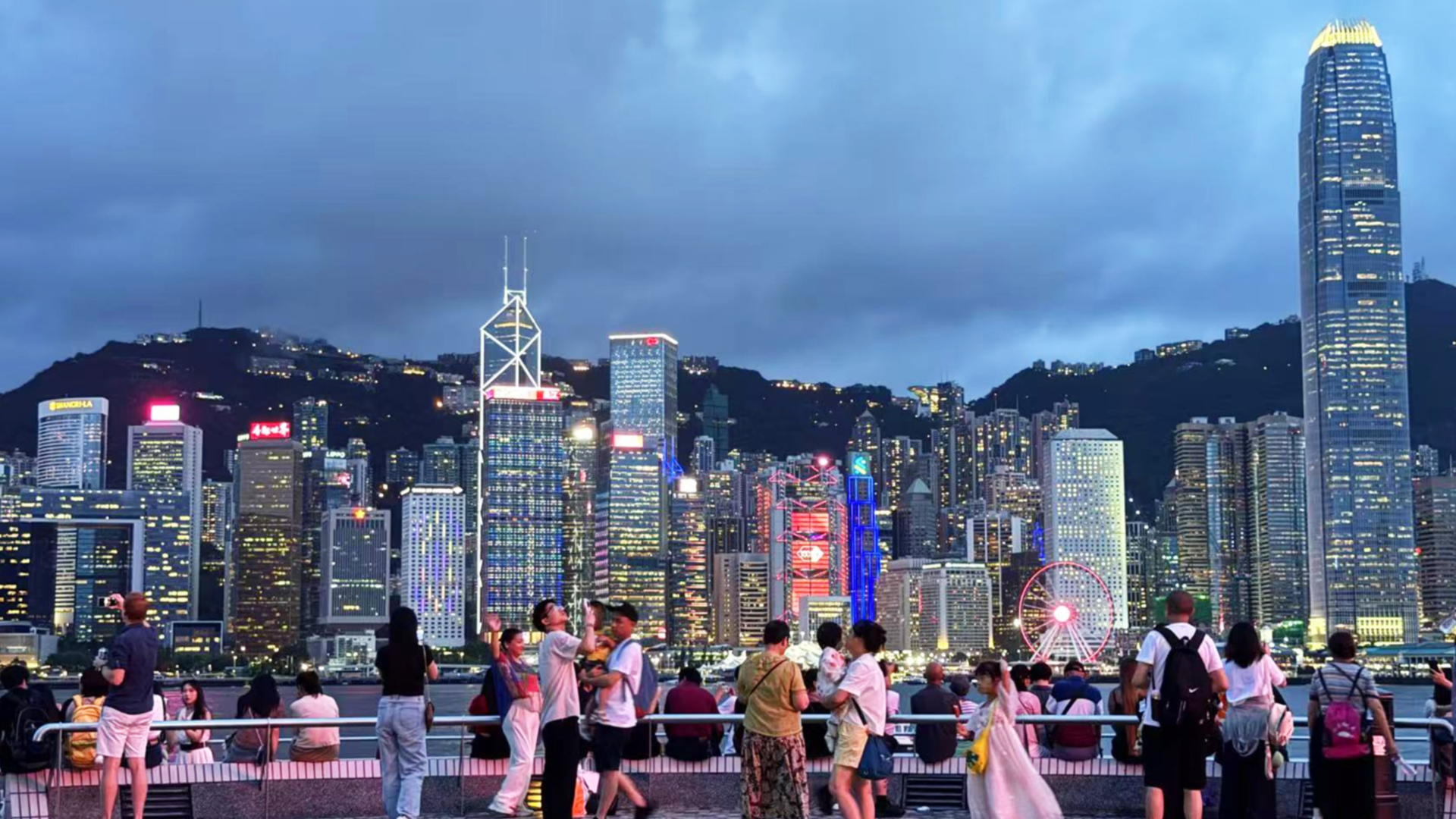
Causeway Bay, where Sogo’s flagship store is located, remains one of Hong Kong’s most expensive retail corridors, but it has also experienced volatility in rents and store performance in recent years.
Retail landlords in prime districts have faced pressure to offer concessions or adjust leasing structures to retain tenants, particularly in sectors dependent on discretionary spending.
The refinancing effort also highlights the broader financing environment in Hong Kong, where interest rate conditions and credit tightening have increased the cost of servicing debt for commercial property operators.
Even established retail institutions are now required to actively manage refinancing risk as part of longer-term balance sheet stabilization strategies.
For Hong Kong’s retail sector, the outcome of Sogo’s refinancing will be closely watched as an indicator of lender confidence in high-profile retail assets.
A successful refinancing would suggest continued support for core retail locations, while any delay or restructuring could signal deeper caution in the financing of large-scale department store operations in the city.
Sogo, the Japanese department store brand long associated with prime retail space in Hong Kong’s Causeway Bay district, is working to refinance an existing loan tied to its flagship operations.
The refinancing effort reflects broader financial management challenges facing large physical retailers in the city as they adapt to structural changes in consumer behavior and uneven post-pandemic recovery in spending.
The Sogo store in Causeway Bay has historically been one of Hong Kong’s most valuable retail assets, benefiting from heavy foot traffic, tourism inflows, and high-end consumer demand.
However, the retail environment that once supported premium department stores has shifted significantly.
Changes include weaker inbound tourism compared with pre-pandemic levels, increased competition from online retail channels, and a gradual reallocation of consumer spending patterns toward experiential services rather than goods.
Refinancing activity in commercial retail property often signals a need to extend debt maturities, adjust borrowing costs, or restructure repayment schedules in response to changing cash flow conditions.
In Sogo’s case, the move comes as lenders and property-linked operators across Hong Kong reassess risk exposure in retail real estate, where valuations have been sensitive to fluctuating occupancy rates and tenant performance.
Causeway Bay, where Sogo’s flagship store is located, remains one of Hong Kong’s most expensive retail corridors, but it has also experienced volatility in rents and store performance in recent years.
Retail landlords in prime districts have faced pressure to offer concessions or adjust leasing structures to retain tenants, particularly in sectors dependent on discretionary spending.
The refinancing effort also highlights the broader financing environment in Hong Kong, where interest rate conditions and credit tightening have increased the cost of servicing debt for commercial property operators.
Even established retail institutions are now required to actively manage refinancing risk as part of longer-term balance sheet stabilization strategies.
For Hong Kong’s retail sector, the outcome of Sogo’s refinancing will be closely watched as an indicator of lender confidence in high-profile retail assets.
A successful refinancing would suggest continued support for core retail locations, while any delay or restructuring could signal deeper caution in the financing of large-scale department store operations in the city.