Economic indicators point to a cautious rebound driven by services, trade normalization, and policy support, though structural weaknesses persist beneath headline stabilization
SYSTEM-DRIVEN dynamics across Hong Kong and mainland China are shaping a gradual but uneven economic recovery, as growth momentum broadens beyond isolated sectors into a wider, though still fragile, stabilization of activity.
The core development is a shift from concentrated recovery to more distributed growth across services, trade, and selected financial activities.
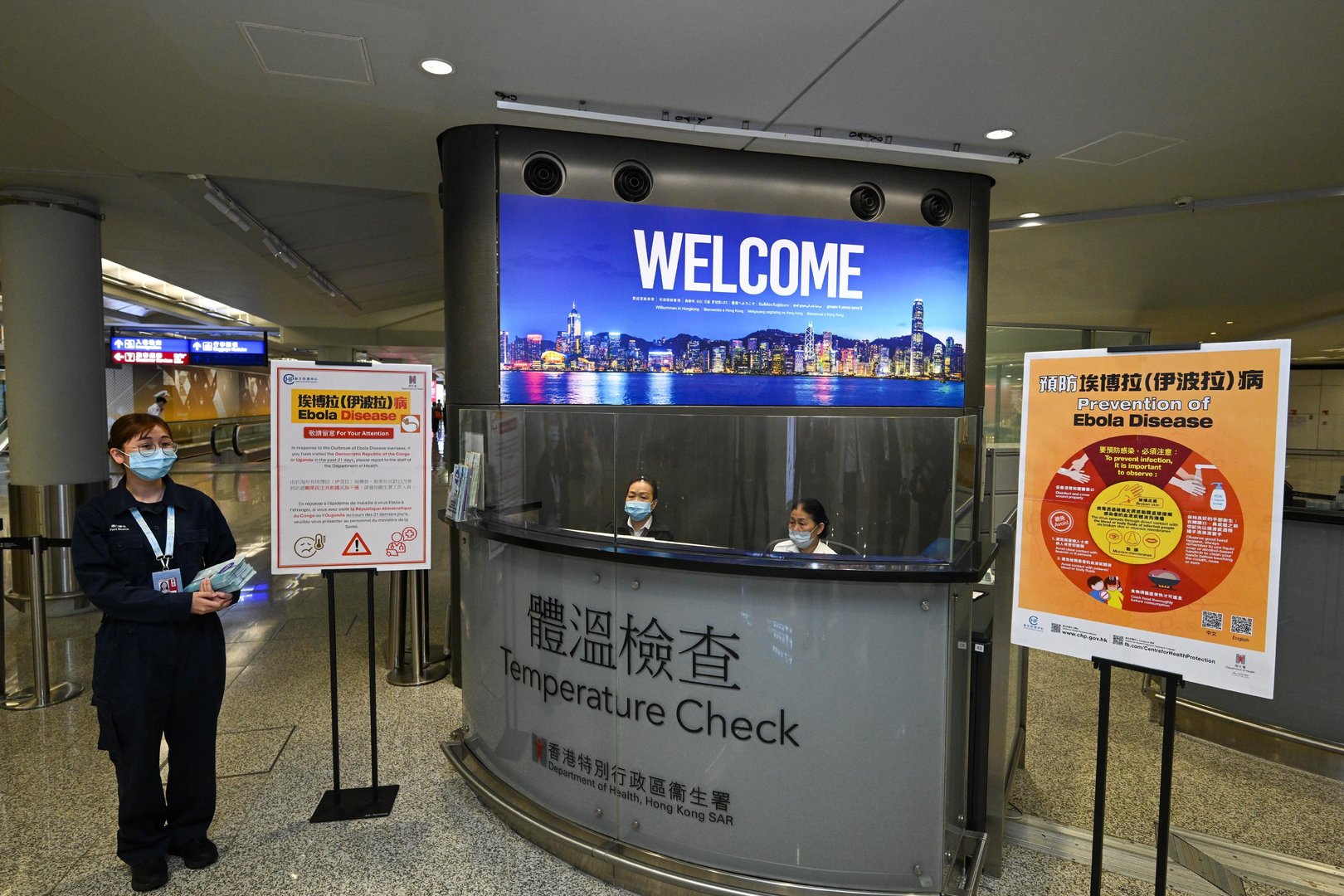
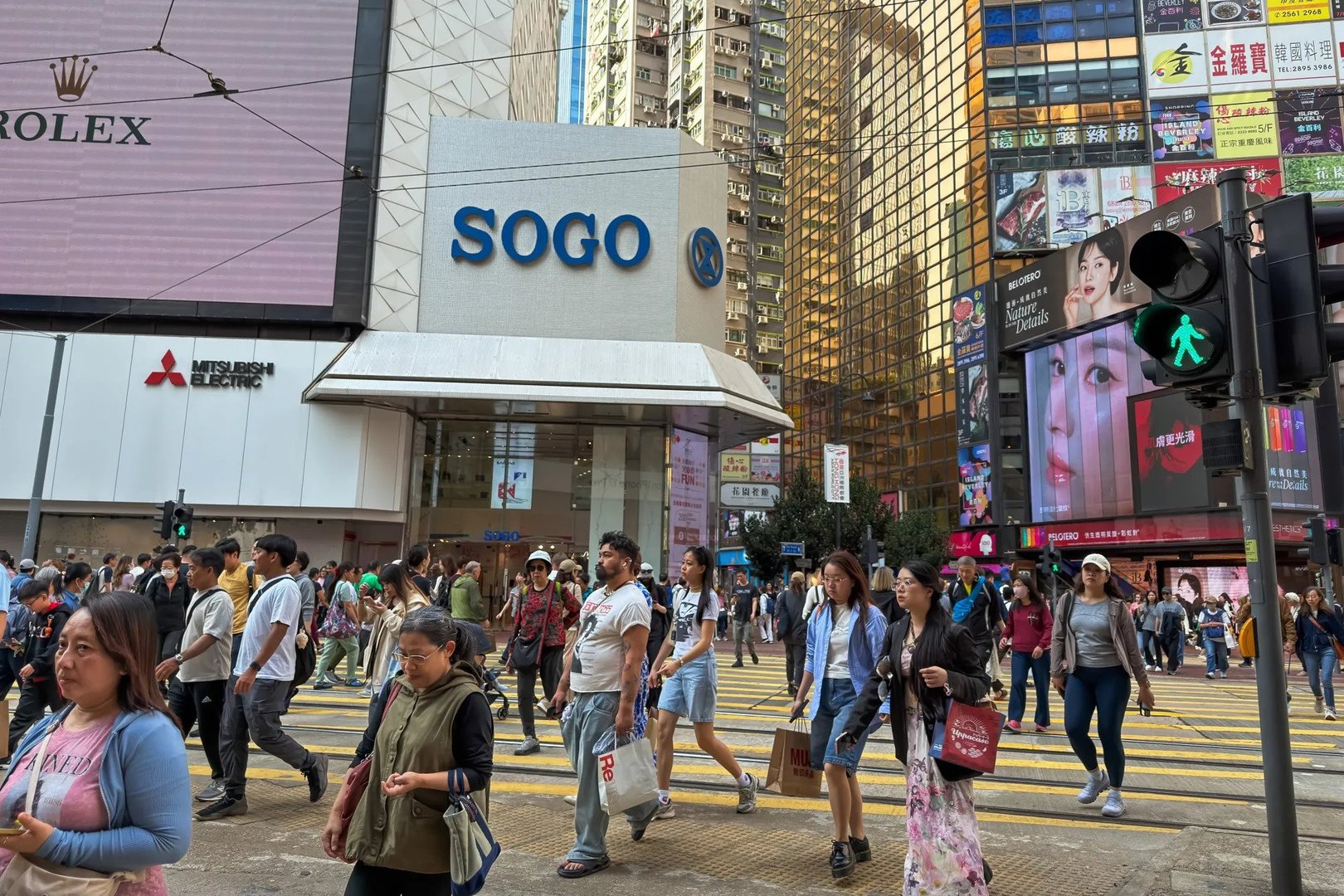
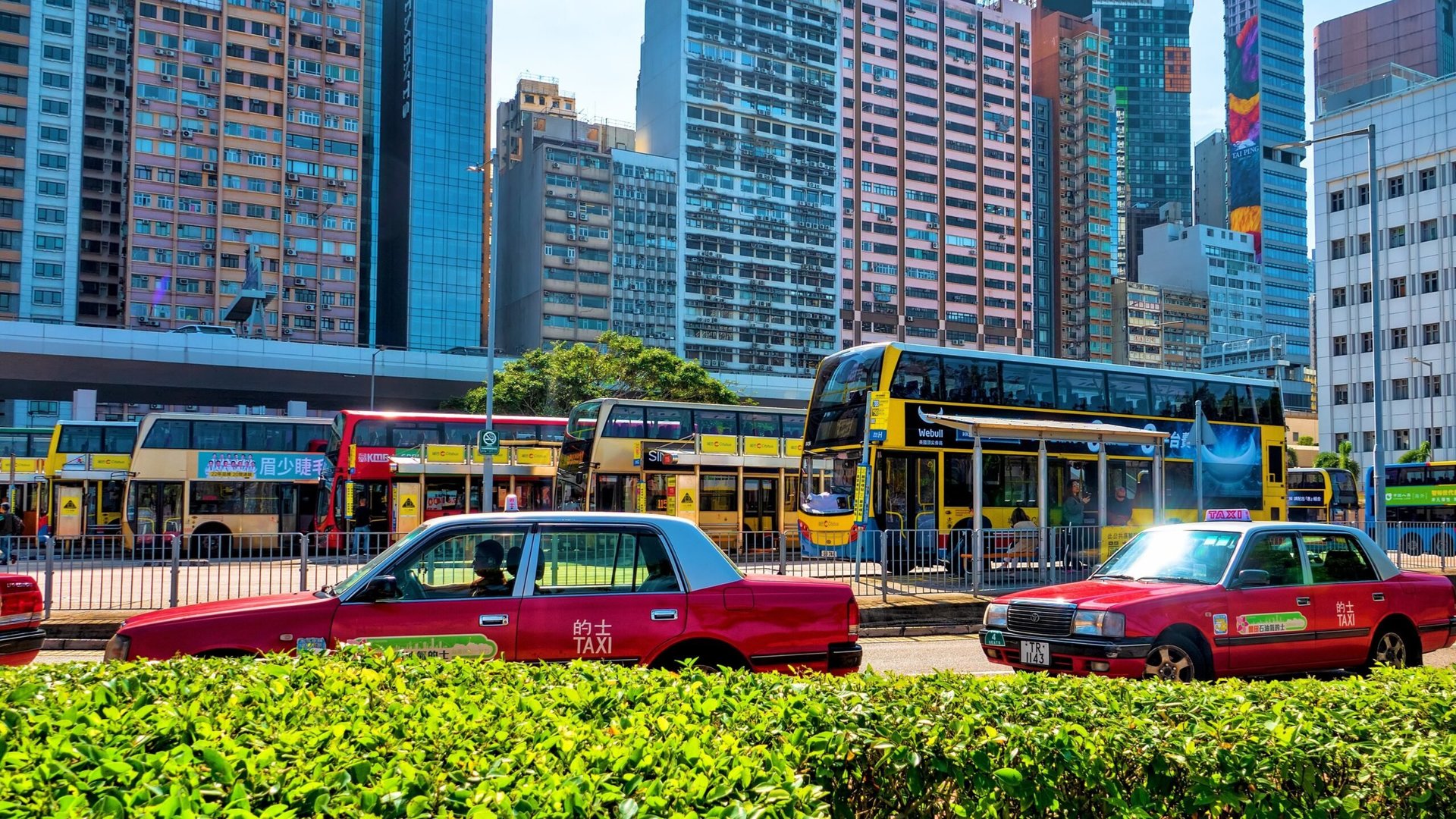
In Hong Kong, economic conditions are increasingly influenced by the normalization of cross-border mobility, tourism inflows, and financial-sector activity tied to regional capital flows.
In mainland China, the recovery pattern reflects a combination of policy support, infrastructure spending, and selective improvement in consumption, even as key sectors remain under pressure.
A central mechanism behind the observed momentum is policy-driven stabilization.
Both fiscal and monetary tools have been deployed to support domestic demand, ease liquidity conditions, and prevent sharper downturns in structurally sensitive areas such as property and small-business credit.
These measures do not generate uniform expansion, but they reduce downside volatility and help sustain incremental growth across multiple sectors.
Hong Kong’s position is shaped by its role as a financial intermediary and service hub.
The reopening of regional travel and gradual restoration of business activity have supported hospitality, retail, and financial services.
At the same time, the territory continues to adjust to shifting global capital flows and changing investor sentiment toward China-linked assets, which remain sensitive to geopolitical and macroeconomic developments.
In mainland China, the recovery is more uneven.
Export resilience in certain industrial categories has provided support, while domestic consumption shows partial but inconsistent improvement.
Property sector weakness continues to act as a structural drag, affecting household wealth perception, local government revenue, and broader investment confidence.
This creates a dual-speed economy where some sectors expand while others remain constrained.
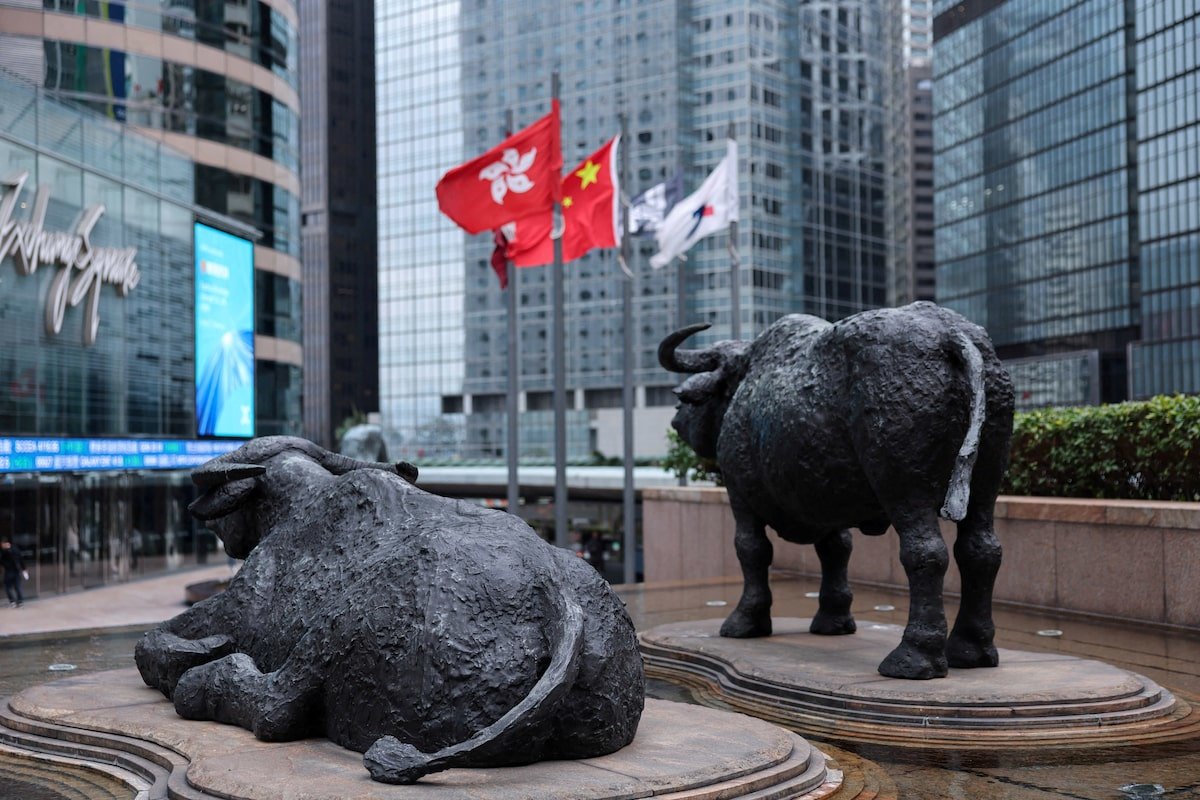
Financial markets reflect this complexity.
Periodic improvements in equity sentiment and capital inflows coexist with caution around leverage, corporate earnings quality, and long-term growth expectations.
Investors increasingly differentiate between sectors benefiting from policy support and those still exposed to structural adjustment pressures.
The broader implication is that recovery is becoming less about rapid expansion and more about stabilization after a period of adjustment.
Rather than a synchronized rebound, growth is emerging in layers, with services and external demand leading while domestically sensitive sectors recover more slowly.
This environment places greater emphasis on policy calibration.
Authorities face the challenge of sustaining momentum without reigniting financial imbalances, particularly in real estate and local government debt.
As a result, support measures are increasingly targeted rather than broad-based, reinforcing a pattern of gradual normalization rather than sharp acceleration.
The outcome is a regional economic landscape defined by cautious stabilization.
Growth is broadening, but not uniformly strengthening, and the durability of recovery will depend on whether domestic demand can become more self-sustaining as external and policy-driven support normalizes.
The core development is a shift from concentrated recovery to more distributed growth across services, trade, and selected financial activities.
In Hong Kong, economic conditions are increasingly influenced by the normalization of cross-border mobility, tourism inflows, and financial-sector activity tied to regional capital flows.
In mainland China, the recovery pattern reflects a combination of policy support, infrastructure spending, and selective improvement in consumption, even as key sectors remain under pressure.
A central mechanism behind the observed momentum is policy-driven stabilization.
Both fiscal and monetary tools have been deployed to support domestic demand, ease liquidity conditions, and prevent sharper downturns in structurally sensitive areas such as property and small-business credit.
These measures do not generate uniform expansion, but they reduce downside volatility and help sustain incremental growth across multiple sectors.
Hong Kong’s position is shaped by its role as a financial intermediary and service hub.
The reopening of regional travel and gradual restoration of business activity have supported hospitality, retail, and financial services.
At the same time, the territory continues to adjust to shifting global capital flows and changing investor sentiment toward China-linked assets, which remain sensitive to geopolitical and macroeconomic developments.
In mainland China, the recovery is more uneven.
Export resilience in certain industrial categories has provided support, while domestic consumption shows partial but inconsistent improvement.
Property sector weakness continues to act as a structural drag, affecting household wealth perception, local government revenue, and broader investment confidence.
This creates a dual-speed economy where some sectors expand while others remain constrained.
Financial markets reflect this complexity.
Periodic improvements in equity sentiment and capital inflows coexist with caution around leverage, corporate earnings quality, and long-term growth expectations.
Investors increasingly differentiate between sectors benefiting from policy support and those still exposed to structural adjustment pressures.
The broader implication is that recovery is becoming less about rapid expansion and more about stabilization after a period of adjustment.
Rather than a synchronized rebound, growth is emerging in layers, with services and external demand leading while domestically sensitive sectors recover more slowly.
This environment places greater emphasis on policy calibration.
Authorities face the challenge of sustaining momentum without reigniting financial imbalances, particularly in real estate and local government debt.
As a result, support measures are increasingly targeted rather than broad-based, reinforcing a pattern of gradual normalization rather than sharp acceleration.
The outcome is a regional economic landscape defined by cautious stabilization.
Growth is broadening, but not uniformly strengthening, and the durability of recovery will depend on whether domestic demand can become more self-sustaining as external and policy-driven support normalizes.