Inclusion of leading Chinese AI startups in Hong Kong’s tech benchmark reflects rising investor focus on domestic AI champions and deeper integration of China’s AI sector with capital markets
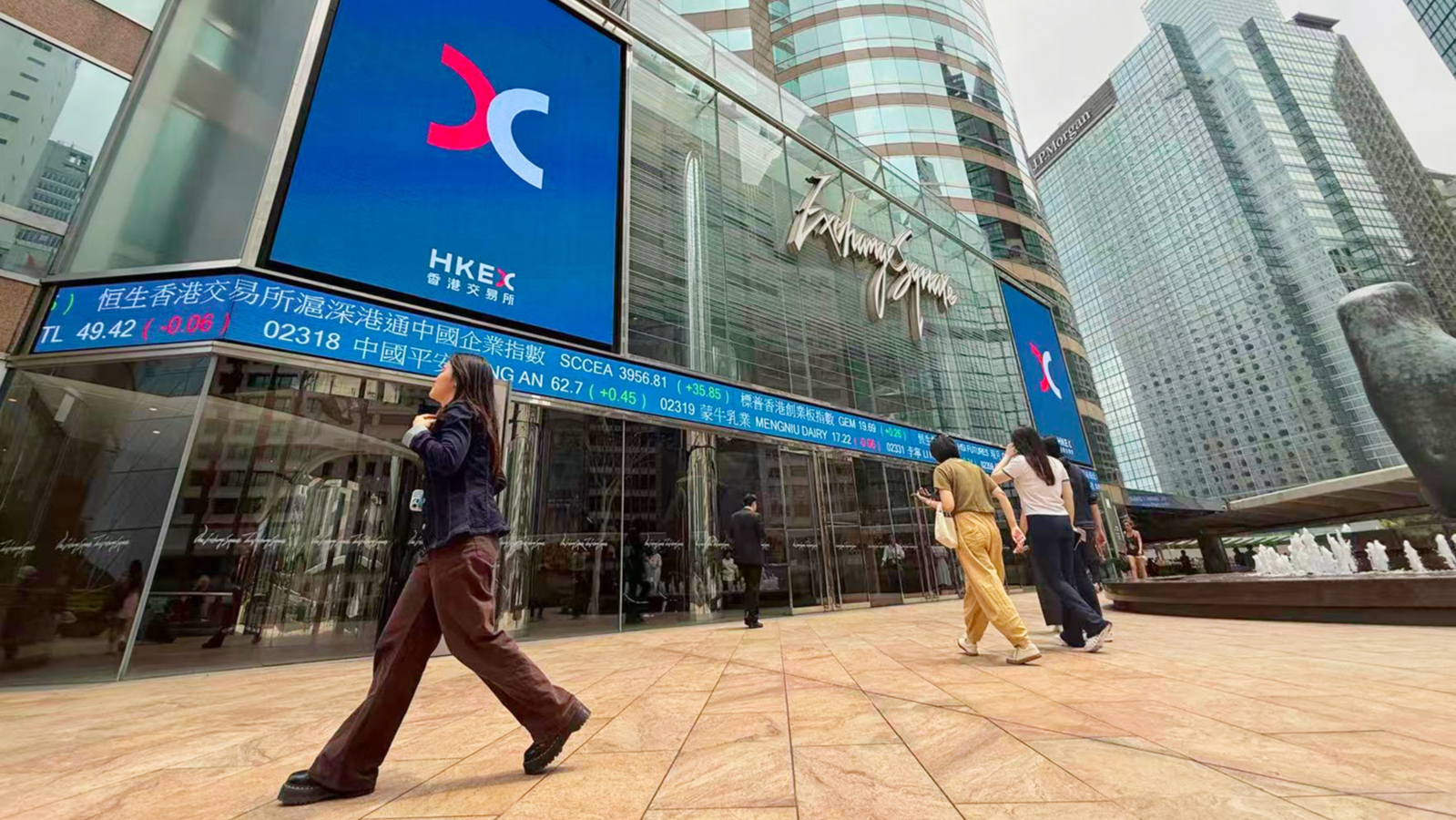
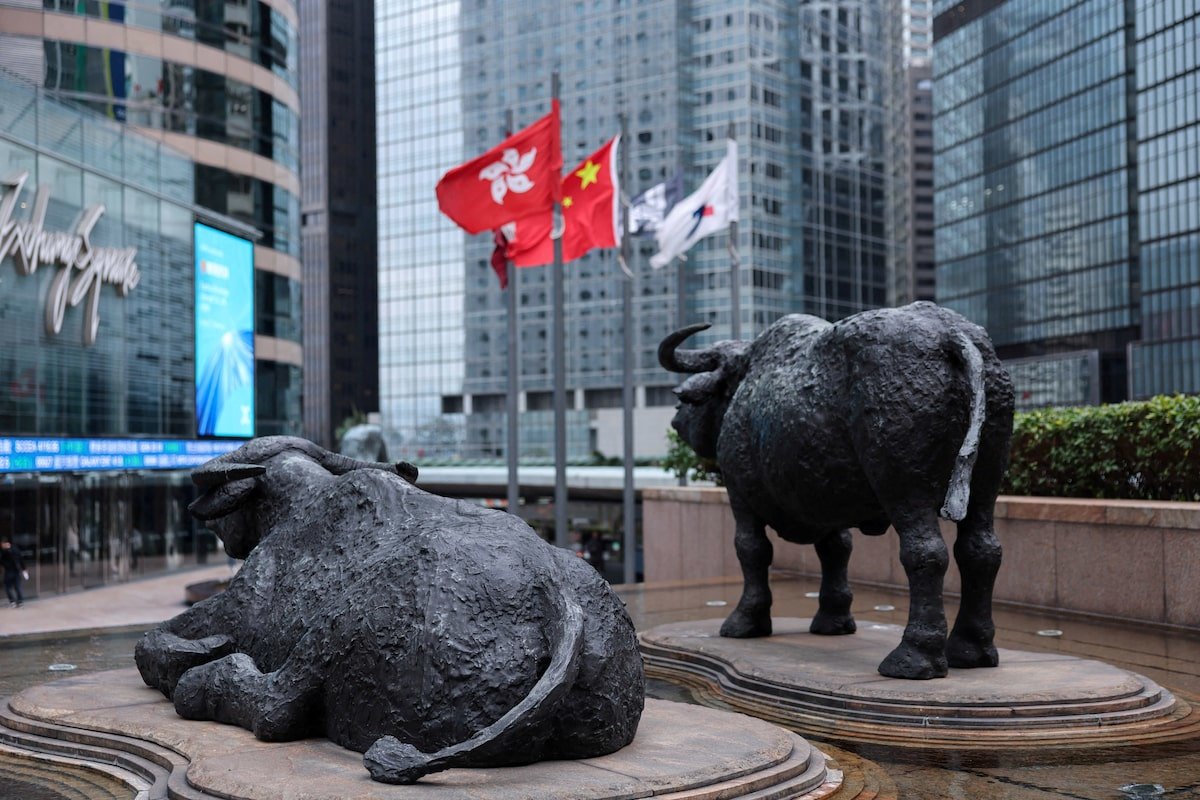
SYSTEM-DRIVEN dynamics in Hong Kong’s equity market structure are reshaping how artificial intelligence companies are classified, valued, and accessed by global investors, as leading Chinese AI startups Zhipu and MiniMax are expected to be included in a key Hong Kong technology index.
The anticipated inclusion reflects a broader effort by Hong Kong’s financial ecosystem to anchor emerging artificial intelligence firms within mainstream investment frameworks.
Index membership is not merely symbolic; it directly influences fund allocation, benchmark tracking flows, and institutional visibility.
For companies entering such indices, it can translate into higher liquidity and sustained investor attention.
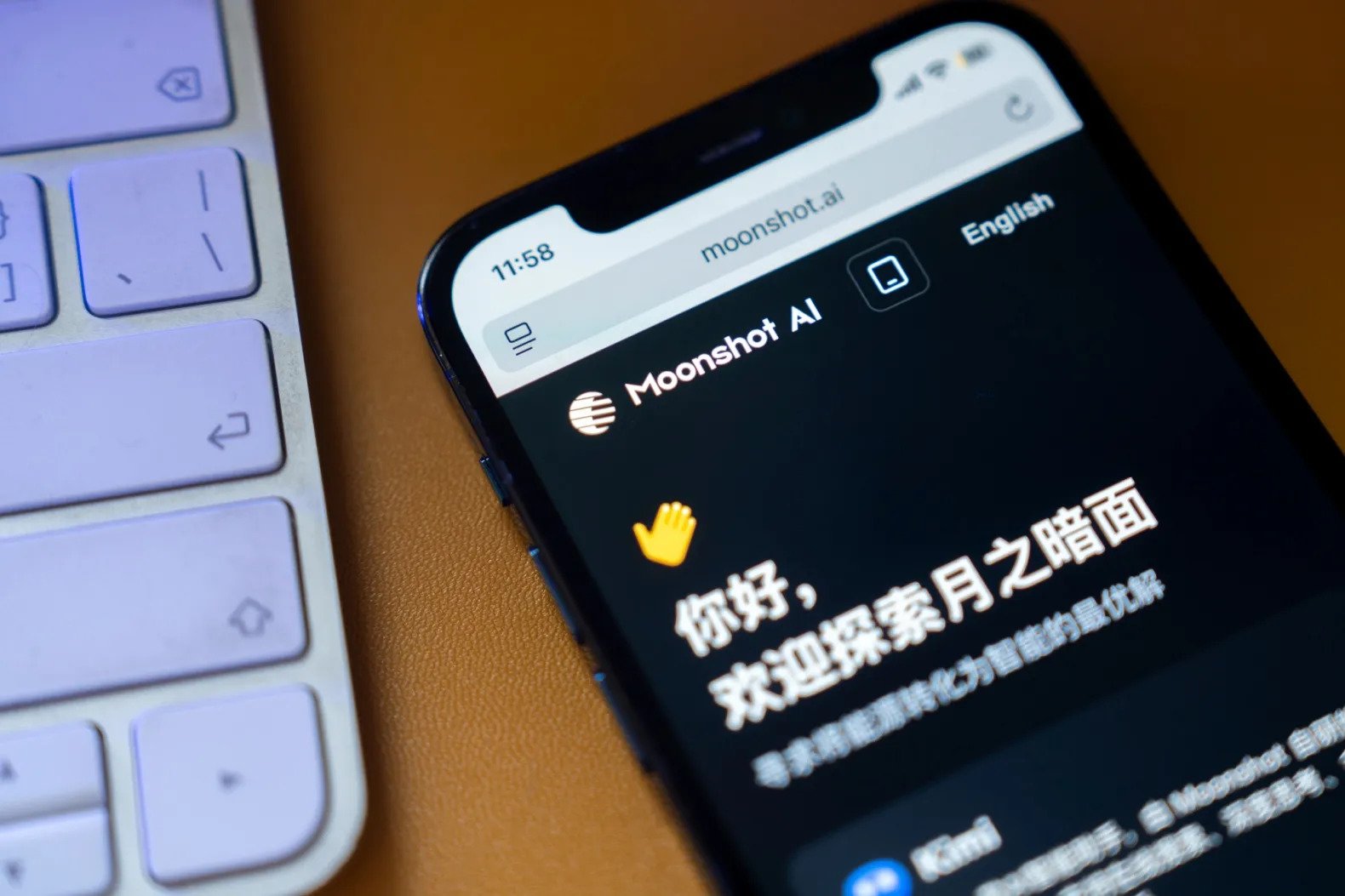
Zhipu and MiniMax are among a new generation of Chinese AI developers that have gained prominence in large language models and generative AI systems.
Their rise comes amid intense domestic competition in China’s AI sector, where multiple startups and established technology giants are racing to develop foundational models and commercial applications.
Inclusion in a Hong Kong tech benchmark signals that capital markets are beginning to treat these firms as core components of the region’s technology landscape rather than speculative early-stage ventures.
The mechanism behind index inclusion is driven by classification rules tied to sector definitions, market capitalization thresholds, liquidity conditions, and technological relevance.
As AI becomes increasingly central to global technology indices, benchmark providers are adjusting methodologies to reflect the structural shift from traditional internet platforms toward AI-first business models.
For Hong Kong’s capital markets, this development serves a strategic purpose.
The city has been working to strengthen its position as a listing and financing hub for Chinese technology firms amid fluctuating global investor sentiment and periodic restrictions affecting cross-border capital flows.
Expanding the representation of AI companies within key indices is intended to deepen liquidity and attract thematic investment funds focused on artificial intelligence exposure.
Investor implications are significant.
Index inclusion typically triggers passive fund inflows as exchange-traded funds and institutional portfolios adjust holdings to match benchmark composition.
This can improve trading volumes and valuation stability for newly added companies, particularly in sectors where investor understanding is still developing and sentiment-driven volatility is high.
The move also reflects intensifying competition between major financial centers to capture AI-related capital.
As global investors increasingly allocate funds based on artificial intelligence themes, benchmark composition has become a critical battleground for visibility and capital access.
Hong Kong’s positioning of Chinese AI firms within its indices is part of a broader strategy to channel regional innovation into structured investment products.
At the same time, the development highlights the early-stage nature of AI monetization in China.
While investor enthusiasm for artificial intelligence remains strong, revenue models are still evolving, and profitability timelines remain uncertain for many firms in the sector.
Index inclusion therefore represents recognition of strategic importance rather than confirmation of stable earnings performance.
The broader consequence is a gradual financial normalization of artificial intelligence companies within mainstream equity markets.
As firms like Zhipu and MiniMax enter established benchmarks, AI exposure becomes embedded in passive investment structures, ensuring sustained capital flow regardless of short-term market sentiment.
This shift reinforces Hong Kong’s role as a conduit between China’s rapidly developing AI ecosystem and global institutional capital, while signaling that artificial intelligence is becoming a permanent structural component of regional equity market architecture rather than a niche technology segment.
The anticipated inclusion reflects a broader effort by Hong Kong’s financial ecosystem to anchor emerging artificial intelligence firms within mainstream investment frameworks.
Index membership is not merely symbolic; it directly influences fund allocation, benchmark tracking flows, and institutional visibility.
For companies entering such indices, it can translate into higher liquidity and sustained investor attention.
Zhipu and MiniMax are among a new generation of Chinese AI developers that have gained prominence in large language models and generative AI systems.
Their rise comes amid intense domestic competition in China’s AI sector, where multiple startups and established technology giants are racing to develop foundational models and commercial applications.
Inclusion in a Hong Kong tech benchmark signals that capital markets are beginning to treat these firms as core components of the region’s technology landscape rather than speculative early-stage ventures.
The mechanism behind index inclusion is driven by classification rules tied to sector definitions, market capitalization thresholds, liquidity conditions, and technological relevance.
As AI becomes increasingly central to global technology indices, benchmark providers are adjusting methodologies to reflect the structural shift from traditional internet platforms toward AI-first business models.
For Hong Kong’s capital markets, this development serves a strategic purpose.
The city has been working to strengthen its position as a listing and financing hub for Chinese technology firms amid fluctuating global investor sentiment and periodic restrictions affecting cross-border capital flows.
Expanding the representation of AI companies within key indices is intended to deepen liquidity and attract thematic investment funds focused on artificial intelligence exposure.
Investor implications are significant.
Index inclusion typically triggers passive fund inflows as exchange-traded funds and institutional portfolios adjust holdings to match benchmark composition.
This can improve trading volumes and valuation stability for newly added companies, particularly in sectors where investor understanding is still developing and sentiment-driven volatility is high.
The move also reflects intensifying competition between major financial centers to capture AI-related capital.
As global investors increasingly allocate funds based on artificial intelligence themes, benchmark composition has become a critical battleground for visibility and capital access.
Hong Kong’s positioning of Chinese AI firms within its indices is part of a broader strategy to channel regional innovation into structured investment products.
At the same time, the development highlights the early-stage nature of AI monetization in China.
While investor enthusiasm for artificial intelligence remains strong, revenue models are still evolving, and profitability timelines remain uncertain for many firms in the sector.
Index inclusion therefore represents recognition of strategic importance rather than confirmation of stable earnings performance.
The broader consequence is a gradual financial normalization of artificial intelligence companies within mainstream equity markets.
As firms like Zhipu and MiniMax enter established benchmarks, AI exposure becomes embedded in passive investment structures, ensuring sustained capital flow regardless of short-term market sentiment.
This shift reinforces Hong Kong’s role as a conduit between China’s rapidly developing AI ecosystem and global institutional capital, while signaling that artificial intelligence is becoming a permanent structural component of regional equity market architecture rather than a niche technology segment.