The company’s stance against deep price cuts highlights tightening margins, rising input costs, and intensifying competition in China’s EV sector
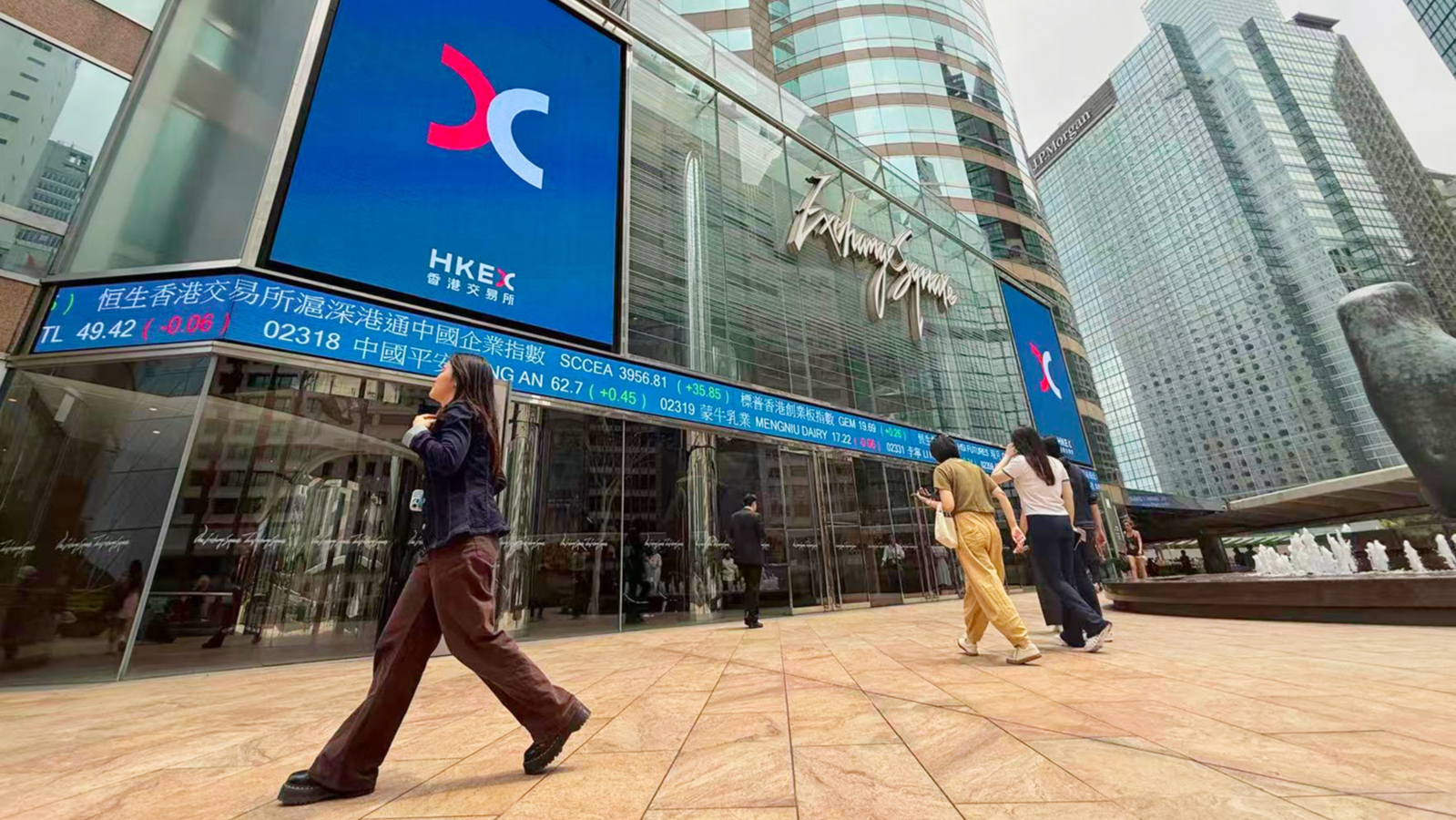
Electric vehicle pricing strategy across China’s highly competitive auto market is increasingly shaped by rising input costs, weakening margins, and aggressive industry competition, with Nio’s recent market reaction in Hong Kong reflecting investor sensitivity to pricing discipline in the sector.
The immediate market movement followed investor interpretation of Nio’s position against what it described as “overaggressive” price reductions in the electric vehicle industry.
Rather than engaging in deeper discounting to protect volume, the company signaled that sustained price cuts are becoming structurally difficult to maintain as material costs remain elevated and profitability pressures intensify.
Shares listed in Hong Kong responded positively, reflecting expectations that pricing restraint may help stabilize margins.
At the core of the issue is the economics of China’s electric vehicle market, which has entered a prolonged price competition phase.
Automakers, particularly newer entrants and mid-tier players, have been reducing vehicle prices to maintain sales momentum in a slowing demand environment.
However, this strategy has led to shrinking profit margins across the industry, forcing companies to balance market share retention against financial sustainability.
Rising material costs are reinforcing this tension.
Key inputs such as battery components, specialized semiconductors, and advanced automotive materials remain sensitive to global supply conditions and commodity fluctuations.
Even as some input prices have stabilized compared with previous peaks, they remain structurally higher than pre-cycle levels, limiting the ability of manufacturers to aggressively discount finished vehicles without eroding profitability.
Nio’s position reflects a broader strategic shift among Chinese electric vehicle manufacturers.
Instead of competing primarily on price, some firms are attempting to emphasize product differentiation, software ecosystems, and premium positioning to avoid direct participation in the deepest discounting cycles.
This approach carries risk in a market where consumers have become increasingly price-sensitive due to macroeconomic uncertainty and abundant model availability.
Investor reaction in Hong Kong highlights how closely capital markets are now tracking margin discipline in the EV sector.
While high sales growth previously drove valuations, current sentiment places greater weight on cash burn, gross margins, and the sustainability of pricing strategies.
Companies perceived as resisting destructive price competition may be rewarded with improved valuation stability, even if short-term volume growth slows.
The competitive backdrop remains intense.
China’s electric vehicle industry continues to expand capacity, with multiple manufacturers targeting similar customer segments.
This structural oversupply has made price competition a recurring feature of the market cycle, forcing weaker players to either consolidate, reposition, or exit.
The broader implication is a transition phase in the EV sector, moving from expansion-driven competition to efficiency-driven survival.
Companies are increasingly judged not only on sales growth but on their ability to maintain pricing power in a structurally crowded market.
Nio’s stance signals that this shift is accelerating, with pricing discipline becoming a central determinant of financial resilience.
The result is a market where investor attention is shifting away from pure delivery figures and toward whether electric vehicle makers can sustain viable unit economics under persistent cost pressure and intensified domestic competition.
The immediate market movement followed investor interpretation of Nio’s position against what it described as “overaggressive” price reductions in the electric vehicle industry.
Rather than engaging in deeper discounting to protect volume, the company signaled that sustained price cuts are becoming structurally difficult to maintain as material costs remain elevated and profitability pressures intensify.
Shares listed in Hong Kong responded positively, reflecting expectations that pricing restraint may help stabilize margins.
At the core of the issue is the economics of China’s electric vehicle market, which has entered a prolonged price competition phase.
Automakers, particularly newer entrants and mid-tier players, have been reducing vehicle prices to maintain sales momentum in a slowing demand environment.
However, this strategy has led to shrinking profit margins across the industry, forcing companies to balance market share retention against financial sustainability.
Rising material costs are reinforcing this tension.
Key inputs such as battery components, specialized semiconductors, and advanced automotive materials remain sensitive to global supply conditions and commodity fluctuations.
Even as some input prices have stabilized compared with previous peaks, they remain structurally higher than pre-cycle levels, limiting the ability of manufacturers to aggressively discount finished vehicles without eroding profitability.
Nio’s position reflects a broader strategic shift among Chinese electric vehicle manufacturers.
Instead of competing primarily on price, some firms are attempting to emphasize product differentiation, software ecosystems, and premium positioning to avoid direct participation in the deepest discounting cycles.
This approach carries risk in a market where consumers have become increasingly price-sensitive due to macroeconomic uncertainty and abundant model availability.
Investor reaction in Hong Kong highlights how closely capital markets are now tracking margin discipline in the EV sector.
While high sales growth previously drove valuations, current sentiment places greater weight on cash burn, gross margins, and the sustainability of pricing strategies.
Companies perceived as resisting destructive price competition may be rewarded with improved valuation stability, even if short-term volume growth slows.
The competitive backdrop remains intense.
China’s electric vehicle industry continues to expand capacity, with multiple manufacturers targeting similar customer segments.
This structural oversupply has made price competition a recurring feature of the market cycle, forcing weaker players to either consolidate, reposition, or exit.
The broader implication is a transition phase in the EV sector, moving from expansion-driven competition to efficiency-driven survival.
Companies are increasingly judged not only on sales growth but on their ability to maintain pricing power in a structurally crowded market.
Nio’s stance signals that this shift is accelerating, with pricing discipline becoming a central determinant of financial resilience.
The result is a market where investor attention is shifting away from pure delivery figures and toward whether electric vehicle makers can sustain viable unit economics under persistent cost pressure and intensified domestic competition.