The property developer reduces its share count following a new repurchase program, reinforcing efforts to support valuation amid a weak commercial real estate cycle
Capital allocation strategy in listed real estate companies is increasingly being shaped by weak property market conditions and shareholder pressure, with Hongkong Land’s latest share cancellation following buybacks highlighting how firms are using repurchases to manage valuation and return capital.
What is confirmed is that Hongkong Land has cancelled 185,000 shares following its most recent share buyback activity.
The cancellation reduces the company’s issued share count and is part of a broader ongoing repurchase program aimed at returning capital to shareholders and supporting earnings per share metrics.
Share buybacks followed by cancellations are a common mechanism used by listed companies to reduce dilution and signal confidence in underlying financial stability.
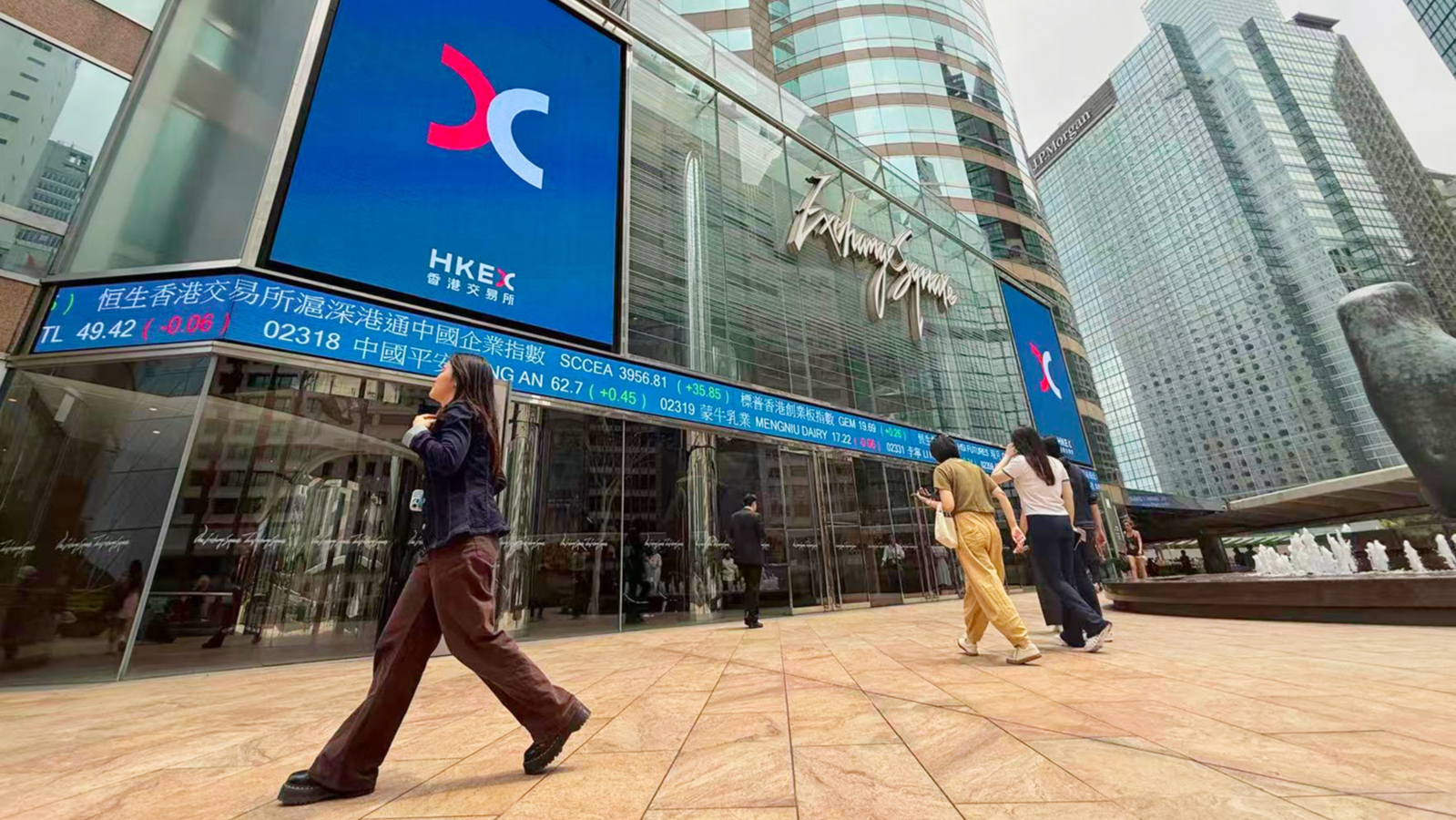
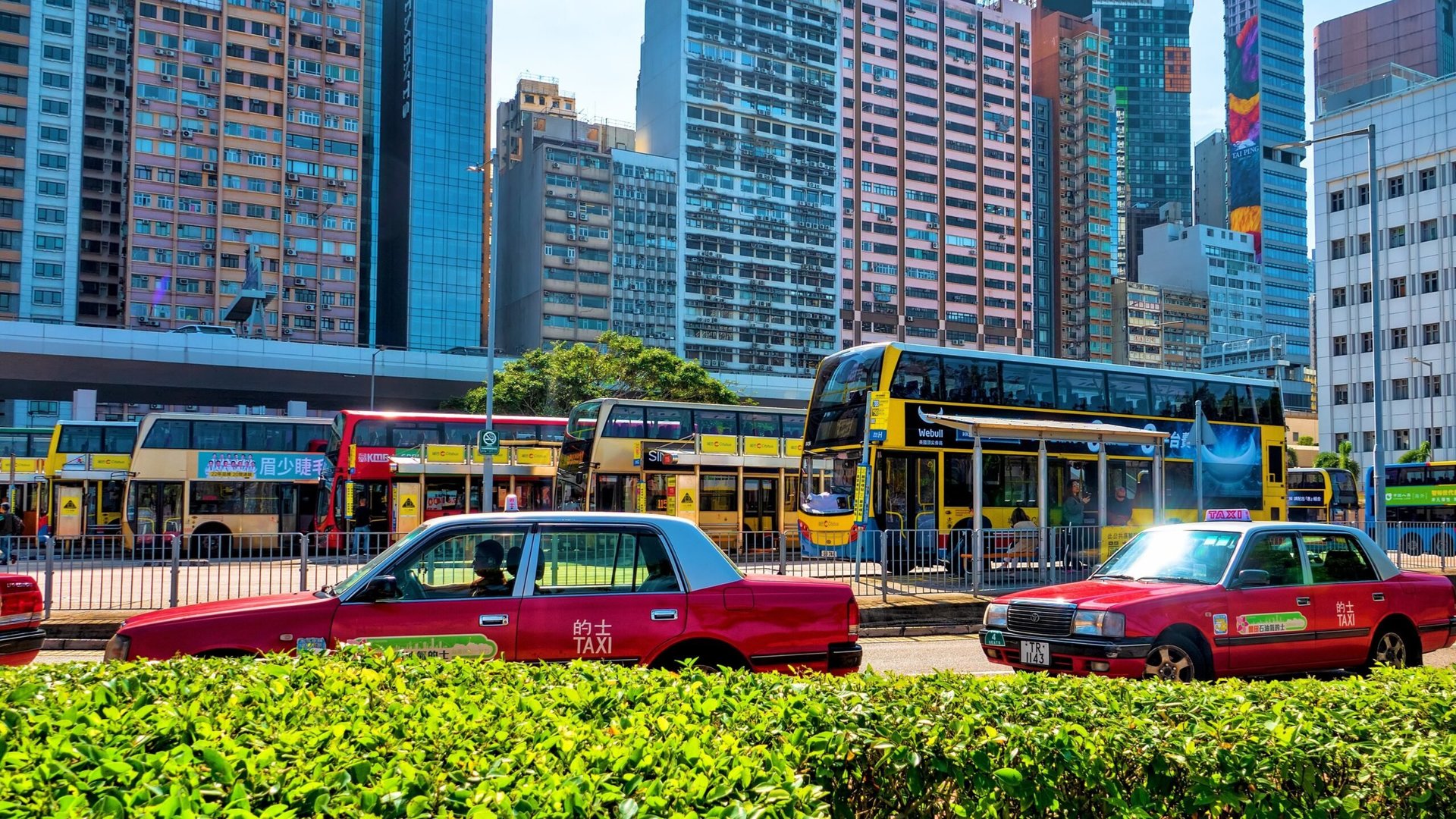
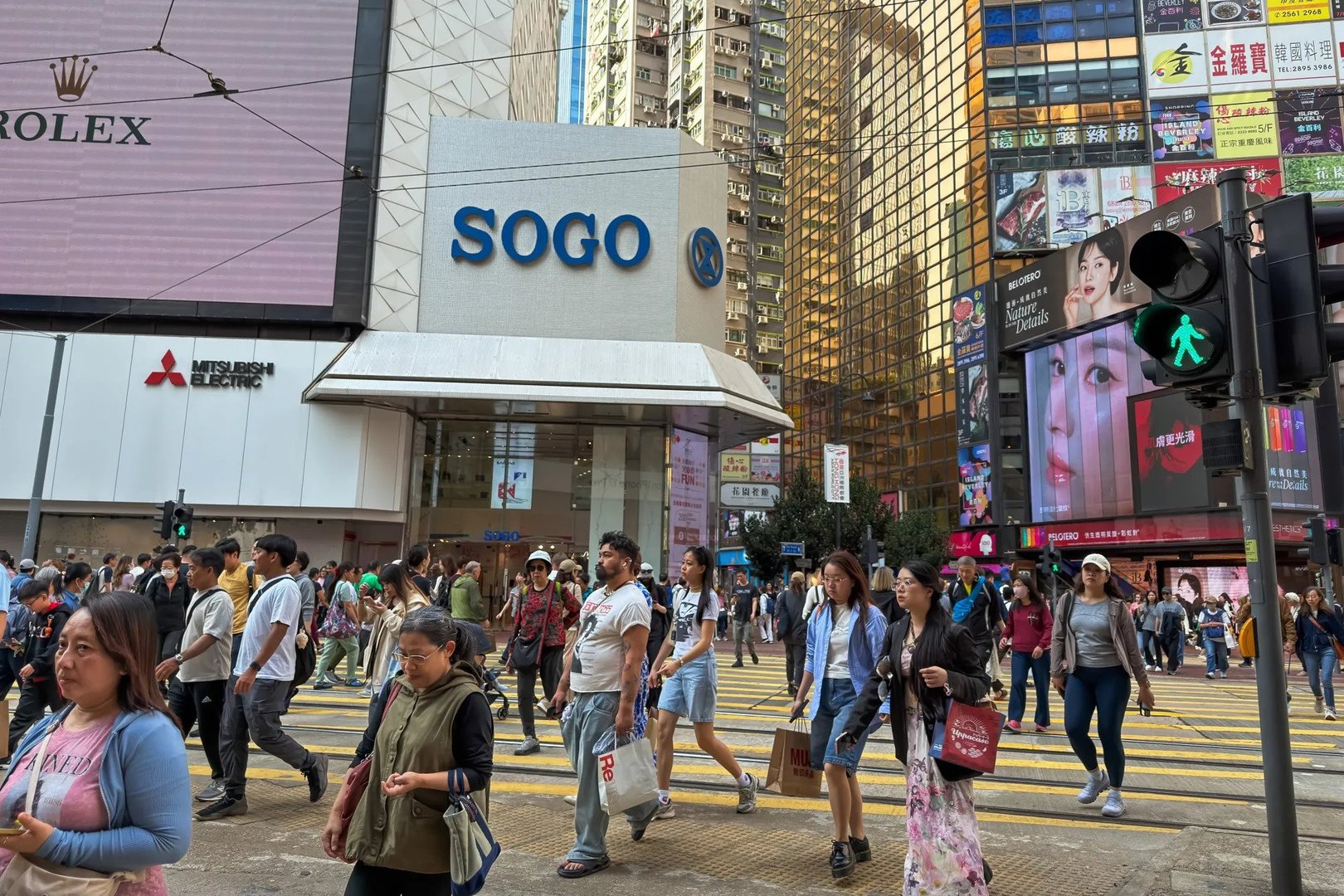
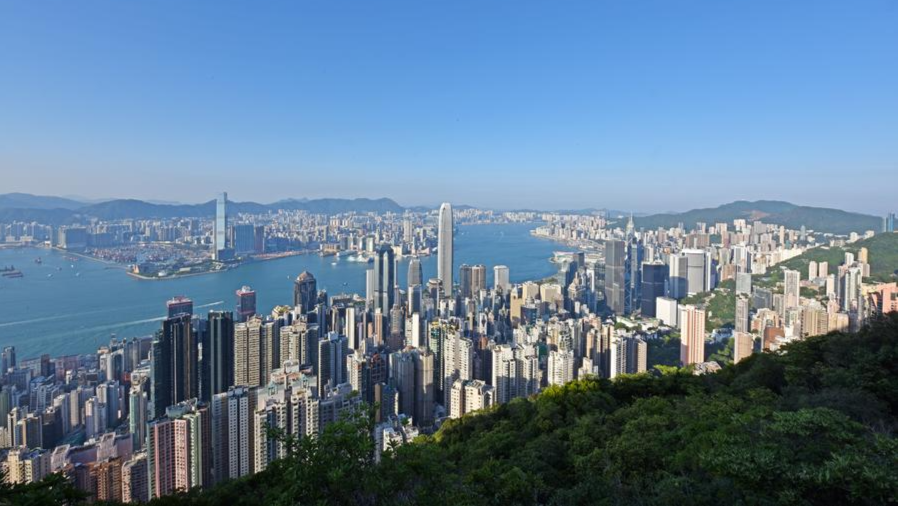
The move comes against a backdrop of sustained weakness in Hong Kong’s commercial property market, where office valuations and rental demand have faced pressure due to higher interest rates, shifting work patterns, and slower demand recovery from multinational tenants.
These conditions have weighed on the broader property development sector, prompting companies to focus more heavily on financial engineering tools such as buybacks and dividend policies to support investor returns.
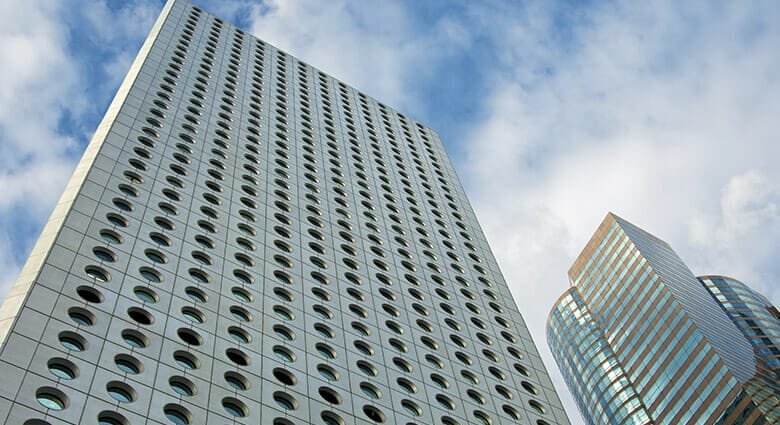
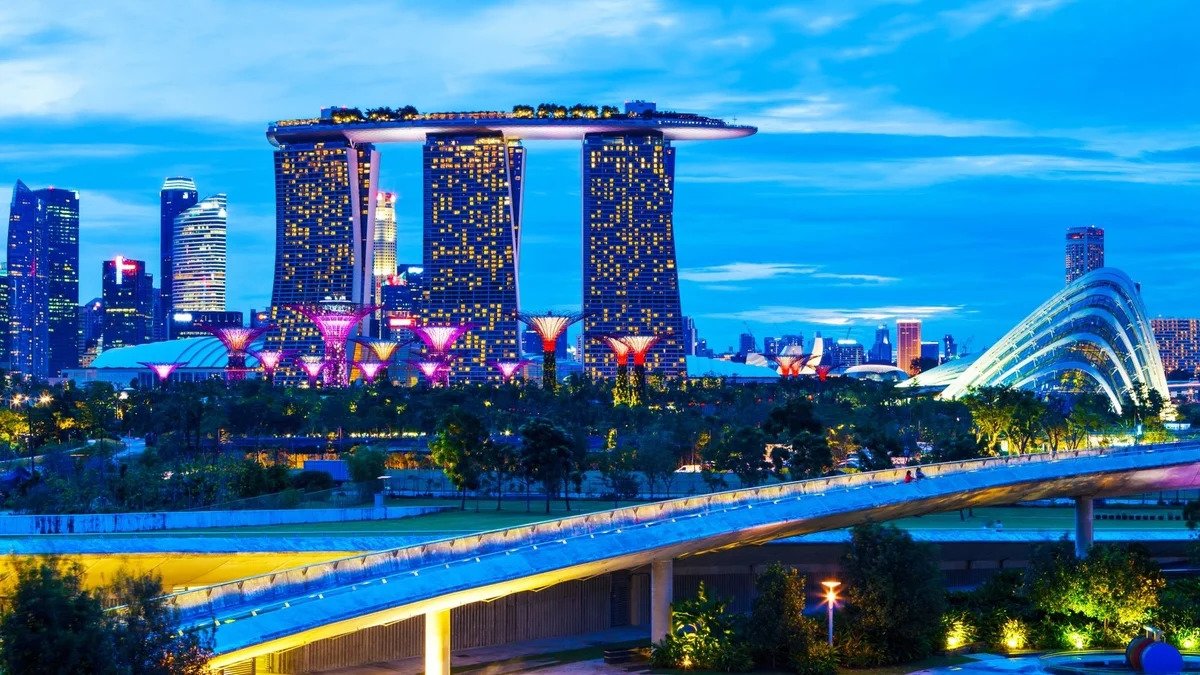
Hongkong Land, a major developer with significant holdings in prime commercial assets in Hong Kong and Singapore, has been managing a portfolio that is highly sensitive to office demand cycles and capital market sentiment.
In such environments, share repurchases are often used alongside asset recycling strategies, including selective disposals and redevelopment projects, to optimize balance sheet efficiency.
The cancellation of shares following buybacks also has accounting and market signaling implications.
By reducing the number of outstanding shares, the company increases earnings per share on a relative basis, even if net income remains unchanged.
This can improve investor perception of value creation, particularly in sectors where underlying asset prices are under pressure.
The strategy reflects a broader trend among real estate and conglomerate-style firms in Asia that are under pressure to deliver shareholder returns despite subdued property cycles.
With limited opportunities for rapid asset appreciation, capital return programs have become a central pillar of investor relations strategy, alongside debt management and selective development activity.
For Hongkong Land, the immediate effect of the share cancellation is incremental but symbolic, reinforcing its commitment to active capital management during a challenging market phase.
The longer-term impact will depend on whether sustained buybacks are supported by stable cash flow from its core commercial property portfolio and whether regional real estate conditions show signs of recovery.
The development underscores a broader shift in listed property companies toward more aggressive capital return policies as they navigate structural changes in demand for office space and evolving investor expectations in Asian real estate markets.
What is confirmed is that Hongkong Land has cancelled 185,000 shares following its most recent share buyback activity.
The cancellation reduces the company’s issued share count and is part of a broader ongoing repurchase program aimed at returning capital to shareholders and supporting earnings per share metrics.
Share buybacks followed by cancellations are a common mechanism used by listed companies to reduce dilution and signal confidence in underlying financial stability.
The move comes against a backdrop of sustained weakness in Hong Kong’s commercial property market, where office valuations and rental demand have faced pressure due to higher interest rates, shifting work patterns, and slower demand recovery from multinational tenants.
These conditions have weighed on the broader property development sector, prompting companies to focus more heavily on financial engineering tools such as buybacks and dividend policies to support investor returns.
Hongkong Land, a major developer with significant holdings in prime commercial assets in Hong Kong and Singapore, has been managing a portfolio that is highly sensitive to office demand cycles and capital market sentiment.
In such environments, share repurchases are often used alongside asset recycling strategies, including selective disposals and redevelopment projects, to optimize balance sheet efficiency.
The cancellation of shares following buybacks also has accounting and market signaling implications.
By reducing the number of outstanding shares, the company increases earnings per share on a relative basis, even if net income remains unchanged.
This can improve investor perception of value creation, particularly in sectors where underlying asset prices are under pressure.
The strategy reflects a broader trend among real estate and conglomerate-style firms in Asia that are under pressure to deliver shareholder returns despite subdued property cycles.
With limited opportunities for rapid asset appreciation, capital return programs have become a central pillar of investor relations strategy, alongside debt management and selective development activity.
For Hongkong Land, the immediate effect of the share cancellation is incremental but symbolic, reinforcing its commitment to active capital management during a challenging market phase.
The longer-term impact will depend on whether sustained buybacks are supported by stable cash flow from its core commercial property portfolio and whether regional real estate conditions show signs of recovery.
The development underscores a broader shift in listed property companies toward more aggressive capital return policies as they navigate structural changes in demand for office space and evolving investor expectations in Asian real estate markets.