Rising demand from business leaders and wealthy travelers is reshaping private jet flows across Asia, with Hong Kong and Shanghai becoming key gateways for private aviation infrastructure and services
Private aviation demand in Asia is undergoing a structural shift, with Hong Kong and Shanghai increasingly serving as the primary hubs for ultra-high-net-worth travel in the region.
The trend reflects a broader rebound in cross-border mobility among wealthy individuals and corporate executives, alongside the expansion of business activity in China’s financial and commercial centers.
What is confirmed is that both Hong Kong and Shanghai have seen a sustained increase in private jet traffic and related aviation services, driven by rising demand for flexible, high-speed travel options among executives, investors, and international business travelers.
The growth has been supported by improvements in airport infrastructure, expanded fixed-base operator services, and the gradual normalization of international travel following pandemic-era restrictions.
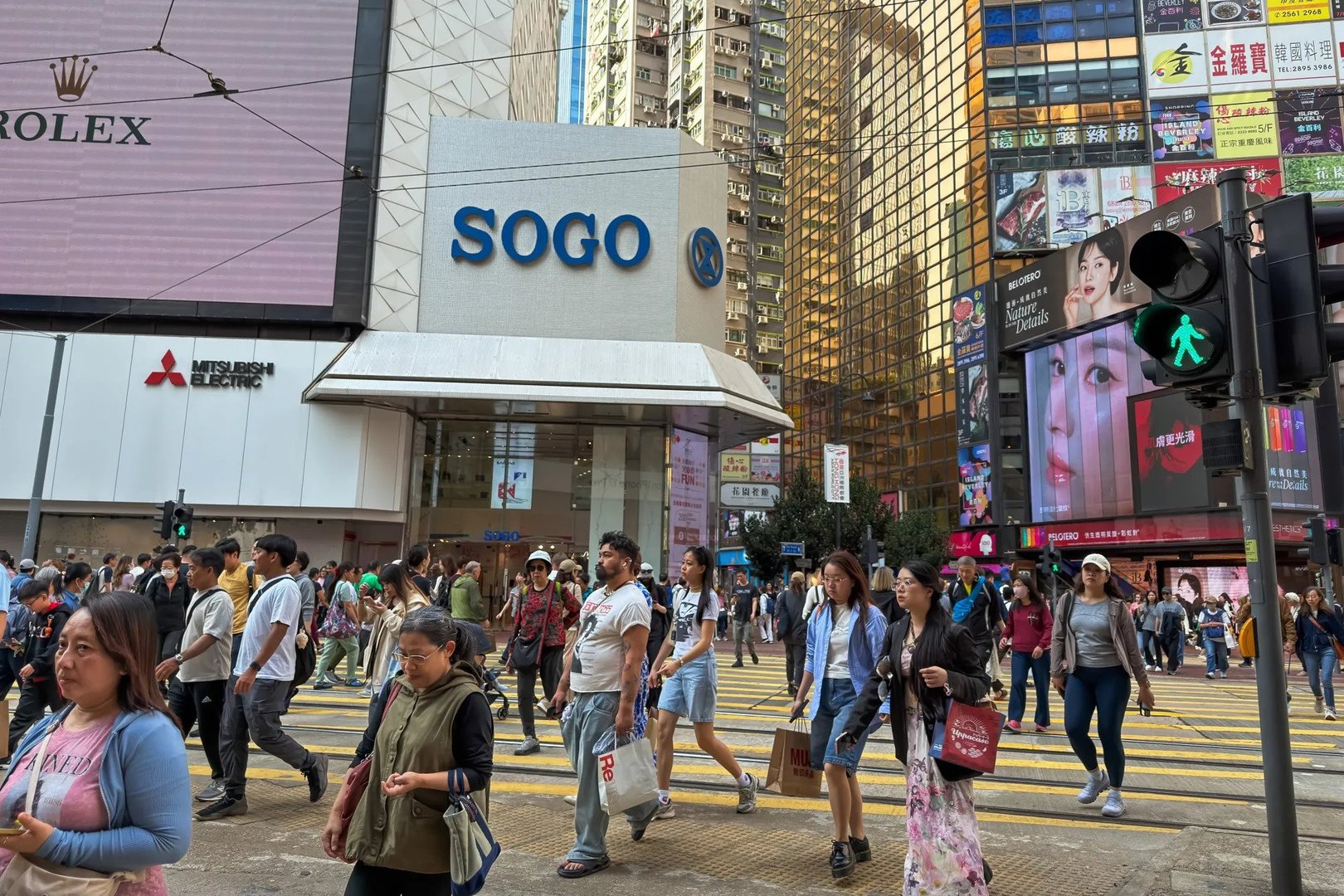
Hong Kong in particular benefits from its established position as a global financial hub and its proximity to mainland China.
The city’s airport infrastructure is among the most advanced in Asia, with dedicated facilities for private aviation handling, customs clearance, and rapid aircraft turnaround.
These capabilities have made it a preferred entry point for time-sensitive travel linked to finance, trade, and investment activities.
Shanghai’s rise reflects a different but complementary dynamic.
As China’s largest commercial center, the city has become a focal point for corporate headquarters, manufacturing oversight, and regional management operations.
This has increased demand for short-notice regional travel to other major Asian cities, including Tokyo, Singapore, and Hong Kong itself.
Private aviation providers have responded by expanding charter fleets, maintenance capacity, and on-demand booking systems.
The shift is also tied to broader wealth concentration trends across Asia.
The region has seen continued growth in ultra-high-net-worth individuals, particularly in mainland China, Southeast Asia, and India.
This demographic typically relies on private aviation not only for convenience but also for security, scheduling flexibility, and access to secondary airports that commercial airlines do not serve efficiently.
Infrastructure competition between Asian financial centers has become increasingly visible in the private aviation sector.
Airports in Hong Kong and Shanghai are investing in dedicated terminals, faster customs processing, and enhanced ground services to attract high-value travelers.
These upgrades are part of a broader strategy to capture spillover economic benefits from business aviation, including spending on hotels, logistics, maintenance, and concierge services.
At the same time, the growth of private aviation in these cities is constrained by regulatory and airspace management considerations.
Air traffic control capacity, slot availability, and environmental pressure remain structural limits on further expansion.
These constraints are prompting operators to optimize flight scheduling and increase aircraft utilization efficiency rather than simply expanding fleet size.
The result is a more competitive and structured private aviation ecosystem in Asia, where Hong Kong and Shanghai function as central nodes in a growing network of regional business travel.
The immediate consequence is intensified competition among service providers to secure airport access, premium clientele, and operational capacity in two of the continent’s most strategically important aviation markets.
The trend reflects a broader rebound in cross-border mobility among wealthy individuals and corporate executives, alongside the expansion of business activity in China’s financial and commercial centers.
What is confirmed is that both Hong Kong and Shanghai have seen a sustained increase in private jet traffic and related aviation services, driven by rising demand for flexible, high-speed travel options among executives, investors, and international business travelers.
The growth has been supported by improvements in airport infrastructure, expanded fixed-base operator services, and the gradual normalization of international travel following pandemic-era restrictions.
Hong Kong in particular benefits from its established position as a global financial hub and its proximity to mainland China.
The city’s airport infrastructure is among the most advanced in Asia, with dedicated facilities for private aviation handling, customs clearance, and rapid aircraft turnaround.
These capabilities have made it a preferred entry point for time-sensitive travel linked to finance, trade, and investment activities.
Shanghai’s rise reflects a different but complementary dynamic.
As China’s largest commercial center, the city has become a focal point for corporate headquarters, manufacturing oversight, and regional management operations.
This has increased demand for short-notice regional travel to other major Asian cities, including Tokyo, Singapore, and Hong Kong itself.
Private aviation providers have responded by expanding charter fleets, maintenance capacity, and on-demand booking systems.
The shift is also tied to broader wealth concentration trends across Asia.
The region has seen continued growth in ultra-high-net-worth individuals, particularly in mainland China, Southeast Asia, and India.
This demographic typically relies on private aviation not only for convenience but also for security, scheduling flexibility, and access to secondary airports that commercial airlines do not serve efficiently.
Infrastructure competition between Asian financial centers has become increasingly visible in the private aviation sector.
Airports in Hong Kong and Shanghai are investing in dedicated terminals, faster customs processing, and enhanced ground services to attract high-value travelers.
These upgrades are part of a broader strategy to capture spillover economic benefits from business aviation, including spending on hotels, logistics, maintenance, and concierge services.
At the same time, the growth of private aviation in these cities is constrained by regulatory and airspace management considerations.
Air traffic control capacity, slot availability, and environmental pressure remain structural limits on further expansion.
These constraints are prompting operators to optimize flight scheduling and increase aircraft utilization efficiency rather than simply expanding fleet size.
The result is a more competitive and structured private aviation ecosystem in Asia, where Hong Kong and Shanghai function as central nodes in a growing network of regional business travel.
The immediate consequence is intensified competition among service providers to secure airport access, premium clientele, and operational capacity in two of the continent’s most strategically important aviation markets.