China’s PCG Power is reportedly preparing a Hong Kong listing filing as early as August, reflecting renewed appetite for renewable energy financing and offshore equity fundraising
ACTOR-DRIVEN: The development centers on PCG Power, a Chinese energy company, and its planned attempt to raise capital through a public listing in Hong Kong, a key offshore fundraising hub for mainland firms.
What is confirmed is that PCG Power is preparing to file for a potential initial public offering in Hong Kong, with timelines reportedly targeting as early as August.
The move places the company among a growing cohort of Chinese energy and industrial firms seeking offshore listings to secure funding amid a challenging domestic financing environment and shifting global capital conditions.
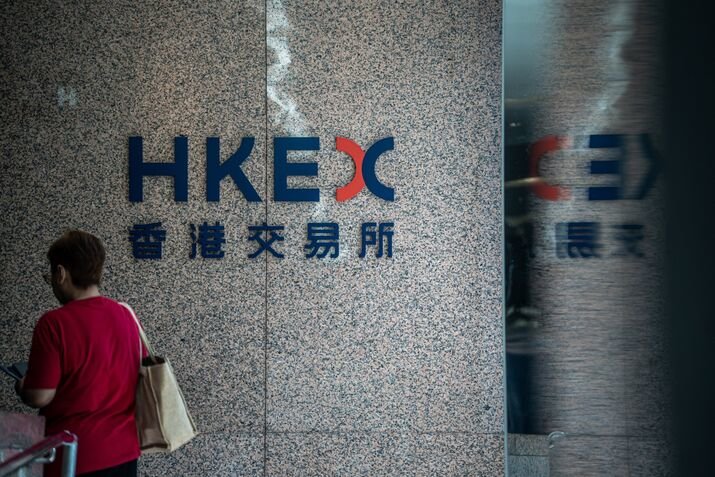
The mechanism behind a Hong Kong IPO filing involves regulatory disclosure to the Hong Kong Stock Exchange, where companies must submit detailed financial statements, governance structures, risk disclosures, and business outlooks before approval to proceed with a public listing.
For Chinese mainland firms, Hong Kong serves as a strategic bridge market, allowing access to international investors while remaining within a familiar regulatory and legal framework.
PCG Power’s reported listing plans reflect broader structural trends in China’s energy sector, particularly the capital-intensive nature of power generation and energy transition projects.
Companies in this sector often require large-scale funding for renewable infrastructure, grid integration, and capacity expansion, making equity markets a critical source of long-term financing.
The timing is significant because Hong Kong IPO activity has fluctuated in recent years due to global interest rate volatility, regulatory tightening in both China and the United States, and uneven investor sentiment toward Chinese equities.
Despite these constraints, energy and infrastructure firms have remained relatively active in seeking listings, supported by long-term demand narratives tied to decarbonization and energy security.
For PCG Power, a successful listing could provide access to substantial capital for expansion, while also increasing transparency and international visibility.
However, IPO execution depends on regulatory approval, market conditions at the time of listing, and investor appetite for Chinese industrial and energy exposure.
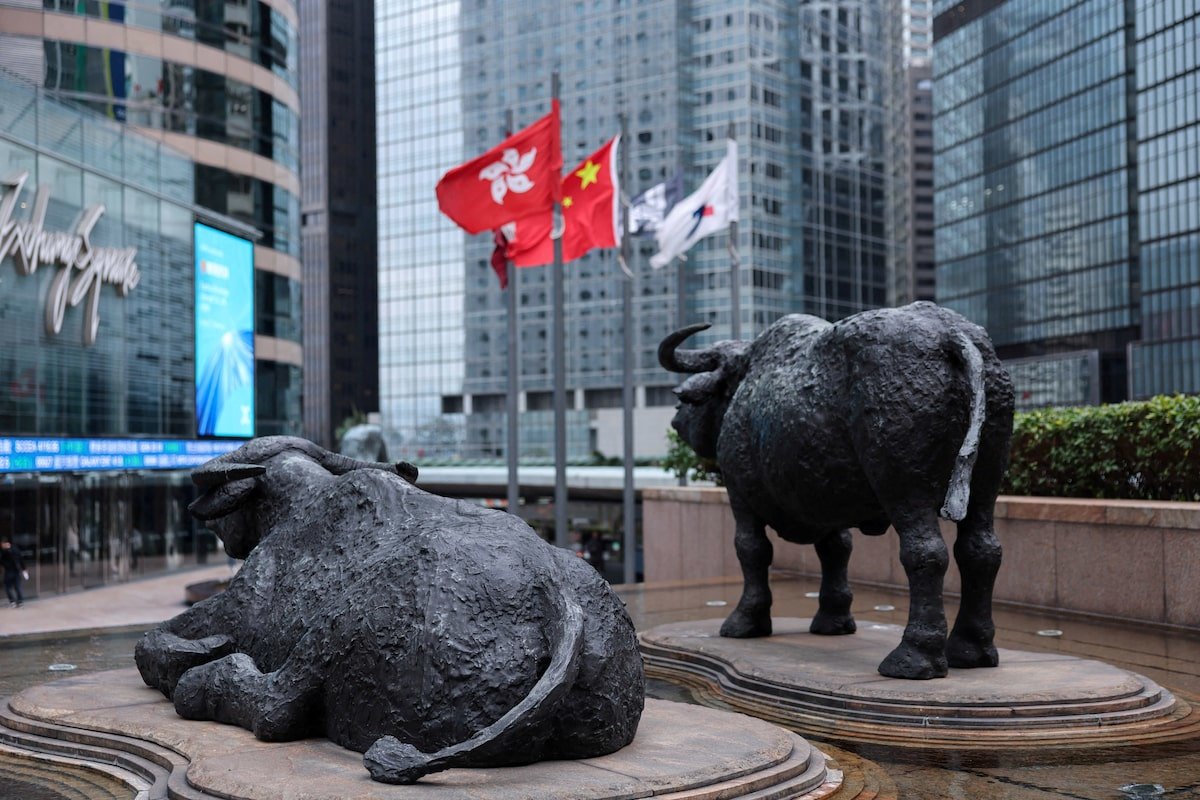
At a broader level, the planned filing highlights Hong Kong’s continuing role as a financial conduit for mainland Chinese corporates, especially in sectors requiring heavy capital investment.
It also underscores the ongoing reliance of China’s energy transition companies on equity markets to supplement bank lending and state-backed financing channels.
The outcome of the filing process will determine whether PCG Power joins the next wave of Hong Kong listings, a pipeline that is increasingly shaped by energy, infrastructure, and technology firms competing for capital in a selective global investment environment.
What is confirmed is that PCG Power is preparing to file for a potential initial public offering in Hong Kong, with timelines reportedly targeting as early as August.
The move places the company among a growing cohort of Chinese energy and industrial firms seeking offshore listings to secure funding amid a challenging domestic financing environment and shifting global capital conditions.
The mechanism behind a Hong Kong IPO filing involves regulatory disclosure to the Hong Kong Stock Exchange, where companies must submit detailed financial statements, governance structures, risk disclosures, and business outlooks before approval to proceed with a public listing.
For Chinese mainland firms, Hong Kong serves as a strategic bridge market, allowing access to international investors while remaining within a familiar regulatory and legal framework.
PCG Power’s reported listing plans reflect broader structural trends in China’s energy sector, particularly the capital-intensive nature of power generation and energy transition projects.
Companies in this sector often require large-scale funding for renewable infrastructure, grid integration, and capacity expansion, making equity markets a critical source of long-term financing.
The timing is significant because Hong Kong IPO activity has fluctuated in recent years due to global interest rate volatility, regulatory tightening in both China and the United States, and uneven investor sentiment toward Chinese equities.
Despite these constraints, energy and infrastructure firms have remained relatively active in seeking listings, supported by long-term demand narratives tied to decarbonization and energy security.
For PCG Power, a successful listing could provide access to substantial capital for expansion, while also increasing transparency and international visibility.
However, IPO execution depends on regulatory approval, market conditions at the time of listing, and investor appetite for Chinese industrial and energy exposure.
At a broader level, the planned filing highlights Hong Kong’s continuing role as a financial conduit for mainland Chinese corporates, especially in sectors requiring heavy capital investment.
It also underscores the ongoing reliance of China’s energy transition companies on equity markets to supplement bank lending and state-backed financing channels.
The outcome of the filing process will determine whether PCG Power joins the next wave of Hong Kong listings, a pipeline that is increasingly shaped by energy, infrastructure, and technology firms competing for capital in a selective global investment environment.