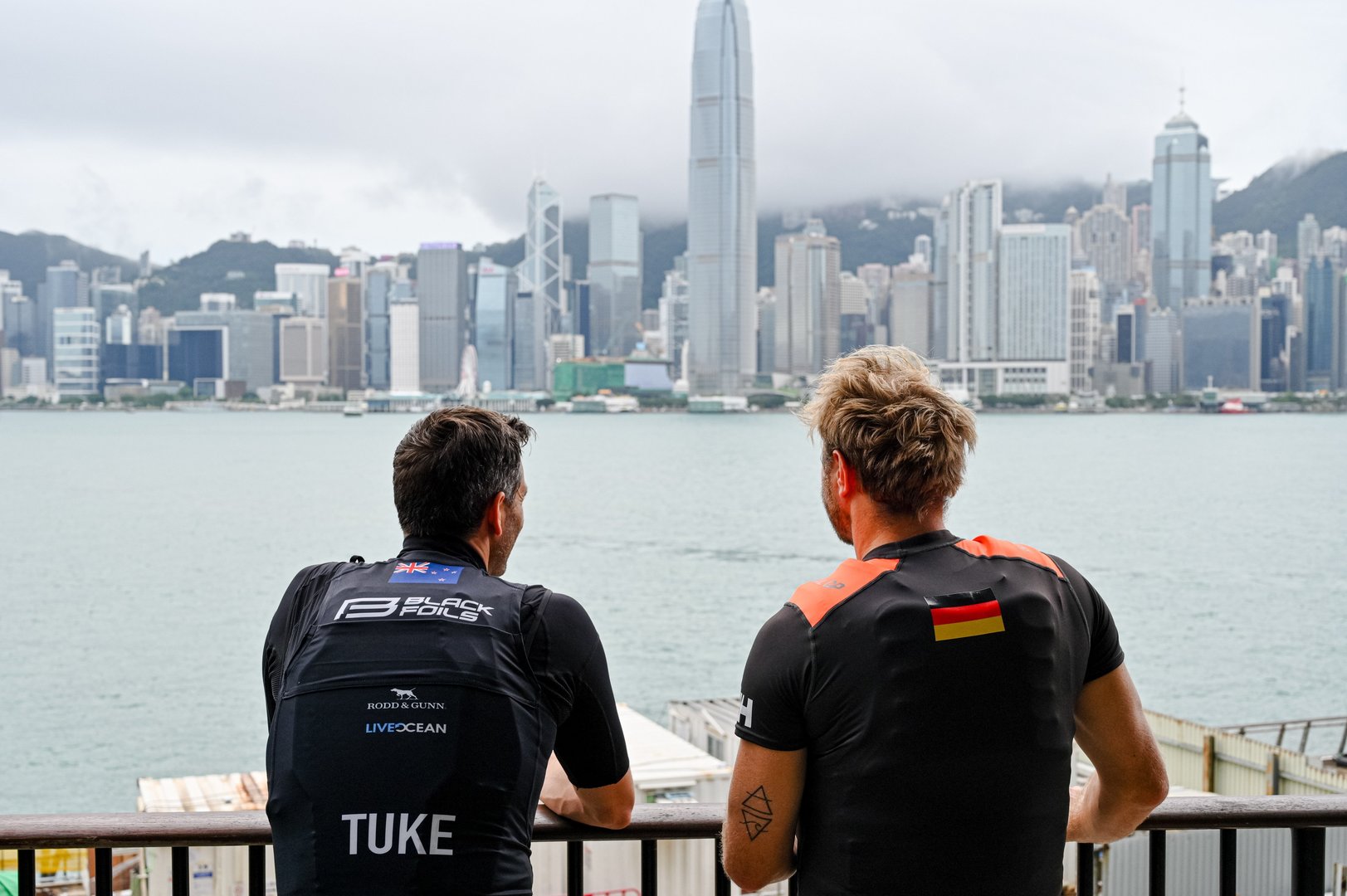
Sailing league co-founder Russell Coutts highlights the city’s positioning power as Asia competition for premium sporting events intensifies
SYSTEM-DRIVEN dynamics in global sports hosting are reshaping how cities compete for high-profile events, with Hong Kong’s growing role in attracting elite competitions like SailGP reflecting broader shifts in branding, tourism strategy, and financial influence.
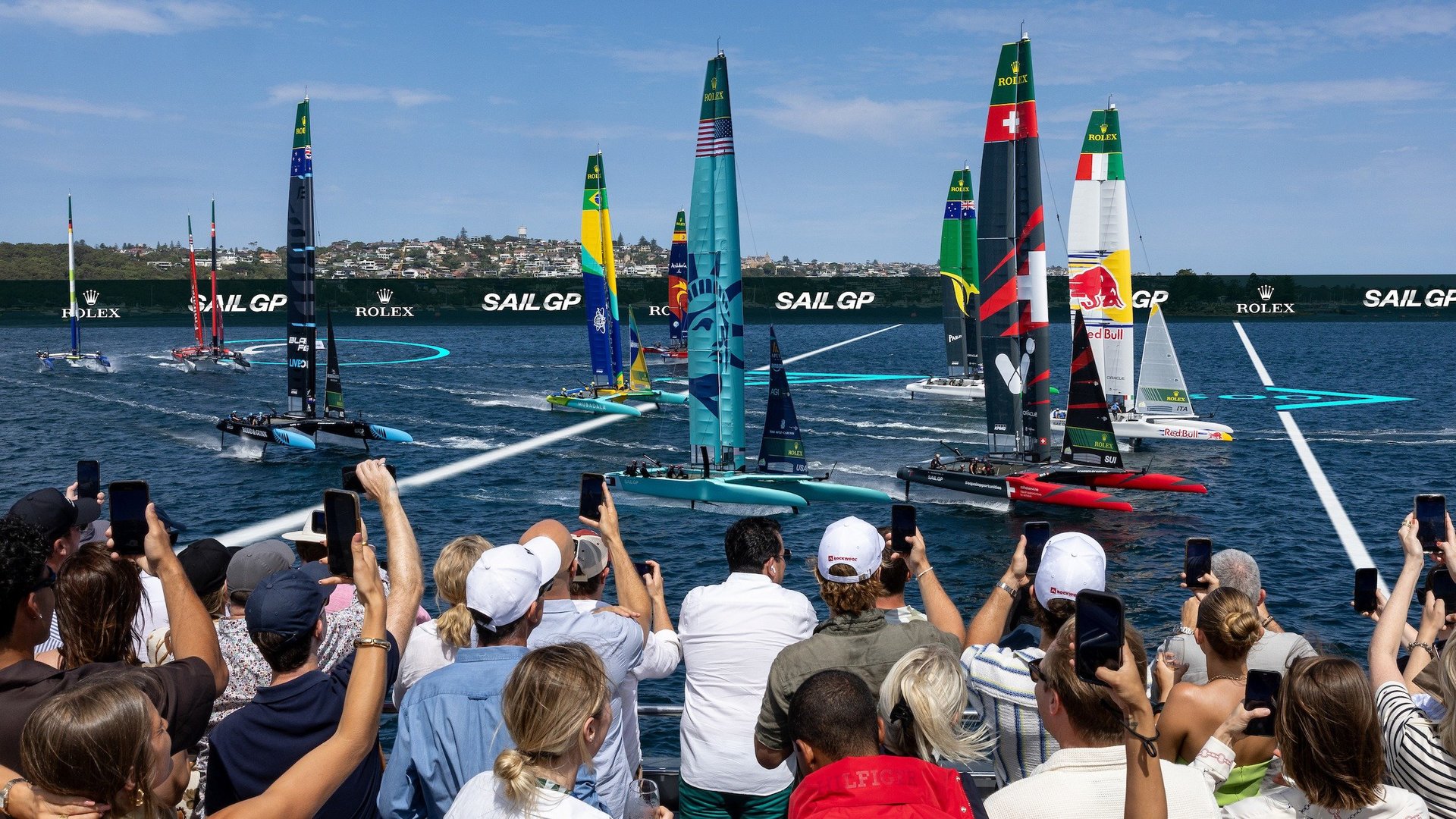
SailGP, the international sailing league co-founded by former champion sailor Russell Coutts, has been expanding its footprint across major global cities.
The league is designed as a fast-paced, high-technology racing format that relies heavily on iconic waterfront venues and strong local commercial backing.
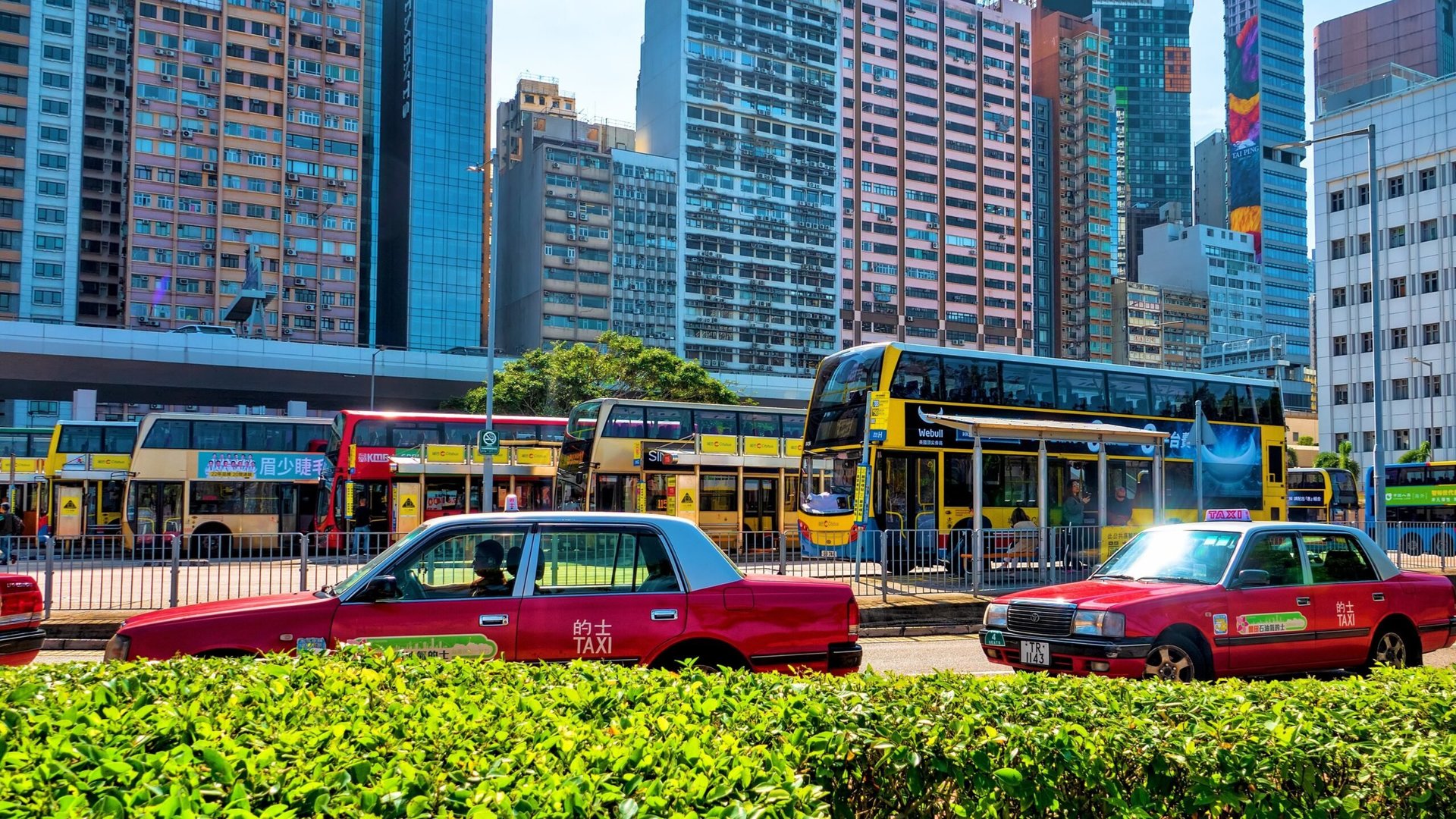
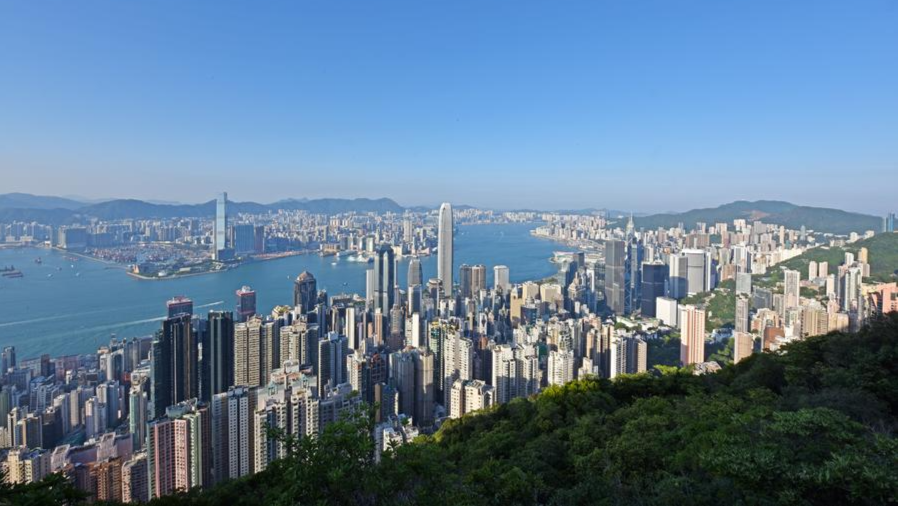
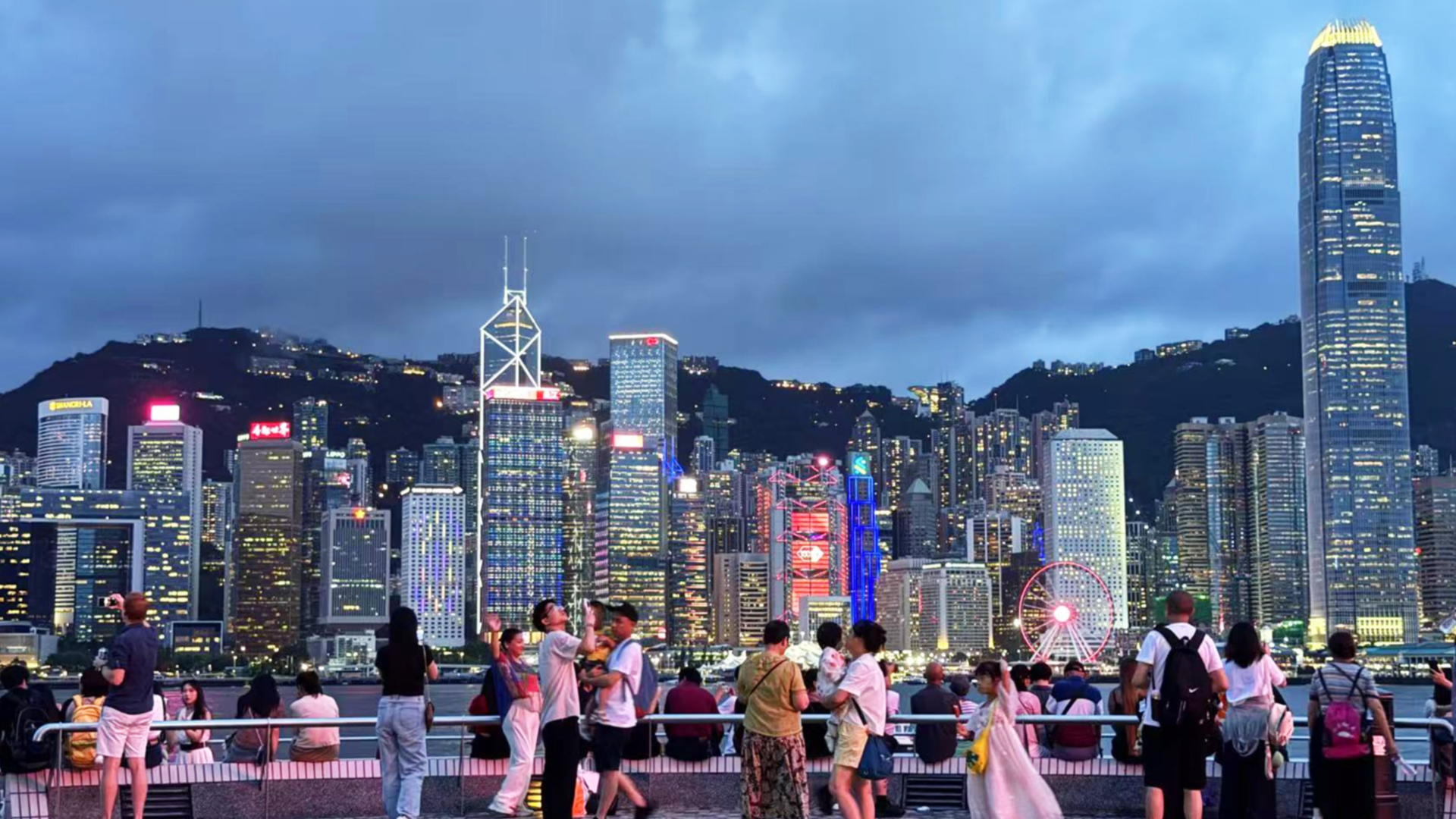
Within that framework, Hong Kong has emerged as a location that organizers view as strategically valuable due to its dense urban skyline, deep-water harbor, and established international connectivity.
Coutts has pointed to Hong Kong’s “energy” and global influence as key factors in its ability to attract premium sporting events.
In practical terms, that framing reflects how event organizers evaluate not just infrastructure, but also media visibility, sponsorship ecosystems, and the symbolic value of a host city.
For SailGP, which markets itself as both a sporting competition and a media product, location branding is as important as racing conditions.
The broader context is intensifying regional competition across Asia.
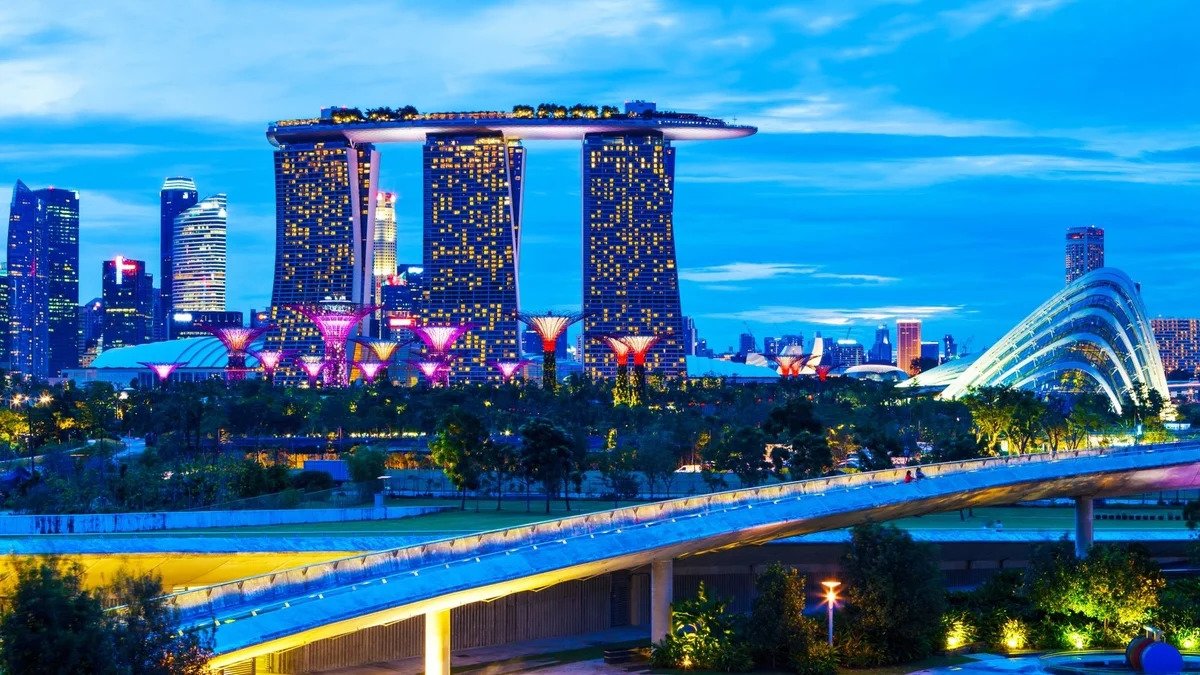
Cities such as Singapore, Shanghai, and others have been investing heavily in sports tourism, aiming to capture recurring revenue from visiting teams, sponsors, and audiences.
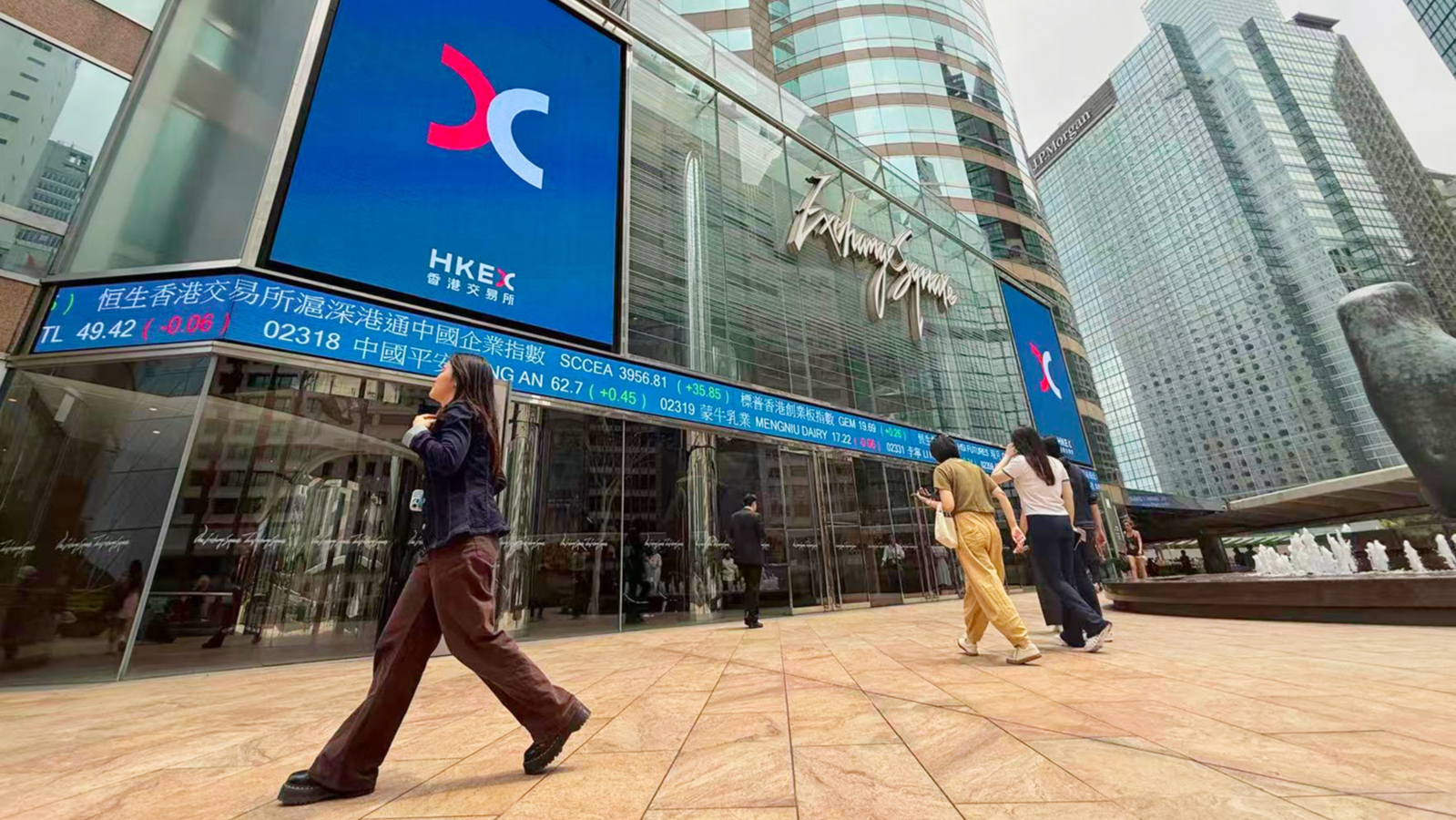
Hong Kong’s positioning relies less on building new infrastructure and more on leveraging its existing financial hub status and recognizable skyline to differentiate itself in a crowded field.
The economic mechanism behind these events is increasingly tied to sponsorship rights, broadcast distribution, and hospitality spending rather than ticket sales alone.
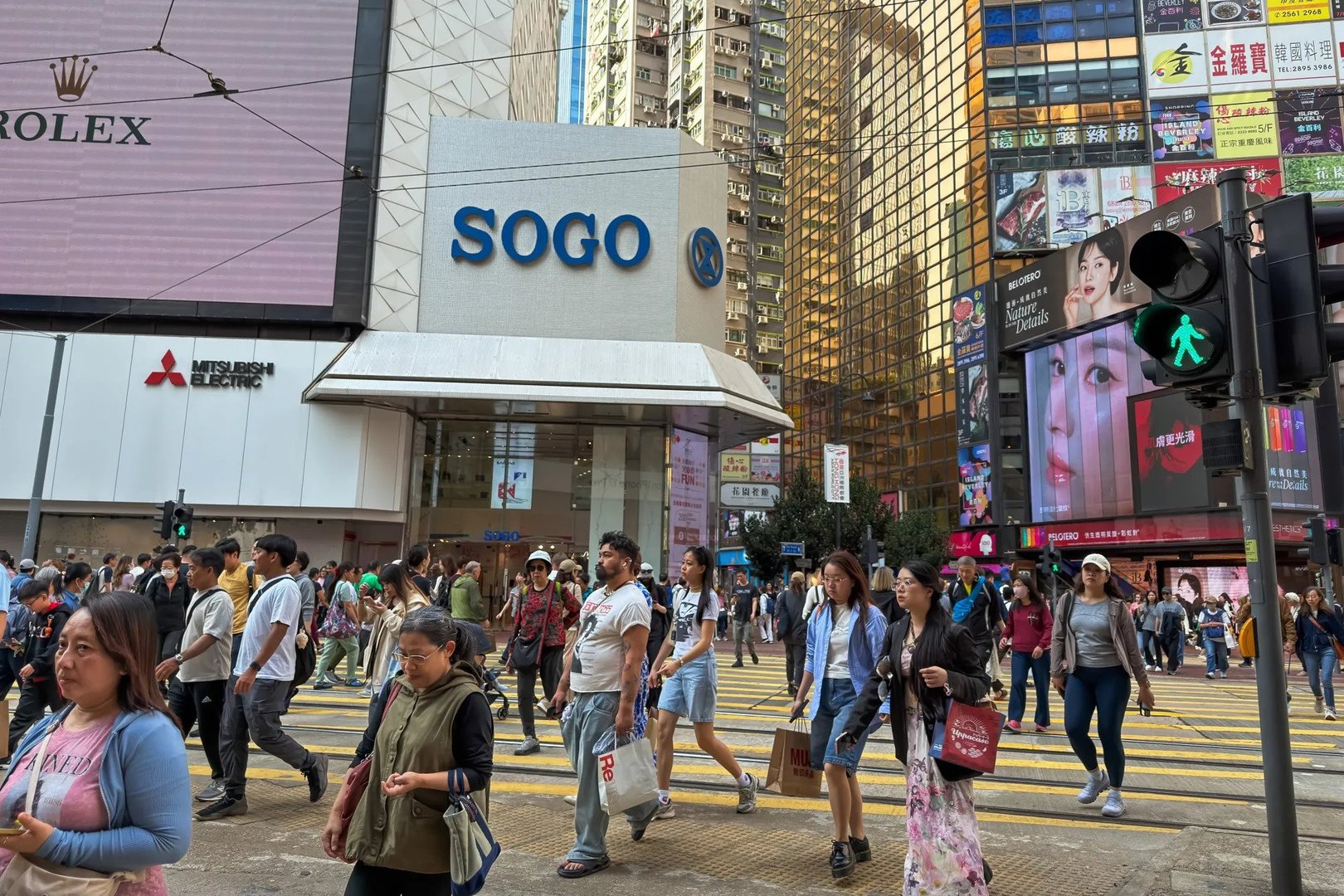
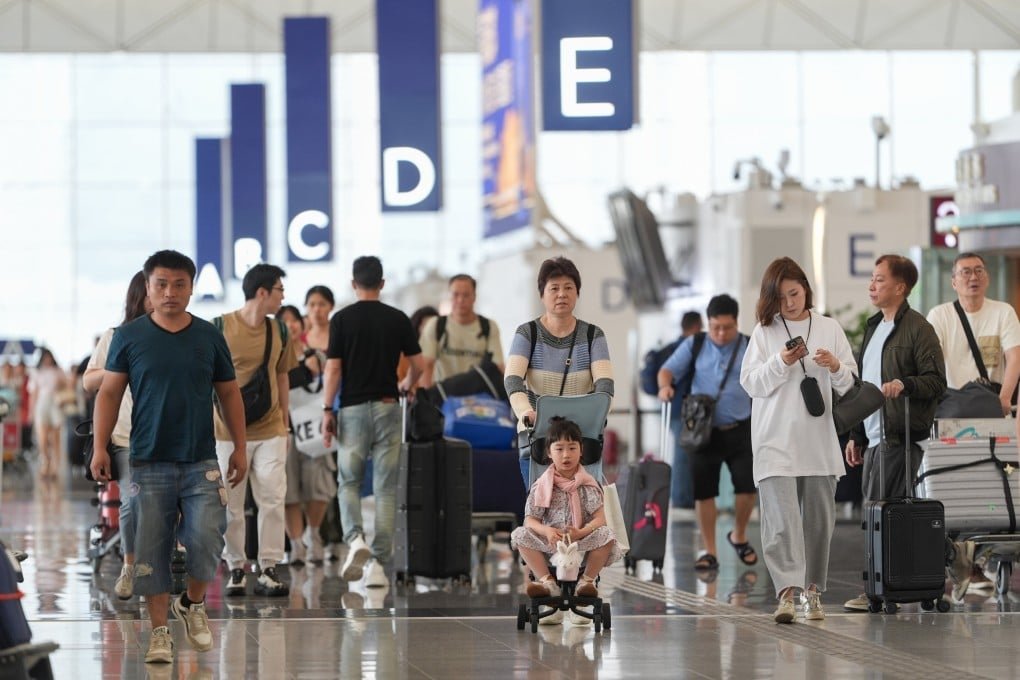
For Hong Kong, hosting high-visibility events like SailGP contributes to post-pandemic efforts to rebuild international visitor flows and reinforce its image as a global meeting point for capital, commerce, and culture.
As competition for marquee sporting properties continues, the selection of host cities is becoming a reflection of geopolitical and financial signaling as much as sporting logistics, with Hong Kong’s inclusion in SailGP’s circuit reinforcing its bid to remain a central stage for globally marketed events.
SailGP, the international sailing league co-founded by former champion sailor Russell Coutts, has been expanding its footprint across major global cities.
The league is designed as a fast-paced, high-technology racing format that relies heavily on iconic waterfront venues and strong local commercial backing.
Within that framework, Hong Kong has emerged as a location that organizers view as strategically valuable due to its dense urban skyline, deep-water harbor, and established international connectivity.
Coutts has pointed to Hong Kong’s “energy” and global influence as key factors in its ability to attract premium sporting events.
In practical terms, that framing reflects how event organizers evaluate not just infrastructure, but also media visibility, sponsorship ecosystems, and the symbolic value of a host city.
For SailGP, which markets itself as both a sporting competition and a media product, location branding is as important as racing conditions.
The broader context is intensifying regional competition across Asia.
Cities such as Singapore, Shanghai, and others have been investing heavily in sports tourism, aiming to capture recurring revenue from visiting teams, sponsors, and audiences.
Hong Kong’s positioning relies less on building new infrastructure and more on leveraging its existing financial hub status and recognizable skyline to differentiate itself in a crowded field.
The economic mechanism behind these events is increasingly tied to sponsorship rights, broadcast distribution, and hospitality spending rather than ticket sales alone.
For Hong Kong, hosting high-visibility events like SailGP contributes to post-pandemic efforts to rebuild international visitor flows and reinforce its image as a global meeting point for capital, commerce, and culture.
As competition for marquee sporting properties continues, the selection of host cities is becoming a reflection of geopolitical and financial signaling as much as sporting logistics, with Hong Kong’s inclusion in SailGP’s circuit reinforcing its bid to remain a central stage for globally marketed events.