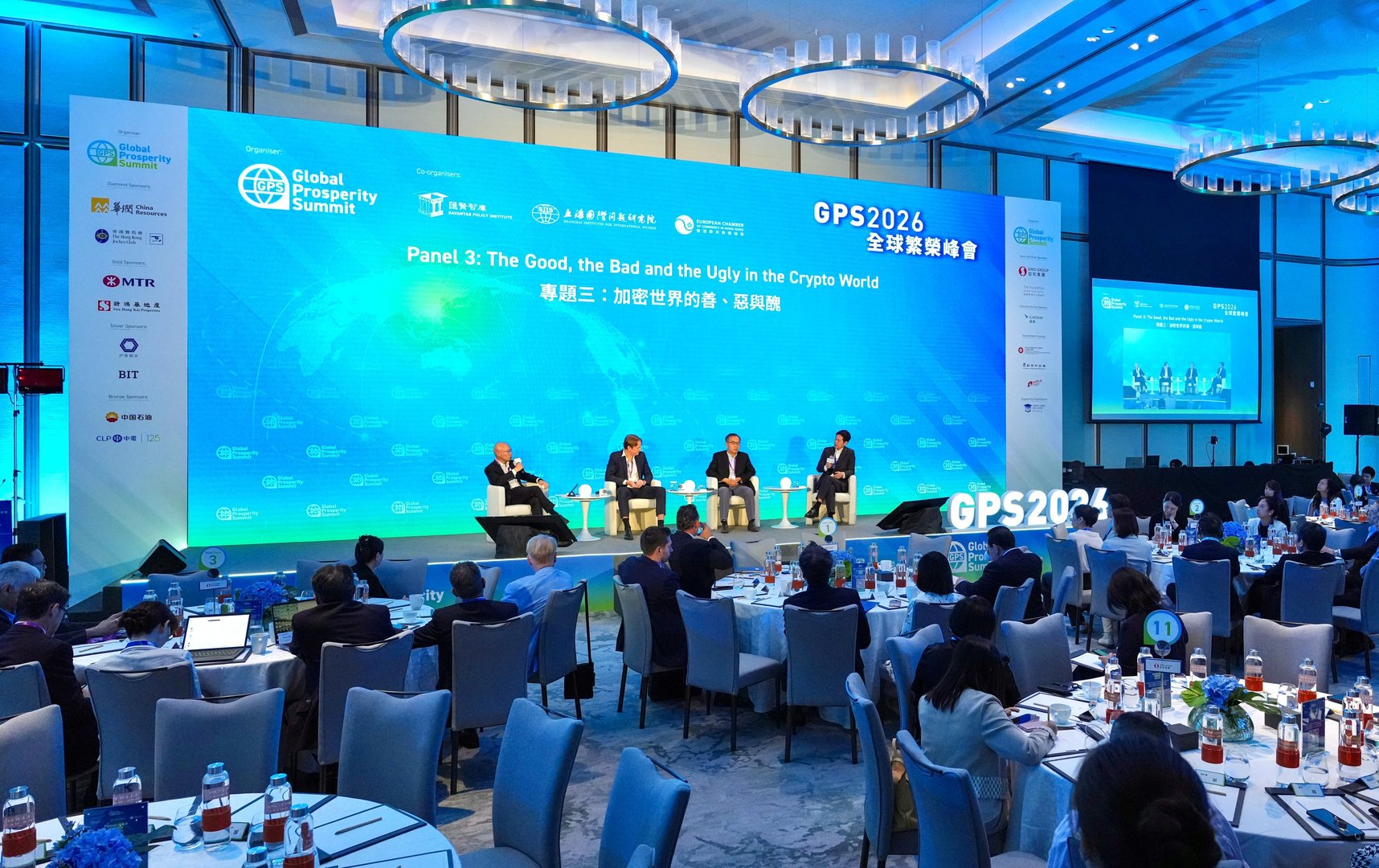
Investors at the Sohn Hong Kong conference highlight artificial intelligence infrastructure and shifting youth consumption patterns as key market opportunities shaping Asia-focused portfolios
Thematic equity investing is increasingly being driven by structural shifts in technology infrastructure and consumer behavior, with hedge fund managers at the Sohn Hong Kong conference emphasizing artificial intelligence supply chains and Gen Z spending patterns as two of the most important emerging investment themes in Asia.
What is confirmed is that several prominent hedge fund managers presenting at the event identified companies tied to AI infrastructure as core long-term beneficiaries of the current technology cycle.
These include firms involved in semiconductor production, advanced hardware manufacturing, data center expansion, and power and cooling systems required to support large-scale AI computation.
The investment case is built on the expectation that AI development will continue to drive sustained demand for physical infrastructure rather than remaining confined to software applications alone.
The AI supply chain theme reflects a broader market shift in which investors are moving beyond large, well-known technology platforms and focusing instead on the underlying industrial ecosystem.
This includes chip designers, equipment manufacturers, packaging specialists, and energy providers that support high-density computing workloads.
The logic is that as AI models scale in size and complexity, bottlenecks in hardware production and energy capacity become key determinants of growth.
Alongside technology infrastructure, consumer-focused strategies centered on Gen Z spending behavior also featured prominently in hedge fund discussions.
Managers highlighted the spending habits of younger consumers across Asia as a structural driver for sectors such as digital entertainment, social commerce, gaming, beauty products, and premium lifestyle goods.
The underlying assumption is that Gen Z cohorts are shaping consumption patterns differently from previous generations, with stronger preferences for mobile-first platforms and experience-driven purchases.
This consumer shift is particularly relevant in Asian markets where digital adoption is high and mobile payment ecosystems are deeply embedded in daily life.
Investors argue that companies able to capture attention and engagement within these ecosystems can maintain pricing power and recurring revenue streams even in slower macroeconomic environments.
The dual focus on AI infrastructure and Gen Z consumption reflects a broader hedge fund strategy of identifying secular growth trends rather than cyclical market timing.
In a region where macroeconomic conditions vary significantly across countries, thematic investing provides a way to isolate long-term structural winners from short-term volatility.
Risk considerations discussed by investors include valuation pressure in AI-linked equities, potential supply constraints in semiconductor manufacturing, and uncertainty around the durability of post-pandemic consumer spending patterns.
Despite these risks, the dominant view expressed at the conference was that both AI infrastructure build-out and Gen Z-driven consumption shifts are early-stage trends with multi-year investment horizons.
The immediate consequence is a continued reallocation of capital toward companies positioned at the intersection of technology infrastructure and evolving consumer behavior, reinforcing Asia’s role as a central battleground for global thematic investing strategies.
What is confirmed is that several prominent hedge fund managers presenting at the event identified companies tied to AI infrastructure as core long-term beneficiaries of the current technology cycle.
These include firms involved in semiconductor production, advanced hardware manufacturing, data center expansion, and power and cooling systems required to support large-scale AI computation.
The investment case is built on the expectation that AI development will continue to drive sustained demand for physical infrastructure rather than remaining confined to software applications alone.
The AI supply chain theme reflects a broader market shift in which investors are moving beyond large, well-known technology platforms and focusing instead on the underlying industrial ecosystem.
This includes chip designers, equipment manufacturers, packaging specialists, and energy providers that support high-density computing workloads.
The logic is that as AI models scale in size and complexity, bottlenecks in hardware production and energy capacity become key determinants of growth.
Alongside technology infrastructure, consumer-focused strategies centered on Gen Z spending behavior also featured prominently in hedge fund discussions.
Managers highlighted the spending habits of younger consumers across Asia as a structural driver for sectors such as digital entertainment, social commerce, gaming, beauty products, and premium lifestyle goods.
The underlying assumption is that Gen Z cohorts are shaping consumption patterns differently from previous generations, with stronger preferences for mobile-first platforms and experience-driven purchases.
This consumer shift is particularly relevant in Asian markets where digital adoption is high and mobile payment ecosystems are deeply embedded in daily life.
Investors argue that companies able to capture attention and engagement within these ecosystems can maintain pricing power and recurring revenue streams even in slower macroeconomic environments.
The dual focus on AI infrastructure and Gen Z consumption reflects a broader hedge fund strategy of identifying secular growth trends rather than cyclical market timing.
In a region where macroeconomic conditions vary significantly across countries, thematic investing provides a way to isolate long-term structural winners from short-term volatility.
Risk considerations discussed by investors include valuation pressure in AI-linked equities, potential supply constraints in semiconductor manufacturing, and uncertainty around the durability of post-pandemic consumer spending patterns.
Despite these risks, the dominant view expressed at the conference was that both AI infrastructure build-out and Gen Z-driven consumption shifts are early-stage trends with multi-year investment horizons.
The immediate consequence is a continued reallocation of capital toward companies positioned at the intersection of technology infrastructure and evolving consumer behavior, reinforcing Asia’s role as a central battleground for global thematic investing strategies.