Traffic rebound and rising flight frequency signal sustained aviation recovery driven by regional travel demand and international connectivity
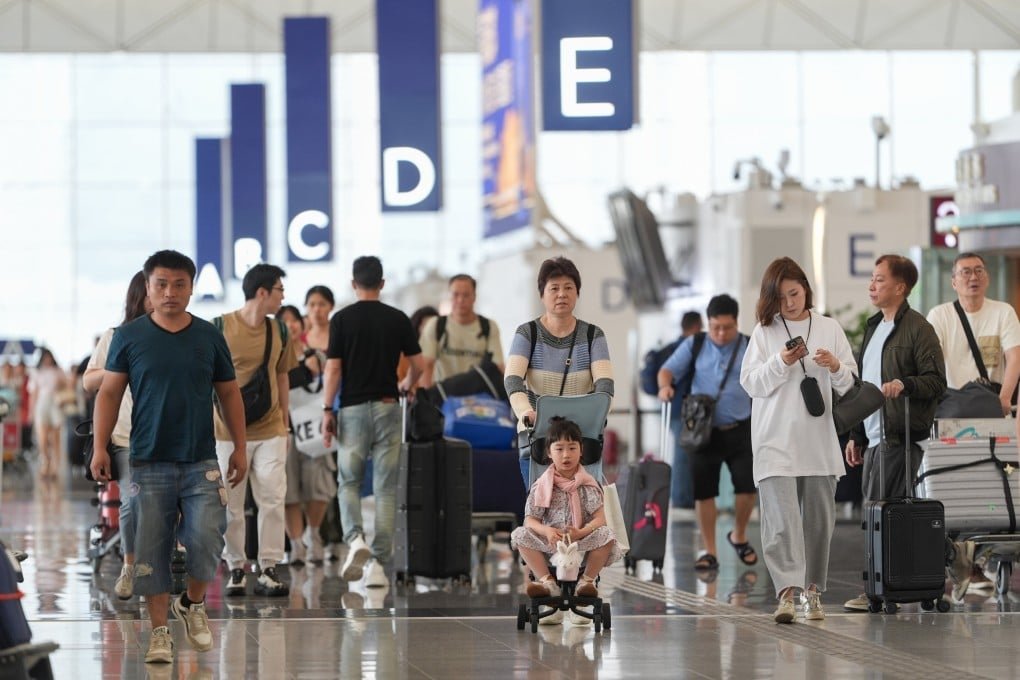
SYSTEM-DRIVEN recovery in global aviation is continuing to reshape major transport hubs, with Hong Kong International Airport recording a significant rebound in both passenger and flight volumes as regional and long-haul travel demand strengthens.
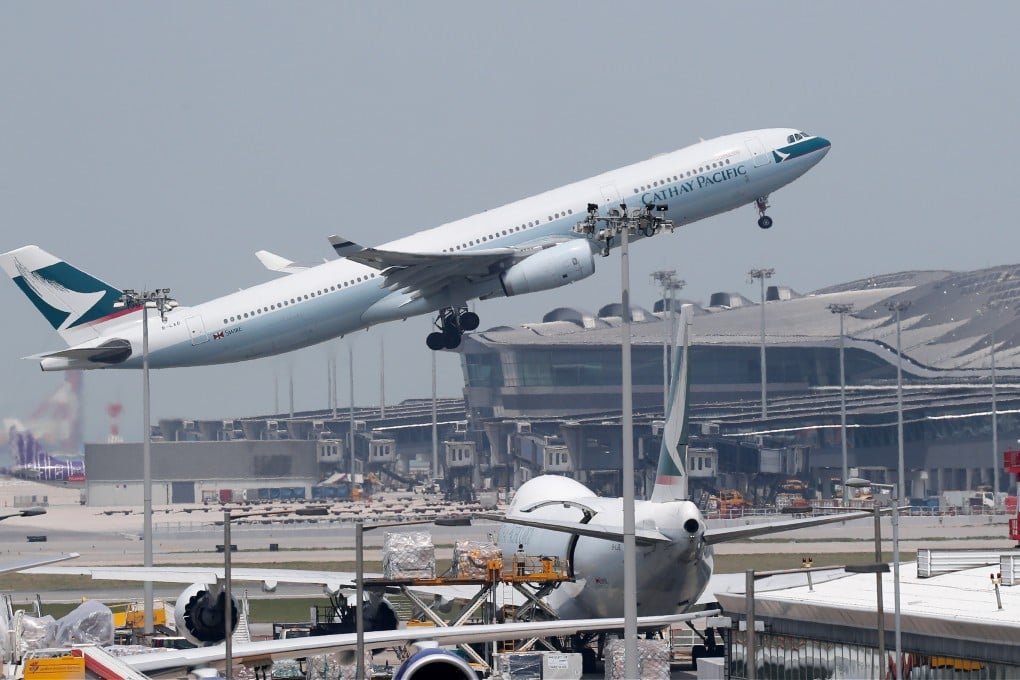
Hong Kong International Airport has reported a 13 percent year-on-year increase in passenger traffic, alongside a 5.1 percent rise in flight movements.
The figures point to a continued recovery in air travel activity following the disruption caused by pandemic-era restrictions and the slower return of international mobility in Asia compared with other global regions.
The increase in passenger numbers reflects a combination of factors.
These include the normalization of international travel flows, stronger regional tourism demand, and renewed connectivity between Hong Kong and key markets in mainland China, Southeast Asia, and long-haul destinations in Europe and North America.
Airlines operating at the airport have gradually restored capacity, while some have expanded routes in response to improving load factors.
Flight growth at 5.1 percent suggests a more measured expansion on the supply side compared with passenger demand.
This gap typically indicates higher aircraft occupancy rates and more efficient utilization of existing routes rather than a sharp increase in total departures.
It also reflects the constraints airlines continue to manage, including fleet availability and broader industry-wide capacity planning.
Hong Kong’s aviation recovery is also tied to its role as a major international transit hub.
The airport’s performance is influenced not only by origin and destination traffic but also by connecting passengers moving between long-haul routes across Asia-Pacific and global markets.
This transit function has historically been a core driver of its competitiveness against regional rivals such as Singapore and other major aviation hubs.
The recovery in traffic carries broader economic implications.
Aviation activity supports tourism, retail, logistics, and financial services linked to cross-border mobility.
A sustained rise in passenger volumes strengthens revenue streams for airlines, airport operators, and associated industries, while also reinforcing Hong Kong’s position in global transport networks at a time of intensifying regional competition for aviation flows.
As travel demand continues to stabilize, the trajectory of Hong Kong International Airport will depend on the durability of outbound tourism from mainland China, the strength of global business travel, and the ability of airlines to expand capacity without significant cost pressures, shaping how quickly the hub can return to or exceed pre-pandemic benchmarks.
Hong Kong International Airport has reported a 13 percent year-on-year increase in passenger traffic, alongside a 5.1 percent rise in flight movements.
The figures point to a continued recovery in air travel activity following the disruption caused by pandemic-era restrictions and the slower return of international mobility in Asia compared with other global regions.
The increase in passenger numbers reflects a combination of factors.
These include the normalization of international travel flows, stronger regional tourism demand, and renewed connectivity between Hong Kong and key markets in mainland China, Southeast Asia, and long-haul destinations in Europe and North America.
Airlines operating at the airport have gradually restored capacity, while some have expanded routes in response to improving load factors.
Flight growth at 5.1 percent suggests a more measured expansion on the supply side compared with passenger demand.
This gap typically indicates higher aircraft occupancy rates and more efficient utilization of existing routes rather than a sharp increase in total departures.
It also reflects the constraints airlines continue to manage, including fleet availability and broader industry-wide capacity planning.
Hong Kong’s aviation recovery is also tied to its role as a major international transit hub.
The airport’s performance is influenced not only by origin and destination traffic but also by connecting passengers moving between long-haul routes across Asia-Pacific and global markets.
This transit function has historically been a core driver of its competitiveness against regional rivals such as Singapore and other major aviation hubs.
The recovery in traffic carries broader economic implications.
Aviation activity supports tourism, retail, logistics, and financial services linked to cross-border mobility.
A sustained rise in passenger volumes strengthens revenue streams for airlines, airport operators, and associated industries, while also reinforcing Hong Kong’s position in global transport networks at a time of intensifying regional competition for aviation flows.
As travel demand continues to stabilize, the trajectory of Hong Kong International Airport will depend on the durability of outbound tourism from mainland China, the strength of global business travel, and the ability of airlines to expand capacity without significant cost pressures, shaping how quickly the hub can return to or exceed pre-pandemic benchmarks.