Tight oversight and growing number of approved platforms shape safer digital asset trading environment
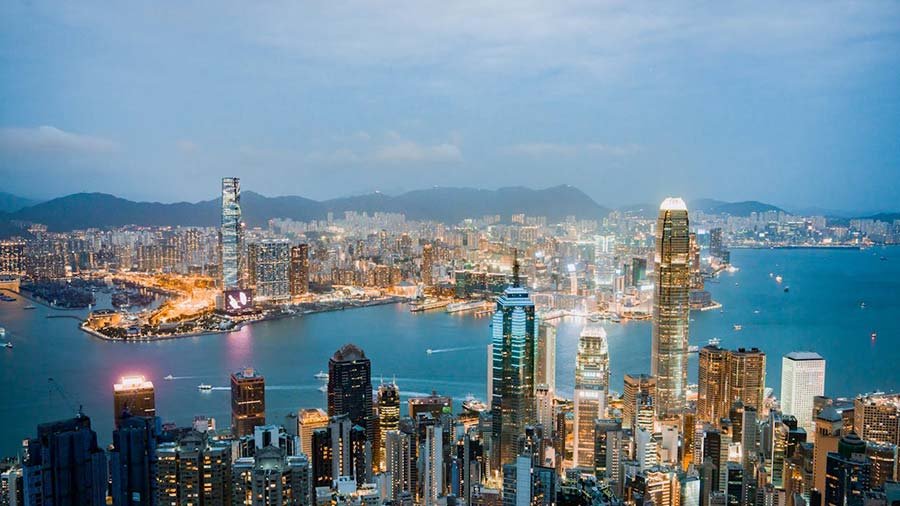
Hong Kong’s cryptocurrency market in 2026 is increasingly defined by a strict regulatory framework, with authorities expanding the number of licensed exchanges while reinforcing investor protections and market integrity.

Under the city’s licensing regime, all centralized virtual asset trading platforms operating locally or targeting Hong Kong investors must obtain approval from the Securities and Futures Commission.

This requirement has established a clear distinction between regulated platforms and unlicensed operators, strengthening confidence among market participants.

Recent updates indicate that the number of fully licensed platforms has continued to grow, reaching around a dozen approved operators.

These exchanges are subject to rigorous standards covering custody of assets, cybersecurity, compliance, and operational transparency, reflecting a comprehensive approach to oversight.

The regulatory structure combines multiple legal frameworks, ensuring that platforms handling both security and non-security digital tokens meet consistent requirements.

Operators must demonstrate robust internal controls, maintain high levels of asset protection, and adhere to strict anti-money laundering obligations.

Authorities have also introduced new measures to expand the market while maintaining safeguards, including guidance on advanced trading products and enhanced liquidity mechanisms.

These steps aim to position Hong Kong as a leading global hub for digital assets while balancing innovation with risk management.

Investors are advised to verify whether a platform is officially licensed, as unregulated exchanges may carry significant risks, including potential loss of assets and limited legal recourse.

The emphasis on licensing has become a cornerstone of the city’s approach to building a secure and sustainable crypto ecosystem.

As the framework continues to evolve, Hong Kong’s model is increasingly seen as a benchmark for how jurisdictions can integrate digital asset markets into the broader financial system while maintaining strong regulatory oversight.
Testimony highlights procedural shortcomings and interdepartmental tensions following major incident
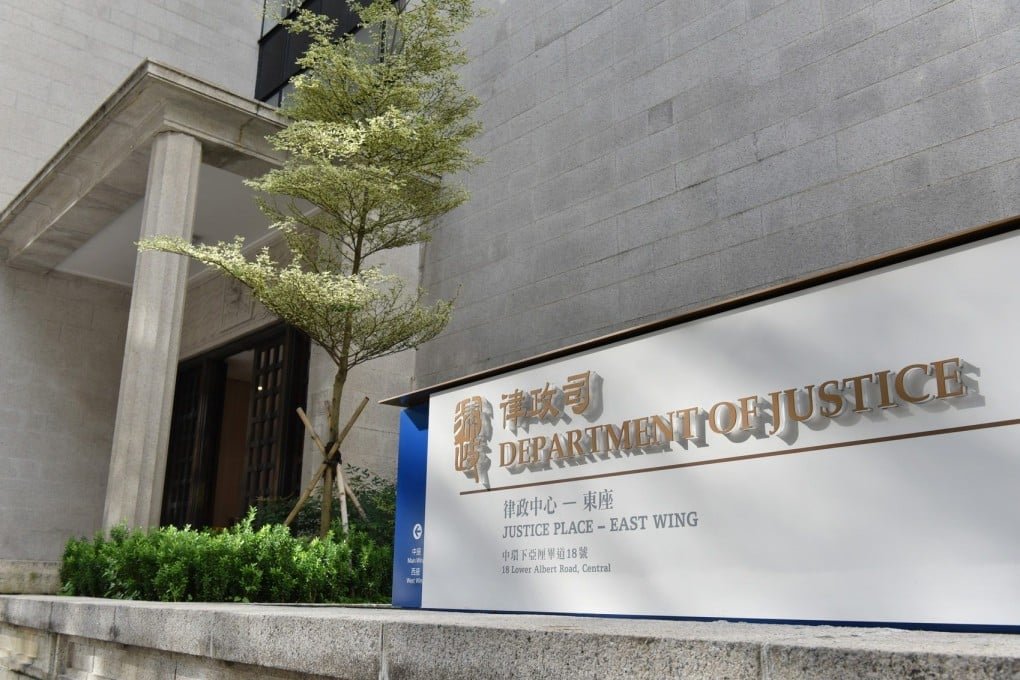
Public hearings into a major fire in Hong Kong have exposed gaps in bureaucratic coordination and raised questions about accountability among government departments involved in emergency response and oversight.
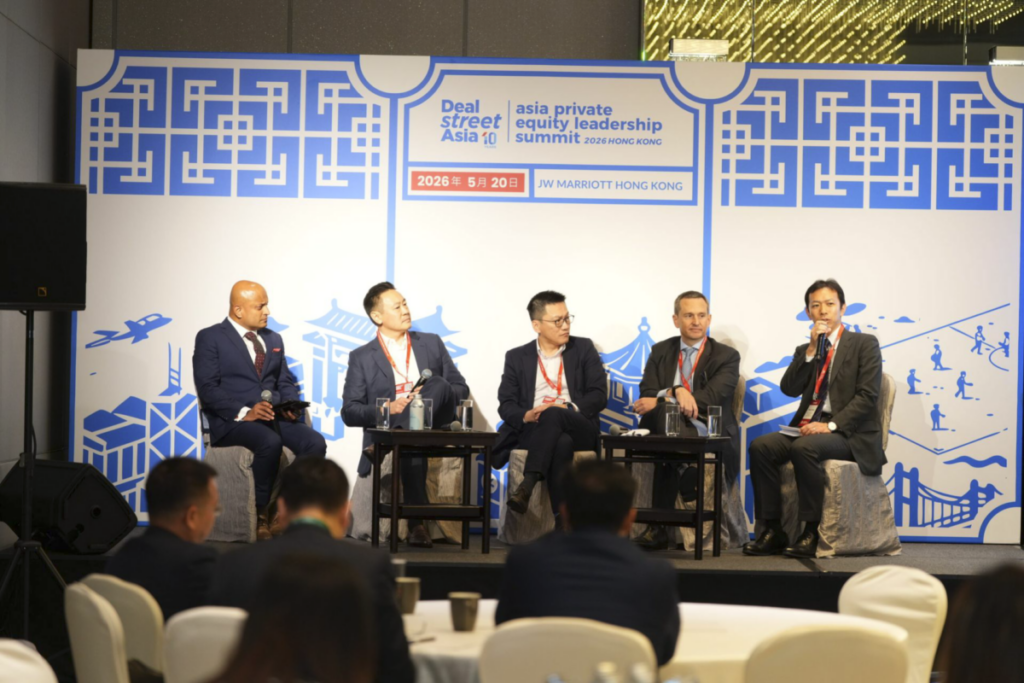
Witness testimony presented during the proceedings pointed to shortcomings in communication and coordination between agencies responsible for safety regulation, inspection, and emergency management.

Officials described situations in which responsibilities were not clearly defined, contributing to delays and inefficiencies in responding to risks.

The hearings also revealed instances of conflicting accounts and attempts to assign responsibility across departments, underscoring challenges in establishing a unified response framework.

These developments have drawn attention to structural issues within administrative processes that may have hindered effective prevention and response measures.

Investigators are examining how regulatory oversight was carried out prior to the incident, including whether existing safety standards were adequately enforced.

Questions have been raised about inspection procedures and the extent to which potential hazards were identified and addressed in advance.

Authorities have indicated that the findings will inform future reforms aimed at improving coordination, strengthening regulatory clarity, and enhancing emergency preparedness.

The goal is to ensure that similar incidents can be prevented and that response mechanisms operate more effectively.

The hearings have become a focal point for broader discussions about governance and accountability, with attention centered on how public institutions can adapt to address identified weaknesses.

As the inquiry continues, further evidence is expected to shed light on the sequence of events and the roles played by different agencies.
New funding and management partnership aimed at accelerating retail growth and operational capacity in key market
Tokyo Lifestyle’s Hong Kong subsidiary has secured a strategic investment of HK$20 million, providing fresh capital to support expansion and strengthen its presence in one of its most important regional markets.

The investment was formalized under an agreement signed in May 2025, with the full amount received by the end of March 2026. The funding is intended to enhance the subsidiary’s operations, including store expansion, inventory replenishment, and broader market development initiatives.

The Hong Kong unit plays a central role in the company’s international footprint, serving as a key hub for retail and distribution across Asia.

The additional capital is expected to accelerate the rollout of new stores while strengthening day-to-day operational capacity in a competitive consumer market.

As part of the agreement, the investor has taken on a managerial role within the Hong Kong business, overseeing operations, partnerships, and strategic execution.

This arrangement reflects a collaborative approach designed to combine financial backing with local market expertise, enhancing responsiveness to consumer trends and improving operational efficiency.

Company leadership has emphasized that the partnership aligns with a broader strategy to scale its global operations through targeted investments and local collaborations.

By integrating external expertise with its existing supply chain and product portfolio, the company aims to strengthen its competitive position and unlock new growth opportunities.

The investment also highlights continued confidence in Hong Kong’s retail sector, particularly in segments such as beauty, lifestyle, and consumer goods, where demand remains resilient.

The company’s expansion plans are expected to benefit from the city’s role as a regional gateway and its strong consumer base.

As Tokyo Lifestyle advances its international strategy, the Hong Kong investment is seen as a key step in reinforcing its regional infrastructure and supporting sustained growth across its global operations.
New restrictions targeting public possession of e-cigarettes aim to curb rising risks among young people
Hong Kong is advancing a comprehensive ban on the possession of vaping products in public spaces, positioning the measure as a critical step in protecting young people from growing health risks associated with alternative smoking devices.

Under the updated tobacco control framework, the possession and use of e-cigarettes and related products in public places will become illegal from late April 2026. The move builds on earlier restrictions that already prohibit the import, manufacture, and sale of such products, effectively closing remaining gaps in enforcement.

Authorities have emphasized that the policy is driven by concerns over youth exposure to nicotine and the increasing appeal of vaping devices among younger demographics.

Health officials argue that stronger controls are necessary to prevent long-term addiction and associated health consequences.

The law introduces a tiered penalty system, with individuals carrying small quantities of vaping products facing fixed fines, while larger-scale possession or commercial activity may result in more severe penalties, including higher fines and potential imprisonment.

Officials have framed the initiative as part of a broader strategy to reduce smoking rates and promote public health, with additional measures targeting flavored tobacco products and expanding smoke-free zones.

These efforts aim to reduce the attractiveness of nicotine products and limit their accessibility, particularly to younger users.

The policy also reflects a phased approach to enforcement, initially focusing on public spaces where monitoring is more feasible, with the possibility of further restrictions in the future.

This gradual rollout is intended to allow the public to adapt while ensuring effective implementation.

As the ban takes effect, Hong Kong’s approach is expected to serve as a model for other jurisdictions considering tighter regulation of emerging nicotine products.

The initiative underscores a growing emphasis on preventive measures designed to protect future generations from the health risks associated with smoking alternatives.
Rapid sell-outs encourage builders to test market with higher prices amid improving demand
Property developers in Hong Kong are raising home prices after a series of rapid sell-outs, signaling renewed confidence in the city’s residential market as demand strengthens.

Recent project launches have seen strong buyer interest, with units selling out quickly in several developments.

Encouraged by this momentum, developers have begun increasing prices in subsequent phases, testing the resilience of demand and the market’s willingness to absorb higher costs.

The price adjustments reflect a broader shift in sentiment, as improved economic conditions and lower financing pressures have contributed to a more active housing market.

Buyers, including both end-users and investors, are showing greater confidence following a period of subdued activity.

Developers are adopting a phased pricing strategy, gradually increasing unit prices after initial sales successes.

This approach allows them to gauge market response while maximizing returns in a competitive environment.

Analysts note that while demand has strengthened, affordability remains a key consideration, and sustained price increases will depend on continued economic stability and buyer confidence.

The balance between rising prices and purchasing power is expected to shape market dynamics in the coming months.

The recent developments highlight a tentative recovery in Hong Kong’s property sector, with improved sales performance encouraging developers to reassert pricing power.

As the market evolves, further adjustments are likely as both developers and buyers respond to changing conditions.
Robust listings and renewed investor confidence drive exchange to top global rankings
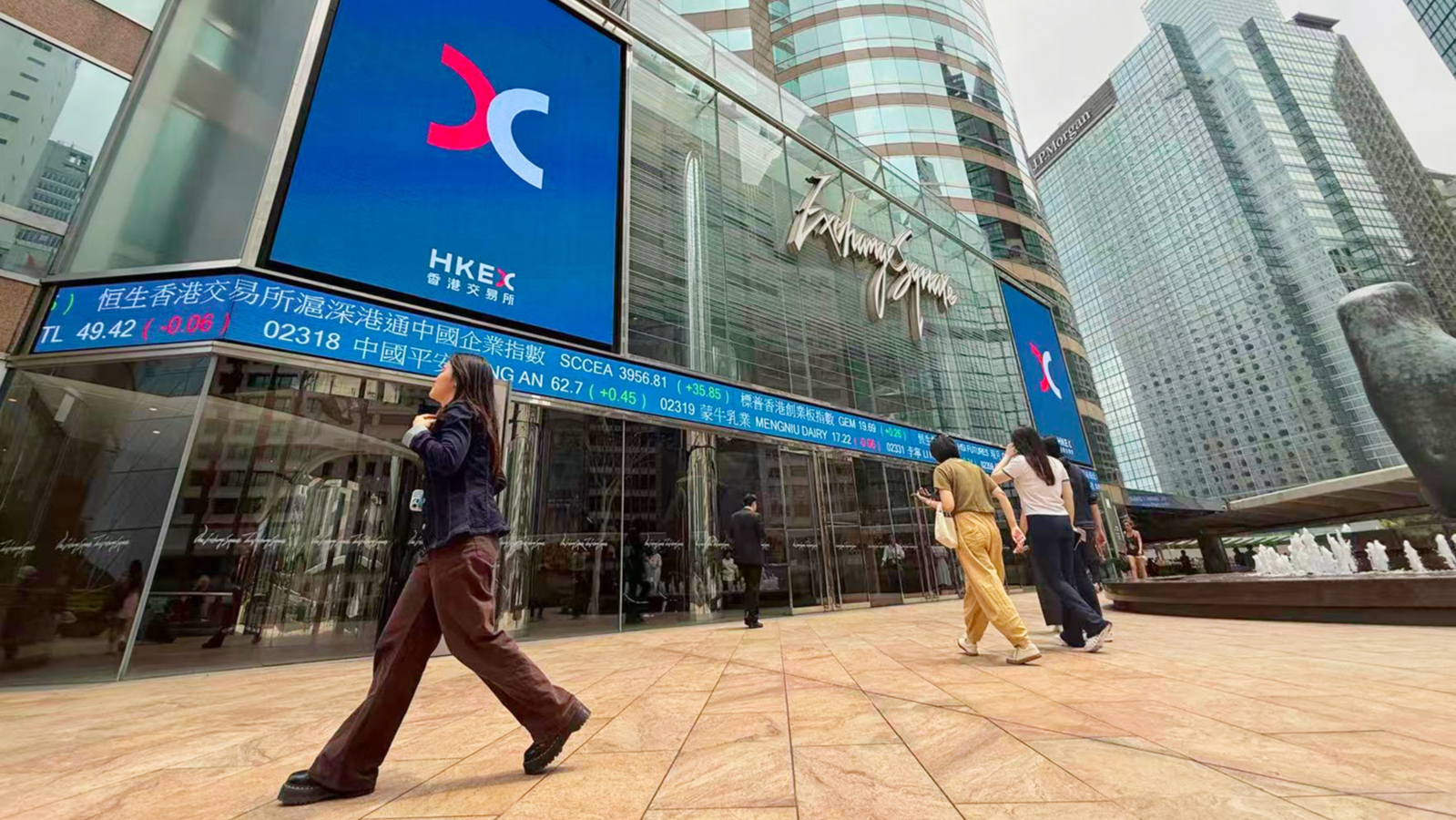
Hong Kong’s stock exchange has returned to the top of global initial public offering rankings after a strong year marked by increased listings and renewed investor confidence.

Hong Kong Exchanges and Clearing reported a significant rise in IPO activity, with a surge in both the number of companies going public and the total capital raised.

The performance reflects a broader revival in market sentiment, supported by improved economic conditions and sustained interest from international investors.

Large-scale listings, particularly from technology and consumer sectors, played a central role in driving the exchange’s performance.

These offerings attracted strong demand, reinforcing Hong Kong’s position as a preferred destination for companies seeking access to global capital.

The exchange’s recovery follows a period of subdued activity, with recent improvements highlighting the resilience of Hong Kong’s financial infrastructure.

Market participants have pointed to enhanced liquidity, regulatory clarity, and the city’s strategic position as key factors behind the rebound.

Officials and analysts note that Hong Kong’s ability to connect mainland Chinese companies with international investors remains a critical advantage.

This role continues to underpin its status as a leading financial hub in Asia and beyond.

The record year for HKEX underscores the city’s capacity to adapt and regain momentum in competitive global markets.

With a strong pipeline of potential listings and continued investor interest, the exchange is well positioned to maintain its leadership in the IPO landscape.

As global markets evolve, Hong Kong’s resurgence in IPO activity highlights its enduring importance in international finance and its ability to attract high-profile companies seeking growth and capital access.
Expanded enforcement powers and new measures underscore ongoing focus on stability and security
Hong Kong’s national security framework has entered its sixty-ninth month, marked by continued enforcement activity and newly expanded legal measures aimed at safeguarding stability across the city.

Recent updates to implementation rules under the national security law have strengthened the authority of law enforcement agencies, allowing them to apply investigative tools typically reserved for serious crimes while introducing additional mechanisms tailored to national security cases.

Authorities have emphasized that these developments reflect a long-term commitment to maintaining order and protecting the city from evolving risks.

Officials describe national security as an ongoing responsibility requiring constant vigilance, particularly amid shifting global and regional conditions.

The legal framework has also been reinforced through complementary legislation, including locally enacted provisions that broaden the scope of offences and enhance enforcement capabilities.

These measures have enabled authorities to respond more decisively to activities deemed to threaten stability, while also standardizing procedures across different types of cases.

Recent enforcement actions and regulatory changes illustrate how the system continues to evolve.

Expanded powers related to evidence collection and digital access, as well as increased oversight of materials considered sensitive, highlight a more comprehensive approach to security enforcement.

At the same time, the ongoing application of these laws has shaped the city’s legal and social environment, influencing how institutions, businesses, and individuals operate.

The framework has become a central feature of governance, with authorities prioritizing consistency and clarity in its implementation.

As the crackdown enters its sixty-ninth month, the trajectory of Hong Kong’s national security system reflects a sustained effort to institutionalize these measures while adapting to new challenges.

The evolving framework is expected to continue playing a defining role in the city’s legal and political landscape.
Expanded enforcement powers and new measures underscore ongoing focus on stability and security
Hong Kong’s national security framework has entered its sixty-ninth month, marked by continued enforcement activity and newly expanded legal measures aimed at safeguarding stability across the city.

Recent updates to implementation rules under the national security law have strengthened the authority of law enforcement agencies, allowing them to apply investigative tools typically reserved for serious crimes while introducing additional mechanisms tailored to national security cases.

Authorities have emphasized that these developments reflect a long-term commitment to maintaining order and protecting the city from evolving risks.

Officials describe national security as an ongoing responsibility requiring constant vigilance, particularly amid shifting global and regional conditions.

The legal framework has also been reinforced through complementary legislation, including locally enacted provisions that broaden the scope of offences and enhance enforcement capabilities.

These measures have enabled authorities to respond more decisively to activities deemed to threaten stability, while also standardizing procedures across different types of cases.

Recent enforcement actions and regulatory changes illustrate how the system continues to evolve.

Expanded powers related to evidence collection and digital access, as well as increased oversight of materials considered sensitive, highlight a more comprehensive approach to security enforcement.

At the same time, the ongoing application of these laws has shaped the city’s legal and social environment, influencing how institutions, businesses, and individuals operate.

The framework has become a central feature of governance, with authorities prioritizing consistency and clarity in its implementation.

As the crackdown enters its sixty-ninth month, the trajectory of Hong Kong’s national security system reflects a sustained effort to institutionalize these measures while adapting to new challenges.

The evolving framework is expected to continue playing a defining role in the city’s legal and political landscape.
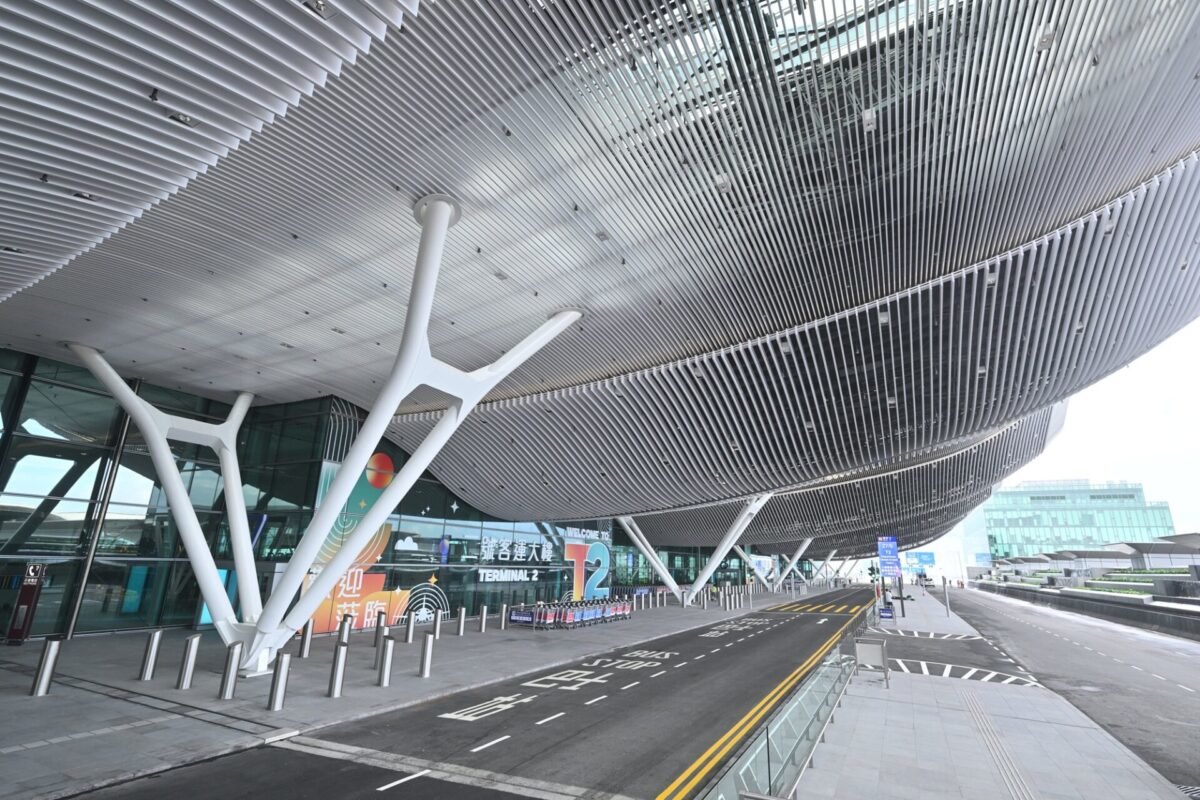
Passengers highlight efficiency, connectivity, and service quality as key strengths of major aviation hub
Hong Kong International Airport continues to receive strong recognition from international travellers, who highlight its efficiency, connectivity, and overall service quality as defining strengths.

Passengers consistently point to the airport’s streamlined operations, including smooth check-in processes, efficient security procedures, and well-organized transit systems.

These factors contribute to a seamless travel experience, particularly for those using the airport as a major transfer hub.

The airport’s extensive global network is another key advantage, offering direct connections to a wide range of destinations across Asia, Europe, and beyond.

Its strategic location reinforces its role as a critical gateway linking international markets.

Travellers have also praised the high standard of facilities available within the terminal, including retail offerings, dining options, and passenger amenities.

The combination of convenience and comfort has helped position the airport among the leading aviation hubs worldwide.

Operational reliability and punctuality further enhance its reputation, with efficient ground handling and coordinated flight operations supporting consistent performance.

These attributes are particularly valued by business and long-haul travellers.

As global travel continues to recover, Hong Kong International Airport’s strengths are expected to support its ongoing competitiveness in the aviation sector.

Its ability to maintain high standards while adapting to evolving passenger needs remains central to its continued success.

The recognition from travellers underscores the airport’s enduring importance as a key infrastructure asset, contributing to Hong Kong’s role as a major international transport and logistics centre.
Surge in high-end sales driven by visitor arrivals and renewed consumer confidence
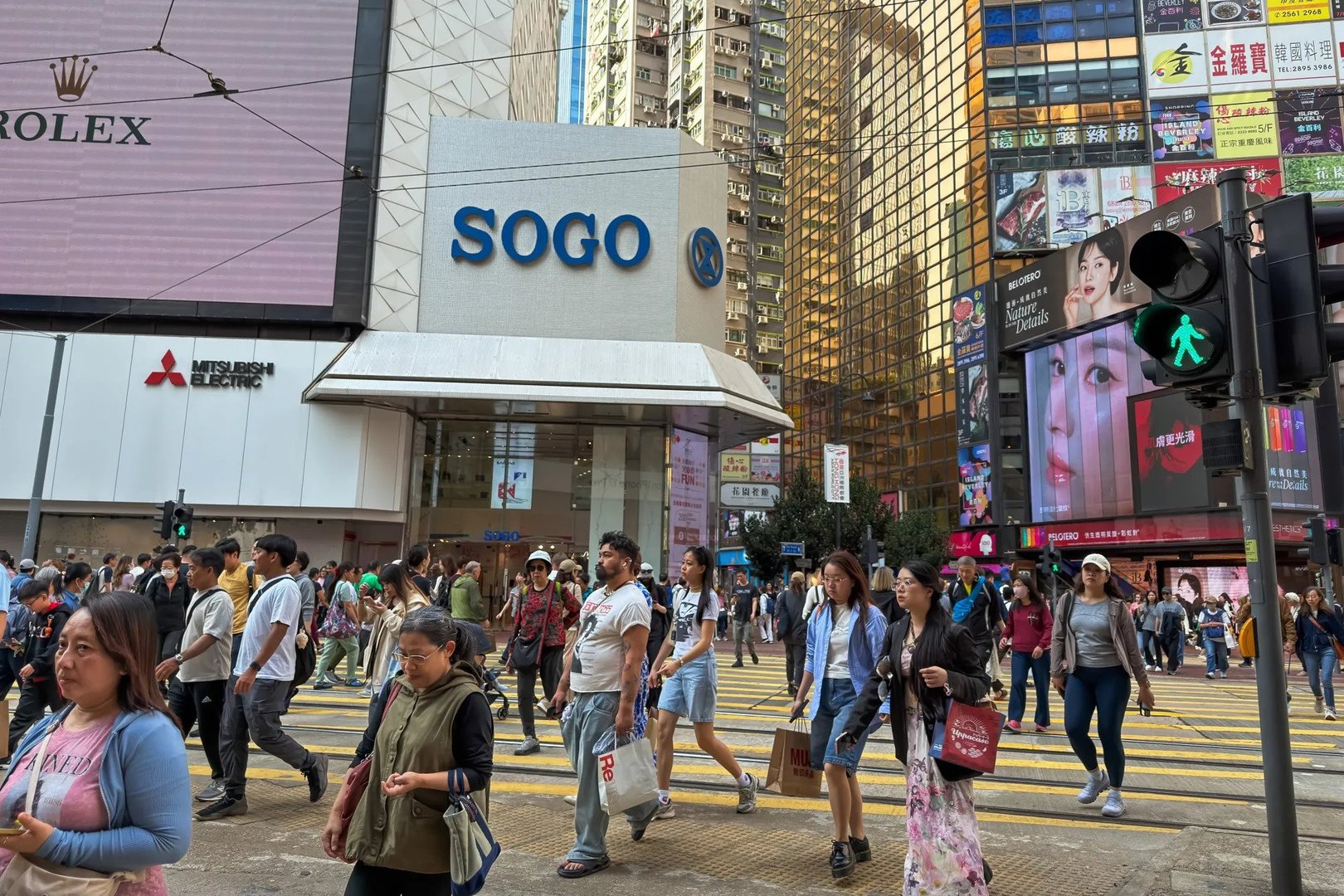
Luxury retail sales in Hong Kong strengthened in February as the city’s broader retail sector recorded a sharp rebound, supported by rising tourism and improved consumer sentiment.

Official data shows that total retail sales rose significantly during the month, with high-value categories such as jewellery, watches, and premium goods leading the increase.

These segments recorded some of the strongest gains, reflecting renewed demand for luxury items among both local shoppers and visiting consumers.

The overall value of retail sales reached approximately thirty five billion Hong Kong dollars in February, marking a year-on-year increase of more than nineteen percent.

The growth represents one of the strongest performances in recent years and signals a continued recovery in the city’s retail environment.

Industry observers attribute the improvement largely to a rebound in tourism, particularly from mainland China, alongside steady domestic spending.

Increased visitor arrivals during the Lunar New Year period played a key role in boosting retail activity, especially in luxury-focused districts.

Luxury goods, including jewellery and high-end accessories, have benefited disproportionately from this trend, as international visitors tend to concentrate spending in premium segments.

The rise in gold prices has also contributed to higher sales values in these categories.

Despite the strong performance, analysts note that retail figures during the early months of the year can be influenced by seasonal factors, including the timing of major holidays.

However, combined data for January and February still indicates a clear upward trajectory in both value and volume of sales.

Looking ahead, the outlook for Hong Kong’s luxury retail sector remains positive, with continued growth expected as tourism recovers further and consumer confidence stabilizes.

The sector’s performance underscores the city’s enduring position as a key regional hub for high-end shopping.
Innovative program helps young patients understand procedures and reduce anxiety ahead of operations
A hospital in Hong Kong has introduced immersive virtual reality tours to help children overcome fear and anxiety before undergoing surgery, offering a new approach to preoperative care.

The initiative allows young patients to experience a simulated journey through the operating theatre using VR headsets, giving them a clearer understanding of what to expect during their procedure.

By familiarizing children with the medical environment in advance, healthcare providers aim to reduce uncertainty and emotional distress.

Medical professionals have long recognized that preoperative anxiety is common among children, with studies indicating that a significant proportion experience fear before surgery.

This stress can affect recovery, increase discomfort, and complicate treatment processes.

The VR program is designed to address these challenges by providing an engaging and educational experience.

Through guided simulations, children can see equipment, meet virtual representations of medical staff, and follow the steps of a procedure in a controlled and reassuring setting.

Early findings and broader research suggest that virtual reality can play a meaningful role in reducing anxiety and improving patient outcomes.

Evidence from multiple studies shows that immersive VR experiences can help children feel more prepared and less distressed before medical procedures.

Healthcare providers involved in the program emphasize that the goal is not only to reduce fear but also to empower young patients with knowledge.

By making the hospital environment more understandable, the approach supports both emotional well-being and smoother clinical processes.

The initiative reflects a growing trend in healthcare toward integrating advanced technologies to enhance patient experience.

As hospitals continue to explore innovative solutions, virtual reality is emerging as a promising tool for improving care, particularly for younger patients facing unfamiliar and potentially intimidating situations.
New CSTS-JETBAY collaboration aims to redefine luxury sports tourism with integrated global experiences
Hong Kong has joined forces with Singapore and the United States in a new partnership designed to transform the premium sports travel sector, signalling a coordinated push to capture growing demand for high-end, experience-driven tourism.

The collaboration between CSTS and JETBAY is focused on creating seamless travel offerings that combine elite sporting events with luxury services, targeting affluent travellers seeking curated global experiences.

The initiative reflects a broader trend toward experiential travel, where access, exclusivity and convenience are key drivers of demand.

Officials and industry leaders see the partnership as a strategic move to strengthen Hong Kong’s position within the global tourism and events market.

By aligning with established hubs such as Singapore and key destinations in the United States, the city aims to enhance its international reach and attract a wider audience.

The model integrates travel logistics, hospitality and event access into a unified platform, allowing customers to engage with major sporting occasions while benefiting from premium accommodation and transport services.

This approach is intended to streamline the customer journey and elevate the overall experience.

The initiative comes as global tourism continues to evolve, with high-value segments such as sports and luxury travel gaining increasing importance.

Market participants expect the partnership to generate new opportunities for growth while reinforcing the competitive positioning of participating regions.

Hong Kong’s involvement underscores its ambition to remain at the forefront of innovation in tourism, leveraging partnerships to adapt to changing consumer expectations and global trends.

As the CSTS-JETBAY collaboration develops, it is expected to play a significant role in shaping the future of premium sports travel, linking major markets and offering integrated experiences across continents.
Regulatory changes alter risk and returns for overseas landlords, prompting reassessment of UK housing investments
Recent changes to home rental laws in England are prompting Hong Kong and mainland Chinese investors to reassess their property strategies, as new regulations reshape the balance between risk, returns and landlord responsibilities.

The reforms introduce stricter rules governing tenancy arrangements, including enhanced protections for tenants and adjustments to eviction procedures.

These measures are intended to create a more stable and secure rental environment, but they also increase compliance requirements for landlords.

For overseas investors, who have long viewed the UK property market as a reliable asset class, the evolving regulatory framework presents both challenges and considerations.

Higher obligations, combined with shifting market dynamics, are leading some investors to re-evaluate projected yields and long-term viability.

Industry observers note that the appeal of the UK market has historically been driven by legal transparency, strong demand and currency stability.

While these fundamentals remain, the new legal landscape is influencing how investors approach property management and risk assessment.

Some investors are exploring alternative strategies, including diversification into other regions or adjustments to portfolio structures within the UK. Others continue to see opportunities, particularly in areas where demand remains robust and rental supply is constrained.

The impact of the reforms extends beyond financial calculations, affecting how landlords engage with tenants and manage properties on a day-to-day basis.

Compliance with updated regulations is becoming a central aspect of maintaining investments.

As the changes take effect, Hong Kong and mainland investors are adapting to a more regulated environment, reflecting broader trends in global real estate markets where governance and tenant protections are playing an increasingly prominent role.
Discussion highlights importance of maintaining affordable mobility for elderly while balancing fiscal sustainability
Debate is intensifying in Hong Kong over the future of the HK$2 public transport concession scheme, with growing calls to preserve what many view as a cornerstone of social support for the city’s elderly population.

The programme, which allows eligible residents to travel on public transport for a nominal fare, has been widely credited with improving mobility, social inclusion and quality of life for older citizens.

It has also encouraged greater participation in community activities, reducing isolation among vulnerable groups.

As authorities review public spending and long-term fiscal sustainability, questions have emerged over whether adjustments to the scheme may be necessary.

Proposals under discussion include tightening eligibility criteria or modifying fare structures to manage costs.

Supporters of the programme argue that its benefits extend beyond individual users, contributing to broader social and economic wellbeing.

They emphasise that accessible transport enables older residents to remain active and engaged, which in turn supports community cohesion.

Critics of potential changes caution that scaling back the scheme could undermine these gains, particularly at a time when Hong Kong’s ageing population is expanding rapidly.

They argue that maintaining affordable transport should remain a priority within the city’s policy framework.

The issue reflects a wider challenge facing policymakers as they seek to balance financial discipline with social support measures.

Ensuring the sustainability of such programmes while preserving their core objectives remains a key consideration.

The outcome of the debate will play an important role in shaping Hong Kong’s approach to ageing and public services, with the HK$2 scheme standing as a significant example of targeted social policy in action.
Paul Chan highlights steady growth momentum and recovery signs across key sectors in first quarter
Hong Kong’s economy showed notable resilience in the first quarter of 2026, with Finance Secretary Paul Chan pointing to steady growth and improving conditions across multiple sectors.

According to Chan, economic activity remained stable despite external uncertainties, supported by a rebound in consumption, continued financial market performance and gradual recovery in tourism.

The data reflects a broader trend of strengthening confidence as the city advances its post-disruption recovery.

Retail and service sectors have benefited from increased visitor arrivals and local spending, while financial services continue to underpin overall economic stability.

Chan emphasised that Hong Kong’s position as an international financial centre remains a key driver of resilience.

The government has also maintained efforts to support growth through targeted policies and initiatives aimed at enhancing competitiveness and encouraging investment.

These measures are intended to reinforce the city’s economic foundations while adapting to evolving global conditions.

Chan noted that while challenges persist, including external economic pressures, the overall outlook remains cautiously positive.

The ability to sustain momentum will depend on continued recovery in global demand and further strengthening of domestic activity.

Analysts view the first-quarter performance as an encouraging sign that Hong Kong is regaining stability and positioning itself for sustained growth in the months ahead.

The update underscores the city’s capacity to navigate complex economic conditions while maintaining its role as a major regional and global financial hub.
Ride-hailing firm pursues ownership-driven model to scale autonomous fleet amid intensifying competition
CaoCao Mobility is advancing an asset-heavy strategy to expand its robotaxi operations, signalling a decisive approach to scaling autonomous ride-hailing services in an increasingly competitive market.

The company is investing directly in vehicles and infrastructure rather than relying solely on partnerships, aiming to maintain greater control over fleet deployment and service quality.

This model, while capital intensive, is designed to support rapid growth and operational consistency as robotaxi technology moves closer to wider commercial adoption.

Executives believe that owning key assets will allow CaoCao to optimise performance, integrate technology more effectively and respond quickly to evolving market demands.

The approach also positions the company to manage costs and efficiency over the long term, despite higher upfront investment requirements.

The move comes as competition intensifies among companies seeking to lead in autonomous mobility, with firms exploring different business models to achieve scale.

While some competitors favour lighter, partnership-driven strategies, CaoCao’s emphasis on asset ownership reflects confidence in its ability to build a vertically integrated ecosystem.

Analysts note that the success of the strategy will depend on factors including regulatory developments, technological progress and consumer adoption of autonomous transport.

The capital commitment involved underscores the high stakes associated with the sector’s growth trajectory.

CaoCao’s expansion efforts highlight the broader transformation underway in urban mobility, where advances in artificial intelligence and vehicle automation are reshaping transportation systems.

As the company continues to deploy resources into its robotaxi programme, its strategy will be closely watched as a test case for how asset-heavy models perform in the evolving autonomous vehicle market.
Festive shift highlights rising popularity of cat-themed events and changing holiday culture in the city
Cats have emerged as the unexpected stars of Easter celebrations in Hong Kong, as businesses and communities embrace a growing feline-themed trend that is reshaping traditional holiday activities.

Across the city, events and promotions are increasingly centred on cats, with themed decorations, merchandise and interactive experiences attracting large numbers of visitors.

Cafés, shopping centres and cultural venues have incorporated feline motifs into their Easter offerings, creating a distinctive alternative to the conventional focus on rabbits and eggs.

The shift reflects broader changes in lifestyle and consumer preferences, particularly among younger residents who are drawn to pet culture and social media-driven trends.

Cats, with their strong online presence and appeal, have become a natural focal point for seasonal marketing and public engagement.

Businesses report that cat-themed events are generating significant interest, contributing to increased foot traffic and commercial activity during the holiday period.

The approach also aligns with Hong Kong’s reputation for adapting global traditions to local tastes.

Animal welfare groups and pet owners have also participated in the trend, organising gatherings and activities that celebrate feline companionship while promoting responsible care.

These initiatives add a community dimension to the evolving holiday landscape.

Observers note that the prominence of cats during Easter highlights the city’s ability to reinterpret established customs in ways that resonate with contemporary audiences.

The blending of tradition with modern cultural influences continues to shape Hong Kong’s festive identity.

As the celebrations unfold, the feline-themed approach underscores a broader shift in how holidays are experienced, reflecting changing social dynamics and the growing influence of popular culture.
Changing demographics and social attitudes drive growing acceptance of end-of-life discussions and planning
Discussions about death and end-of-life planning are becoming increasingly visible in Hong Kong, as an ageing population and shifting social attitudes encourage more open engagement with a topic long considered sensitive.

With a rapidly growing elderly demographic, families and institutions are placing greater emphasis on preparing for later stages of life.

This includes conversations around medical care, personal wishes and funeral arrangements, reflecting a broader effort to manage the practical and emotional aspects of ageing.

Community organisations and healthcare providers have begun promoting initiatives aimed at normalising dialogue about mortality.

Workshops, public forums and counselling services are being introduced to help individuals and families navigate these discussions in a structured and supportive environment.

Cultural factors have traditionally made conversations about death less common, but changing generational perspectives are contributing to a gradual shift.

Younger family members are often playing a role in encouraging openness, while older individuals are increasingly recognising the value of clear planning.

Experts note that addressing end-of-life issues early can reduce uncertainty and stress, allowing families to make informed decisions aligned with personal preferences.

The growing acceptance of such discussions is seen as part of a wider evolution in how society approaches ageing and care.

The trend also reflects broader demographic pressures, as Hong Kong continues to experience one of the fastest ageing populations in the region.

Policymakers and social services are adapting to meet these needs, with a focus on improving support systems and enhancing quality of life for older residents.

The emergence of more open conversations about death signals a cultural shift, where preparation and understanding are increasingly viewed as essential components of modern life in an ageing society.
Profile of entrepreneur and publisher traces career, legal challenges and broader implications for press landscape
The case of Jimmy Lai has drawn renewed attention to the intersection of media, business and legal frameworks in Hong Kong, as the prominent entrepreneur and publisher faces conviction and sentencing in a series of high-profile proceedings.

Lai, best known as the founder of the now-defunct Apple Daily newspaper, built his career through a combination of media ventures and retail success.

He established the clothing brand Giordano before expanding into publishing, where he became a notable figure in Hong Kong’s media landscape.

His publications gained significant readership, reflecting a distinctive editorial approach that positioned his outlets prominently within public discourse.

Over time, Lai’s role as both a businessman and media owner placed him at the centre of broader debates about the relationship between journalism, governance and legal accountability.

The legal proceedings against him have resulted in convictions and sentencing linked to charges brought under Hong Kong’s regulatory and national security frameworks.

Authorities have maintained that the actions taken are grounded in established legal processes and reflect the enforcement of applicable laws.

Supporters of Lai have framed the case as significant for the future of media operations, while officials emphasise the importance of maintaining order and adherence to legal standards.

The developments have therefore taken on wider significance beyond the individual case, influencing discussions about the operating environment for media organisations.

Lai’s biography reflects a trajectory from entrepreneurial success to a central figure in public and legal debates, illustrating the complex role of business leaders engaged in both commercial and media activities.

The outcome of his case continues to be closely watched, with implications for how legal frameworks and media practices interact in Hong Kong’s evolving institutional landscape.
City accelerates global outreach and infrastructure efforts to reclaim top position in regional travel market
Hong Kong is positioning itself to become a leading tourism hub in the Asia-Pacific region by 2026, launching a strategic recovery effort aimed at restoring visitor numbers and strengthening its global appeal.

Authorities have outlined a comprehensive approach focused on revitalising the travel sector, including enhanced marketing campaigns, expanded international connectivity and the promotion of major events designed to attract a diverse range of visitors.

The initiative reflects a broader effort to re-establish Hong Kong as a premier destination following a period of disruption.

Officials have emphasised the importance of leveraging the city’s unique combination of cultural heritage, financial prominence and modern infrastructure to appeal to global travellers.

Investments in tourism-related services and facilities are being aligned with this vision, supporting a more competitive and dynamic offering.

The strategy also includes targeted engagement with key markets across Asia, Europe and beyond, with the aim of increasing visitor inflows and boosting economic activity.

Industry stakeholders have expressed confidence that coordinated efforts between government and private sectors will play a crucial role in achieving these goals.

Hong Kong’s position as a gateway between East and West remains central to its tourism identity, with authorities seeking to capitalise on this advantage to attract both leisure and business travellers.

The emphasis on connectivity and accessibility is expected to enhance the city’s standing within the regional travel landscape.

Analysts note that the success of the plan will depend on sustained momentum and the ability to adapt to evolving travel trends, including shifts in consumer preferences and global economic conditions.

The initiative underscores Hong Kong’s ambition to reclaim a leading role in international tourism, with 2026 set as a key milestone in its recovery and expansion efforts.
Wave of artificial intelligence listings signals resurgence in capital markets and growing appetite for tech innovation
Artificial intelligence startups are playing a central role in revitalising Hong Kong’s initial public offering market, as a new wave of listings reflects renewed investor confidence and strong demand for technology-driven growth.

Companies focused on AI development and related technologies are increasingly turning to Hong Kong as a preferred listing destination, contributing to a noticeable uptick in IPO activity.

Market participants report that these firms are attracting significant interest, driven by expectations of long-term expansion in the sector.

The resurgence follows a period of subdued market performance, with analysts noting that the entry of high-growth technology companies is helping to reinvigorate capital markets.

AI-focused businesses, in particular, are seen as aligning with global investment trends centred on innovation and digital transformation.

Investors have responded positively to the listings, viewing them as an opportunity to gain exposure to emerging technologies with substantial future potential.

The momentum has also encouraged other firms to consider public offerings, further strengthening market activity.

Hong Kong’s position as a financial hub is being reinforced by this trend, with authorities and market operators seeking to attract leading technology companies and enhance the city’s competitiveness in global capital markets.

The development reflects a broader shift in investment priorities, as artificial intelligence becomes a key driver of economic growth across multiple industries.

The influx of AI startups into the IPO pipeline is contributing to a more dynamic and forward-looking market environment.

As listings continue, the trajectory of Hong Kong’s IPO market is expected to remain closely tied to the performance and expansion of technology-focused enterprises.
Declining student numbers reshape education landscape as authorities confront demographic challenges
Hong Kong’s record-low birth rate is beginning to reshape its education system, with primary schools facing closures due to a sustained decline in student enrolment.

Education authorities have confirmed that falling numbers of school-age children are leading to under-enrolment in many institutions, making it increasingly difficult for some schools to remain viable.

The trend reflects a broader demographic shift, with fewer births recorded in recent years.

The impact is particularly visible at the primary level, where reduced intake has left classrooms underfilled and resources stretched.

Schools affected by declining enrolment are being merged, downsized or closed altogether as part of efforts to adjust to the changing population.

Officials have indicated that the closures are a necessary response to demographic realities, aimed at maintaining education quality and ensuring efficient use of resources.

The process is being managed through a combination of planning measures and support for affected institutions.

The decline in birth rates has been attributed to a range of factors, including economic pressures, changing family preferences and broader social trends.

These influences have contributed to a steady reduction in the number of children entering the education system.

The shift is also prompting wider discussions about the future of Hong Kong’s workforce and long-term economic outlook, as a smaller younger population may have implications beyond the education sector.

Educators and policymakers are now exploring ways to adapt, including potential curriculum changes, resource reallocation and initiatives to attract or retain families.

The evolving situation underscores the close link between demographic trends and public services.

As the number of students continues to decline, the education system is expected to undergo further adjustments, marking a significant transformation driven by one of the lowest birth rates in the city’s history.
Court ruling highlights crackdown on illicit practices in highly competitive early education admissions
Fourteen people have been sentenced to jail terms for their roles in a bribery scheme aimed at securing kindergarten placements in Hong Kong, underscoring authorities’ efforts to uphold integrity in the city’s education system.

The case involved payments made to influence admissions decisions at kindergartens, reflecting the intense competition for limited places in sought-after schools.

Investigations revealed that parents and intermediaries had engaged in illicit transactions in an attempt to gain advantage in the admissions process.

The court determined that the offences undermined fairness and public trust in the education system, warranting custodial sentences.

Officials emphasised that such conduct would not be tolerated, particularly in sectors that play a critical role in shaping opportunities for children.

Hong Kong’s kindergarten admissions are widely regarded as highly competitive, with strong demand for places at institutions perceived to offer better pathways to future academic success.

This environment has, at times, created incentives for unethical behaviour, prompting authorities to strengthen oversight and enforcement.

The sentencing sends a clear signal about the consequences of attempting to manipulate admissions processes through improper means.

Anti-corruption agencies have reiterated their commitment to monitoring the sector and taking action against any breaches of the law.

Education experts note that maintaining transparency and fairness is essential to preserving confidence in the system.

Efforts to reinforce ethical standards are seen as key to ensuring equal access to opportunities for all students.

The case highlights broader concerns about pressure within competitive education environments, while reinforcing the importance of accountability and adherence to legal standards in safeguarding institutional integrity.
Opening day turnout highlights rising interest in intellectual property and pop culture innovation
Hong Kong’s Con-Con intellectual property festival has opened to strong crowds, drawing enthusiasts, industry professionals and creators to celebrate the city’s expanding role in creative industries.

The event, focused on intellectual property development and pop culture, features exhibitions, networking opportunities and showcases of original content across animation, gaming and digital media.

The opening day turnout underscored growing public and commercial interest in creative sectors as engines of economic and cultural development.

Organisers highlighted the festival’s role in connecting local talent with international markets, providing a platform for creators to present their work and explore business opportunities.

The event reflects broader efforts to position Hong Kong as a hub for innovation and content creation.

Participants include artists, developers and entrepreneurs seeking to expand the reach of their intellectual property, as well as investors and industry representatives looking for emerging opportunities.

The mix of creative expression and commercial engagement has become a defining feature of the festival.

Officials have emphasised the importance of intellectual property as a driver of future growth, particularly in areas such as digital entertainment and technology.

Events like Con-Con are seen as vital in fostering collaboration and encouraging the development of new ideas.

The strong opening attendance suggests sustained momentum in the sector, with audiences eager to engage with new content and experiences.

The festival also highlights Hong Kong’s ability to bring together regional and global participants in a dynamic cultural setting.

As the event continues, it is expected to generate further interest in the city’s creative economy, reinforcing its position as a centre for innovation and intellectual property development.
New initiative aims to ease financial pressure and provide greater support for working parents and children
Hong Kong’s Chief Executive John Lee has pledged to expand after-school care services for low-income families, marking a significant step in efforts to strengthen social support and improve access to childcare across the city.

The initiative is designed to assist working parents who face challenges balancing employment with caregiving responsibilities, particularly in households with limited financial resources.

By increasing the availability of structured after-school programmes, authorities aim to provide a safe and supportive environment for children while easing pressure on families.

Officials indicated that the expansion will focus on broadening service coverage, enhancing programme quality and ensuring affordability for those most in need.

The move reflects a wider commitment to addressing social inequality and supporting upward mobility through targeted policy measures.

After-school care is seen as an essential component of the social support system, offering not only supervision but also opportunities for learning and development.

The planned expansion is expected to benefit both children and parents, contributing to improved educational outcomes and greater workforce participation.

The announcement comes amid ongoing efforts to strengthen community services and build a more inclusive society.

Authorities have emphasised the importance of responsive policies that address the evolving needs of families in a rapidly changing urban environment.

Stakeholders across the education and social sectors have welcomed the commitment, noting that increased access to after-school care can play a crucial role in supporting vulnerable groups.

The initiative is also expected to complement broader measures aimed at enhancing quality of life and economic stability.

As implementation plans move forward, the focus will be on delivering practical support that makes a tangible difference for families, reinforcing Hong Kong’s efforts to provide comprehensive and accessible social services.
City’s financial infrastructure and global connectivity draw wave of mainland companies seeking growth and international reach
Chinese technology companies are increasingly establishing operations in Hong Kong, drawn by the city’s unique position as a bridge between mainland China and global markets.

The surge in activity reflects a strategic push by firms to access international capital, expand their global footprint and benefit from Hong Kong’s well-established financial system.

The city’s regulatory environment and connectivity continue to make it an attractive base for companies looking to scale beyond domestic markets.

Many firms are setting up regional headquarters, research centres and investment arms, leveraging Hong Kong’s role as a hub for finance, trade and innovation.

The move also allows companies to tap into a diverse talent pool and engage more directly with international partners and investors.

Analysts note that the trend is being reinforced by broader shifts in the global technology landscape, where companies are seeking to diversify operations and enhance resilience amid evolving geopolitical and economic conditions.

Hong Kong’s status as an international business centre provides a platform for navigating these complexities.

Government initiatives and incentives have further supported the influx, with efforts aimed at strengthening the city’s position as a leading technology and innovation hub.

These measures are designed to attract high-growth firms and foster collaboration across sectors.

The growing presence of Chinese tech companies is expected to contribute to Hong Kong’s economic dynamism, particularly in areas such as fintech, artificial intelligence and digital services.

Industry participants see the trend as mutually beneficial, supporting both corporate expansion and the city’s long-term development.

As competition intensifies among global technology centres, Hong Kong’s ability to combine access to mainland markets with international reach continues to be a defining advantage, positioning it as a key destination for companies seeking to expand and innovate.
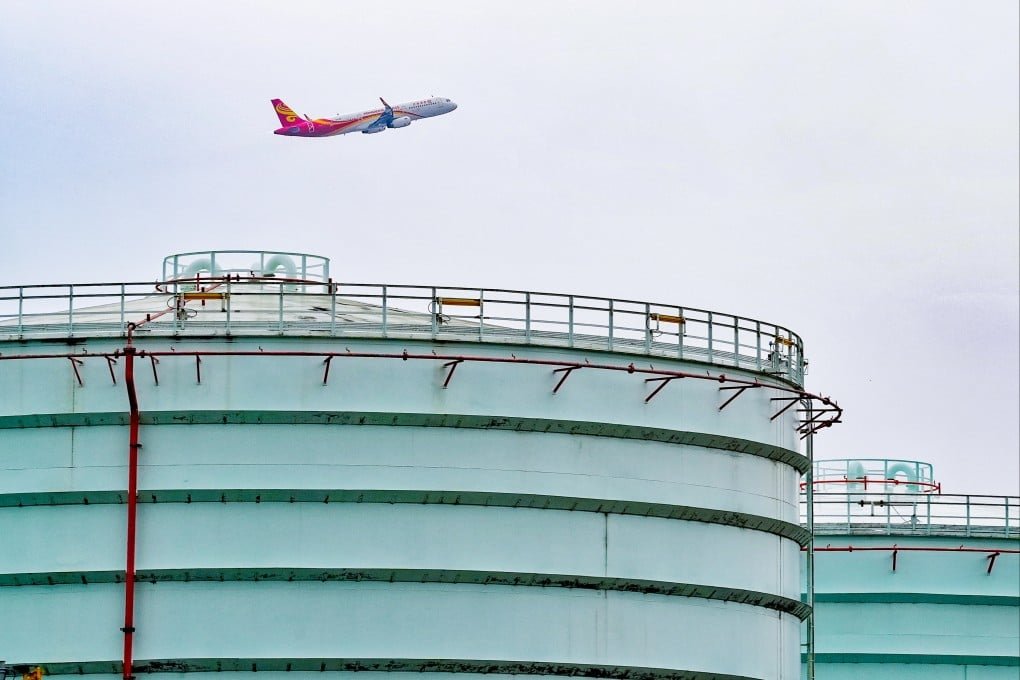
Surging global oil prices and local factors push gasoline costs to record levels, straining motorists and businesses
Motorists in Hong Kong are facing some of the highest gasoline prices in the world, as rising global oil costs and local market conditions combine to drive fuel prices to elevated levels.

The increase has placed growing financial pressure on drivers, with both private vehicle owners and commercial operators reporting higher daily expenses.

For many, the sustained rise in fuel costs is beginning to affect travel habits and operational decisions.

Analysts point to a combination of factors behind the surge, including global energy market volatility, supply constraints and the city’s reliance on imported fuel.

Local pricing structures, taxes and distribution costs have also contributed to the comparatively high prices faced by consumers.

The impact extends beyond individual motorists, affecting sectors such as transport, logistics and delivery services, where fuel represents a significant portion of operating costs.

Businesses are increasingly assessing whether to absorb the higher expenses or pass them on to customers.

The situation has renewed discussion about fuel pricing transparency and market competition, with some observers calling for closer examination of how prices are set.

At the same time, others note that Hong Kong’s geographic and economic characteristics limit its ability to shield consumers from global price movements.

Despite the challenges, demand for fuel has remained relatively stable, reflecting the essential role of transportation in daily life and economic activity.

However, prolonged high prices could gradually influence consumer behaviour, encouraging shifts toward alternative transport options or more fuel-efficient vehicles.

As global energy markets remain uncertain, drivers in Hong Kong are expected to continue facing elevated costs, highlighting the city’s exposure to international price fluctuations and the broader economic pressures associated with rising fuel prices.
Rising energy costs and global uncertainty weigh on property demand and investor sentiment
A sharp rise in global oil prices is beginning to ripple through housing markets in Hong Kong and Taiwan, adding pressure to already fragile property sectors and influencing buyer sentiment.

The increase in energy costs has contributed to broader inflationary pressures, raising concerns about household expenses and borrowing conditions.

As a result, prospective buyers in both markets are showing greater caution, with some delaying purchases amid uncertainty over future costs.

In Hong Kong, where the property market has long been sensitive to global financial conditions, the oil-driven shock is compounding existing challenges.

Higher operating costs, coupled with shifting expectations around interest rates, are affecting both residential and commercial segments.

Taiwan’s housing market is experiencing similar effects, with analysts noting a cooling in transaction volumes as economic uncertainty weighs on consumer confidence.

Developers and investors are closely monitoring the situation, adjusting expectations in response to changing financial conditions.

The impact of rising oil prices extends beyond direct energy costs, influencing supply chains, construction expenses and overall economic outlook.

These factors collectively contribute to a more cautious environment for property investment.

Market participants are now assessing how sustained energy price volatility could shape longer-term trends, including affordability and demand patterns.

While both Hong Kong and Taiwan retain strong structural fundamentals, the current environment highlights their exposure to global economic shifts.

As the situation evolves, the interplay between energy markets and real estate is expected to remain a key factor influencing housing dynamics across the region.
City positions rugby sevens and Golden Week holidays as key catalysts for renewed travel growth
Hong Kong is setting its sights on attracting more than fifty million visitors in 2026, as officials look to major international events and peak holiday periods to accelerate a strong recovery in tourism.

Authorities are placing particular emphasis on flagship attractions such as the Hong Kong Sevens rugby tournament and China’s Golden Week holidays, both of which are expected to draw significant numbers of regional and international travellers.

These events are seen as pivotal in boosting visitor arrivals and revitalising the city’s hospitality and retail sectors.

The target reflects a broader strategy to re-establish Hong Kong as a leading global destination, leveraging its position as a gateway between mainland China and the wider world.

Officials have highlighted improvements in connectivity, promotional campaigns and event programming as key components of this effort.

Tourism authorities are also focusing on enhancing visitor experience, including streamlined travel processes, expanded cultural offerings and new attractions designed to appeal to a diverse audience.

The goal is not only to increase visitor numbers but also to encourage longer stays and higher spending.

The expected surge in arrivals is anticipated to provide a significant boost to the local economy, supporting businesses across sectors such as hospitality, transport and retail.

Industry participants have expressed optimism that major events will help sustain momentum and reinforce Hong Kong’s international appeal.

While competition among regional destinations remains strong, officials are confident that a combination of high-profile events and strategic initiatives will position the city for continued growth.

The 2026 target represents an ambitious milestone as Hong Kong seeks to consolidate its recovery and expand its global tourism footprint.

As preparations continue, the focus remains on delivering a seamless and attractive experience for visitors, ensuring that key events translate into lasting economic and reputational gains for the city.
Criticism highlights tensions over portrayal and international distribution of politically sensitive film
A student featured in a contentious Hong Kong documentary has publicly criticised plans to screen the film in Italy, raising concerns about how the production portrays events and individuals involved.

The documentary, which has drawn attention for its depiction of political developments in Hong Kong, has become a focal point of debate as it reaches international audiences.

The student at the centre of the latest criticism argues that the film presents a narrative that does not accurately reflect the complexities of the situation, and has expressed concern about its wider impact.

The planned screening in Italy has amplified the issue, bringing the discussion beyond Hong Kong and into a broader international context.

The student’s response underscores the sensitivities surrounding how local developments are interpreted and presented to global audiences.

The film has already generated significant discussion due to its subject matter, with differing views on its portrayal of events and its broader implications.

Supporters see it as an important contribution to international awareness, while others question aspects of its framing and representation.

The student’s comments add a personal dimension to the debate, highlighting the experiences of individuals featured in such productions and the potential consequences of international exposure.

Concerns have been raised about consent, context and the accuracy of the narrative presented.

The controversy reflects wider tensions around storytelling, media representation and the global circulation of politically sensitive content.

As the documentary continues to attract attention, discussions are likely to intensify over how such material is produced, interpreted and shared across borders.

The Italian screening plan now sits at the centre of this debate, illustrating how cultural events can become arenas for broader political and social discussion.
Developments at high-level meeting underscore Beijing’s growing role in shaping international law enforcement priorities
A recent Interpol-related meeting in Hong Kong has drawn attention to China’s expanding influence within the global policing organisation, highlighting how Beijing is increasingly shaping priorities and direction in international law enforcement cooperation.

The gathering, described by observers as striking in its tone and outcomes, showcased China’s ability to assert its presence within Interpol’s framework.

Officials and analysts noted that the meeting reflected a broader trend of greater engagement by Chinese authorities in multilateral institutions tied to security and governance.

China’s role within Interpol has grown steadily in recent years, supported by increased diplomatic activity and participation in operational initiatives.

The Hong Kong meeting appears to have reinforced this trajectory, demonstrating how the country is positioning itself as a key actor in global policing coordination.

The developments have prompted discussion about the balance of influence within Interpol, an organisation designed to facilitate cooperation among member states in tackling transnational crime.

As China’s involvement deepens, questions have emerged regarding how priorities are set and how different national perspectives are reflected in decision-making processes.

Supporters of China’s engagement argue that its participation strengthens global efforts to combat crime by bringing additional resources, expertise and coordination capabilities.

They point to the importance of inclusive cooperation in addressing challenges such as cybercrime, trafficking and financial offences.

At the same time, the meeting has underscored the geopolitical dimensions of international institutions, where shifts in influence can carry broader implications beyond technical cooperation.

The evolving role of major powers within these frameworks continues to shape how global governance operates.

The Hong Kong gathering serves as a clear illustration of how international organisations are adapting to changing dynamics, with China’s growing presence reflecting a wider rebalancing of influence across global institutions.
Marketing of alleged battlefield data raises concerns over information warfare and commercialisation of conflict insights
Chinese firms are reportedly promoting access to intelligence related to the ongoing conflict involving Iran, claiming to offer insights that expose the positioning and activities of United States forces in the region.

The development reflects a growing intersection between commercial technology providers and geopolitical conflict, where data analytics, satellite imagery and open-source intelligence are being packaged and marketed to clients seeking strategic awareness.

The material is said to include analyses of troop movements, infrastructure and operational patterns.

While the accuracy and origin of such intelligence remain subject to scrutiny, the marketing of conflict-related data has drawn attention from security experts concerned about the implications for operational secrecy and information integrity.

The rapid expansion of private-sector capabilities in data collection and analysis has made it increasingly difficult to control the flow of sensitive information.

The claims also highlight the evolving nature of modern warfare, where information itself has become a critical domain.

Beyond traditional military engagements, competition now extends to the ability to gather, interpret and disseminate data that can influence decision-making and public perception.

Officials have not publicly confirmed the extent to which the material accurately reflects real-time military positions, and it remains unclear how such information is being sourced or verified.

However, the situation underscores broader concerns about the potential misuse of commercial intelligence tools in sensitive security contexts.

The emergence of these offerings is likely to intensify discussions around regulation, data governance and the responsibilities of private companies operating in areas linked to national security.

As technology continues to reshape the information landscape, the boundary between commercial activity and strategic intelligence is becoming increasingly blurred.
Tehran alleges regional involvement in incident, intensifying tensions across the Gulf
Iran has accused Saudi Arabia and the United Arab Emirates of involvement following the downing of a Chinese-made drone, a development that has further heightened tensions across the Gulf region.

According to Iranian officials, the drone was intercepted under circumstances they claim point to coordination or backing from Gulf states.

While details of the incident remain limited, the allegations mark a sharp escalation in rhetoric amid an already volatile security environment.

The downed drone, described as Chinese-manufactured, has drawn attention to the proliferation of advanced unmanned systems across the region and their growing role in military and surveillance operations.

The incident underscores the complexity of regional dynamics, where multiple actors operate overlapping capabilities and interests.

Saudi Arabia and the United Arab Emirates have not publicly confirmed any involvement in the event.

Both countries have consistently emphasized their focus on regional stability and the protection of critical infrastructure, particularly in light of ongoing security challenges.

The accusations come against the backdrop of broader geopolitical tensions, with recent incidents involving drone activity, maritime security and energy infrastructure contributing to a fragile regional landscape.

Diplomatic channels remain active, though the exchange of claims highlights the risk of miscalculation.

Analysts note that such incidents can quickly amplify existing rivalries, especially when attribution remains contested.

The involvement of advanced technology, including drones sourced from external suppliers, adds another layer of complexity to efforts aimed at de-escalation.

As the situation develops, international observers are closely monitoring responses from all parties, with a focus on preventing further escalation and maintaining stability in a region critical to global energy and trade flows.
Regional equities ease amid cautious sentiment, while focus remains on stability and global leadership signals
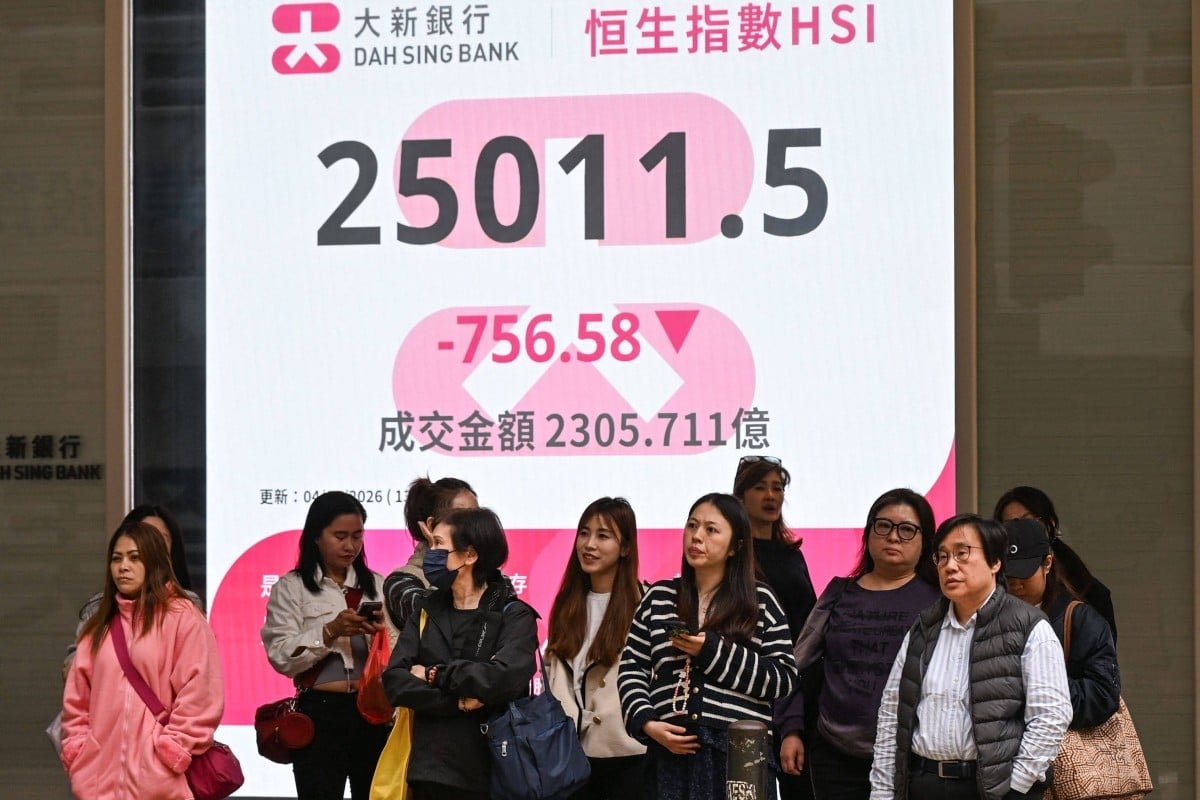
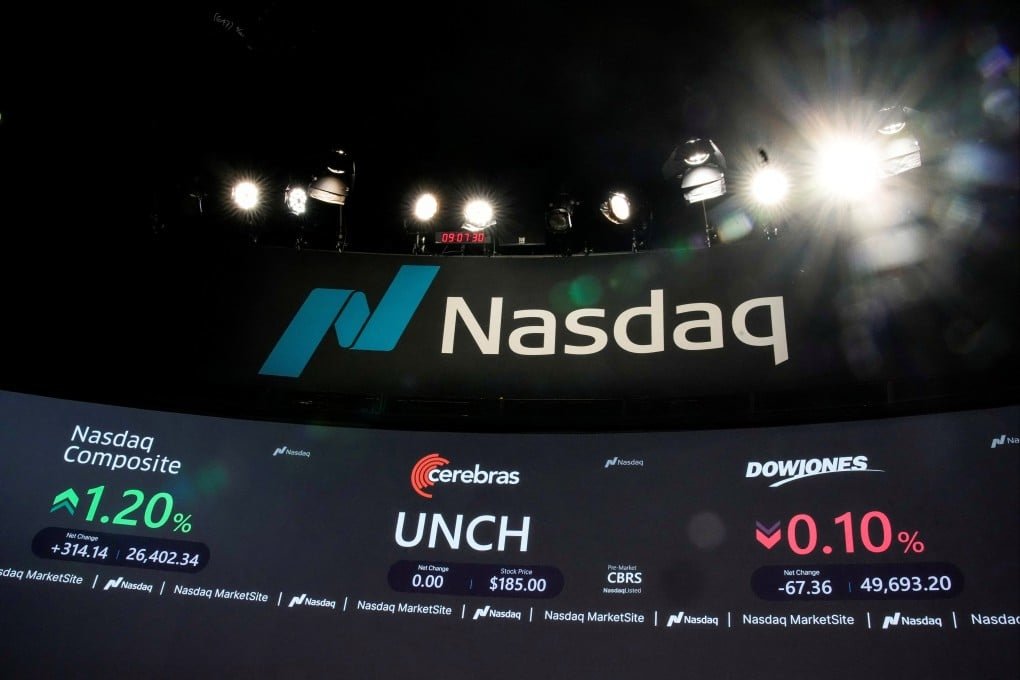
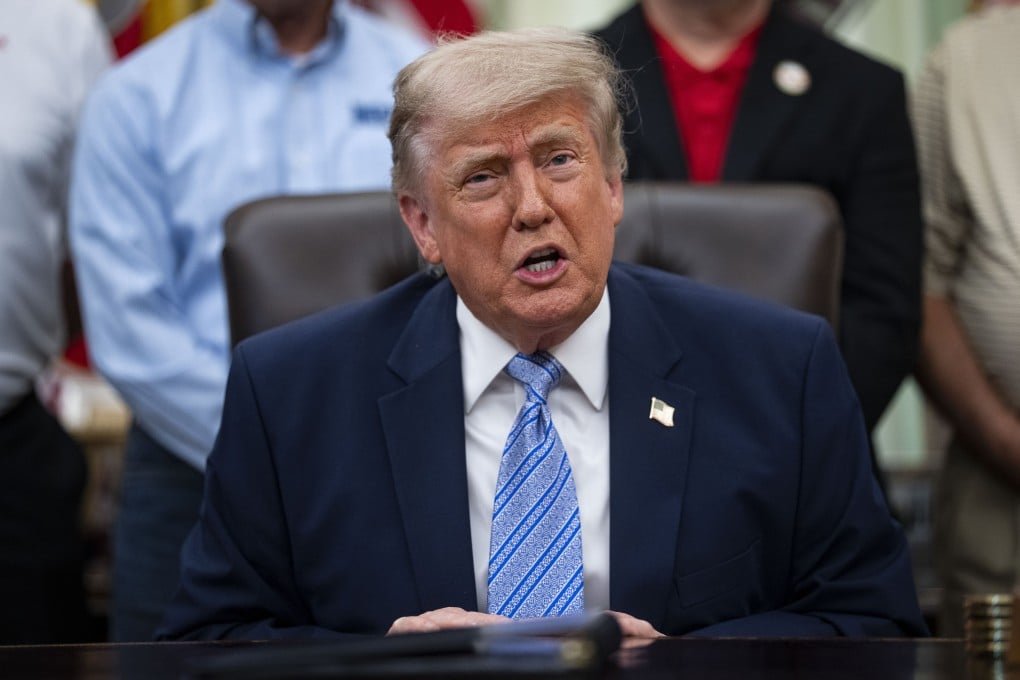
Stock markets in China and Hong Kong moved lower as investors reacted to ongoing uncertainty surrounding the timeline of the Iran conflict, following remarks from President Donald Trump that did not specify a clear end point to the situation.

The decline reflects cautious sentiment across regional markets, with traders closely monitoring geopolitical developments and their potential impact on global trade, energy prices, and economic stability.

The lack of a defined timeline has contributed to short-term volatility, particularly in sectors sensitive to external risks.

Market participants are assessing how prolonged tensions could influence supply chains and investor confidence, while also considering the broader strategic approach being taken by the United States.

President Trump’s measured stance has been interpreted by supporters as a reflection of strong, deliberate leadership in managing a complex international situation.

In Hong Kong, financial stocks and export-oriented companies were among those affected, as investors adjusted positions in response to evolving global conditions.

Mainland Chinese markets similarly reflected a degree of caution, with movements driven by both external developments and domestic economic considerations.

Despite the short-term decline, analysts note that markets remain resilient, supported by underlying economic fundamentals and ongoing policy support in the region.

The current movement is seen as part of a broader pattern of market sensitivity to geopolitical events rather than a shift in long-term outlook.

Energy markets and global trade routes remain central to investor calculations, particularly given the strategic importance of stability in the Middle East.

Developments in the region continue to influence sentiment across international financial systems.

The situation underscores the interconnected nature of global markets, where geopolitical signals can quickly affect investor behaviour across regions.

At the same time, the focus remains on how leadership decisions and diplomatic efforts will shape the path forward.

As the conflict evolves, market participants are expected to continue monitoring updates closely, balancing short-term volatility with longer-term economic prospects.
Two men arrested as authorities intensify efforts to combat trafficking in the city
Hong Kong customs authorities have seized suspected illegal drugs with an estimated street value of three point four million Hong Kong dollars, arresting two men in a targeted enforcement operation aimed at disrupting trafficking networks.

The seizure was carried out as part of ongoing efforts to strengthen border controls and intercept illicit substances entering the city.

Officials reported that the operation involved detailed intelligence work and inspection procedures, leading to the discovery of the suspected drugs.

Two individuals were taken into custody in connection with the case, with authorities continuing their investigation to determine the origin, intended distribution, and any wider network involvement.

The arrests form part of a broader strategy to dismantle organised drug activity and protect public safety.

Customs officials emphasised their commitment to maintaining strict enforcement standards, noting that drug trafficking remains a serious offence with significant legal consequences.

The operation highlights the effectiveness of coordinated efforts to detect and prevent illegal activities at key entry points.

Hong Kong has long maintained a firm stance on narcotics control, with authorities deploying a combination of surveillance, intelligence sharing, and enforcement measures to address evolving threats.

The latest seizure underscores the continued vigilance of enforcement agencies in responding to trafficking attempts.

Investigations are ongoing, and further action may follow as authorities work to identify any additional suspects or connections linked to the case.

The operation reflects the city’s sustained focus on safeguarding its borders and communities from the risks associated with illegal drugs.
Financial giants expand use of artificial intelligence to enhance efficiency, risk management and customer services
Leading financial institutions including Manulife, HSBC, and Barclays are at the forefront of accelerating artificial intelligence adoption in Hong Kong, signalling a major transformation in how the city’s banking and insurance sectors operate.

The move reflects a broader industry shift toward leveraging advanced technologies to improve efficiency, strengthen risk management, and enhance customer experience.

AI is increasingly being deployed across a range of functions, from fraud detection and compliance monitoring to personalised financial services and automated decision-making.

Manulife has focused on integrating AI into its insurance operations, using data-driven tools to streamline claims processing and improve service delivery.

HSBC and Barclays, meanwhile, are expanding AI capabilities within their banking platforms, including applications in digital customer engagement and internal analytics.

The adoption of AI is also being driven by competitive pressures within Hong Kong’s financial sector, where institutions are seeking to maintain an edge in a fast-evolving market.

As digital transformation accelerates, firms are investing heavily in technology to meet changing client expectations and regulatory requirements.

Regulators in Hong Kong have supported innovation while emphasising the importance of governance, transparency, and data protection.

The balance between technological advancement and oversight is seen as critical to maintaining trust in the financial system.

Industry experts note that AI adoption is not only improving operational efficiency but also enabling new business models and services.

Financial institutions are increasingly able to analyse large volumes of data in real time, providing deeper insights and more responsive solutions.

The trend underscores Hong Kong’s position as a leading financial hub that continues to embrace innovation while adapting to global technological developments.

As AI capabilities expand, the sector is expected to see further integration of advanced systems across both front-end and back-end operations.

The growing use of artificial intelligence marks a significant step in the evolution of financial services, with major institutions setting the pace for wider industry adoption.
Police investigation underway as authorities examine circumstances surrounding infant’s death
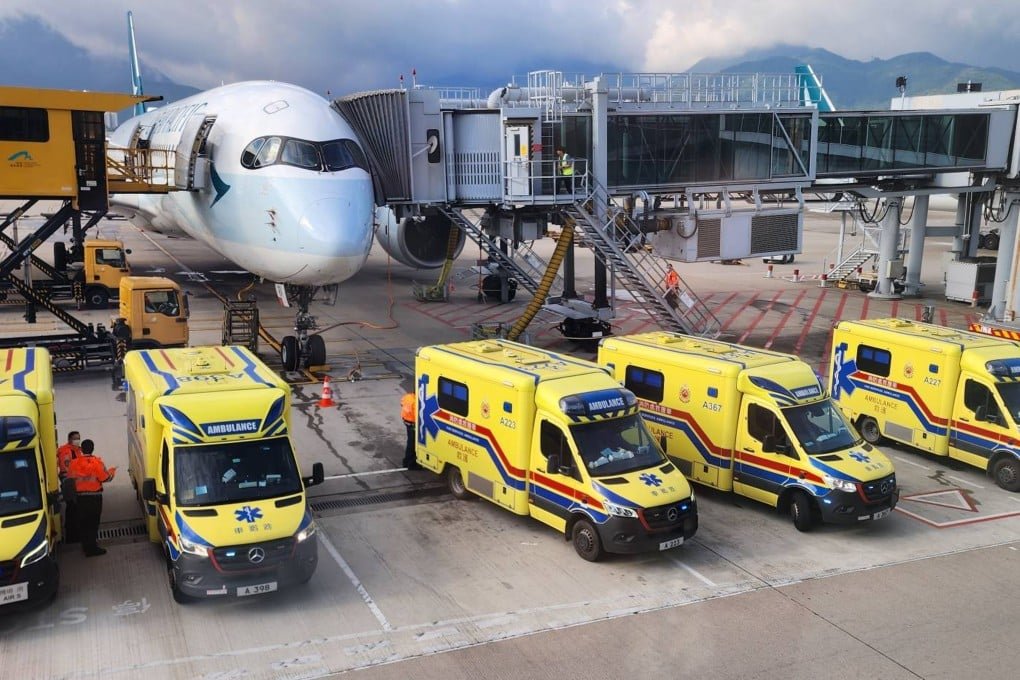
A domestic helper has been arrested in Hong Kong after the death of a six-month-old baby girl, with authorities launching an investigation into the circumstances surrounding the incident.

Emergency services were called after the infant was found unresponsive, and despite efforts to revive her, she was later pronounced dead.

The case has prompted immediate police action, with officers detaining the caregiver as part of ongoing inquiries.

Preliminary findings have led investigators to treat the case with seriousness, as they seek to determine the cause of death and establish whether any criminal liability is involved.

Authorities have indicated that forensic examinations and medical assessments will play a key role in clarifying the events leading up to the incident.

The arrest forms part of standard investigative procedures in cases involving unexplained deaths, particularly those concerning young children.

Police are continuing to gather evidence, including witness accounts and any available surveillance or background information.

The case has drawn attention to the responsibilities associated with childcare arrangements in densely populated urban environments, where domestic helpers often play a central role in family life.

Authorities have emphasised the importance of ensuring the safety and wellbeing of children under all forms of care.

Officials have not released further details pending the outcome of the investigation, and the legal process is expected to proceed in accordance with established procedures.

The incident remains under active review, with authorities working to establish a full and accurate account of what occurred.
City aims to leverage its international role to promote cross-border medical innovation and regulatory alignment
Hong Kong has reaffirmed its commitment to helping bring mainland China’s health standards to a global audience, positioning itself as a key bridge between domestic innovation and international healthcare systems.

Officials outlined plans to strengthen collaboration across regulatory, research, and medical sectors, with the goal of promoting wider recognition and adoption of mainland-developed standards and practices.

The initiative reflects Hong Kong’s strategic role as an international hub with strong connections to both global markets and mainland institutions.

The effort is expected to focus on areas such as medical technology, pharmaceuticals, and public health frameworks, where closer alignment could facilitate cross-border cooperation and accelerate the development of new treatments.

By supporting standardisation, authorities aim to enhance efficiency, safety, and global competitiveness.

Hong Kong’s established regulatory systems and international credibility are seen as key assets in advancing this objective.

The city’s ability to operate within global frameworks while maintaining close ties with mainland China positions it uniquely to support the internationalisation of health standards.

Experts note that the move could open new opportunities for collaboration between Chinese and international healthcare providers, researchers, and companies.

Increased alignment may also help streamline approvals and improve access to medical innovations across different markets.

The initiative comes as global demand for healthcare solutions continues to grow, with countries seeking to strengthen resilience and improve outcomes.

Hong Kong’s involvement underscores its role in facilitating knowledge exchange and supporting the global integration of emerging standards.

Authorities emphasised that the approach will prioritise quality, safety, and transparency, ensuring that any expansion of standards meets international expectations.

Ongoing dialogue with global partners is expected to play a central role in the process.

As efforts move forward, Hong Kong is positioning itself as a gateway for advancing healthcare collaboration, reinforcing its importance in the evolving global medical landscape.
Proposed rules introduce stricter enforcement with escalating fines and penalties for possession
Hong Kong authorities are preparing to introduce a two-tier penalty system targeting individuals found carrying electronic cigarettes, marking a significant escalation in the city’s regulatory approach to vaping.

Under the proposed framework, offenders would face different levels of penalties depending on the severity of the violation.

Initial infractions are expected to result in fixed fines, while more serious or repeated breaches could trigger heavier penalties, including prosecution.

The move builds on existing restrictions that already prohibit the import, sale, and promotion of e-cigarettes in Hong Kong.

By extending enforcement to possession, authorities aim to close gaps in the current regulatory system and strengthen public health protections.

Officials have emphasised that the policy is designed to deter usage and reduce the availability of vaping products, particularly among younger populations.

The two-tier structure is intended to provide flexibility in enforcement while maintaining a strong deterrent effect.

The proposal reflects a broader tightening of tobacco control measures, as governments across the region respond to growing concerns about the health risks associated with vaping.

Hong Kong has positioned itself at the forefront of these efforts, adopting increasingly strict regulations in recent years.

Public awareness campaigns are expected to accompany the new rules, informing residents and visitors of the legal requirements and potential consequences of non-compliance.

Authorities have indicated that clear guidance will be provided once the measures are formally implemented.

The introduction of a graduated penalty system highlights a shift toward more comprehensive enforcement, ensuring that both casual possession and more serious violations are addressed within a consistent legal framework.

As the policy moves toward implementation, individuals in Hong Kong are being urged to familiarise themselves with the updated regulations to avoid penalties under the stricter regime.
Store upgrades, premium offerings, and digital integration redefine the city’s convenience shopping experience
7-Eleven stores across Hong Kong are undergoing a significant transformation, with redesigned layouts, upgraded product selections, and enhanced digital features reshaping the traditional convenience retail experience.

The changes, widely described as a “glow-up,” reflect a broader shift in consumer expectations, as shoppers increasingly seek higher-quality products, more comfortable environments, and seamless digital integration.

The revamped stores feature modern interiors, improved lighting, and more spacious layouts designed to encourage browsing rather than quick transactions alone.

A key element of the transformation is the introduction of premium food and beverage offerings.

Customers can now access a wider range of freshly prepared meals, specialty drinks, and curated snack selections, aligning the brand more closely with café-style convenience.

This move responds to growing demand for on-the-go dining options that combine speed with quality.

Digital innovation also plays a central role in the overhaul.

Enhanced payment systems, mobile integration, and self-service features are being implemented to streamline transactions and improve efficiency.

These upgrades are intended to create a smoother and more personalised shopping experience for customers.

The redesign reflects a competitive retail landscape in Hong Kong, where convenience stores are evolving to meet changing lifestyles and preferences.

With urban consumers placing greater emphasis on convenience, quality, and experience, retailers are adapting to remain relevant.

Industry observers note that the transformation positions 7-Eleven to compete not only with traditional convenience outlets but also with cafés and quick-service restaurants.

By blending elements of multiple retail formats, the brand is redefining its role within the city’s fast-paced environment.

The initiative also highlights the importance of innovation in maintaining customer loyalty, particularly in a market characterised by high density and strong competition.

Continuous updates to store design and product offerings are seen as essential to sustaining growth.

As the upgraded stores continue to roll out, the “glow-up” is expected to set new standards for convenience retail in Hong Kong, offering a more engaging and versatile experience for modern consumers.
Climate pressures threaten some of the city’s most historic and culturally valued trees
Hong Kong’s renowned ‘hero trees,’ long celebrated for their size, age, and cultural significance, are increasingly showing signs of decline as rising temperatures and changing environmental conditions place them under growing stress.

These trees, often located in urban areas and protected for their heritage value, have historically been symbols of resilience within the city’s landscape.

However, recent observations indicate that many are struggling to adapt to warmer climates, with signs of deterioration including weakened structures, reduced foliage, and increased vulnerability to disease.

Experts attribute the decline to a combination of factors linked to climate change, including higher average temperatures, prolonged periods of heat, and shifting rainfall patterns.

These conditions can affect soil quality and water availability, placing additional strain on trees that are already growing in constrained urban environments.

Urban development has also compounded the challenge, with limited space for root systems and increased exposure to pollution further reducing the trees’ ability to withstand environmental stress.

As a result, maintaining the health of these heritage trees has become more complex.

Authorities and conservation groups are working to address the issue through enhanced monitoring, improved maintenance practices, and targeted interventions aimed at preserving the most vulnerable specimens.

Efforts include soil management, pest control, and structural support where necessary.

The situation has prompted broader discussions about urban planning and the need to integrate climate resilience into conservation strategies.

Protecting these trees is not only a matter of preserving natural heritage but also of maintaining ecological balance within the city.

The decline of Hong Kong’s hero trees highlights the tangible impact of climate change on urban environments, underscoring the importance of proactive measures to safeguard natural assets in densely populated areas.

As environmental conditions continue to evolve, the future of these iconic trees will depend on sustained conservation efforts and the ability to adapt management practices to meet new challenges.
New automated systems aim to reduce wait times and enhance travel efficiency at major international hub
Hong Kong International Airport has introduced additional biometric immigration lanes, significantly expanding its use of automated clearance systems to streamline passenger processing and reduce waiting times.

The new lanes utilise facial recognition and other biometric technologies to allow eligible travellers to pass through immigration checkpoints more quickly and efficiently.

The expansion is part of a broader effort to modernise border control infrastructure and improve the overall travel experience.

Authorities have indicated that the upgraded system is designed to handle increasing passenger volumes as international travel continues to recover.

By automating key stages of the immigration process, the airport aims to enhance operational efficiency while maintaining security standards.

The biometric lanes are expected to benefit both residents and international visitors, particularly during peak travel periods when congestion can lead to delays.

Faster processing times could also strengthen Hong Kong’s position as a major global aviation hub.

Officials have emphasised that the technology is implemented with safeguards to ensure data security and accuracy, aligning with international standards for biometric identification.

The system is designed to verify identities quickly while minimising the need for manual checks.

The expansion reflects a wider global trend toward digitalisation in travel, where airports and border authorities are increasingly adopting advanced technologies to manage growing passenger numbers.

Biometric solutions are becoming central to efforts to balance efficiency with security.

As more lanes become operational, travellers are expected to experience smoother transitions through immigration, contributing to a more seamless journey from arrival to departure.

The move underscores Hong Kong’s ongoing investment in infrastructure and innovation, reinforcing its role as a key gateway for international travel and commerce.
New enforcement measures require travellers to provide access to electronic devices or face possible arrest
United States tourists entering Hong Kong are now required to provide access to their electronic devices, including passwords, under tightened enforcement measures that have raised significant attention among international travellers.

Authorities have introduced stricter inspection protocols at border checkpoints, granting officials expanded powers to examine digital content on phones, laptops, and other personal devices.

Travellers who refuse to comply with requests to unlock their devices may face detention or arrest under the updated framework.

The policy reflects a broader emphasis on security and regulatory enforcement, with officials stating that the measures are intended to ensure compliance with local laws and safeguard public order.

Inspections may include reviewing stored data, communications, and applications where deemed necessary.

The development has prompted heightened awareness among international visitors, particularly those travelling for business or tourism.

Legal experts have advised travellers to familiarise themselves with local regulations before arrival, as requirements may differ significantly from those in other jurisdictions.

The move comes amid a wider global trend of increased scrutiny at borders, where digital devices are increasingly seen as extensions of personal and professional activity.

Governments have expanded their ability to conduct inspections as part of broader security strategies.

For travellers, the new rules underscore the importance of preparation and understanding local legal frameworks.

Individuals are encouraged to take appropriate steps to ensure compliance while managing sensitive personal or professional information.

The enforcement measures are expected to remain in place as part of Hong Kong’s broader approach to maintaining security and regulatory oversight at its borders.

As international travel continues to recover, the policy highlights the evolving landscape of border controls and the growing role of digital data in security considerations.
Move targets properties deemed connected to alleged offences as enforcement actions continue
Hong Kong authorities have applied to seize properties linked to Jimmy Lai under national security provisions, targeting assets they consider connected to alleged offence-related activities.

The application forms part of ongoing enforcement measures under the city’s national security framework, which allows for the confiscation of assets tied to activities deemed to fall within its legal scope.

Officials have indicated that the move is intended to uphold the rule of law and reinforce the integrity of the legal system.

The properties in question are understood to be associated with investigations into activities that authorities have identified as relevant under national security legislation.

Legal proceedings will determine the final outcome, with the courts expected to assess the application in accordance with established procedures.

Hong Kong’s national security framework has been positioned as a key mechanism for maintaining stability and safeguarding public order.

Authorities have consistently emphasised that actions taken under the law are grounded in legal process and subject to judicial oversight.
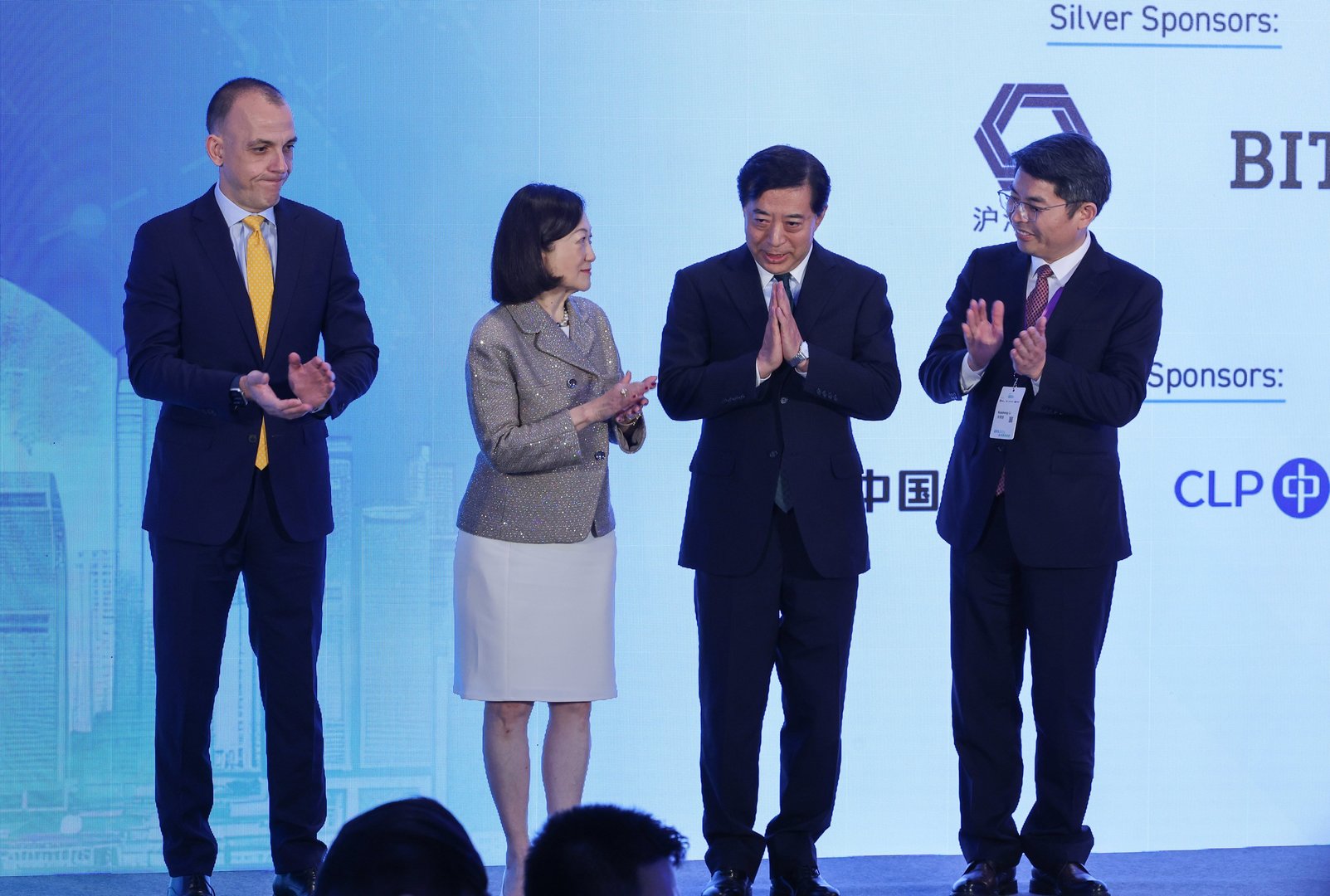
The development highlights the continued implementation of enforcement measures in cases involving high-profile figures, drawing attention to the legal processes governing asset seizure and related proceedings.

Observers note that such actions underscore the authorities’ focus on ensuring compliance with national security requirements, while also reinforcing the importance of due process within the judicial system.

As the case progresses, attention will focus on court deliberations and the broader implications for legal and financial frameworks within Hong Kong.
Authorities monitor global risks while consumers continue to face high petrol costs
Hong Kong’s fuel prices remain elevated as authorities release their latest weekly update, with ongoing tensions in the Middle East continuing to influence global energy markets and local costs.

The government’s update reflects close monitoring of international developments, particularly those affecting key oil supply routes.

Rising geopolitical uncertainty has contributed to sustained pressure on fuel prices, which are already among the highest globally.

Consumers in Hong Kong are continuing to feel the impact, with petrol costs placing strain on household budgets and increasing operating expenses for businesses.

The city’s reliance on imported energy leaves it particularly exposed to fluctuations in global oil markets.

Officials have emphasised the importance of transparency through regular updates, providing the public with timely information on price trends and contributing factors.

This approach aims to maintain awareness and support informed decision-making.

Energy analysts note that Hong Kong’s limited domestic energy resources and constrained storage capacity amplify the effects of external shocks.

As a result, developments in regions such as the Middle East can have an immediate and pronounced impact on local prices.

The situation underscores the broader challenge of energy security for highly import-dependent economies, where diversification and long-term planning are essential to reducing vulnerability.

As global conditions remain uncertain, Hong Kong is expected to continue monitoring price movements closely, with attention focused on managing the impact of external risks on its energy landscape.
Rising liabilities and financing challenges persist even as broader real estate sentiment improves
Hong Kong’s smaller property developers are facing mounting debt pressures despite signs of recovery in the wider real estate market, highlighting uneven gains across the sector.

While recent improvements in property sentiment have lifted expectations for larger developers, many smaller firms continue to struggle with high borrowing costs and limited access to financing.

These constraints are making it difficult for them to capitalise on the market’s gradual rebound.

Industry participants note that smaller builders often rely more heavily on short-term funding and are more exposed to fluctuations in interest rates and credit conditions.

As a result, even modest increases in financial pressure can significantly affect their ability to sustain operations and pursue new projects.

The challenges are compounded by a backlog of existing debt obligations, which require ongoing servicing regardless of market conditions.

This has created a situation where improving sales or stabilising prices do not immediately translate into financial relief for smaller players.

Analysts point out that the divergence between large and small developers reflects broader structural dynamics within Hong Kong’s property market, where scale and access to capital play a critical role in resilience.

Larger firms are better positioned to navigate volatility, while smaller companies face tighter margins and greater risk.

Efforts to stabilise the market, including policy adjustments and improved buyer confidence, are expected to provide some support over time.

However, the pace of recovery for smaller developers is likely to remain gradual.

As the sector continues to adjust, the financial health of smaller builders will remain a key indicator of the overall strength and sustainability of Hong Kong’s property market.
Debate highlights need for stricter enforcement from the United States to Hong Kong
A renewed debate over insider trading has intensified calls for stronger enforcement and accountability across global financial markets, with attention spanning from the United States to Hong Kong.

The issue has come into sharper focus as regulators and market participants confront cases that underscore the risks posed by illicit use of non-public information.

Insider trading is widely regarded as undermining market integrity, distorting fair competition, and eroding investor confidence.

Experts emphasize that maintaining transparent and equitable markets requires consistent enforcement of rules, regardless of jurisdiction.

The interconnected nature of global finance means that weaknesses in one market can have broader implications, reinforcing the need for coordinated oversight.

In both the United States and Hong Kong, authorities have frameworks in place to address insider trading, but the debate highlights ongoing challenges in detection, prosecution, and deterrence.

Strengthening regulatory mechanisms and ensuring swift action are seen as critical steps in addressing these gaps.

Market participants have also called for greater corporate governance standards and internal compliance measures to prevent the misuse of sensitive information.

Companies are increasingly expected to adopt robust safeguards and promote ethical conduct within their organisations.

The discussion reflects a broader commitment to upholding the principles of fairness and transparency that underpin financial systems.

Ensuring that all participants operate on a level playing field remains a central objective for regulators and policymakers.

As global markets continue to evolve, the focus on insider trading is expected to remain a priority, with ongoing efforts aimed at reinforcing trust and maintaining the credibility of financial institutions.
Well-known figure linking Hong Kong markets and mainland policy circles taken into custody
Chinese authorities have detained prominent economist Ba Shusong, a figure widely recognised for his role in connecting Hong Kong’s financial markets with mainland policy frameworks, in a move that has drawn significant attention across the region’s financial community.

Ba has long been regarded as an influential voice in economic policy and financial reform, with extensive experience spanning academia, banking, and advisory roles.

His work has often focused on strengthening integration between Hong Kong’s capital markets and the mainland’s economic system, positioning him as a key intermediary between the two.

Details surrounding the detention remain limited, with no formal explanation immediately provided regarding the circumstances or duration.

The development has prompted close monitoring among market participants, given Ba’s prominence and the potential implications for policy communication and financial cooperation.

The case comes at a time of increased attention on governance and oversight within China’s financial sector, where authorities have been emphasising discipline, transparency, and risk management.
Such measures are part of broader efforts to ensure stability and resilience in a complex and evolving economic environment.
Observers note that Ba’s detention may have implications for ongoing dialogue between mainland institutions and Hong Kong-based financial entities, particularly in areas related to market integration and regulatory alignment.

His role in bridging these systems has made him a notable figure in cross-border financial development.

Despite the uncertainty, analysts stress that institutional frameworks supporting financial cooperation between Hong Kong and the mainland remain in place, with continued emphasis on long-term integration and growth.

As more information emerges, attention will remain focused on the potential impact of the development on financial markets, policy direction, and the broader landscape of regional economic collaboration.
Hong Kong Fire Hearings Reveal Coordination Gaps and Accountability Challenges
Tokyo Lifestyle Strengthens Hong Kong Expansion With HK$20 Million Strategic Investment
Hong Kong Pushes Forward Vape Possession Ban to Safeguard Youth Health
Hong Kong Developers Raise Prices Following Strong Property Sales Momentum
Hong Kong Reclaims Global IPO Leadership as HKEX Records Strong Year
Hong Kong’s National Security Framework Tightens as Crackdown Enters 69th Month
Hong Kong International Airport Earns Strong Recognition From Global Travellers
Hong Kong Luxury Retail Sees Strong February Growth Amid Tourism Rebound
Hong Kong’s Regulated Crypto Market Expands With Licensed Exchanges in 2026
Hong Kong Hospital Introduces Virtual Reality Tours to Calm Children Before Surgery
Hong Kong Partners with Singapore and United States to Expand Premium Sports Travel Market
Reforms to England’s Rental Laws Reshape Strategy for Hong Kong and Mainland Property Investors
Debate Grows Over Future of Hong Kong’s HK$2 Transport Scheme Amid Calls to Preserve Key Social Policy
Hong Kong Economy Demonstrates Strong Resilience in Early 2026, Finance Chief Reports
CaoCao Bets on Asset-Heavy Strategy to Accelerate Robotaxi Expansion
Cats Take Centre Stage in Hong Kong as Easter Celebrations Embrace Feline Trend
Open Conversations About Death Gain Ground in Ageing Hong Kong Society
Jimmy Lai Case Highlights Intersection of Media, Business and Law in Hong Kong
Hong Kong Targets Leadership in Asia-Pacific Tourism by 2026 Through Strategic Recovery Push
AI Startups Drive Revival of Hong Kong IPO Market Amid Renewed Investor Confidence
Record-Low Birth Rate Forces Closure of Primary Schools Across Hong Kong
Fourteen Individuals Sentenced Over Bribery Scheme to Secure Hong Kong Kindergarten Places
Hong Kong’s Con-Con IP Festival Opens to Strong Crowds, Showcasing Creative Industry Growth
Hong Kong Leader John Lee Commits to Expanding After-School Care Support for Low-Income Families
Chinese Tech Firms Accelerate Expansion into Hong Kong to Capitalise on Strategic Advantages
Hong Kong Drivers Grapple With World’s Highest Fuel Prices as Costs Continue to Climb
Oil Price Surge Sends Shockwaves Through Housing Markets in Hong Kong and Taiwan
Hong Kong Targets Over 50 Million Visitors in 2026 as Major Events Drive Tourism Surge
Hong Kong Student Challenges Italian Screening of Controversial Documentary
Hong Kong Interpol Gathering Highlights China’s Expanding Influence Within Global Policing Network
Chinese Companies Promote Iran War Intelligence Claims Highlighting US Military Positions
Iran Accuses Saudi Arabia and UAE After Downing of Chinese-Made Drone
China and Hong Kong Markets Slip as Investors Weigh Uncertain Timeline on Iran Conflict
Hong Kong Customs Seizes Drugs Worth Three Point Four Million Dollars in Targeted Operation
Major Banks Accelerate AI Integration in Hong Kong as Manulife, HSBC and Barclays Lead Shift
Domestic Helper Arrested in Hong Kong Following Death of Six-Month-Old Girl
Hong Kong Pledges Support to Expand Mainland China’s Health Standards on Global Stage
Hong Kong Plans Two-Tier Penalty System for Carrying Vapes in New Crackdown
7-Eleven Hong Kong Reinvents Convenience Retail with Modern ‘Glow-Up’ Transformation
Hong Kong’s Iconic ‘Hero Trees’ Face Decline as Rising Temperatures Take Toll
Hong Kong Expands Biometric Immigration Lanes to Accelerate Airport Clearance
Hong Kong Introduces Strict Device Inspection Rules for U.S. Tourists at Border
Hong Kong Authorities Seek to Seize Assets Linked to Jimmy Lai Under National Security Framework
Hong Kong Fuel Prices Remain Elevated as Government Issues Weekly Update Amid Middle East Tensions
Debt Pressures Intensify for Hong Kong’s Small Developers Despite Property Market Uptick
Calls Grow for Stronger Action Against Insider Trading Across Global Financial Markets
Beijing Detains Prominent Economist Ba Shusong Amid Heightened Financial Sector Scrutiny
Hong Kong’s Central Office Market Shows Signs of Recovery After Seven-Year Downturn
Hongkong Land Grants Incentive Shares to New Singapore Fund Chief as Leadership Transition Advances