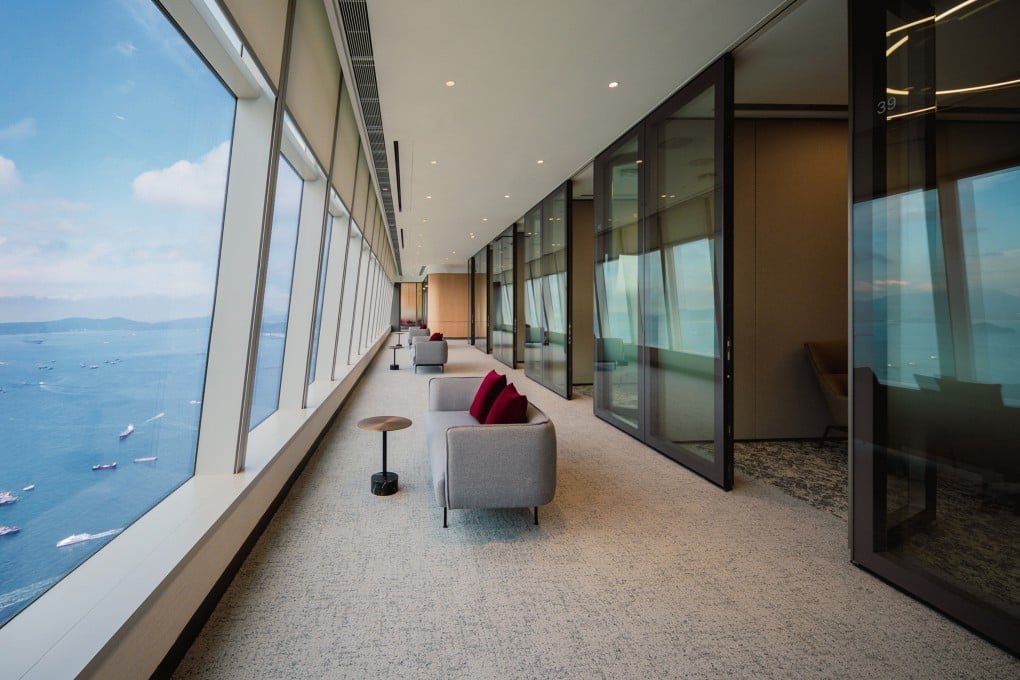
Major lenders are spending heavily on premium real estate, elite advisory teams and high-end client centres to capture a fast-growing pool of wealthy Asian investors and restore Hong Kong’s dominance in regional wealth management.
Hong Kong’s banking industry is driving an aggressive expansion of luxury wealth-management centres across the city as global and regional lenders compete for high-net-worth clients in one of the world’s most profitable private banking markets.
What is confirmed is that major banks including HSBC, Hang Seng Bank, Standard Chartered, OCBC, DBS and China-linked lenders are investing heavily in premium office space, harbour-view client suites and expanded advisory teams despite persistently high commercial rents and broader weakness in parts of Hong Kong’s property market.
The strategy reflects a sharp industry-wide calculation: wealth management now generates more stable and higher-margin income than many traditional banking businesses.
Banks are increasingly willing to pay for prestige locations because private wealth clients expect far more than transactional banking.
Modern wealth centres function as hybrid spaces combining private banking, investment advisory, family office services, insurance, lending and cross-border asset planning.
Large meeting rooms, discreet concierge services and luxury interiors are being used as competitive tools to attract affluent clients from mainland China, Southeast Asia and overseas Chinese business networks.
The expansion comes as Hong Kong experiences a significant rebound in wealth inflows after years of pandemic disruption, political uncertainty and population outflows.
Private banks and asset managers have reported stronger client activity, rising brokerage revenue and renewed demand for cross-border investment structures.
Global banks now view Hong Kong as central to the long-term growth of Asian private capital despite intensifying competition from Singapore.
The scale of the current buildout is substantial.
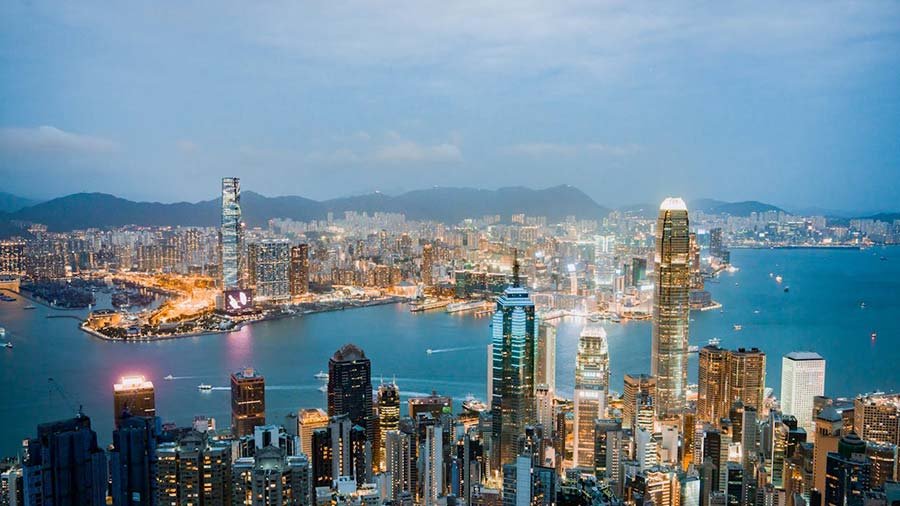
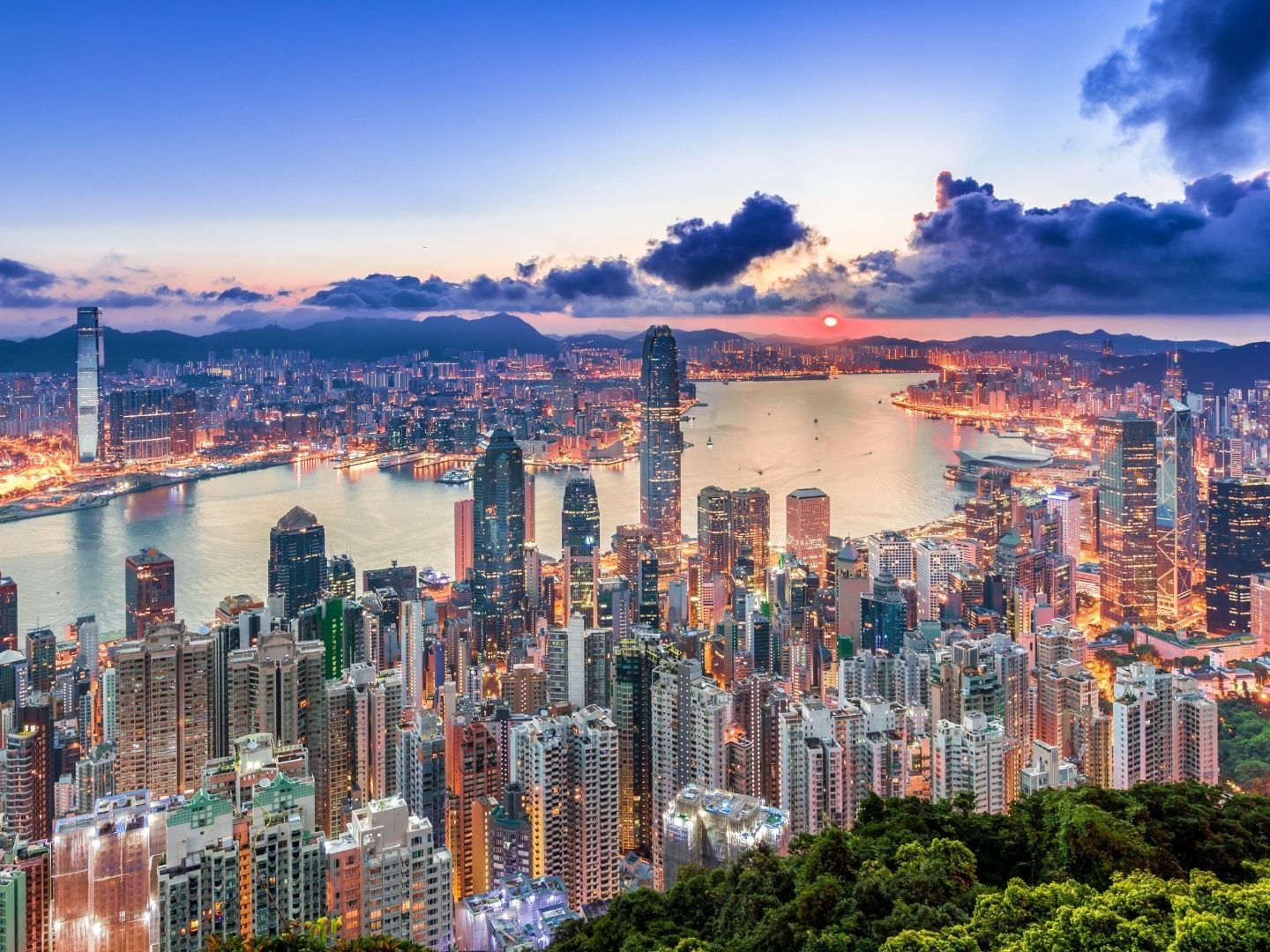
HSBC recently expanded its footprint with another flagship wealth-management centre in Central, adding large private meeting facilities overlooking Victoria Harbour.
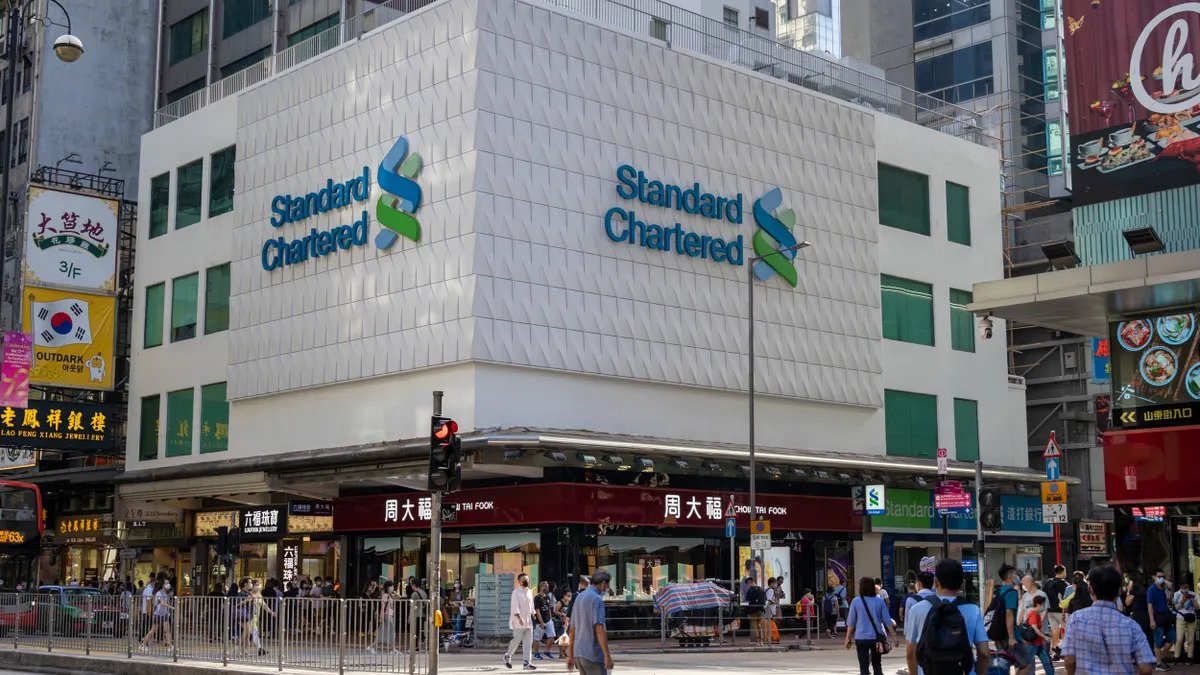
Standard Chartered has also opened additional premium wealth locations, while OCBC and DBS are accelerating hiring and property investments tied directly to affluent banking operations.
Several lenders are targeting customers with investable assets starting at one million US dollars, while others are aggressively pursuing ultra-high-net-worth family offices.
The underlying economic driver is straightforward.
Wealth management produces recurring fee income through investment products, insurance sales, portfolio advisory services and lending against assets.
That revenue is less volatile than corporate lending and less capital-intensive than many traditional banking operations.
In an environment shaped by slower mainland Chinese growth, tighter margins and geopolitical uncertainty, banks increasingly see wealthy clients as the most defensible source of long-term profitability.
Hong Kong’s recovery in equity markets and initial public offerings has strengthened that thesis.
Bank executives expect stronger trading activity, investment flows and offshore fundraising to generate more demand for advisory services and portfolio management.
The city’s role as a financial gateway between mainland China and international markets remains critical, especially for wealthy mainland clients seeking global diversification.
Competition for talent has therefore intensified sharply.
Banks are hiring private bankers, relationship managers, investment specialists and estate-planning advisers at an accelerated pace.
Pay packages have risen as institutions compete for experienced advisers with established client books.
Some recruiters report double-digit salary increases for senior private banking staff capable of bringing wealthy clients from rival firms.
This hiring race reflects a larger structural change inside banking.
Traditional branch banking is shrinking while wealth divisions expand.
Even banks cutting costs or automating back-office roles are continuing to spend aggressively on affluent and private banking operations.
Standard Chartered, for example, is reducing thousands of corporate-function positions while simultaneously prioritising growth in high-margin wealth businesses.
The property angle is equally significant.
Hong Kong’s office market has struggled for years with vacancies and declining rents outside the top financial districts.
Yet prime financial towers in Central and select luxury retail-office locations are seeing renewed demand from banks, hedge funds and wealth-management firms.
The market is increasingly split between premium “trophy” properties and weaker secondary office space.
Banks are deliberately concentrating wealth centres in symbolic locations because perception matters in private finance.
Wealth clients often associate premium real estate with institutional strength, exclusivity and discretion.
Harbour-facing meeting rooms and landmark skyscraper addresses serve a commercial purpose: they reassure clients entrusting banks with large pools of capital.
The expansion also aligns with Hong Kong’s broader strategy to position itself as Asia’s leading offshore wealth hub.
Authorities have introduced policies aimed at attracting family offices, supporting asset-management growth and developing digital finance infrastructure.
Regulators are simultaneously tightening anti-money laundering oversight and financial crime controls to protect the city’s reputation as a trusted international financial centre.
That balancing act remains delicate.
Hong Kong must convince wealthy global investors that it remains politically stable, internationally connected and legally reliable while operating under a changing geopolitical environment and closer integration with mainland China.
Singapore remains its strongest regional competitor, particularly among globally mobile ultra-rich families seeking diversification and regulatory stability.
Still, banks are making long-term bets on Hong Kong rather than retreating from it.
The current spending wave on wealth centres, premium leases and private banking talent signals institutional confidence that Asian private capital will continue expanding and that Hong Kong will remain one of its central hubs.
The practical consequence is that Hong Kong’s banking landscape is being reshaped around affluent finance.
Retail banking is becoming increasingly digital and automated, while physical banking space is being redesigned for wealthy clients who generate the largest fees, maintain the deepest investment relationships and increasingly determine where global banks allocate capital and talent.
What is confirmed is that major banks including HSBC, Hang Seng Bank, Standard Chartered, OCBC, DBS and China-linked lenders are investing heavily in premium office space, harbour-view client suites and expanded advisory teams despite persistently high commercial rents and broader weakness in parts of Hong Kong’s property market.
The strategy reflects a sharp industry-wide calculation: wealth management now generates more stable and higher-margin income than many traditional banking businesses.
Banks are increasingly willing to pay for prestige locations because private wealth clients expect far more than transactional banking.
Modern wealth centres function as hybrid spaces combining private banking, investment advisory, family office services, insurance, lending and cross-border asset planning.
Large meeting rooms, discreet concierge services and luxury interiors are being used as competitive tools to attract affluent clients from mainland China, Southeast Asia and overseas Chinese business networks.
The expansion comes as Hong Kong experiences a significant rebound in wealth inflows after years of pandemic disruption, political uncertainty and population outflows.
Private banks and asset managers have reported stronger client activity, rising brokerage revenue and renewed demand for cross-border investment structures.
Global banks now view Hong Kong as central to the long-term growth of Asian private capital despite intensifying competition from Singapore.
The scale of the current buildout is substantial.
HSBC recently expanded its footprint with another flagship wealth-management centre in Central, adding large private meeting facilities overlooking Victoria Harbour.
Standard Chartered has also opened additional premium wealth locations, while OCBC and DBS are accelerating hiring and property investments tied directly to affluent banking operations.
Several lenders are targeting customers with investable assets starting at one million US dollars, while others are aggressively pursuing ultra-high-net-worth family offices.
The underlying economic driver is straightforward.
Wealth management produces recurring fee income through investment products, insurance sales, portfolio advisory services and lending against assets.
That revenue is less volatile than corporate lending and less capital-intensive than many traditional banking operations.
In an environment shaped by slower mainland Chinese growth, tighter margins and geopolitical uncertainty, banks increasingly see wealthy clients as the most defensible source of long-term profitability.
Hong Kong’s recovery in equity markets and initial public offerings has strengthened that thesis.
Bank executives expect stronger trading activity, investment flows and offshore fundraising to generate more demand for advisory services and portfolio management.
The city’s role as a financial gateway between mainland China and international markets remains critical, especially for wealthy mainland clients seeking global diversification.
Competition for talent has therefore intensified sharply.
Banks are hiring private bankers, relationship managers, investment specialists and estate-planning advisers at an accelerated pace.
Pay packages have risen as institutions compete for experienced advisers with established client books.
Some recruiters report double-digit salary increases for senior private banking staff capable of bringing wealthy clients from rival firms.
This hiring race reflects a larger structural change inside banking.
Traditional branch banking is shrinking while wealth divisions expand.
Even banks cutting costs or automating back-office roles are continuing to spend aggressively on affluent and private banking operations.
Standard Chartered, for example, is reducing thousands of corporate-function positions while simultaneously prioritising growth in high-margin wealth businesses.
The property angle is equally significant.
Hong Kong’s office market has struggled for years with vacancies and declining rents outside the top financial districts.
Yet prime financial towers in Central and select luxury retail-office locations are seeing renewed demand from banks, hedge funds and wealth-management firms.
The market is increasingly split between premium “trophy” properties and weaker secondary office space.
Banks are deliberately concentrating wealth centres in symbolic locations because perception matters in private finance.
Wealth clients often associate premium real estate with institutional strength, exclusivity and discretion.
Harbour-facing meeting rooms and landmark skyscraper addresses serve a commercial purpose: they reassure clients entrusting banks with large pools of capital.
The expansion also aligns with Hong Kong’s broader strategy to position itself as Asia’s leading offshore wealth hub.
Authorities have introduced policies aimed at attracting family offices, supporting asset-management growth and developing digital finance infrastructure.
Regulators are simultaneously tightening anti-money laundering oversight and financial crime controls to protect the city’s reputation as a trusted international financial centre.
That balancing act remains delicate.
Hong Kong must convince wealthy global investors that it remains politically stable, internationally connected and legally reliable while operating under a changing geopolitical environment and closer integration with mainland China.
Singapore remains its strongest regional competitor, particularly among globally mobile ultra-rich families seeking diversification and regulatory stability.
Still, banks are making long-term bets on Hong Kong rather than retreating from it.
The current spending wave on wealth centres, premium leases and private banking talent signals institutional confidence that Asian private capital will continue expanding and that Hong Kong will remain one of its central hubs.
The practical consequence is that Hong Kong’s banking landscape is being reshaped around affluent finance.
Retail banking is becoming increasingly digital and automated, while physical banking space is being redesigned for wealthy clients who generate the largest fees, maintain the deepest investment relationships and increasingly determine where global banks allocate capital and talent.