JPMorgan analysis suggests the high-profile private-market transaction will not significantly divert capital from Hong Kong’s recovering listing pipeline
A SYSTEM-DRIVEN development in global capital markets is shaping how investors interpret large private share transactions alongside public listings, as analysts assess whether liquidity events in major private companies could disrupt emerging initial public offering (IPO) pipelines in Asia.
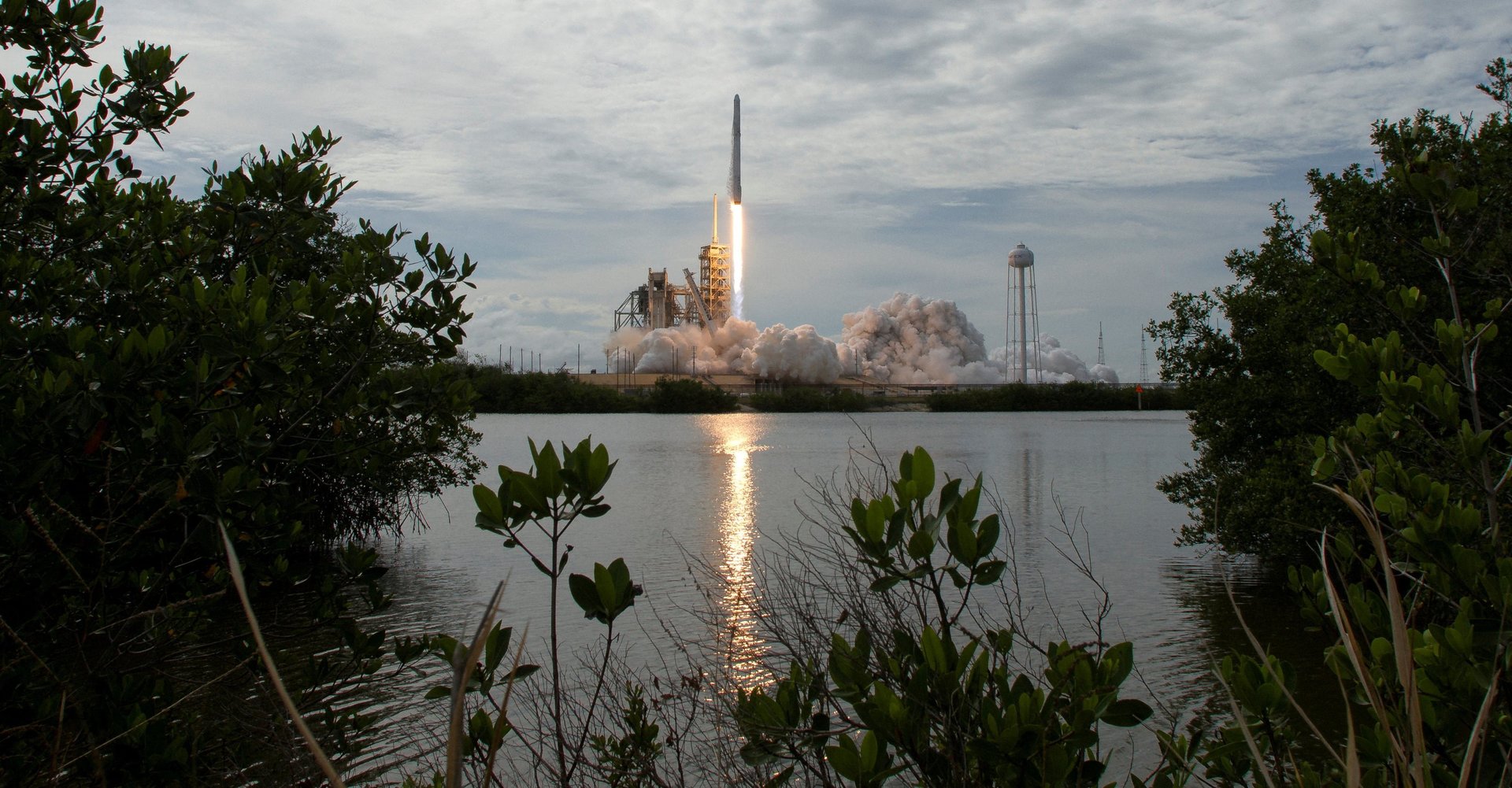
A recent secondary share sale involving SpaceX, the privately held aerospace and satellite company founded by Elon Musk, has drawn attention in this context due to concerns it could absorb investor capital that might otherwise flow into public offerings, including those in Hong Kong.
The key issue is whether large-scale private market transactions in globally prominent companies meaningfully reduce demand for IPOs in regional markets.
What is confirmed is that SpaceX has periodically conducted secondary share sales, allowing employees and early investors to sell holdings without the company itself going public.
These transactions have become increasingly significant as private valuations in sectors such as space technology and artificial intelligence have expanded, offering investors access to high-growth firms outside traditional exchanges.
Market analysts cited in recent assessments argue that the scale and structure of such transactions mean they do not function in the same way as IPO fundraising.
Unlike public offerings, secondary share sales do not typically involve broad retail participation or capital raising for expansion.
Instead, they provide liquidity within an already established private valuation framework.
As a result, their impact on global IPO appetite is considered indirect rather than substitutive.
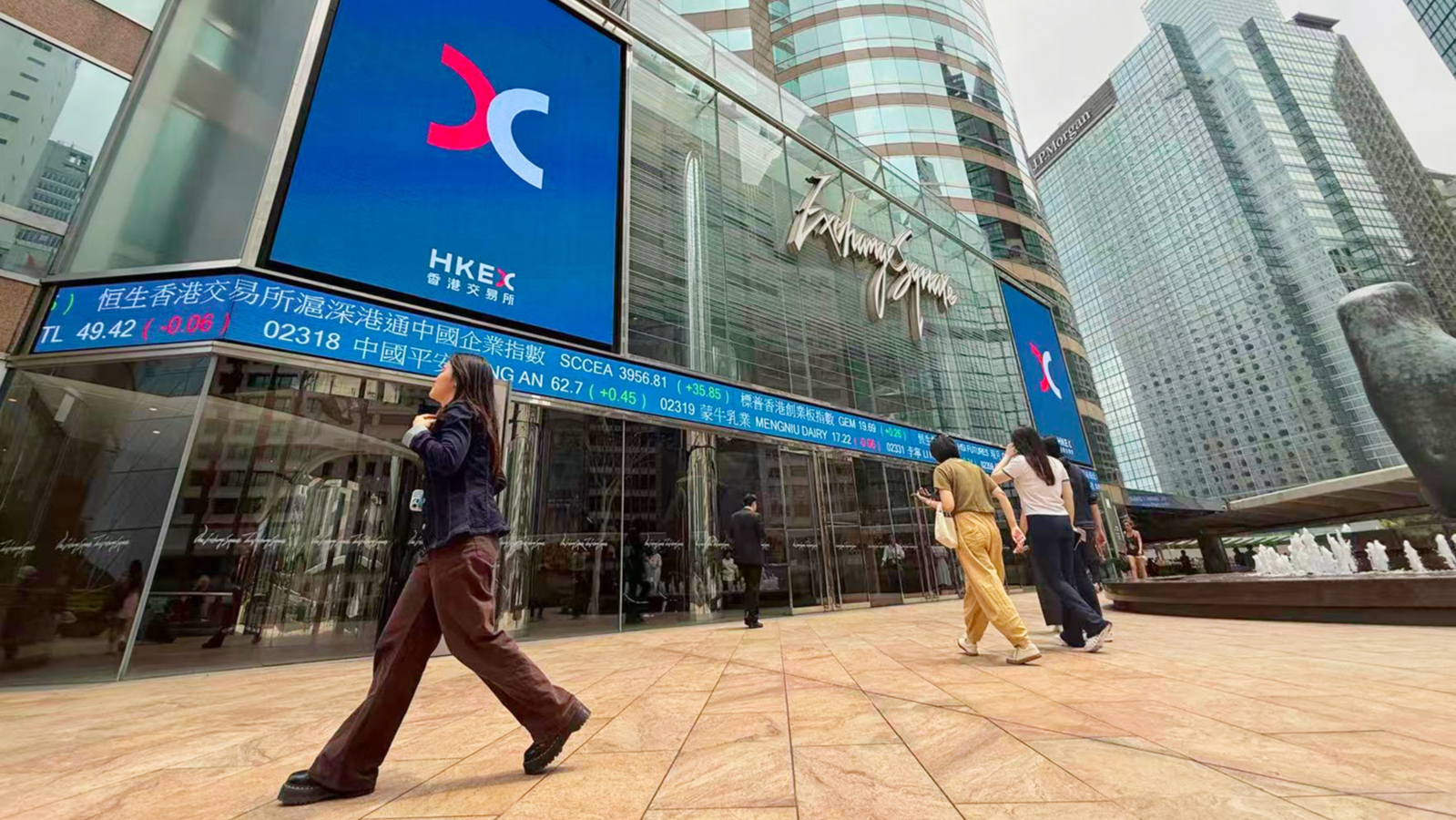
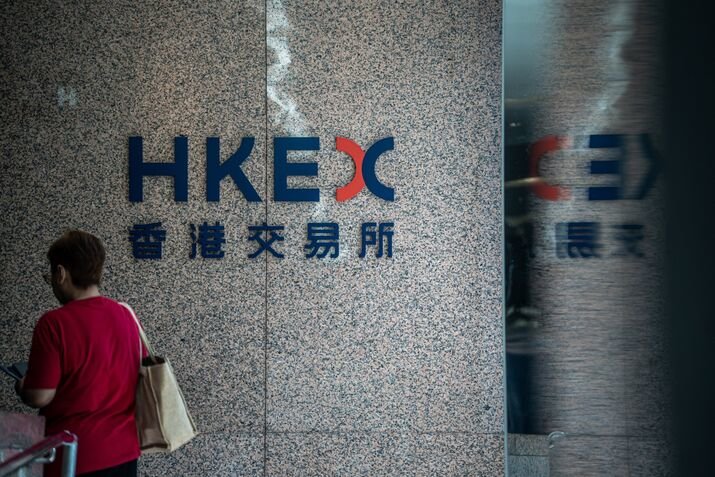
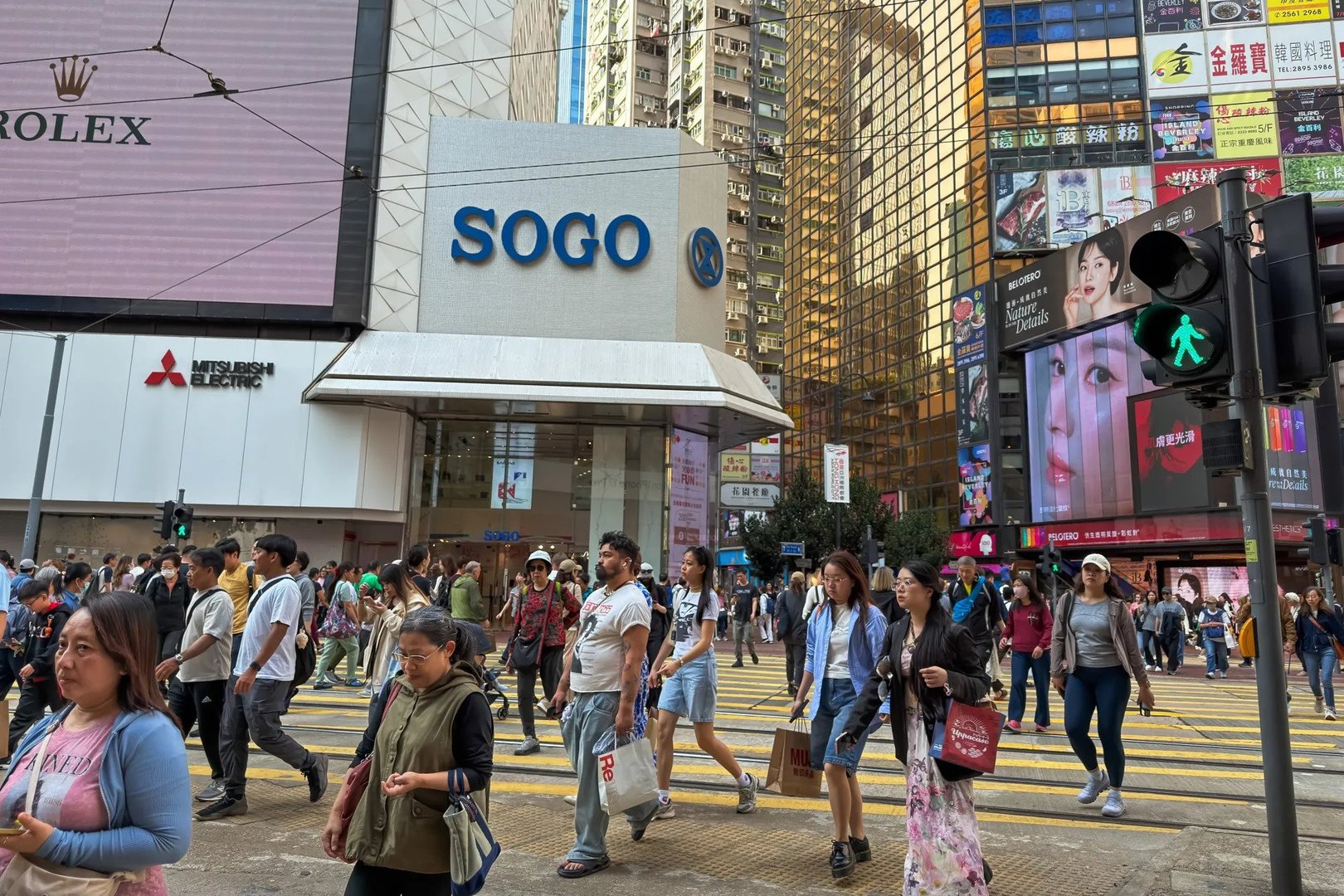
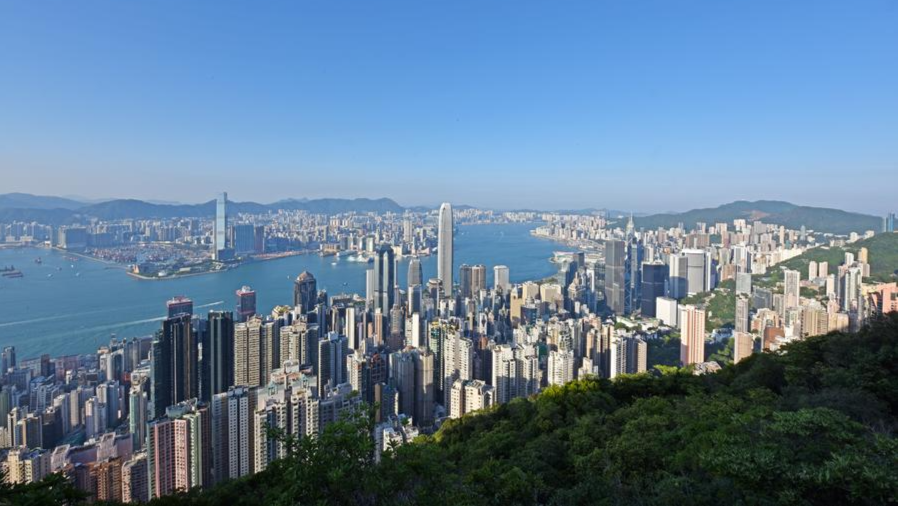
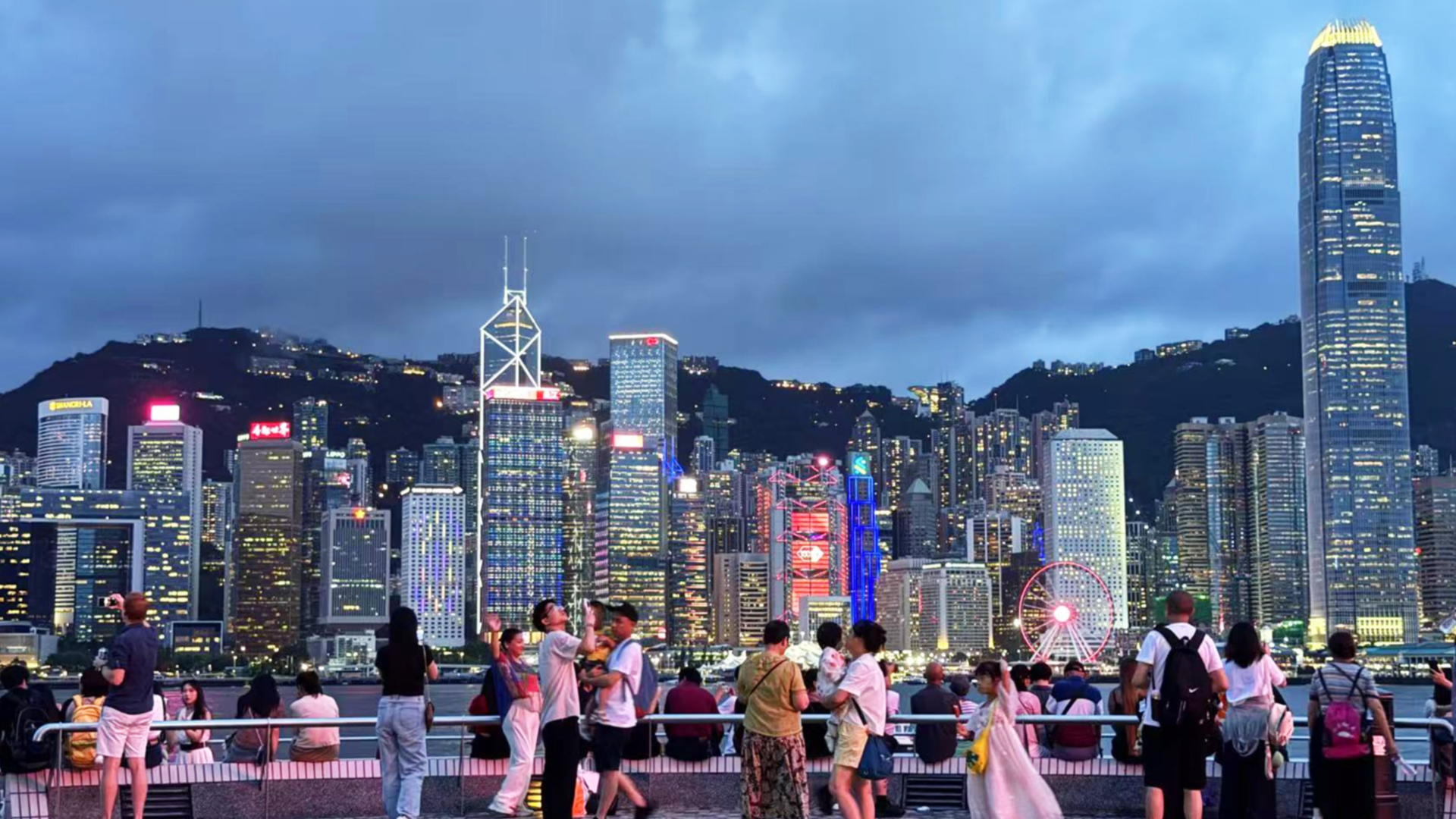
Hong Kong’s IPO market has been in a recovery phase following several subdued years driven by global interest rate shifts, regulatory tightening in key sectors, and reduced cross-border capital flows.
Recent listings and renewed pipeline activity have been interpreted as signs of improving sentiment, particularly in technology, consumer, and financial services sectors.
The concern that high-profile private market deals might divert institutional capital has been raised periodically, but is not supported by clear evidence of sustained displacement effects.
Institutional investors typically allocate capital across both private and public markets based on mandate structures, risk profiles, and liquidity constraints.
In practice, access to private secondary sales like those involving SpaceX is limited to specific investor groups and does not broadly compete with the diversified demand base for IPO allocations in markets such as Hong Kong.
The broader implication is that the continued growth of private market liquidity events reflects a structural shift in global capital formation rather than a direct competitor to public listings.
As companies remain private for longer periods and achieve higher valuations before listing, secondary transactions have become a parallel mechanism for investor entry and exit, rather than a replacement for IPO activity.
As a result, current analysis suggests that Hong Kong’s IPO pipeline remains primarily influenced by domestic regulatory conditions, regional economic performance, and global interest rate expectations, rather than isolated secondary share sales in large U.S.-based private companies.
A recent secondary share sale involving SpaceX, the privately held aerospace and satellite company founded by Elon Musk, has drawn attention in this context due to concerns it could absorb investor capital that might otherwise flow into public offerings, including those in Hong Kong.
The key issue is whether large-scale private market transactions in globally prominent companies meaningfully reduce demand for IPOs in regional markets.
What is confirmed is that SpaceX has periodically conducted secondary share sales, allowing employees and early investors to sell holdings without the company itself going public.
These transactions have become increasingly significant as private valuations in sectors such as space technology and artificial intelligence have expanded, offering investors access to high-growth firms outside traditional exchanges.
Market analysts cited in recent assessments argue that the scale and structure of such transactions mean they do not function in the same way as IPO fundraising.
Unlike public offerings, secondary share sales do not typically involve broad retail participation or capital raising for expansion.
Instead, they provide liquidity within an already established private valuation framework.
As a result, their impact on global IPO appetite is considered indirect rather than substitutive.
Hong Kong’s IPO market has been in a recovery phase following several subdued years driven by global interest rate shifts, regulatory tightening in key sectors, and reduced cross-border capital flows.
Recent listings and renewed pipeline activity have been interpreted as signs of improving sentiment, particularly in technology, consumer, and financial services sectors.
The concern that high-profile private market deals might divert institutional capital has been raised periodically, but is not supported by clear evidence of sustained displacement effects.
Institutional investors typically allocate capital across both private and public markets based on mandate structures, risk profiles, and liquidity constraints.
In practice, access to private secondary sales like those involving SpaceX is limited to specific investor groups and does not broadly compete with the diversified demand base for IPO allocations in markets such as Hong Kong.
The broader implication is that the continued growth of private market liquidity events reflects a structural shift in global capital formation rather than a direct competitor to public listings.
As companies remain private for longer periods and achieve higher valuations before listing, secondary transactions have become a parallel mechanism for investor entry and exit, rather than a replacement for IPO activity.
As a result, current analysis suggests that Hong Kong’s IPO pipeline remains primarily influenced by domestic regulatory conditions, regional economic performance, and global interest rate expectations, rather than isolated secondary share sales in large U.S.-based private companies.