Fifteen airlines will shift check-in operations to the rebuilt terminal beginning May 27 as Hong Kong International Airport expands capacity under its three-runway strategy.
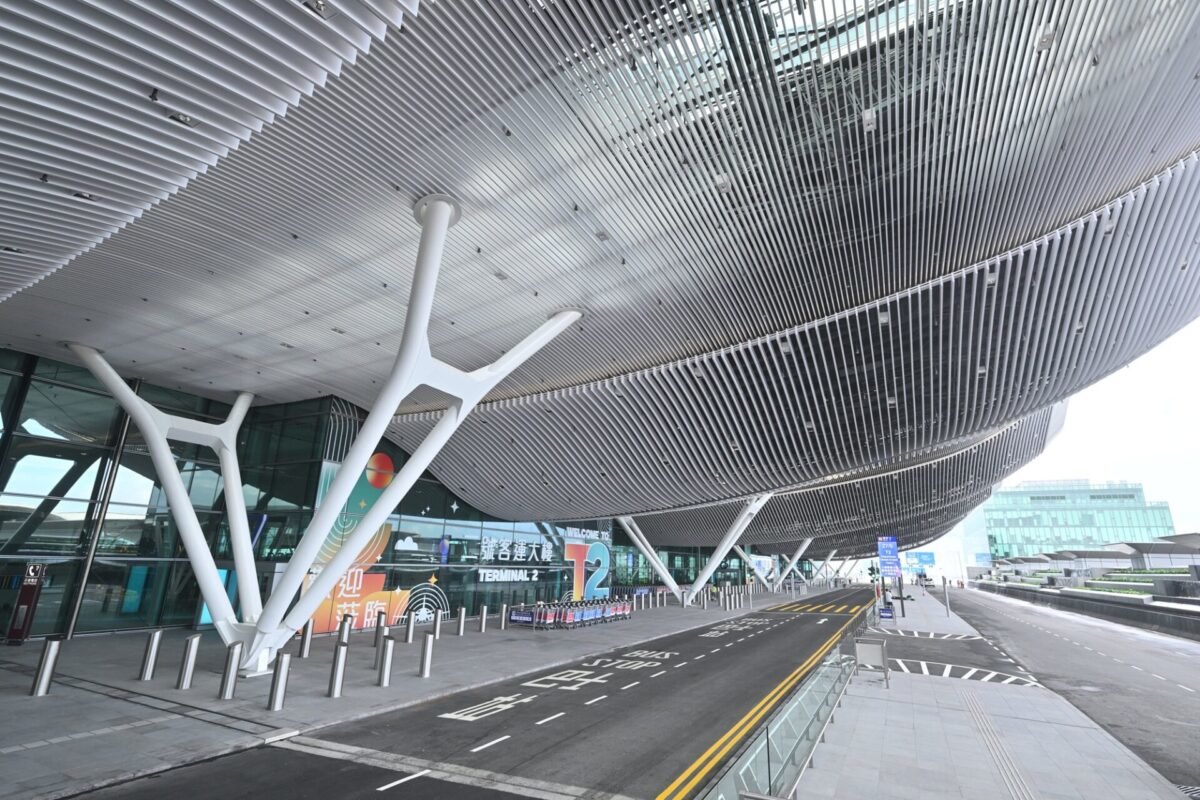
Airport Authority Hong Kong is reopening the departure facilities of Terminal 2 at Hong Kong International Airport after years of reconstruction, marking one of the most significant operational changes at the city’s aviation hub since the pandemic and the launch of the three-runway expansion project.
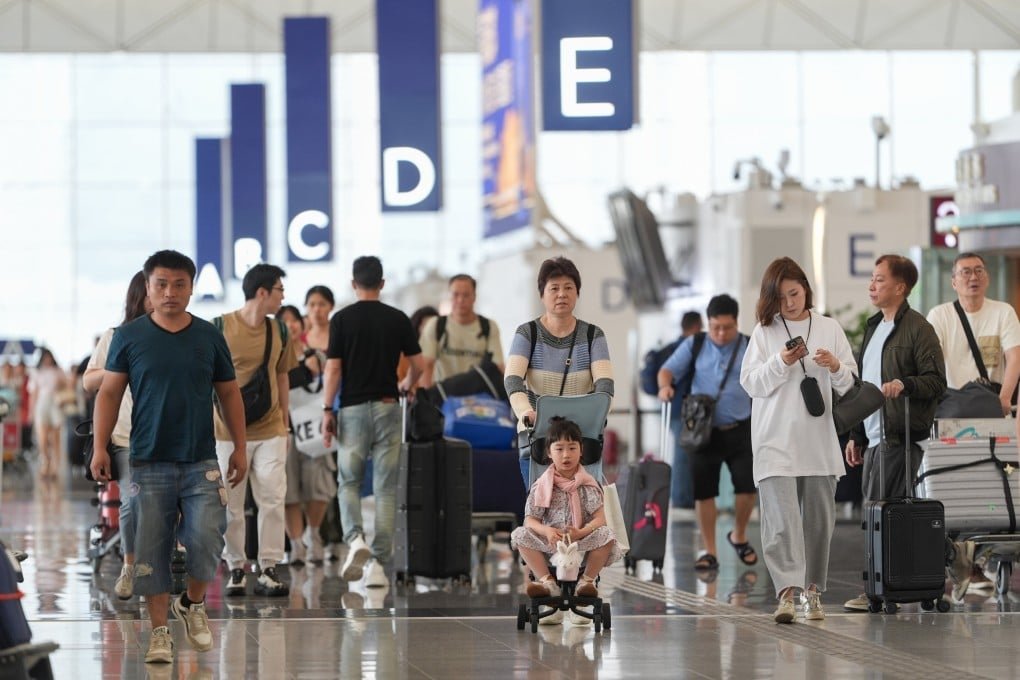
Beginning on May 27, fifteen airlines, most of them focused on regional and short-haul traffic, will gradually relocate check-in services from Terminal 1 to the rebuilt facility in a phased transfer scheduled to conclude by mid-June.
The reopening is not simply a real-estate upgrade.
It is a structural response to the rapid recovery of Asian aviation demand, mounting passenger congestion at Terminal 1, and Hong Kong’s broader effort to restore its position as a premier regional transit hub after years of political disruption, pandemic isolation, and intensified competition from airports in Singapore, mainland China, Seoul, and the Gulf.
Terminal 2 had largely closed in 2019 to accommodate the airport’s multibillion-dollar three-runway system expansion.
The redevelopment was designed to increase handling capacity, modernize passenger processing, and prepare the airport for long-term traffic growth.
The new phase focuses first on departures, with additional facilities scheduled to come online progressively in line with passenger demand.
What is confirmed is that the initial relocation group includes Hong Kong-based carriers HK Express, Hong Kong Airlines, and Greater Bay Airlines, alongside several regional budget and leisure airlines operating routes across Southeast and East Asia.
The transition will unfold in stages between May 27 and June 10 to avoid operational disruption during the early summer travel peak.
The rebuilt terminal has been designed around automation and high-volume passenger throughput.
The departure hall includes extensive self-service infrastructure, including automated check-in systems, smartphone-enabled baggage drop facilities, electronic security gates, and streamlined immigration processing.
After check-in and security clearance, passengers will use the airport’s automated people mover system to reach boarding gates.
The operational logic behind the move is straightforward.
Terminal 1 has carried most of Hong Kong’s passenger traffic for years while the airport simultaneously handled runway expansion work, labor shortages, and fluctuating post-pandemic demand.
Concentrating all carriers in a single primary terminal created pressure points during peak hours, particularly for regional airlines operating dense flight schedules with rapid aircraft turnaround times.
By shifting lower-cost and short-haul operators into Terminal 2, the airport authority is effectively redistributing passenger flows across the wider airport complex.
That frees Terminal 1 capacity for long-haul and premium operations while giving budget carriers infrastructure tailored to faster processing and higher passenger volume.
The reopening also carries economic and geopolitical significance.
Hong Kong’s aviation sector is central to the city’s status as a financial and commercial gateway linking mainland China with global markets.
Passenger throughput collapsed during the pandemic years when Hong Kong maintained some of the world’s strictest travel restrictions.
Recovery has improved substantially, but the city continues to compete aggressively against rival hubs that gained traffic during Hong Kong’s prolonged shutdown period.
Singapore’s Changi Airport expanded aggressively during the recovery cycle.
Mainland Chinese airports increased international connectivity.
Gulf carriers deepened Asia-Europe transit operations.
Hong Kong’s response has been to accelerate infrastructure upgrades while emphasizing efficiency, connectivity, and integration with the Greater Bay Area economic zone in southern China.
The airport authority is also using the Terminal 2 launch to support recruitment and workforce rebuilding.
Thousands of aviation-related vacancies are being promoted through airport job fairs tied to the reopening events.
Staffing remains a pressure point across global aviation, especially in ground handling, security screening, maintenance, baggage operations, and passenger services.
The three-runway system remains the strategic centerpiece behind the entire redevelopment.
The expanded airfield is intended to increase annual passenger and cargo handling capacity substantially over the long term.
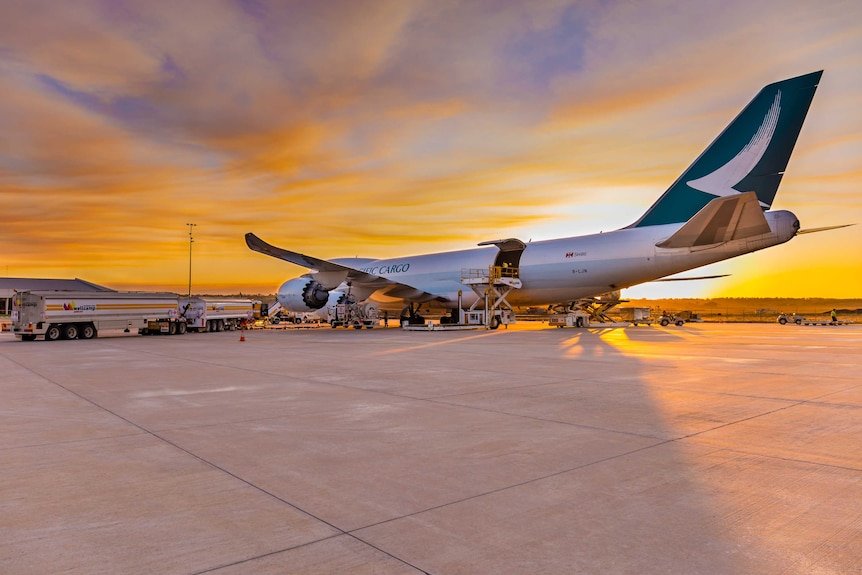
Hong Kong International Airport already ranks among the world’s most important cargo hubs, and authorities see future growth depending on the airport’s ability to process both freight and passengers at scale without major bottlenecks.
The reopening has also exposed practical concerns for travelers.
Airlines are moving on different dates, creating the possibility of passenger confusion during the transition period.
Airport authorities have increased signage, transport integration, and digital communication efforts to reduce disruption.
Public transport links, including Airport Express rail connections and expanded bus services, have been redesigned to connect directly with the reopened terminal.
Some travelers and aviation observers have questioned whether the new terminal configuration will materially improve passenger experience or primarily function as a redistribution mechanism for lower-cost airlines.
Others have noted that the airport’s long-term success will depend less on terminal aesthetics and more on operational reliability, immigration efficiency, competitive route networks, and Hong Kong’s broader economic trajectory.
The key issue is that Hong Kong is no longer competing from a position of automatic dominance in Asian aviation.
The city is rebuilding market share in a far more competitive environment than existed before 2020. Terminal 2’s reopening is therefore both an infrastructure project and a strategic signal that Hong Kong intends to restore high-capacity growth in regional aviation and defend its role as one of Asia’s core international gateways ahead of the summer travel season.
Beginning on May 27, fifteen airlines, most of them focused on regional and short-haul traffic, will gradually relocate check-in services from Terminal 1 to the rebuilt facility in a phased transfer scheduled to conclude by mid-June.
The reopening is not simply a real-estate upgrade.
It is a structural response to the rapid recovery of Asian aviation demand, mounting passenger congestion at Terminal 1, and Hong Kong’s broader effort to restore its position as a premier regional transit hub after years of political disruption, pandemic isolation, and intensified competition from airports in Singapore, mainland China, Seoul, and the Gulf.
Terminal 2 had largely closed in 2019 to accommodate the airport’s multibillion-dollar three-runway system expansion.
The redevelopment was designed to increase handling capacity, modernize passenger processing, and prepare the airport for long-term traffic growth.
The new phase focuses first on departures, with additional facilities scheduled to come online progressively in line with passenger demand.
What is confirmed is that the initial relocation group includes Hong Kong-based carriers HK Express, Hong Kong Airlines, and Greater Bay Airlines, alongside several regional budget and leisure airlines operating routes across Southeast and East Asia.
The transition will unfold in stages between May 27 and June 10 to avoid operational disruption during the early summer travel peak.
The rebuilt terminal has been designed around automation and high-volume passenger throughput.
The departure hall includes extensive self-service infrastructure, including automated check-in systems, smartphone-enabled baggage drop facilities, electronic security gates, and streamlined immigration processing.
After check-in and security clearance, passengers will use the airport’s automated people mover system to reach boarding gates.
The operational logic behind the move is straightforward.
Terminal 1 has carried most of Hong Kong’s passenger traffic for years while the airport simultaneously handled runway expansion work, labor shortages, and fluctuating post-pandemic demand.
Concentrating all carriers in a single primary terminal created pressure points during peak hours, particularly for regional airlines operating dense flight schedules with rapid aircraft turnaround times.
By shifting lower-cost and short-haul operators into Terminal 2, the airport authority is effectively redistributing passenger flows across the wider airport complex.
That frees Terminal 1 capacity for long-haul and premium operations while giving budget carriers infrastructure tailored to faster processing and higher passenger volume.
The reopening also carries economic and geopolitical significance.
Hong Kong’s aviation sector is central to the city’s status as a financial and commercial gateway linking mainland China with global markets.
Passenger throughput collapsed during the pandemic years when Hong Kong maintained some of the world’s strictest travel restrictions.
Recovery has improved substantially, but the city continues to compete aggressively against rival hubs that gained traffic during Hong Kong’s prolonged shutdown period.
Singapore’s Changi Airport expanded aggressively during the recovery cycle.
Mainland Chinese airports increased international connectivity.
Gulf carriers deepened Asia-Europe transit operations.
Hong Kong’s response has been to accelerate infrastructure upgrades while emphasizing efficiency, connectivity, and integration with the Greater Bay Area economic zone in southern China.
The airport authority is also using the Terminal 2 launch to support recruitment and workforce rebuilding.
Thousands of aviation-related vacancies are being promoted through airport job fairs tied to the reopening events.
Staffing remains a pressure point across global aviation, especially in ground handling, security screening, maintenance, baggage operations, and passenger services.
The three-runway system remains the strategic centerpiece behind the entire redevelopment.
The expanded airfield is intended to increase annual passenger and cargo handling capacity substantially over the long term.
Hong Kong International Airport already ranks among the world’s most important cargo hubs, and authorities see future growth depending on the airport’s ability to process both freight and passengers at scale without major bottlenecks.
The reopening has also exposed practical concerns for travelers.
Airlines are moving on different dates, creating the possibility of passenger confusion during the transition period.
Airport authorities have increased signage, transport integration, and digital communication efforts to reduce disruption.
Public transport links, including Airport Express rail connections and expanded bus services, have been redesigned to connect directly with the reopened terminal.
Some travelers and aviation observers have questioned whether the new terminal configuration will materially improve passenger experience or primarily function as a redistribution mechanism for lower-cost airlines.
Others have noted that the airport’s long-term success will depend less on terminal aesthetics and more on operational reliability, immigration efficiency, competitive route networks, and Hong Kong’s broader economic trajectory.
The key issue is that Hong Kong is no longer competing from a position of automatic dominance in Asian aviation.
The city is rebuilding market share in a far more competitive environment than existed before 2020. Terminal 2’s reopening is therefore both an infrastructure project and a strategic signal that Hong Kong intends to restore high-capacity growth in regional aviation and defend its role as one of Asia’s core international gateways ahead of the summer travel season.