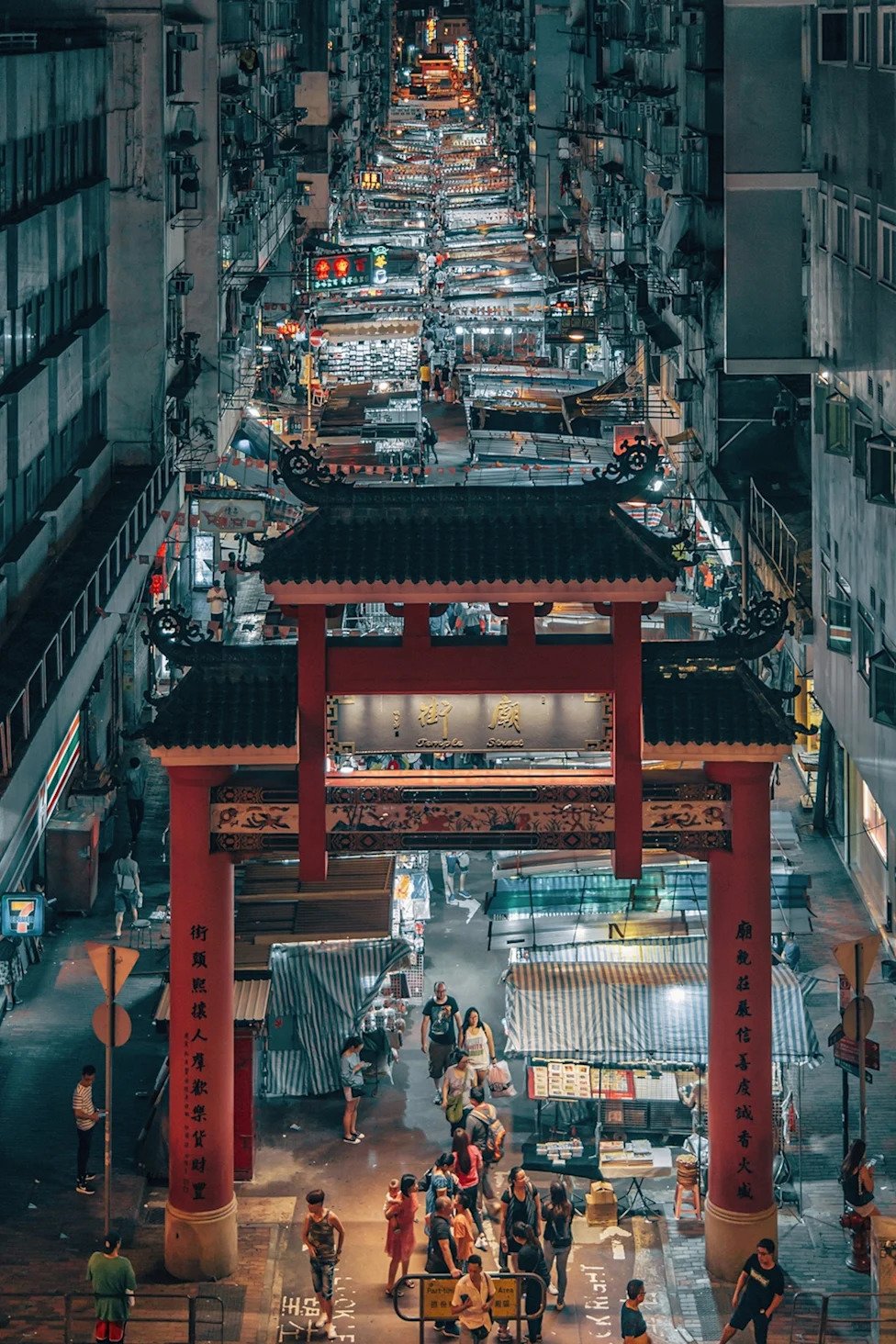
From transport habits to food culture and night routines, daily life adapts to heat, humidity, and sudden rain
Summer in Hong Kong is less about escaping the heat and more about adapting to it.
The city’s rhythm shifts under high humidity, sudden rain, and long evenings that blur into neon-lit nights.
Living like a local means building your day around climate, transport, and food culture rather than tourist landmarks.
Hong Kong’s summer is defined by two forces: intense heat and unpredictable downpours.
Locals plan around this rather than avoiding it.
Outdoor activity is typically pushed to early morning or late evening, while midday becomes a time for indoor spaces—shopping malls, shaded food courts, and air-conditioned transit hubs that function as unofficial community centers.
One of the most practical ways to experience the city like a resident is through its transport system.
The MTR (Mass Transit Railway) is not just a metro network but the backbone of daily life.
It connects dense residential districts with commercial centers like Central and Tsim Sha Tsui, making spontaneous movement across the city easy even in heavy rain.
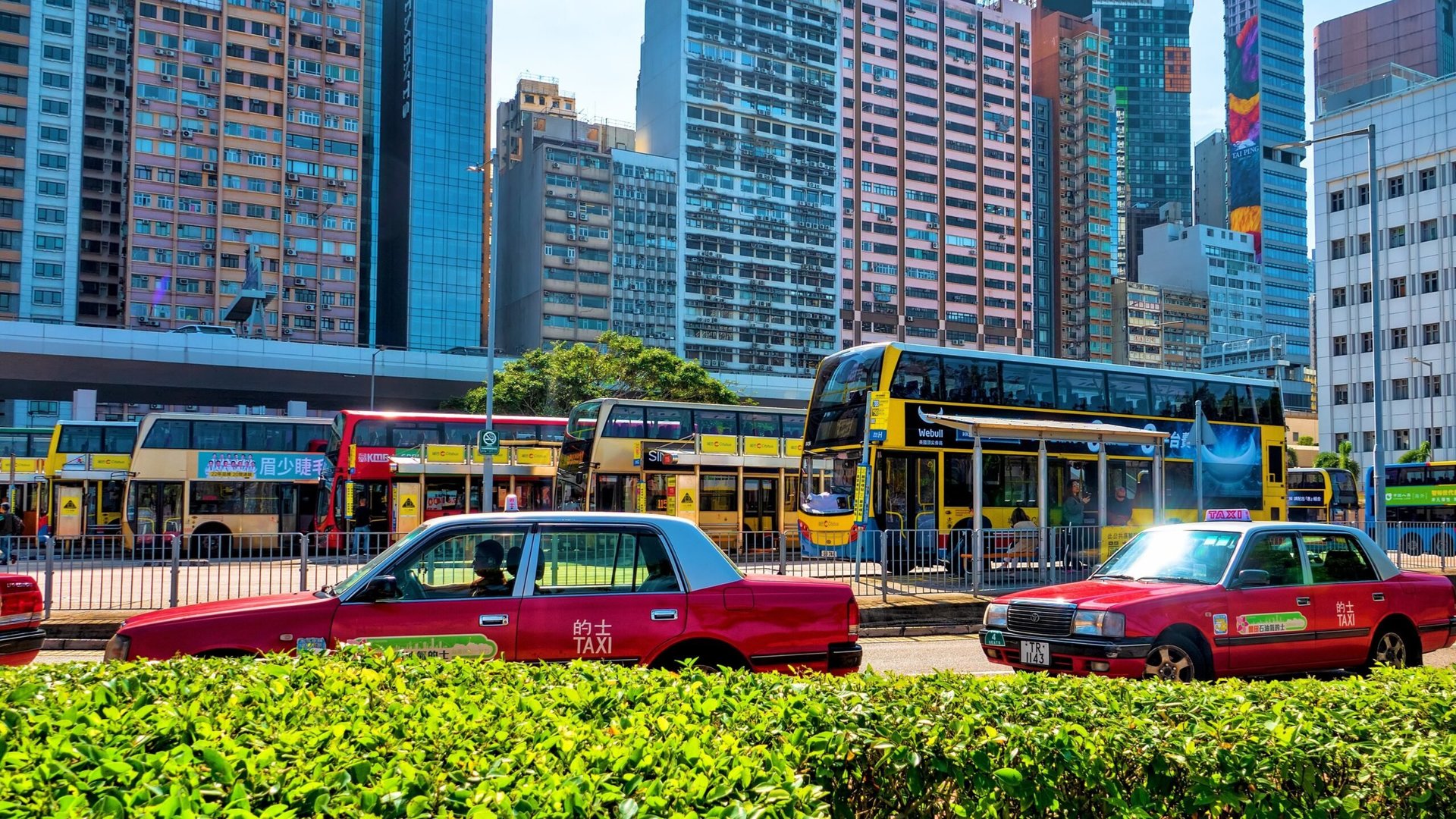
Above ground, double-decker buses and ferries continue to serve as essential connectors, especially routes crossing the harbour.
A defining summer ritual is staying close to water.
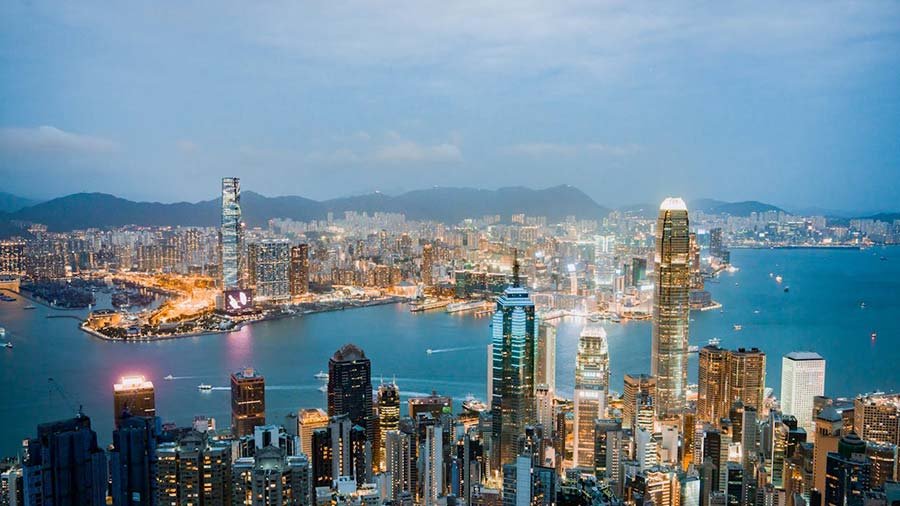
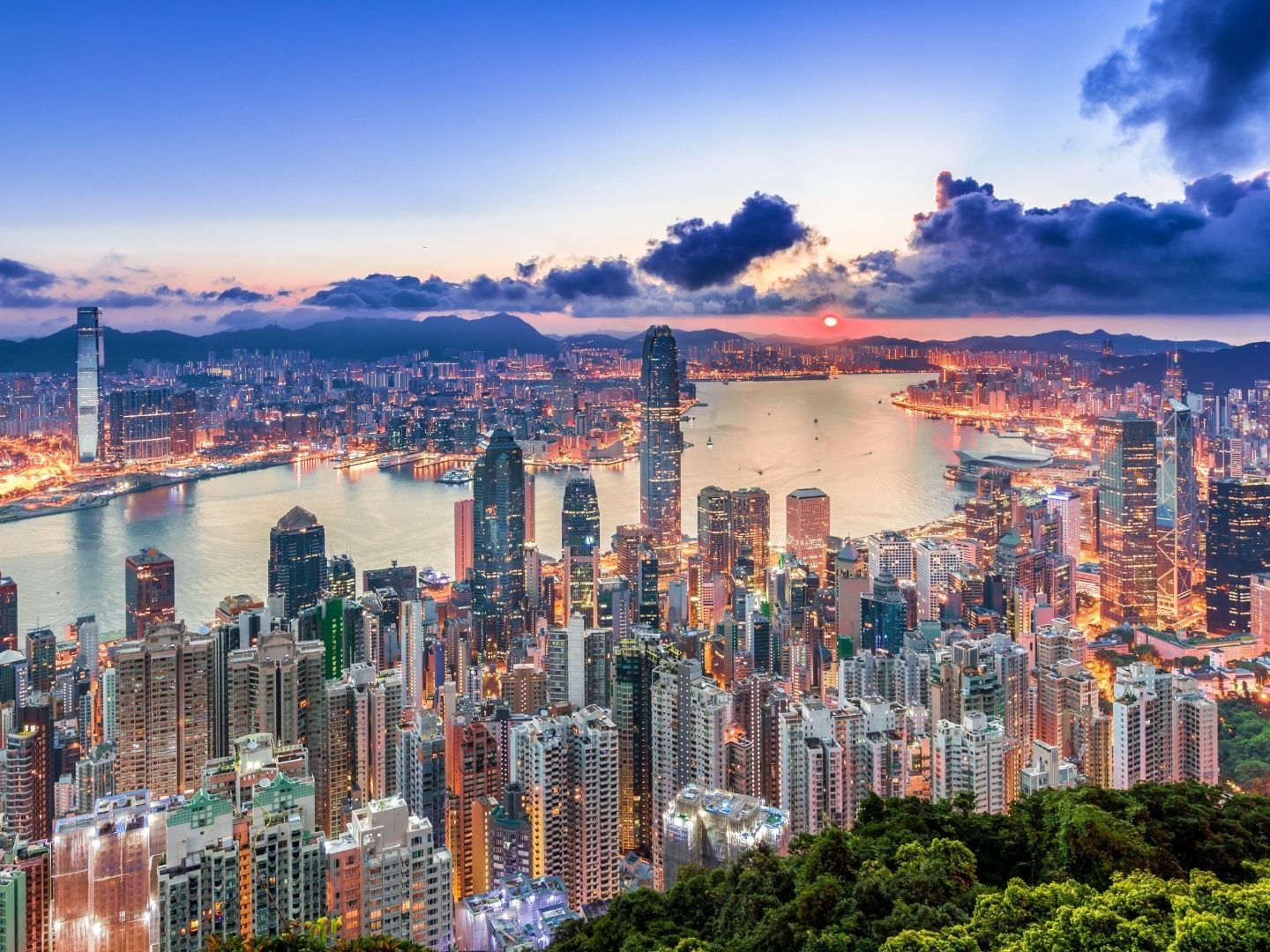
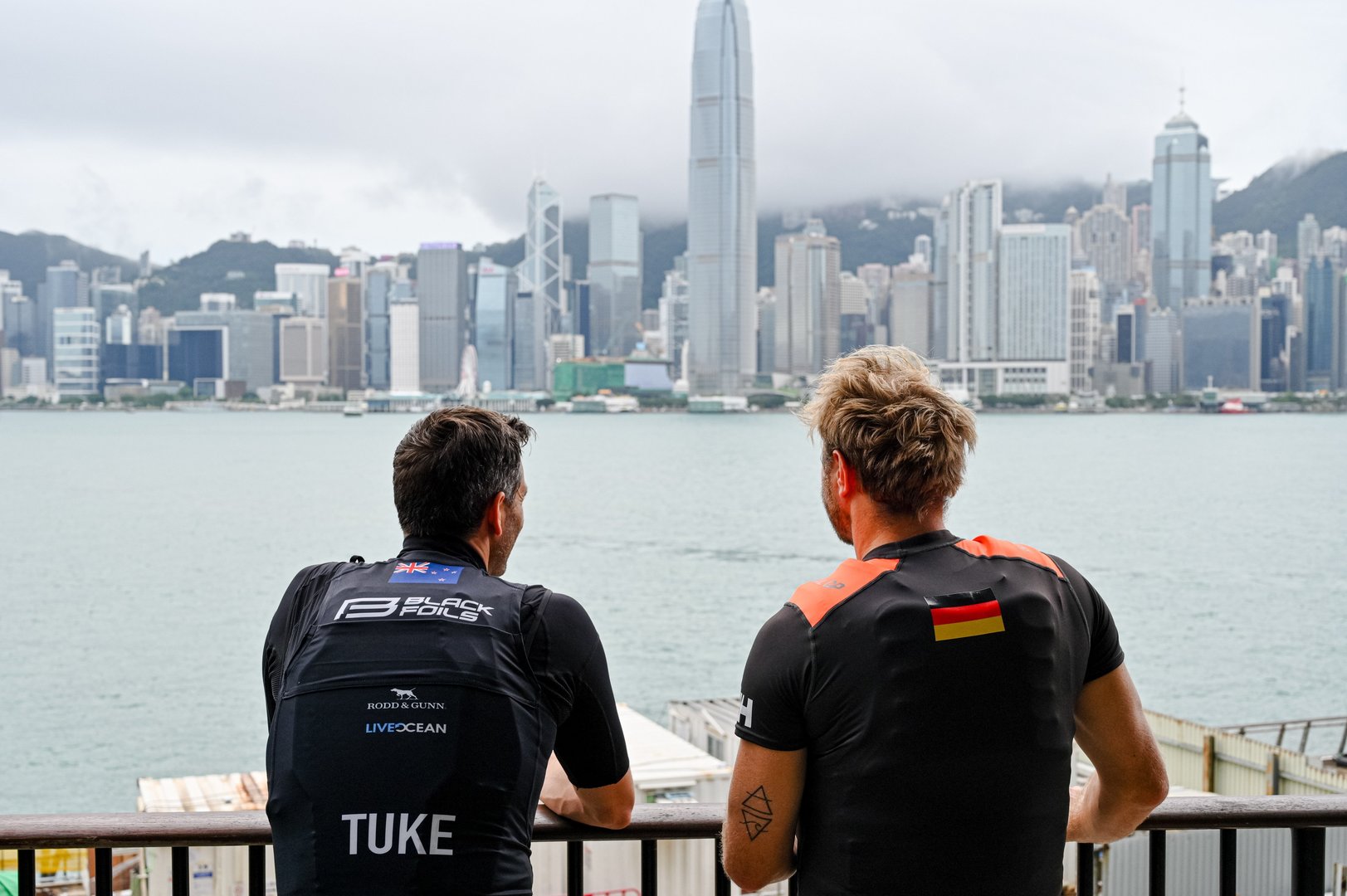
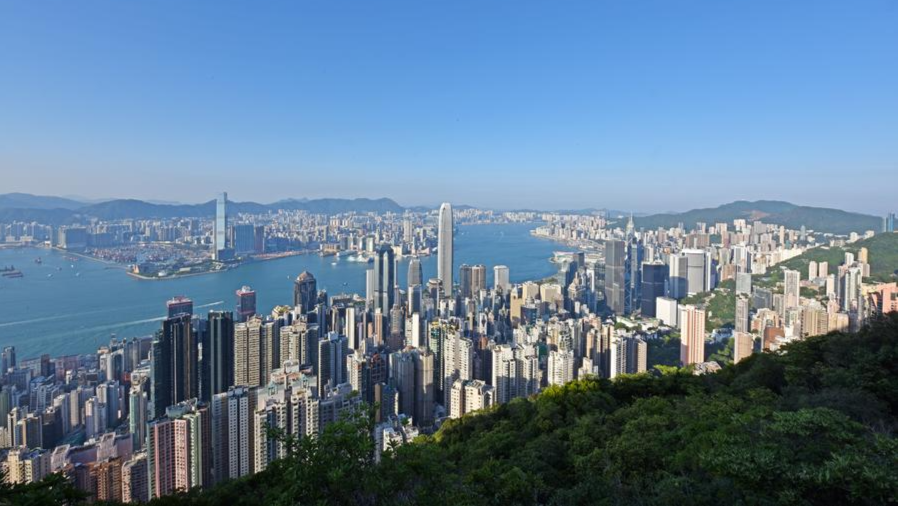
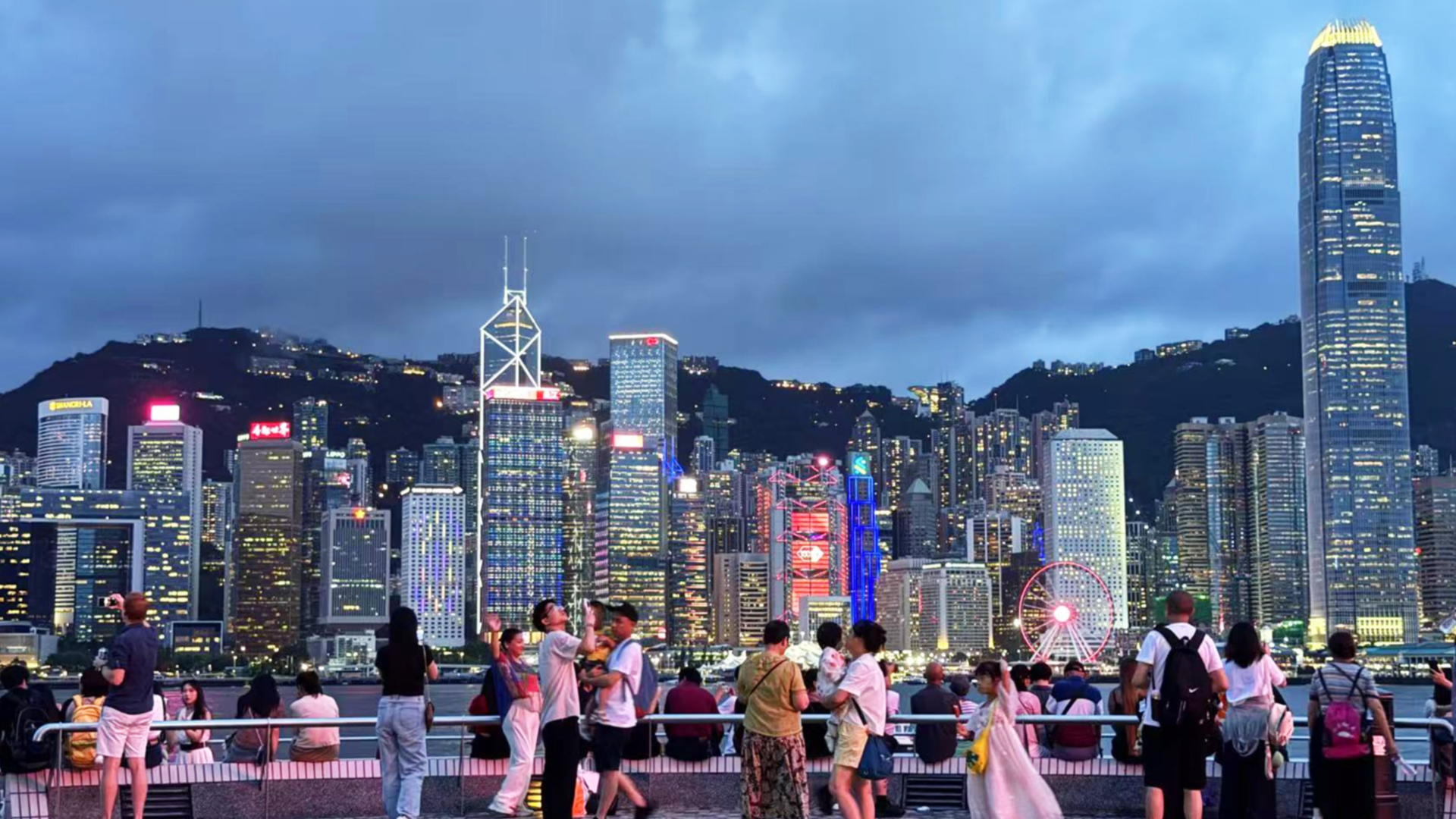
Victoria Harbour becomes a focal point in the evenings when temperatures drop slightly and the skyline reflects off the water.
Locals gather along promenades in Tsim Sha Tsui and Central for walks, casual exercise, or simply sitting outside once the worst of the heat passes.
The waterfront is less a sightseeing stop and more an everyday public space.
Food is central to how residents structure their day in summer.
Breakfast often starts early in neighbourhood tea cafés known for quick, efficient service and strong iced drinks.
Lunch tends to be short and indoor, often in air-conditioned malls connected to transit stations.
Dishes are designed for the climate—light soups, rice sets, and cold drinks are common, with dessert shops serving chilled tofu pudding, mango-based sweets, and herbal jelly to counter the humidity.
Neighbourhoods like Sham Shui Po, Mong Kok, and Causeway Bay reveal different layers of daily life.
In Sham Shui Po, street markets operate early before heat peaks, selling electronics, fabric, and local snacks.
Mong Kok stays busy throughout the day but shifts indoors during peak afternoon heat.
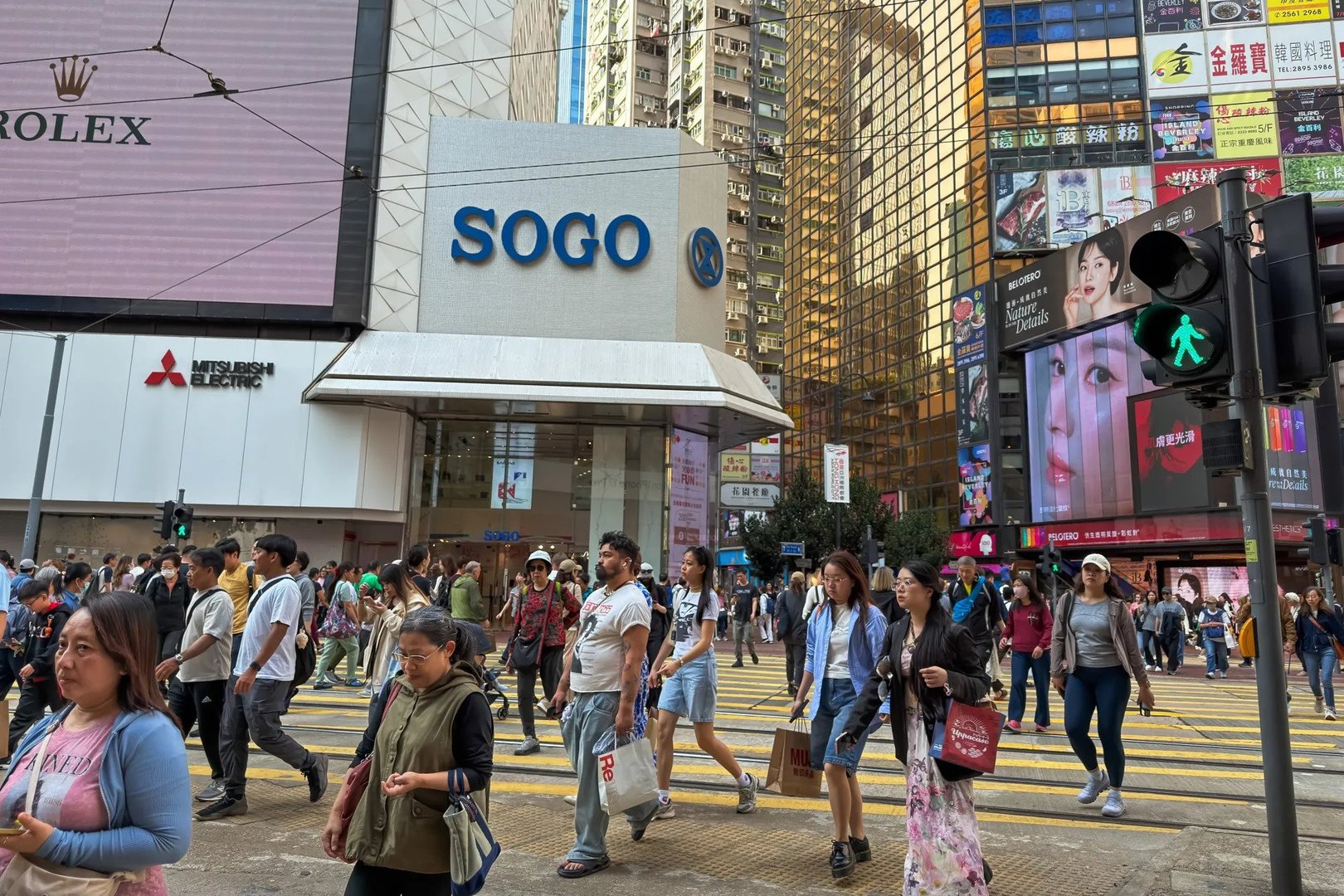
Causeway Bay concentrates much of its activity in vertical shopping complexes where entire blocks are stacked with retail, dining, and services under one roof.
Summer also reshapes how people use leisure time.
Hiking remains popular, but routes are chosen carefully and attempted early in the morning.
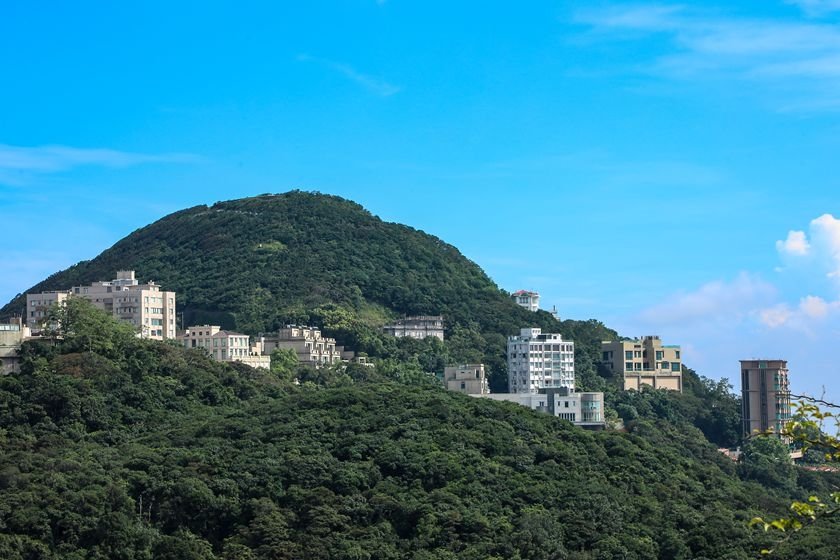
Trails like those on the outlying islands or hill paths above urban districts are treated as brief escapes rather than full-day expeditions.
The goal is not distance but timing—finishing before the heat becomes oppressive.
Rainstorms are a normal part of the season.
Sudden downpours can flood streets temporarily, but they rarely stop movement for long.
Covered walkways, underground malls, and elevated footbridges allow the city to keep functioning with minimal disruption.
Locals carry umbrellas as standard equipment, not as preparation for bad weather but as part of daily routine.
To spend summer in Hong Kong like a local is to accept the city’s climate rather than fight it.
Life shifts between air-conditioned interiors and brief, deliberate outdoor moments, shaped by transport efficiency and food culture rather than fixed schedules.
The result is a city that does not slow down in summer—it simply changes where its life happens.
The city’s rhythm shifts under high humidity, sudden rain, and long evenings that blur into neon-lit nights.
Living like a local means building your day around climate, transport, and food culture rather than tourist landmarks.
Hong Kong’s summer is defined by two forces: intense heat and unpredictable downpours.
Locals plan around this rather than avoiding it.
Outdoor activity is typically pushed to early morning or late evening, while midday becomes a time for indoor spaces—shopping malls, shaded food courts, and air-conditioned transit hubs that function as unofficial community centers.
One of the most practical ways to experience the city like a resident is through its transport system.
The MTR (Mass Transit Railway) is not just a metro network but the backbone of daily life.
It connects dense residential districts with commercial centers like Central and Tsim Sha Tsui, making spontaneous movement across the city easy even in heavy rain.
Above ground, double-decker buses and ferries continue to serve as essential connectors, especially routes crossing the harbour.
A defining summer ritual is staying close to water.
Victoria Harbour becomes a focal point in the evenings when temperatures drop slightly and the skyline reflects off the water.
Locals gather along promenades in Tsim Sha Tsui and Central for walks, casual exercise, or simply sitting outside once the worst of the heat passes.
The waterfront is less a sightseeing stop and more an everyday public space.
Food is central to how residents structure their day in summer.
Breakfast often starts early in neighbourhood tea cafés known for quick, efficient service and strong iced drinks.
Lunch tends to be short and indoor, often in air-conditioned malls connected to transit stations.
Dishes are designed for the climate—light soups, rice sets, and cold drinks are common, with dessert shops serving chilled tofu pudding, mango-based sweets, and herbal jelly to counter the humidity.
Neighbourhoods like Sham Shui Po, Mong Kok, and Causeway Bay reveal different layers of daily life.
In Sham Shui Po, street markets operate early before heat peaks, selling electronics, fabric, and local snacks.
Mong Kok stays busy throughout the day but shifts indoors during peak afternoon heat.
Causeway Bay concentrates much of its activity in vertical shopping complexes where entire blocks are stacked with retail, dining, and services under one roof.
Summer also reshapes how people use leisure time.
Hiking remains popular, but routes are chosen carefully and attempted early in the morning.
Trails like those on the outlying islands or hill paths above urban districts are treated as brief escapes rather than full-day expeditions.
The goal is not distance but timing—finishing before the heat becomes oppressive.
Rainstorms are a normal part of the season.
Sudden downpours can flood streets temporarily, but they rarely stop movement for long.
Covered walkways, underground malls, and elevated footbridges allow the city to keep functioning with minimal disruption.
Locals carry umbrellas as standard equipment, not as preparation for bad weather but as part of daily routine.
To spend summer in Hong Kong like a local is to accept the city’s climate rather than fight it.
Life shifts between air-conditioned interiors and brief, deliberate outdoor moments, shaped by transport efficiency and food culture rather than fixed schedules.
The result is a city that does not slow down in summer—it simply changes where its life happens.