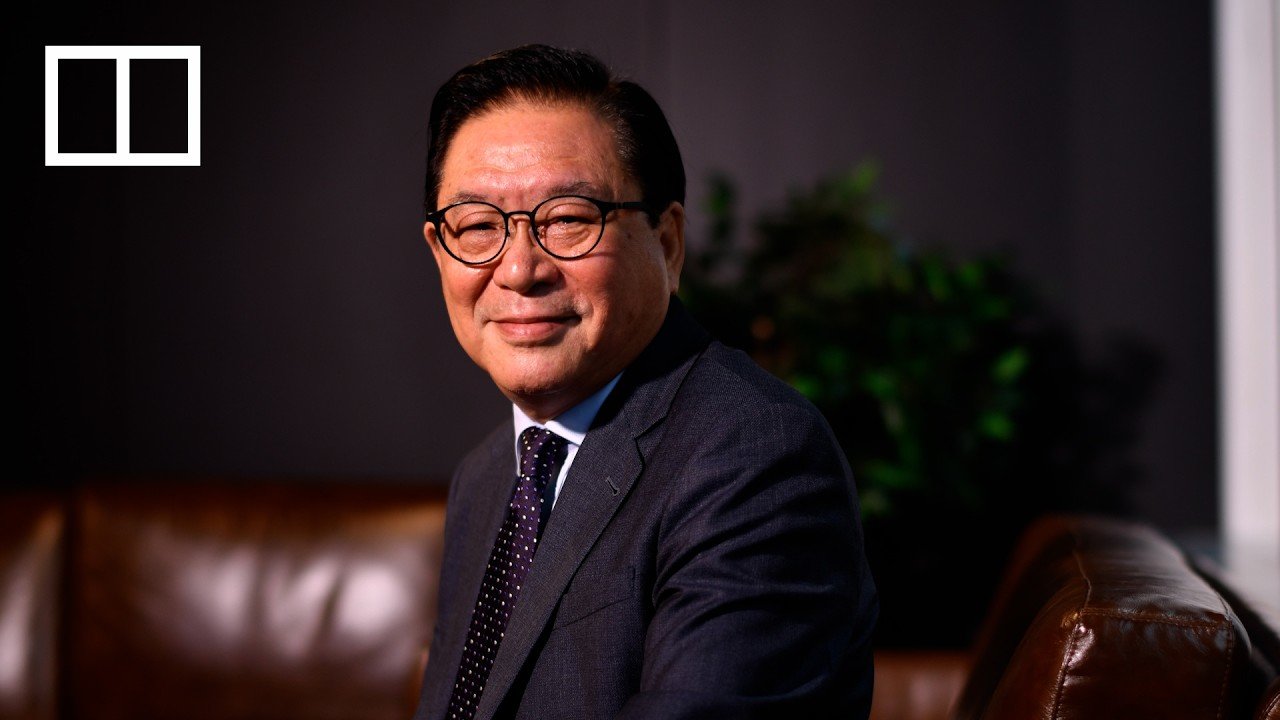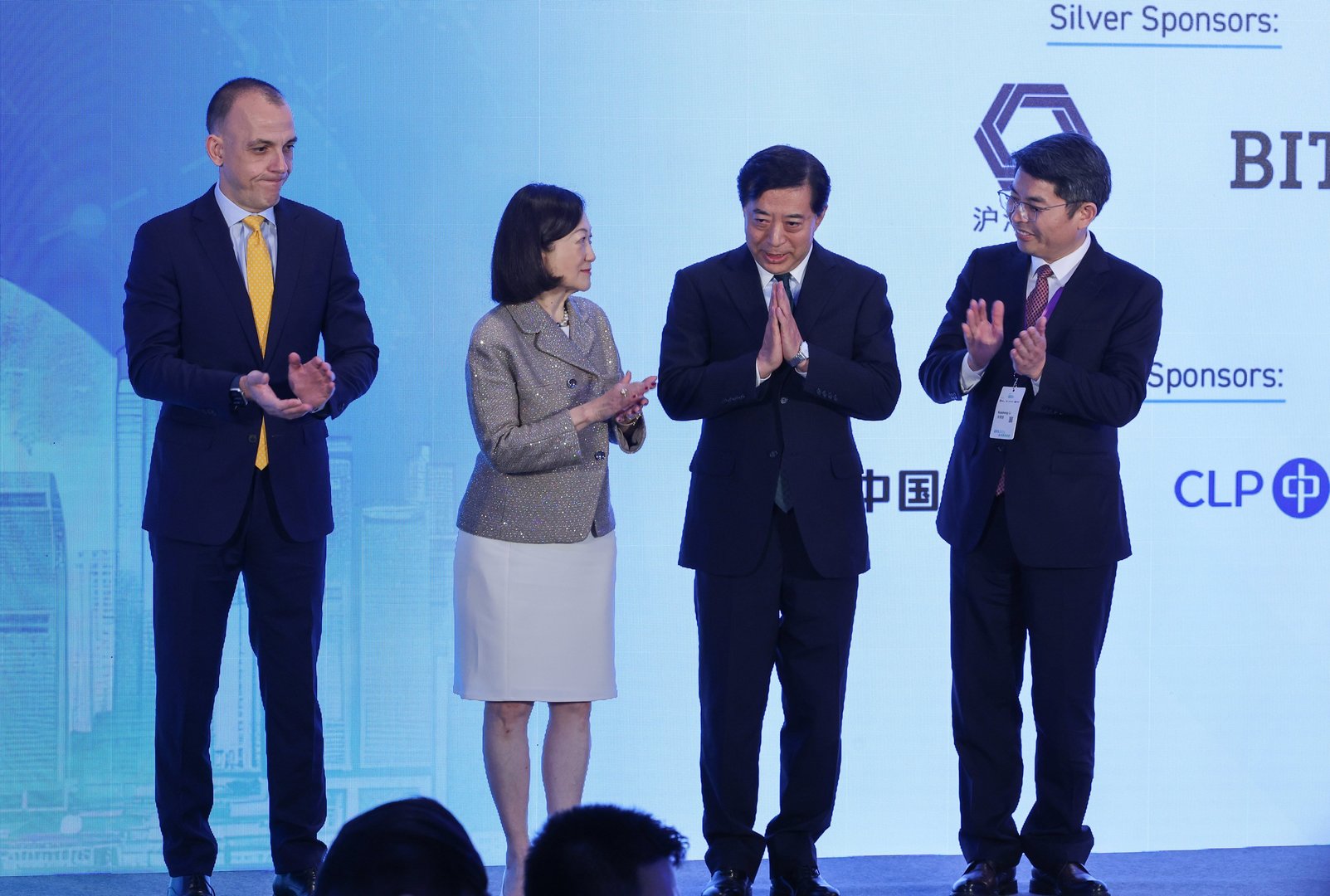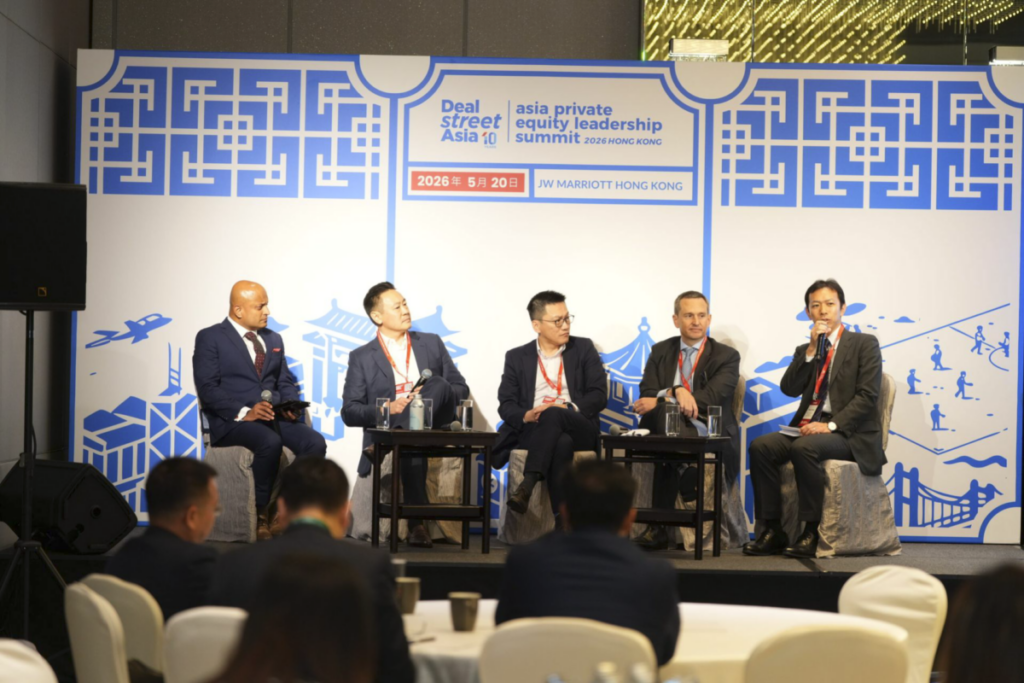
At a DealStreetAsia conference in Hong Kong, industry leader Paul DiGiacomo outlined how private markets are adapting to higher interest rates, tighter liquidity, and shifting global capital flows.
SYSTEM-DRIVEN: The story is driven by structural changes in global financial markets, particularly the evolution of private capital, interest rate regimes, and cross-border investment flows.
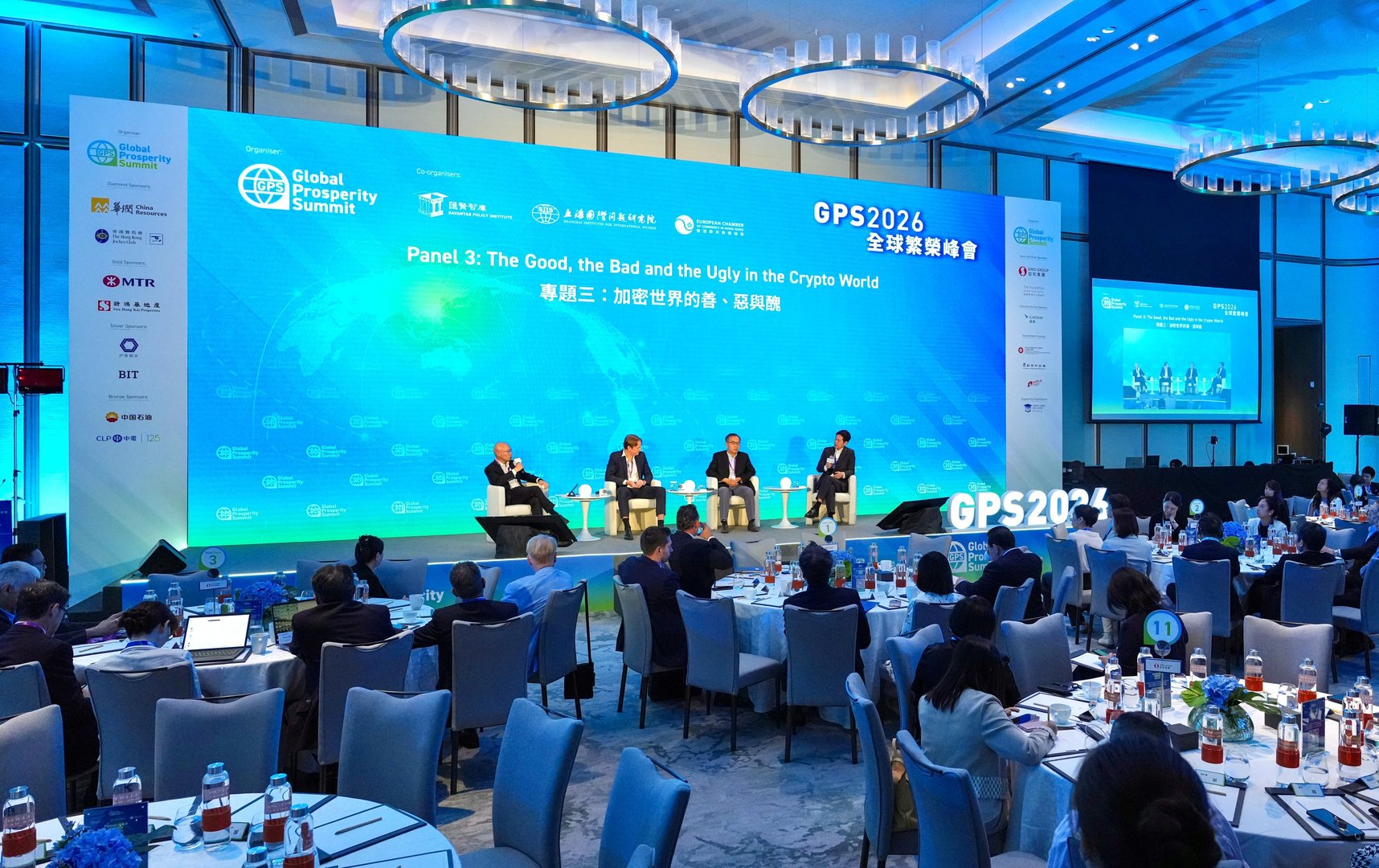
Paul DiGiacomo’s remarks at a DealStreetAsia conference in Hong Kong focused on the shifting dynamics of global private markets, where higher interest rates and reduced liquidity are reshaping dealmaking behavior.
The event brought together investors, fund managers, and financial sector participants to assess how capital is being allocated in a more constrained macroeconomic environment.
What is confirmed is that DiGiacomo addressed the state of private equity and private credit markets, emphasizing how the cost of capital has altered investment strategies.
In recent years, central bank rate increases across major economies have significantly raised borrowing costs, slowing deal activity and forcing funds to reassess valuations and exit timelines.
The key issue underpinning the discussion is liquidity.
For more than a decade following the global financial crisis, abundant low-cost capital supported rapid expansion in private markets.
That environment has now reversed.
With fewer exits and slower fundraising cycles, investors are under pressure to generate returns through operational improvements rather than financial engineering alone.
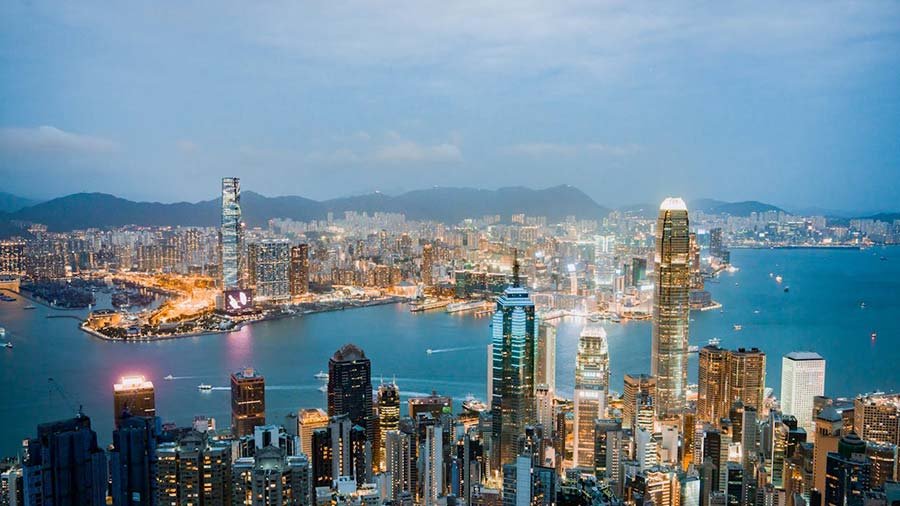
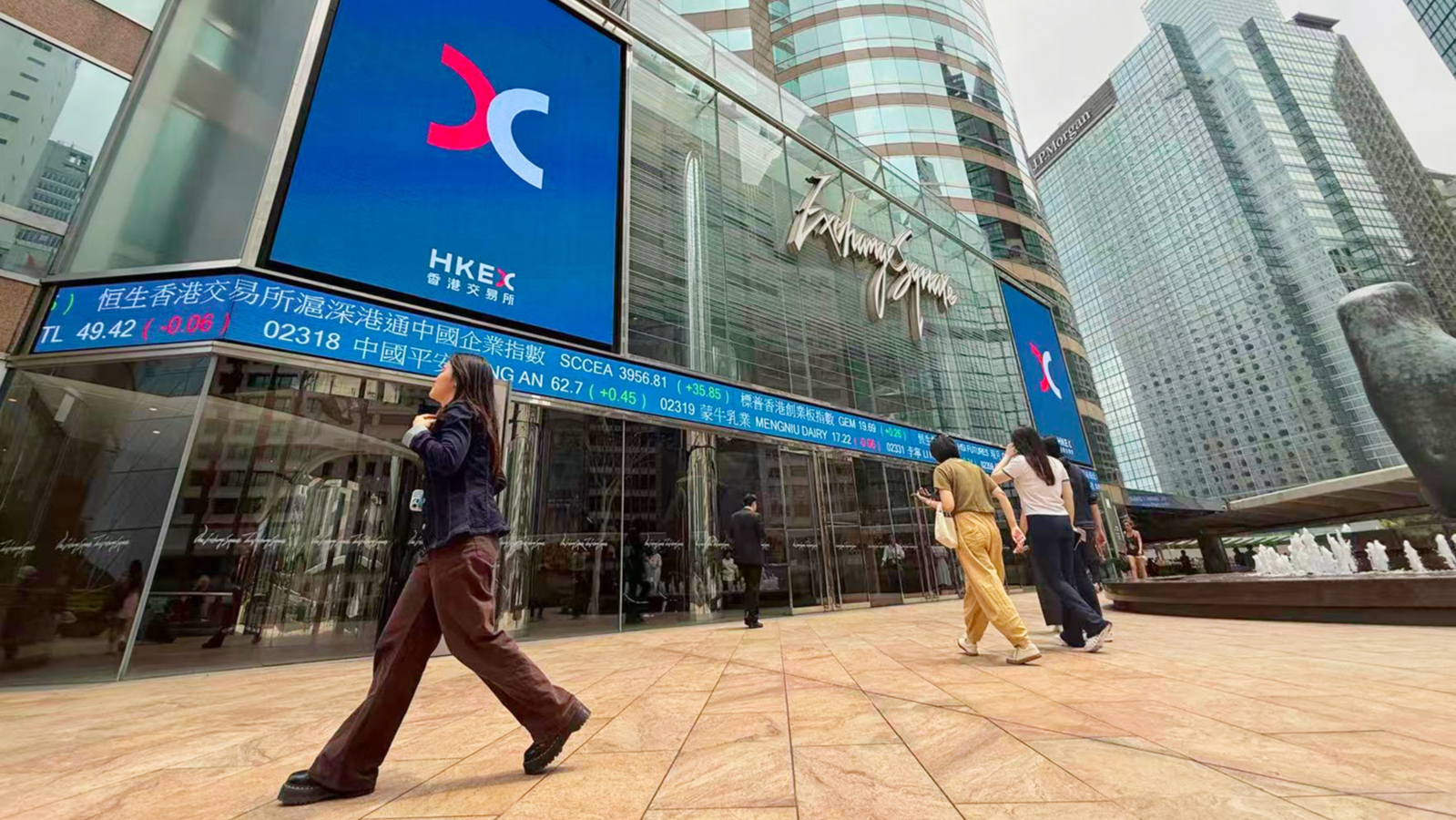
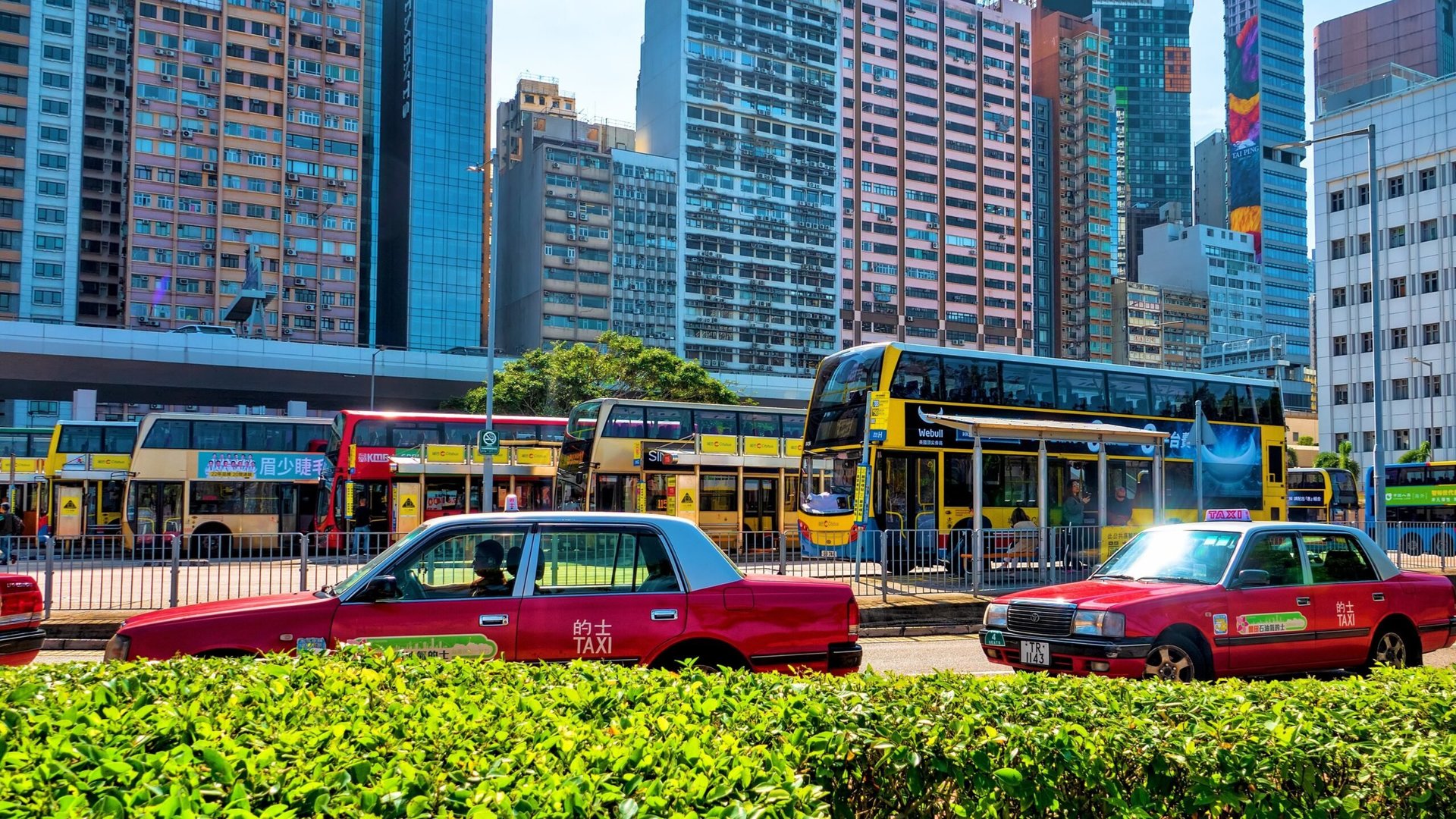
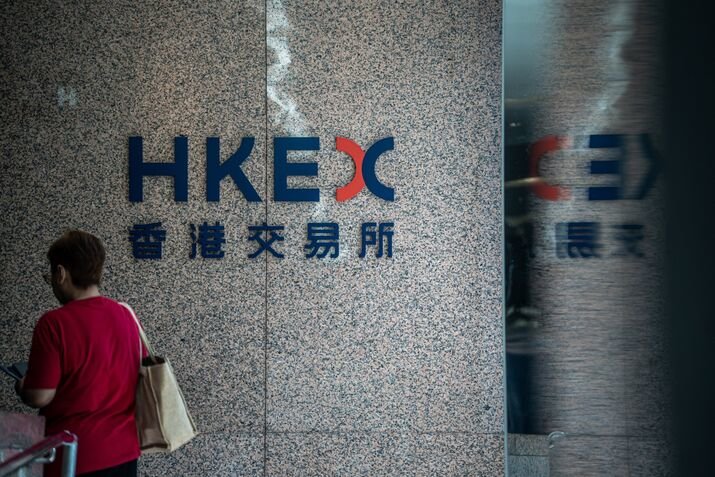
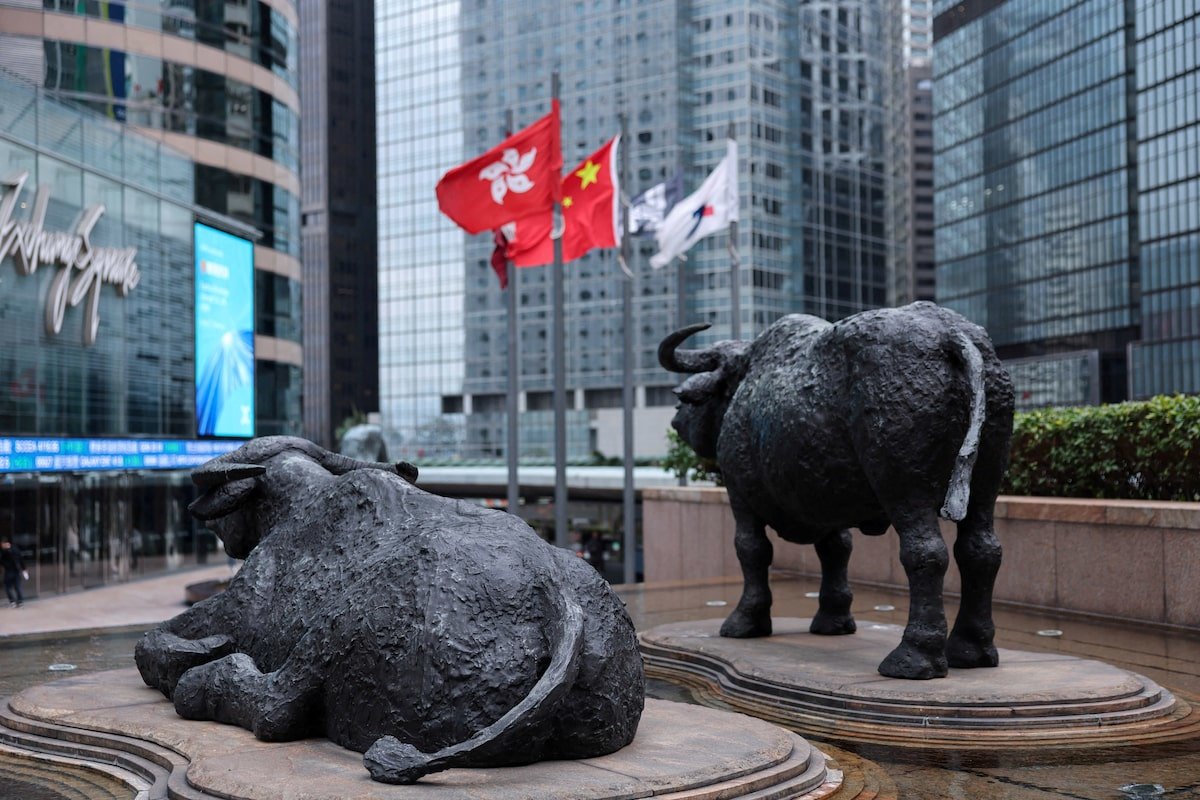
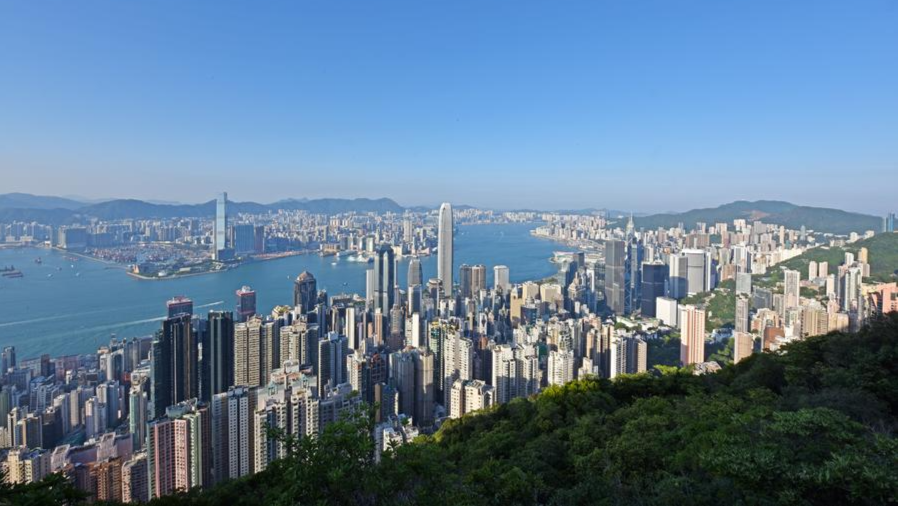
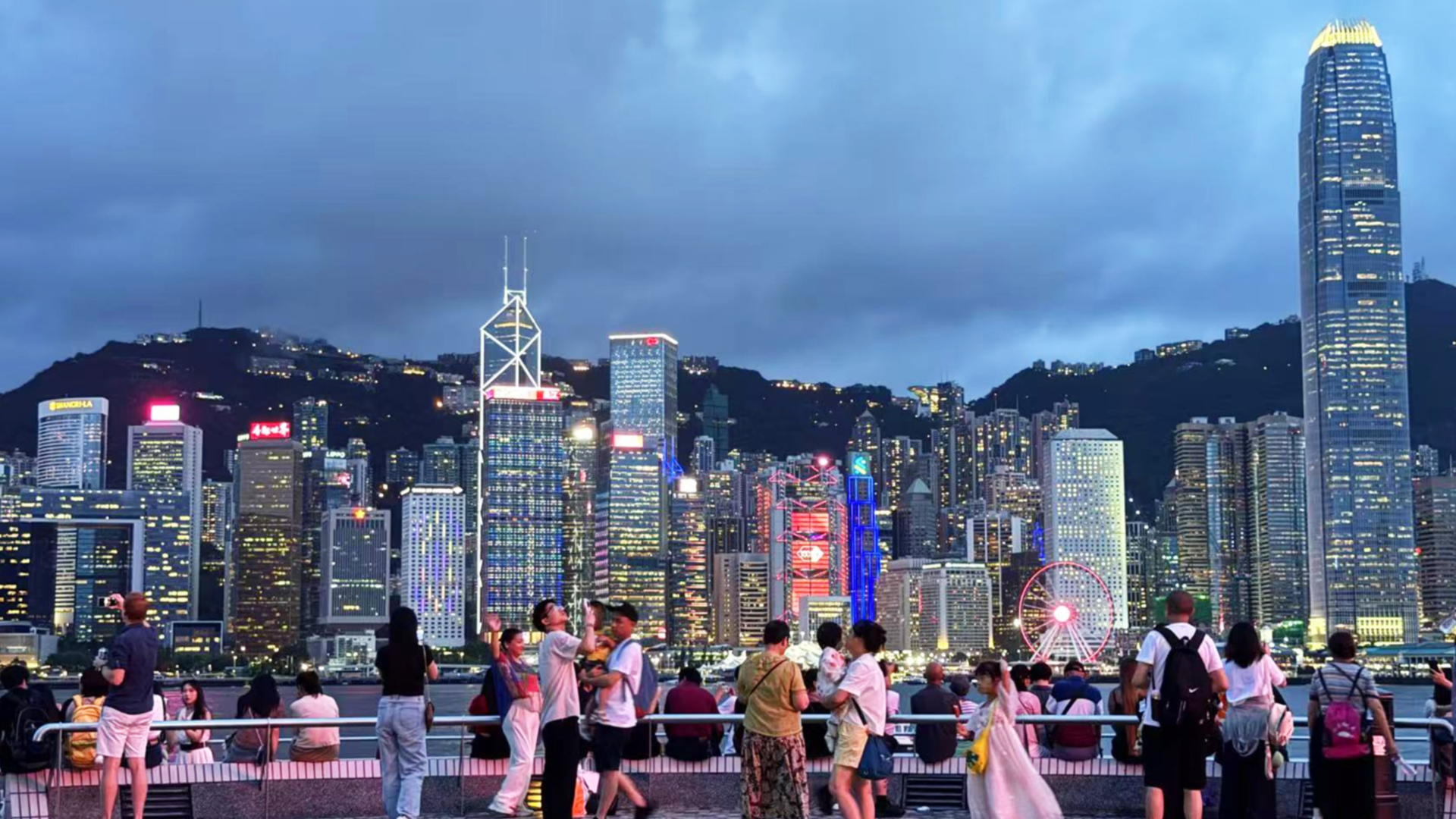
Hong Kong’s role as the venue is also structurally significant.
The city remains one of Asia’s key financial hubs, serving as a meeting point between global institutional capital and Asia-Pacific investment opportunities.
Conferences like this function as barometers of sentiment among regional and international investors navigating an uncertain macroeconomic landscape.
DiGiacomo’s participation reflects a broader trend in which senior figures in private markets are increasingly focused on resilience strategies rather than aggressive expansion.
This includes greater scrutiny of leverage levels, more selective deal sourcing, and a stronger emphasis on sectors with stable cash flows such as infrastructure, healthcare, and essential services.
At a systemic level, private markets are adjusting to a new equilibrium.
Capital is no longer freely abundant, and the pricing of risk has become more sensitive to macroeconomic conditions.
This shift is reshaping how funds are structured, how investments are timed, and how returns are generated across global portfolios.
The implications extend beyond the private equity industry.
Slower deal activity affects corporate financing options, startup funding environments, and cross-border investment flows.
As a result, policymakers and financial institutions are closely monitoring whether current conditions represent a cyclical adjustment or a longer-term structural shift in global capital markets.
The conference concludes with a shared recognition among participants that adaptability, discipline, and capital efficiency are becoming central requirements for success in private markets operating under tighter financial conditions.
Paul DiGiacomo’s remarks at a DealStreetAsia conference in Hong Kong focused on the shifting dynamics of global private markets, where higher interest rates and reduced liquidity are reshaping dealmaking behavior.
The event brought together investors, fund managers, and financial sector participants to assess how capital is being allocated in a more constrained macroeconomic environment.
What is confirmed is that DiGiacomo addressed the state of private equity and private credit markets, emphasizing how the cost of capital has altered investment strategies.
In recent years, central bank rate increases across major economies have significantly raised borrowing costs, slowing deal activity and forcing funds to reassess valuations and exit timelines.
The key issue underpinning the discussion is liquidity.
For more than a decade following the global financial crisis, abundant low-cost capital supported rapid expansion in private markets.
That environment has now reversed.
With fewer exits and slower fundraising cycles, investors are under pressure to generate returns through operational improvements rather than financial engineering alone.
Hong Kong’s role as the venue is also structurally significant.
The city remains one of Asia’s key financial hubs, serving as a meeting point between global institutional capital and Asia-Pacific investment opportunities.
Conferences like this function as barometers of sentiment among regional and international investors navigating an uncertain macroeconomic landscape.
DiGiacomo’s participation reflects a broader trend in which senior figures in private markets are increasingly focused on resilience strategies rather than aggressive expansion.
This includes greater scrutiny of leverage levels, more selective deal sourcing, and a stronger emphasis on sectors with stable cash flows such as infrastructure, healthcare, and essential services.
At a systemic level, private markets are adjusting to a new equilibrium.
Capital is no longer freely abundant, and the pricing of risk has become more sensitive to macroeconomic conditions.
This shift is reshaping how funds are structured, how investments are timed, and how returns are generated across global portfolios.
The implications extend beyond the private equity industry.
Slower deal activity affects corporate financing options, startup funding environments, and cross-border investment flows.
As a result, policymakers and financial institutions are closely monitoring whether current conditions represent a cyclical adjustment or a longer-term structural shift in global capital markets.
The conference concludes with a shared recognition among participants that adaptability, discipline, and capital efficiency are becoming central requirements for success in private markets operating under tighter financial conditions.